
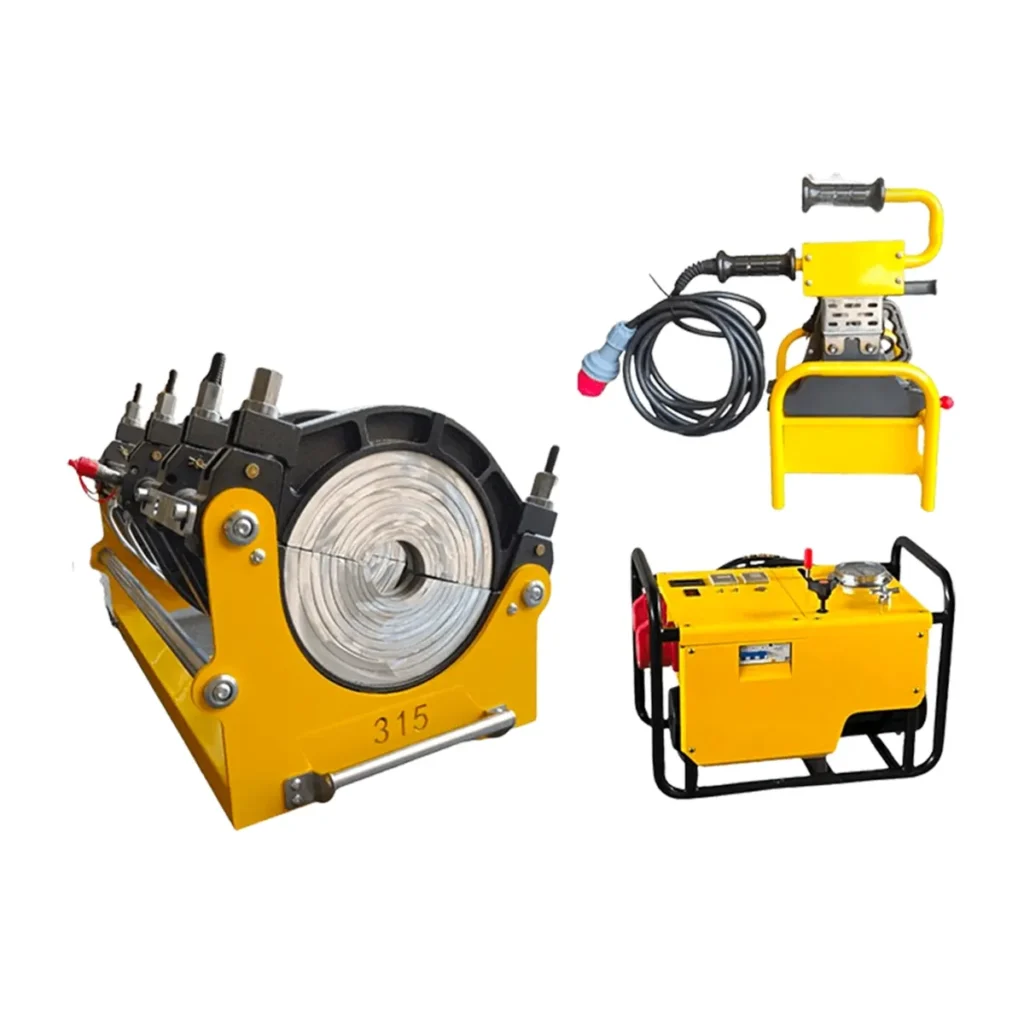
Moldova’s growing investments in water supply, gas distribution, agricultural irrigation and small-scale industrial pipelines are driving demand for reliable HDPE pipe welding solutions. In regions from Chișinău to rural districts, durable butt-fusion joints reduce leak risk, extend service life and simplify maintenance for networks exposed to cold winters and seasonal ground movement.
Why HDPE Butt Fusion Works Well in Moldova
HDPE piping joined by butt fusion creates homogeneous, leak-free connections that resist corrosion, chemical exposure and freeze-thaw cycles—critical factors for Moldova’s municipal and agricultural projects. The fusion process produces a joint with strength comparable to the pipe material itself, helping systems perform reliably for decades.
Machine Types Suitable for Local Projects
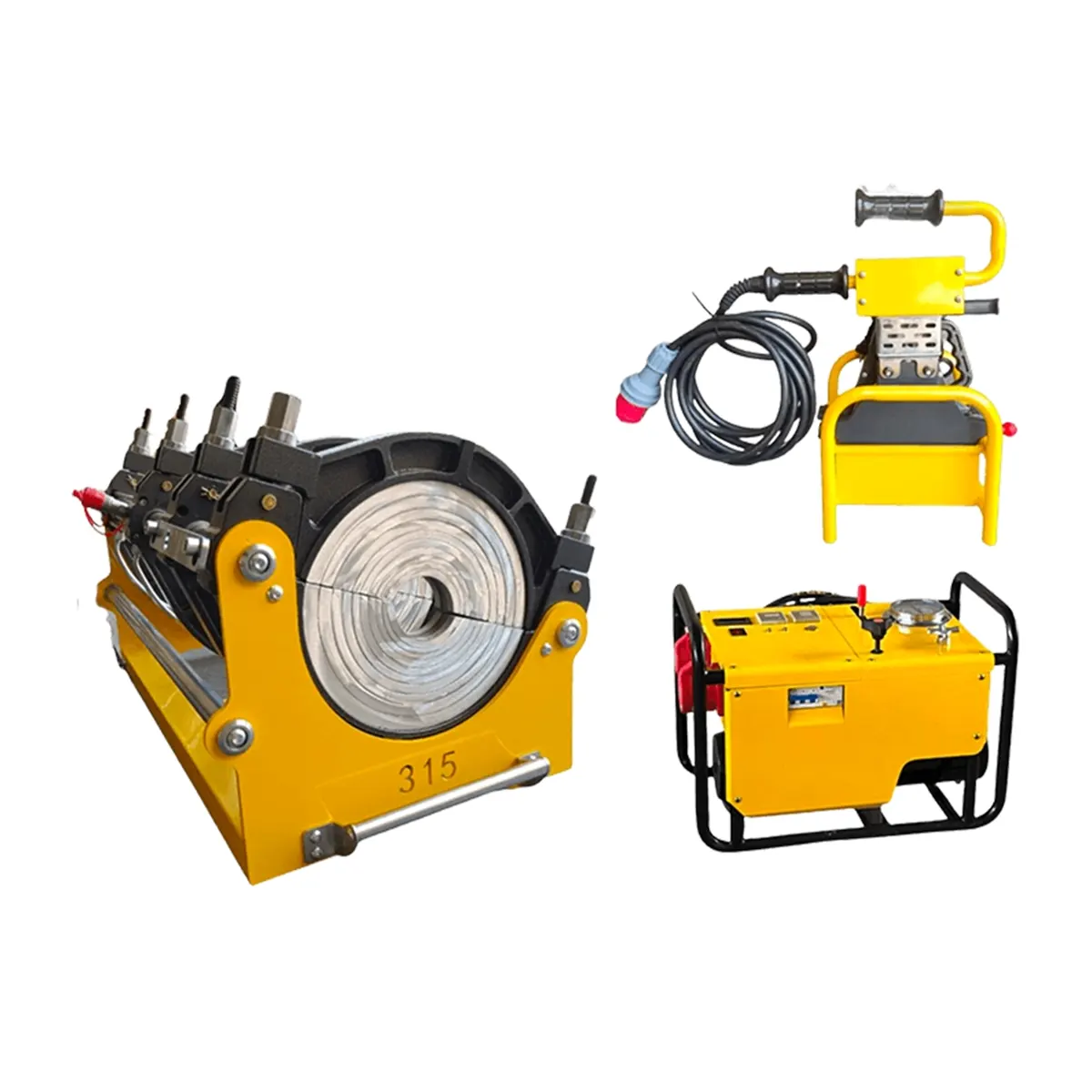
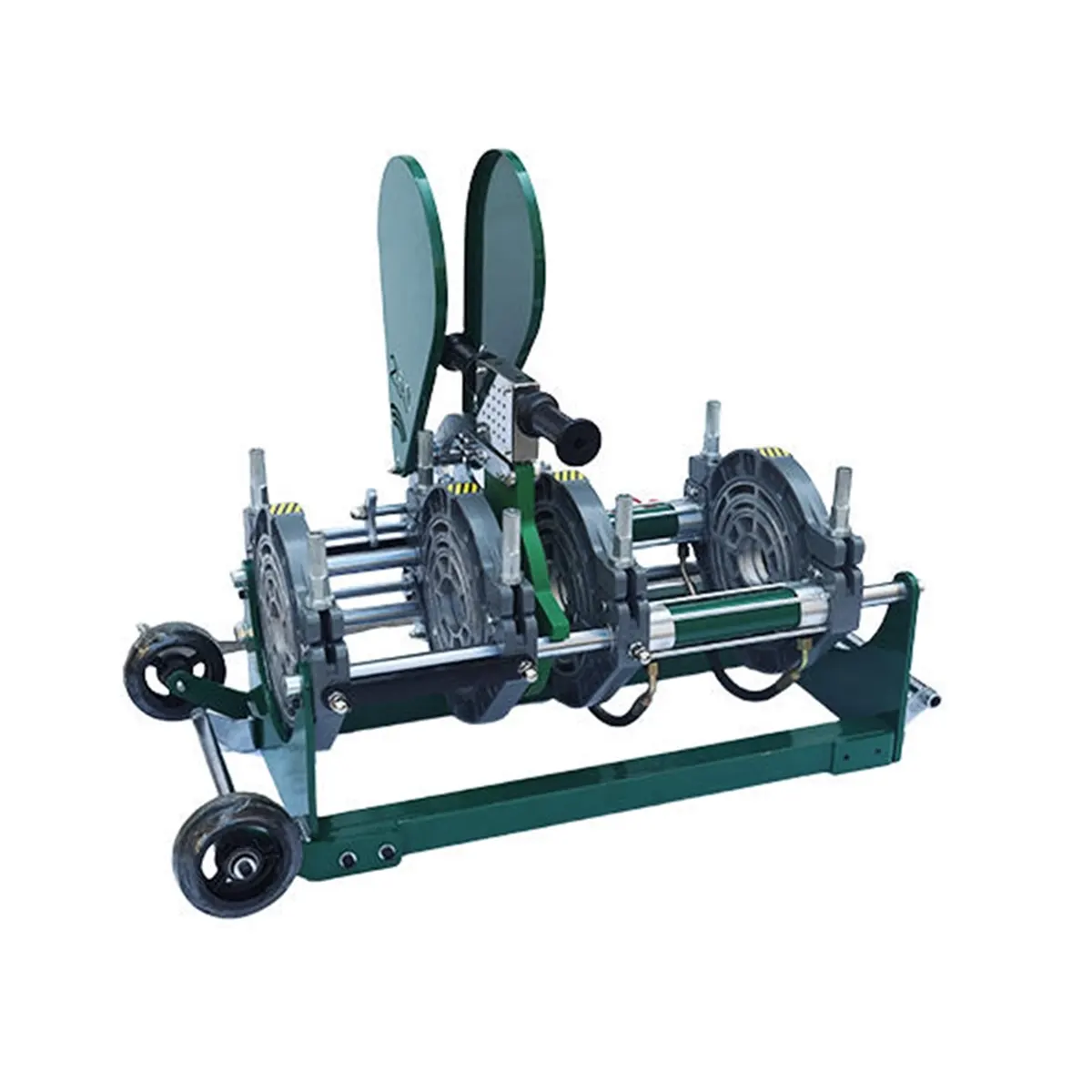
Selecting the right fusion machine depends on pipe diameter, jobsite mobility and operator skill. Common categories used across Moldova include manual units for small-diameter repairs, hydraulic frames for medium and large mains, and CNC/automatic machines for contractor projects requiring high repeatability and data logging.
| Machine Category | Typical Pipe Range | Best Use |
|---|---|---|
| Manual Butt Fusion | 20–110 mm | Small repairs, rural irrigation lines |
| Hydraulic Butt Fusion | 110–1000+ mm | Municipal mains, industrial lines |
| Automatic / CNC Fusion | 63–630 mm (typical) | High-volume construction, consistent quality & reporting |
Meeting Local Standards and Project Demands
Contractors and utilities in Moldova increasingly require traceable weld records, compliance with EN/ISO fusion procedures and equipment that performs in low-temperature conditions. Machines with precise alignment, calibrated heaters and removable data logs help projects qualify for EU-funded upgrades and ensure long-term network performance.
Installation Best Practices for Moldovan Conditions
For stable joints: prepare surfaces carefully, use correct heating and cooling cycles, and avoid welding in heavy rain or when pipe temperatures are very low without preheating. In rural Moldova, portable fusion rigs and on-site training for municipal teams or contractor crews maximize uptime and reduce rework costs.
Maintenance, Training and Support
Routine maintenance—calibrating heaters, inspecting clamps and checking hydraulic systems—keeps fusion machines reliable. On-site training sessions and clear fusion procedure documentation empower local crews to produce consistent, certified welds across seasons.
Choosing the Right Supplier
When sourcing fusion equipment in Moldova, evaluate availability of spare parts, service response time and options for customization to match pipe diameters and job types. One experienced manufacturer offering a full range of manual, hydraulic and automatic butt-fusion machines and responsive global service is JQ-Fusion.
How Projects Benefit
Investing in the right fusion equipment reduces leaks and excavation frequency, lowers lifecycle costs and simplifies future network expansions. For municipalities, agricultural cooperatives and private contractors across Moldova, the result is more resilient infrastructure and better protection against weather- and soil-related damage.
To move forward, assess pipe sizes, expected project scale and reporting needs, then choose the machine category that balances portability, capacity and automation. Proper training and maintenance will ensure fusion quality and long-term network performance.



