
High-performance HDPE pipe fusion machines are essential for contractors, utilities, and engineers who demand durable, leak-free pipeline joints. This article explains how modern butt fusion solutions improve project efficiency, safety, and long-term pipeline integrity — and how to choose the right equipment for water, gas, mining, and industrial pipeline works.
Why HDPE Fusion Machines Matter for Professional Projects
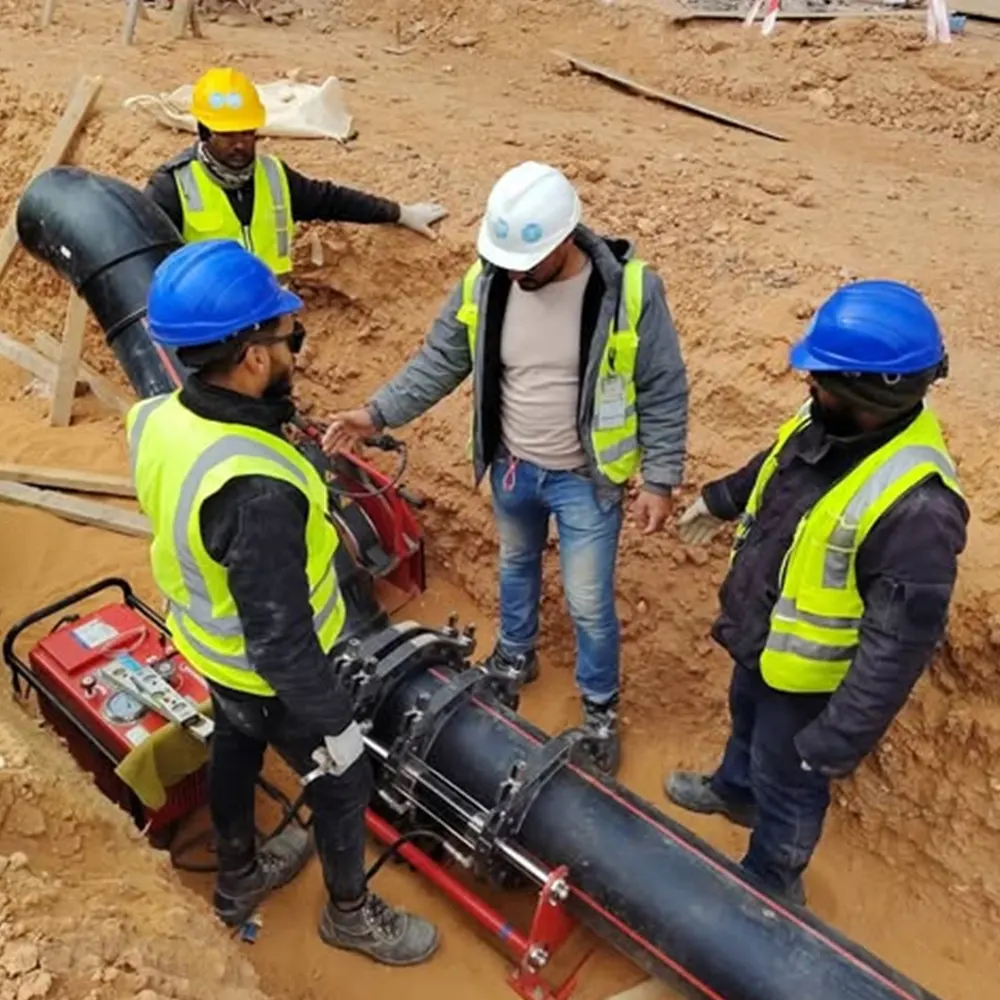
Butt fusion welding creates homogeneous joints that match the mechanical strength and chemical resistance of HDPE pipe. For utilities and construction teams, this means fewer leaks, lower maintenance costs, and faster commissioning. Modern fusion machines support consistency across every weld, especially when combining manual skill with hydraulic accuracy or CNC automation.
Key Benefits for Field and Plant Teams
Improved joint quality: Precise alignment, controlled heating, and repeatable cooling cycles reduce weak points. Operational efficiency: Hydraulic and automatic models speed up repetitive work. Versatility: Available for small-diameter service lines to multi-meter large-diameter mains.
Common Applications
HDPE fusion machines are widely used in:
– Water supply and sanitation networks
– Gas distribution and transmission
– Mining slurry and tailings pipelines
– Industrial process piping and chemical transport
Selecting the Right Machine: Manual, Hydraulic or Automatic
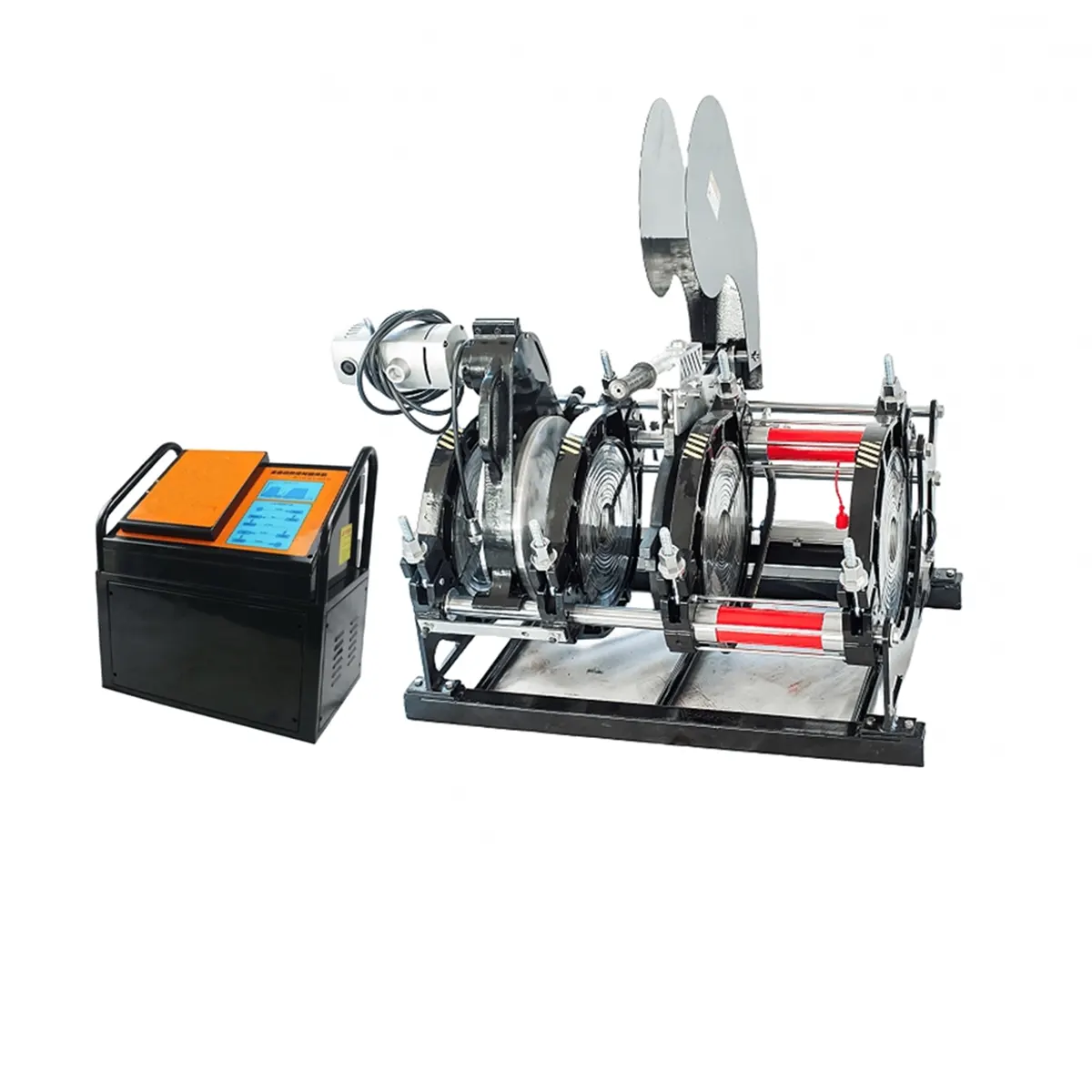
Choosing the appropriate fusion equipment depends on pipe diameter, jobsite conditions, production targets, and available operator skill. Manual units are portable and cost-effective for small-diameter work. Hydraulic frames provide stronger clamping and are preferred on mid-range projects, while CNC automatic systems deliver the greatest repeatability for large-scale or high-volume fusion lines.
| Machine Type | Pipe Range | Best For |
|---|---|---|
| Manual Butt Fusion | 16mm – 355mm | Site repairs, service connections |
| Hydraulic Butt Fusion | 63mm – 2250mm | Medium to large pipelines, high clamping force |
| CNC Automatic Fusion | 63mm – 2000mm+ | High-volume production, complex projects |
Practical Selection Tips for Project Managers
Assess your project’s throughput needs and environment. For urban waterworks with limited space, compact manual or lightweight hydraulic frames are practical. For long-distance gas mains or municipal projects requiring hundreds of welds, consider automated systems to ensure consistency and speed. Also evaluate spare parts availability, local service support, and compliance with regional welding standards.
Maintenance & Best Practices
Routine checks extend equipment life and preserve weld quality: keep heating plates clean and scratch-free, verify pressure gauges and hydraulic hoses, calibrate alignment systems, and replace worn tooling. Document welding parameters (temperature, pressure, time, and bead formation) per joint to meet quality control and regulatory requirements.
Safety and Training
Operators should receive hands-on fusion training and safety instruction. Key topics include proper clamping procedures, heat plate handling, avoiding thermal burns, and managing heavy components safely. Well-trained crews reduce rework and improve on-time delivery.
Why Trusted Manufacturing Matters
Reliable fabrication, strict quality control, and responsive after-sales support are vital when purchasing fusion machines. High-quality machines minimize downtime on critical infrastructure projects and provide predictable lifecycle costs.
Ready to upgrade your fusion equipment? Learn more about professional butt fusion solutions at JQ-Fusion.



