
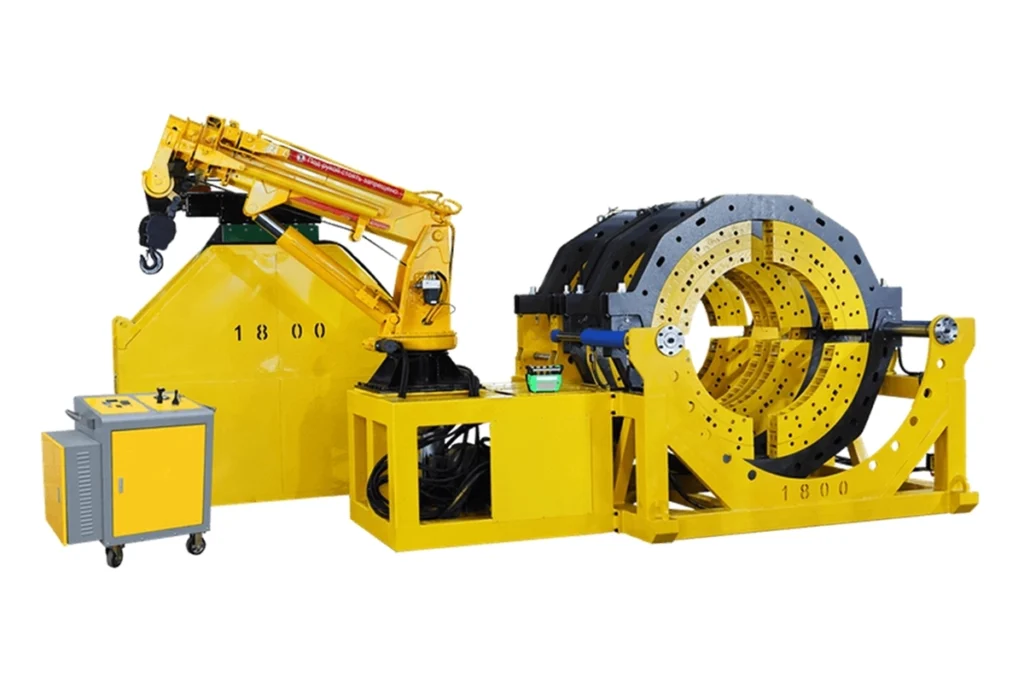
Butt fusion welding machines are essential tools for joining HDPE pipes in pipeline construction projects. This guide covers safe, efficient operation and practical tips to produce consistent, leak-free joints on-site. Follow these steps to reduce rework, improve productivity, and extend the life of your equipment.
Why Butt Fusion Welding Machines Matter in Pipeline Construction
Butt fusion creates strong, homogeneous joints without fittings, making it ideal for water supply, gas distribution, and industrial pipelines. Proper operation ensures consistent tensile strength, chemical resistance, and reduced maintenance over the lifetime of the pipeline.
Before You Start: Inspection & Site Preparation
1. Equipment check: Verify clamps, heating plate, trimming tool, and hydraulic systems are clean and functioning. Check the machine for visible wear and hydraulic oil level.
2. Pipe preparation: Ensure pipe ends are clean, square, and free of contaminants. Use the trimmer to remove burrs and ensure correct alignment.
3. Environmental considerations: Choose a stable, sheltered area if possible. Wind, dust, and extreme temperatures affect heating time and joint quality — compensate per the pipe material guidelines.
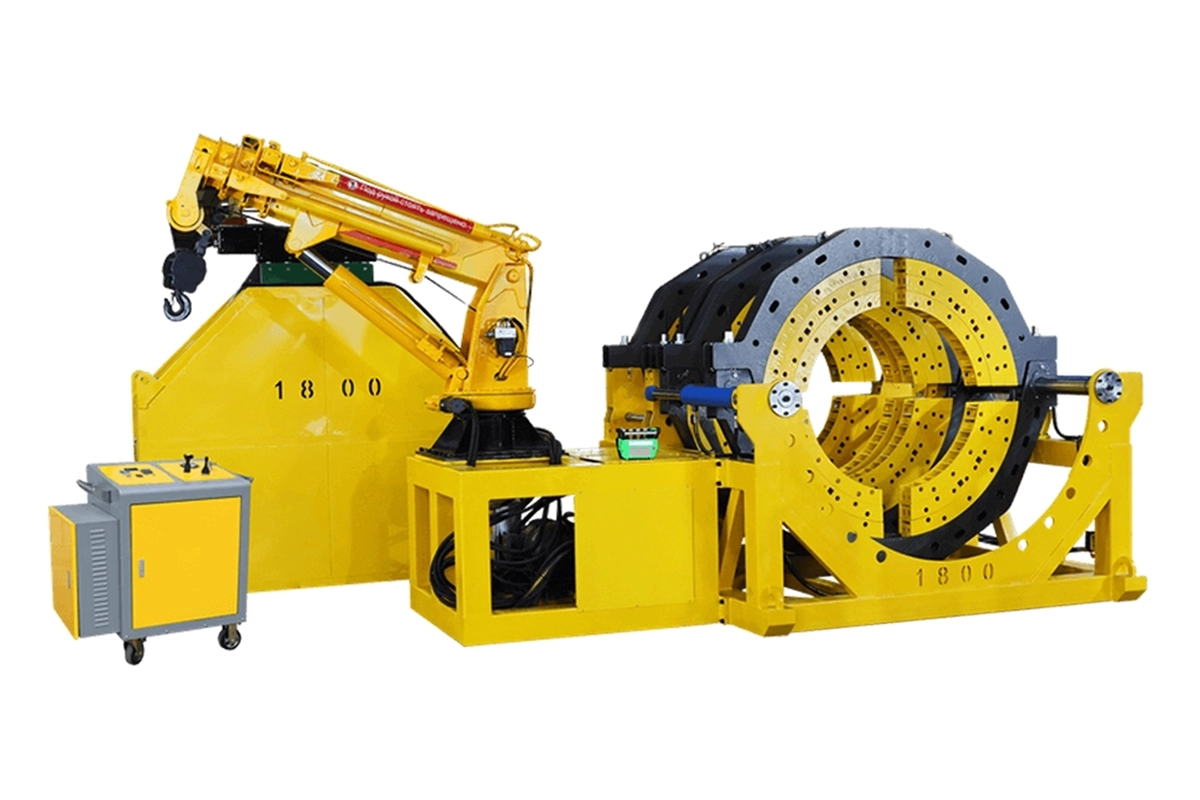
Step-by-Step Operation Guide
Step 1 — Align and Clamp
Position the pipe ends in the machine clamps. Use alignment tools and ensure a consistent gap control. Proper alignment prevents eccentricity and ensures even heat distribution.
Step 2 — Facing (Trimming)
Face both pipe ends with the trimmer until the surfaces are clean and parallel. Remove flash and verify the faces meet the recommended tolerance for your pipe diameter.
Step 3 — Heating
Place the heating plate between the pipe ends and apply the correct fusion pressure. Follow the recommended heating time and temperature for the pipe material and diameter — excessive heat causes melt-back, while insufficient heat causes weak joints.
Step 4 — Fusion and Cooling
After heating, remove the plate, press the pipe ends together under controlled pressure, and maintain the joint until it cools to the specified temperature. Cooling under pressure is critical to achieve full molecular diffusion.
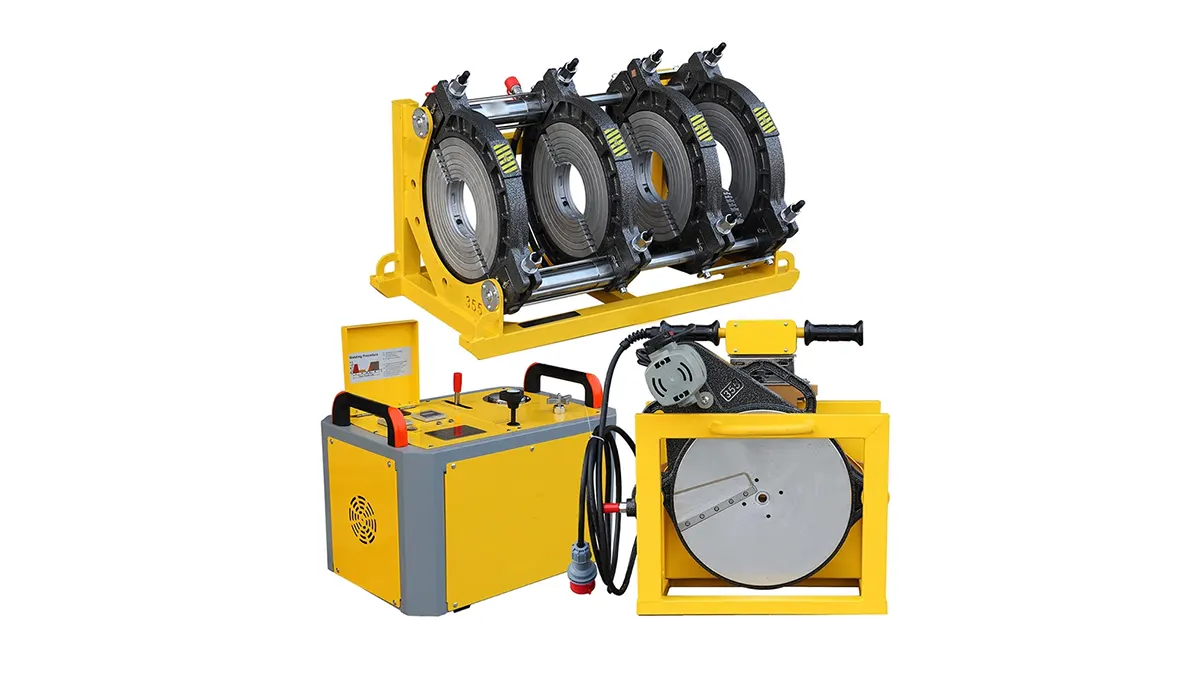
Safety Best Practices
Operator safety and weld quality go hand in hand. Always follow PPE and safe handling rules.
Mandatory PPE: Heat-resistant gloves, safety goggles, protective footwear, and hearing protection if using pneumatic or hydraulic power packs.
Work area safety: Keep the workspace clear of flammable materials. Ensure stable ground and adequate lighting. Use lifting aids for heavy pipes to prevent strain injuries.
| Item | Recommended Action | Interval |
|---|---|---|
| Hydraulic oil | Check level & top-up; inspect for leaks | Daily before shift |
| Heating plate | Clean surface, inspect for damage | Before each weld |
| Clamps & jaws | Inspect alignment and wear | Weekly or after heavy use |
Common Troubleshooting Tips
Soft or hollow bead: Often caused by low heating temperature or insufficient heating time. Verify plate temperature and repeat process if necessary.
Flash mismatch or excessive flash: Check alignment and facing; adjust fusion pressure and ensure proper heating time.
Misalignment after fusion: Confirm clamping and alignment fixtures, and ensure pipe ends are properly faced and centered before heating.
Maintenance & Storage
After each use, clean the heating plate and clamps. Store the machine in a dry, covered area to prevent corrosion. Replace worn parts promptly to maintain joint quality and safety.
When to Contact the Manufacturer
If hydraulic issues, electrical faults, or structural damage are detected that you cannot safely repair on-site, contact the machine manufacturer for technical support, spare parts, or authorized service.
Company info: JQ-Fusion — https://jq-fusionwelding.com/



