
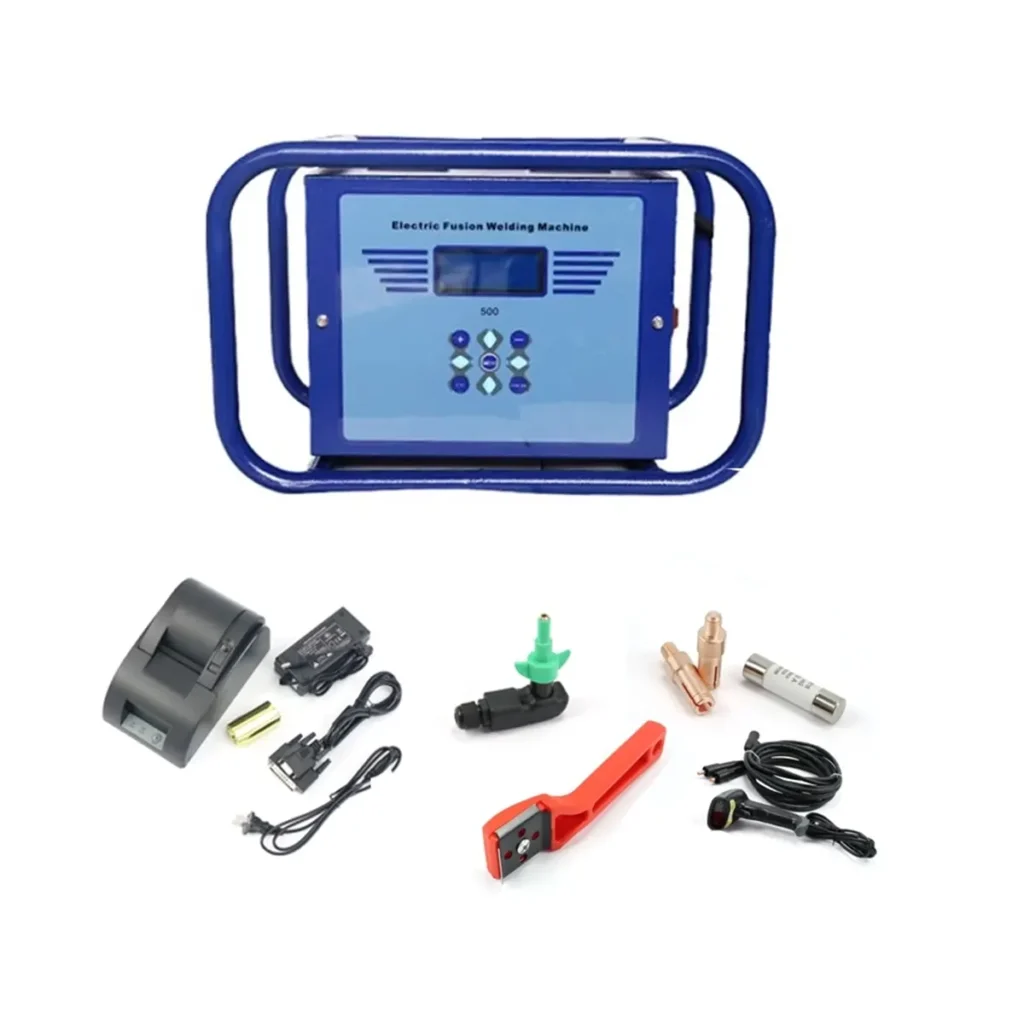
Electrofusion welding is the industry standard for joining PE (polyethylene) pipes in water, gas, and industrial networks. When performed correctly, electrofusion creates reliable, leak-free joints that match the pipe’s strength. This guide explains how to use a PE pipe electrofusion welding machine properly, from preparation to inspection, with practical tips for field technicians and contractors.
What Is Electrofusion and When to Use It
Electrofusion uses specially designed fittings with embedded heating coils. The welding machine supplies current to the coil, melting the fitting and pipe surfaces to form a permanent fusion. Choose electrofusion when working with complex joints, repairs, or installations in confined areas where butt fusion isn’t practical.
Pre-Weld Preparation: Key Checks
Materials and Environment
Confirm pipe material (HDPE grade), fitting compatibility, and ambient conditions. Clean, dry surfaces and stable ambient temperatures improve consistency. Avoid welding in heavy rain or extremely cold conditions unless proper shelter and heating are available.
Tools and Machine Setup
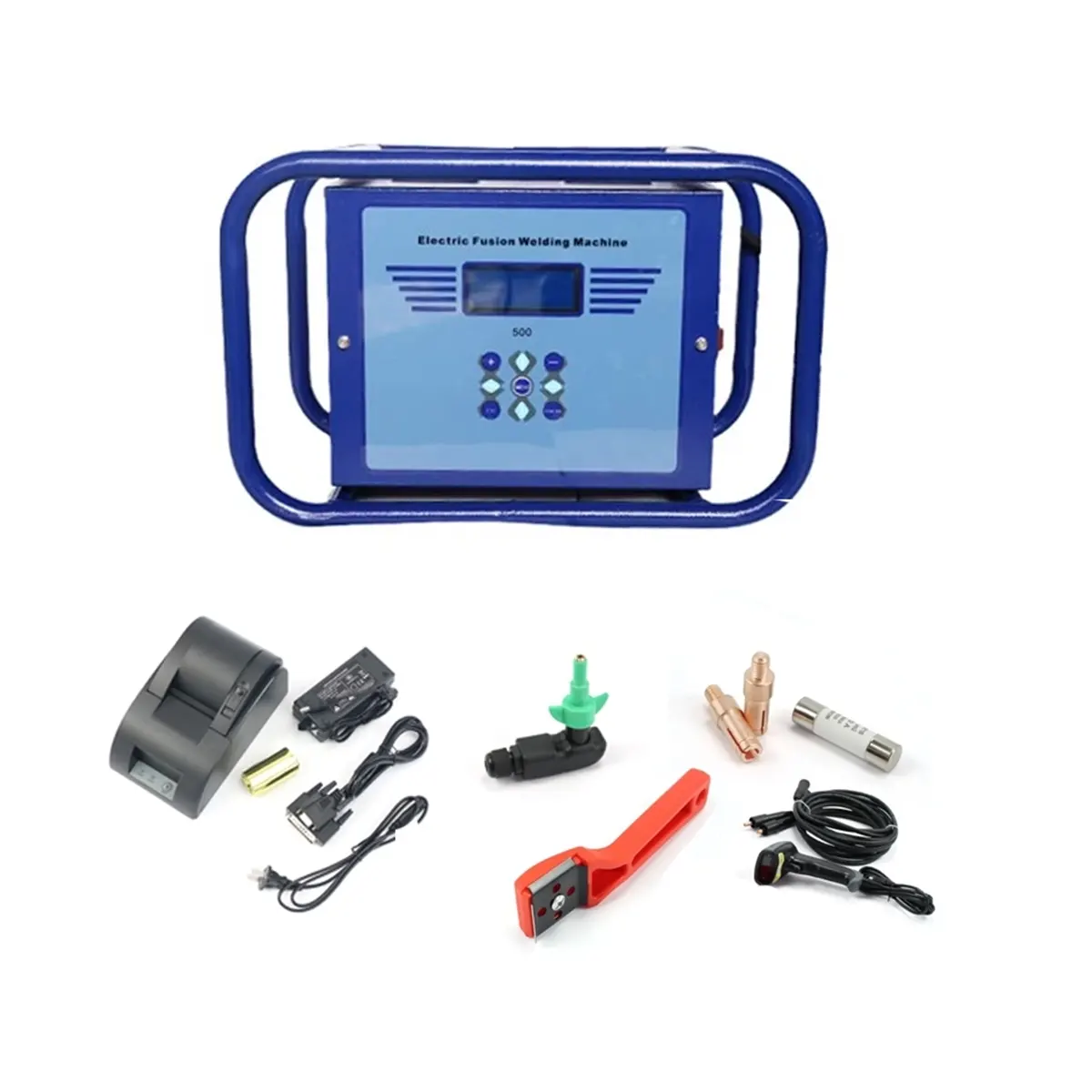
Inspect the electrofusion welding machine, leads, and earthing. Verify the machine firmware or program matches the fitting’s requirements. Make sure the battery or power source is fully charged. Replace any damaged cables or clamps before starting.
Step-by-Step Electrofusion Procedure
1. Preparing the Pipe and Fitting
Cut the pipe end square and deburr. Use an appropriate scraper to remove oxidized PE layers and dirt—scrape evenly around the socket depth indicated on the fitting. Clean the scraped surfaces with isopropyl alcohol or manufacturer-recommended cleaner, then let dry.
2. Assembly and Alignment
Insert the pipe into the fitting to the required depth and maintain correct alignment. Use clamps or a support frame if needed to prevent movement during welding. Secure joints firmly to avoid separation under heating.
3. Setting the Machine
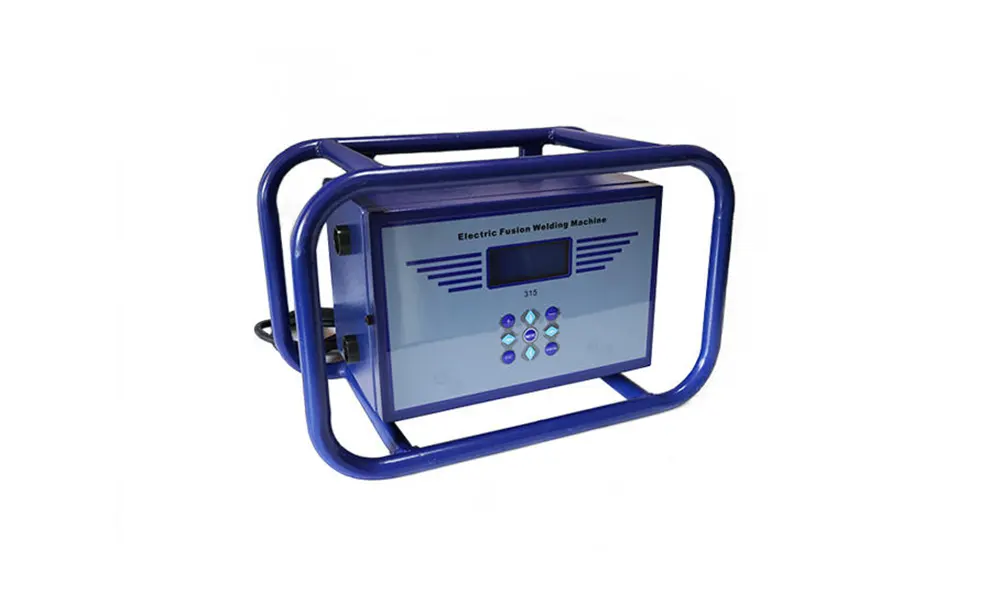
Read the barcode or enter the fitting code on the machine to load the precise fusion program. If manual input is required, use manufacturer tables for voltage and time. Confirm the machine displays the correct program and pre-heat parameters.
4. Welding Cycle
Start the cycle and monitor the machine. Do not disturb the joint while current flows. The machine will run the heating profile automatically. After heating completes, observe the programmed cooling period—do not apply mechanical stress until after cooling.
Quick Reference: Typical Fusion Parameters
| Pipe OD (mm) | Typical Fusion Time (s) | Cooling / Holding Time (min) |
|---|---|---|
| 20–63 | 30–90 | 5–15 |
| 75–160 | 90–240 | 15–30 |
| 180–315 | 240–600 | 30–60 |
Please treat the table as a typical reference—always follow the fitting manufacturer’s data and the welding machine’s programmed instructions for final parameters.
Inspection, Testing and Quality Control
After cooling, visually inspect the joint for uniform bead formation and any signs of voids or misalignment. Perform pressure testing as required by project standards. Record welding data (fitting code, time, operator, ambient conditions) for traceability.
Common Problems and Troubleshooting
Poor Fusion / Incomplete Bead
Causes: contaminated surfaces, incorrect program, interrupted power. Fix: clean and re-scrape, re-run proper program or replace fitting if damaged.
Overheating or Burn Marks
Causes: excessive heating time or too high current. Fix: verify machine settings, check machine calibration, and replace any compromised fittings or pipe sections.
Maintenance and Storage Tips
Keep the welding machine clean and store in a dry, temperature-controlled environment. Inspect leads and connectors regularly. Update machine firmware when manufacturer updates are available and calibrate per recommended intervals.
Safety Best Practices
Always wear PPE: insulated gloves, eye protection, and protective clothing. Avoid touching live connections during welding. Maintain a safe workspace clear of flammable materials, and ensure proper grounding of the machine.
When to Contact Manufacturer Support
If you encounter persistent electrical issues, unexpected error codes, or suspect calibration drift, contact the equipment supplier. For procurement, technical support, or spare parts, refer to JQ-Fusion for service and authorized guidance.
Final Notes
Consistent preparation, following machine programs, and disciplined cooling/holding practices are the foundation of successful electrofusion. Proper training and adherence to manufacturer instructions will deliver durable, long-lasting PE joints for any infrastructure project.



