
As a reliable HDPE jointing machine wholesaler in Sri Lanka, suppliers play a vital role in supporting municipal waterworks, irrigation projects, and infrastructure upgrades across the island. High-performance butt fusion and electrofusion machines deliver leak-free PE pipe joints that withstand tropical climates, heavy monsoons, and coastal corrosion—making them an essential choice for contractors, estate managers, and utility engineers in Sri Lanka.
Why HDPE Butt Fusion Is Ideal for Sri Lankan Projects
Durability in tropical climates: HDPE piping resists chemical corrosion and UV-related degradation when properly installed and protected, which is especially valuable across Sri Lanka’s coastal zones and rainy regions.
Flexibility for varied terrain: Lightweight PE pipes and reliable jointing using butt fusion cope well with hilly tea estates, paddy-field irrigation networks and urban trench installations.
Reduced leakage risk: Heat-fused joints provide continuous, homogenous connections that minimize water loss—critical for municipal water supply projects and rural development schemes.
Product Range & Typical Applications
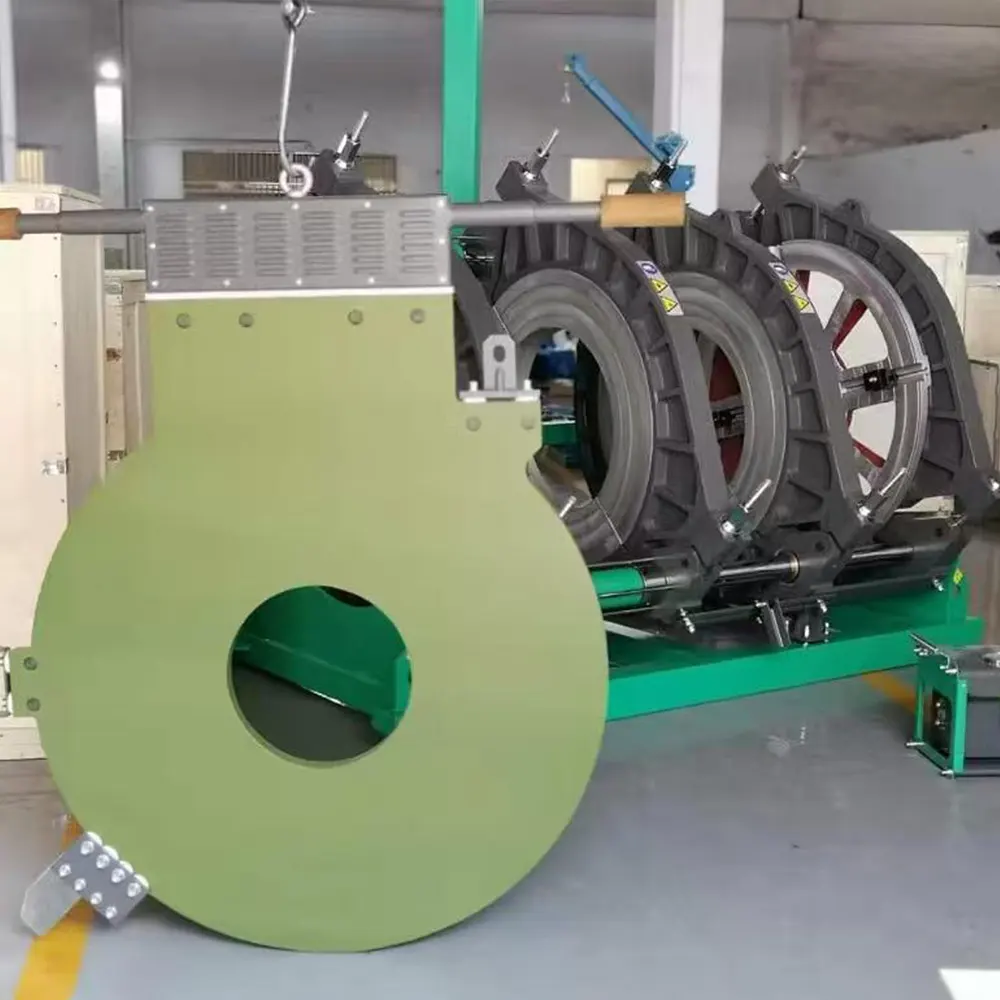
Wholesalers typically stock a mix of manual, hydraulic and automatic butt fusion machines, plus electrofusion units for fittings. Below is a quick reference table to help Sri Lankan buyers match machines to project types.
| Model | Type | Pipe Range (mm) | Best for |
|---|---|---|---|
| JQSY / JQLX series | Manual Butt Fusion | 20–160 mm | Small repairs, rural sites |
| JQH series (Hydraulic) | Hydraulic Butt Fusion | 160–800 mm | Municipal mains, irrigation |
| JQA series | Automatic Butt Fusion | 63–630 mm | Large-volume pipeline contractors |
| JQMA series | Multi-Angle Fittings Machine | 50–315 mm (typical) | Complex fittings and prefabrication |
Key Features Buyers in Sri Lanka Should Prioritize
Proven heating plates and accurate temperature control: Ensure consistent fusion quality for long-lasting joints under humid conditions.
Robust frames and corrosion-resistant components: Machines exposed at coastal sites need durable finishes and well-sealed hydraulics.
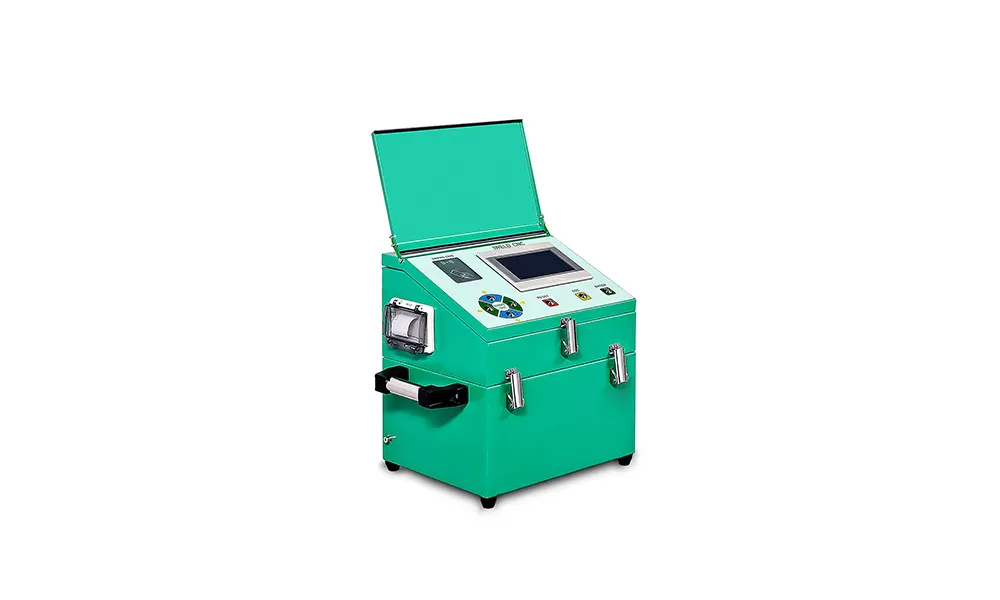
Portability and power flexibility: Compact manual or semi-automatic units with diesel generators or local power compatibility help remote-site operations.
Spare parts & consumables availability: Fast access to heating plates, cutters and seals reduces downtime during peak monsoon seasons.
After-sales Support, Certification & Local Logistics
Training: Look for wholesalers offering on-site operator training and fusion procedure guidance tailored to Sri Lanka’s local workforce.
Certification & standards: Verify compliance with international fusion standards and local SLS or project-specific specs to guarantee acceptance by municipal authorities.
Import & delivery: Colombo Port and efficient customs handling are important—choose suppliers who can coordinate timely shipments and offer local warehousing if needed.
How to Choose the Right Wholesaler
1. Stock depth & model variety: Ensure immediate availability of common models and spare parts to avoid project delays.
2. Technical support & warranty: Confirm warranty terms, technical troubleshooting availability and spare-part lead times in Sri Lanka.
3. Field references: Ask for local or regional project references—real-world performance in similar climate and soil conditions matters most.
For reliable, project-ready HDPE welding equipment, consider a supplier with a wide machine range, responsive support and an established export track record. JQ-Fusion (https://jq-fusionwelding.com/) manufactures manual, hydraulic and automatic butt fusion machines suitable for Sri Lankan infrastructure projects and offers customization, spare parts and training to meet diverse needs.



