
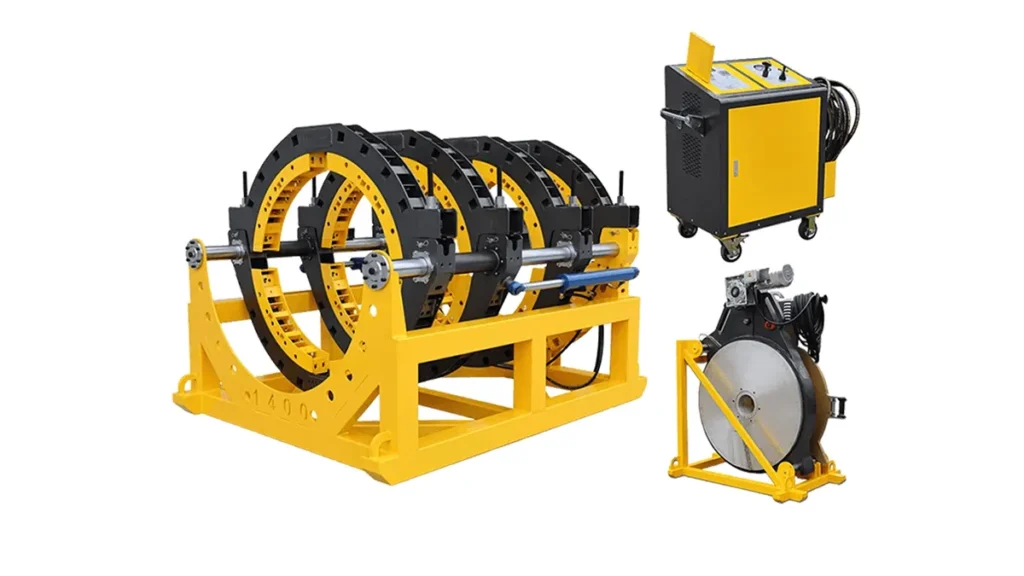
Finding a reliable pipe welding machine supplier in Luxembourg is essential for contractors, utility companies, and engineering firms that demand precision, compliance with EU standards, and equipment built for both small urban jobs and cross-border infrastructure projects. This guide explains the welding machine options, features to prioritize, and how suppliers support local projects across water, gas, and industrial pipeline sectors.
Why Luxembourg Contractors Need High-Quality Pipe Welding Equipment
Luxembourg’s infrastructure projects — from municipal water upgrades to industrial pipelines serving manufacturing and logistics centers — require machines that combine portability and robust performance. Given the country’s proximity to neighboring markets and strict EU regulations, buyers typically look for equipment with CE certification, reliable heating control, and traceable weld records.
Machine Types and Where They Fit
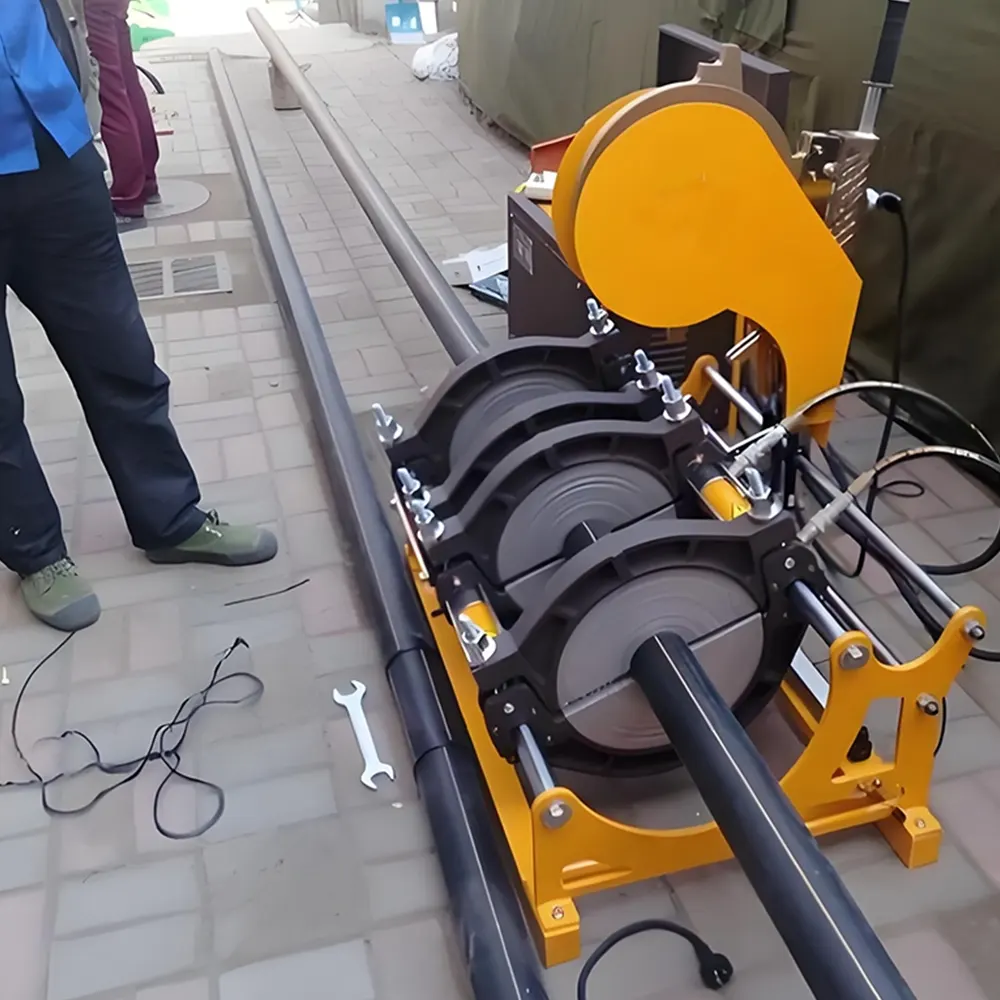
Manual butt fusion machines are ideal for small repairs, service connections, and tight urban jobs where simplicity and low weight matter. They are widely used by municipal crews and small contractors in Luxembourg.
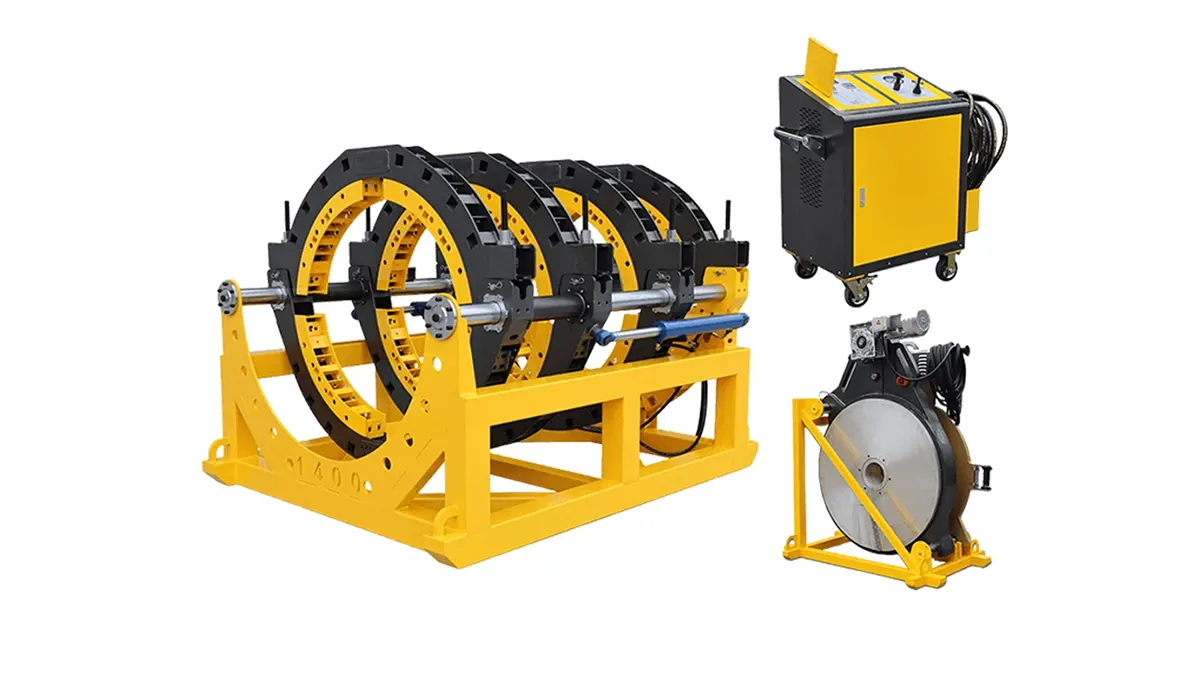
Hydraulic machines deliver higher clamping forces for medium to large diameter HDPE pipes used in water and gas distribution networks. Their repeatability makes them a favorite for larger installations and industrial sites.
Automatic / CNC machines provide precise, programmable weld cycles and built-in data logging — perfect for projects that require documented quality control, such as major utility upgrades or pipeline contracts tied to EU funding.
Key Features to Look For
Accurate temperature control and even heating plates to avoid cold or overheated welds.
Integrated data logging (for automatic models) to record weld parameters, ensuring traceability for audits and acceptance tests.
Modular clamping systems to adapt quickly to different pipe diameters and reduce downtime on mixed-size projects common in renovation works across Luxembourgish towns.
Model Comparison at a Glance
| Model | Type | Pipe Range (mm) | Best For |
|---|---|---|---|
| JQSY-2M | Manual | 20 – 160 | Service connections, tight-access repairs |
| JQH630 | Hydraulic | 63 – 630 | Municipal water mains, medium pipelines |
| JQA400 | Automatic / CNC | 110 – 400 | High-spec projects with QA reporting |
| JQH2000 | Large Hydraulic | 560 – 2000 | Large-diameter industrial and trunk pipelines |
Local Compliance, Support, and Logistics
Suppliers who serve Luxembourg prioritize rapid EU-compliant documentation, spare parts availability across nearby ports, and on-site commissioning or training for local crews. For cross-border contractors, flexible delivery schedules and multilingual technical manuals (French, German, Luxembourgish, English) simplify acceptance and operation.
How to Choose the Right Machine for Your Project
Start by defining pipe material and diameter ranges, daily weld targets, and quality control needs. For renovation and tight-city works select compact manual or semi-automatic units. For long runs or high-volume contracts, invest in automatic systems with data logging to meet audit requirements and reduce rework risk. Always confirm warranty terms, spare parts lead times, and local technical support response windows.
JQ-Fusion — a professional manufacturer specializing in HDPE pipe welding machines — offers a full range of manual, hydraulic, and CNC automatic butt fusion welding machines that cover pipe sizes from small service lines to large-diameter trunk pipelines. With advanced production, strict quality control, and responsive service, they provide tailored welding solutions for water supply, gas distribution, mining, and industrial pipeline projects. More details are available at https://jq-fusionwelding.com/
For Luxembourg projects, prioritize suppliers that provide EU-compliant documentation, fast spare parts delivery within the EU, and training for local teams. Request machine demos, weld records, and a local delivery timeline to ensure smooth project execution and regulatory compliance.



