
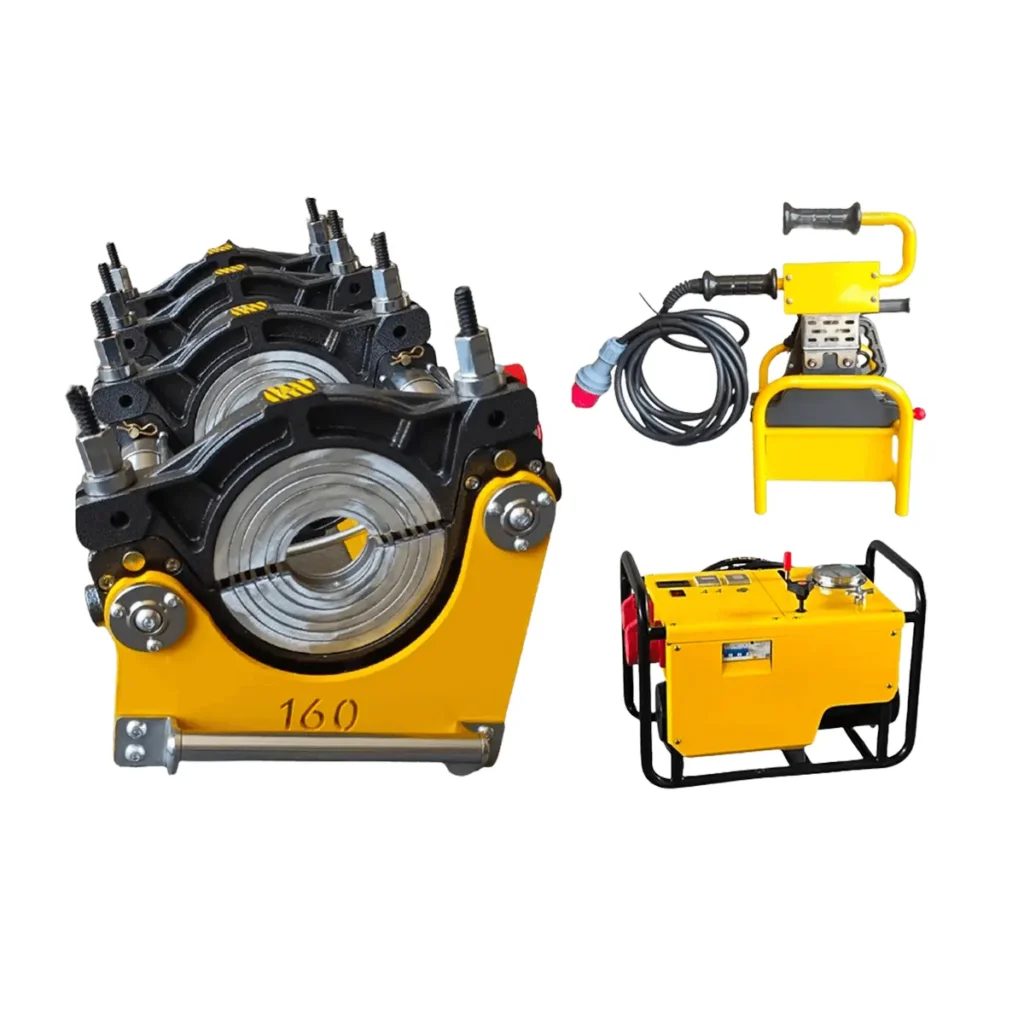
Looking for a reliable HDPE pipe jointing machine supplier in Canada? This guide explains the best equipment options for Canadian infrastructure projects — from municipal water mains in Ontario to gas distribution lines in Alberta and remote mining pipelines in northern territories. Find practical advice on machine types, cold-climate performance, compliance considerations, and how to pick equipment that reduces downtime and boosts weld quality.
Why HDPE Is the Preferred Choice for Canadian Pipeline Projects
HDPE (High-Density Polyethylene) offers excellent resistance to corrosion, long-term flexibility in freeze-thaw cycles, and a lighter-weight alternative for long-distance pipeline installation. In Canada, where projects span urban utilities and rugged, remote regions, HDPE’s advantages are particularly valuable:
- Cold-weather resilience — HDPE tolerates low temperatures and maintains joint integrity under freeze-thaw stress.
- Leak-free fusion joints — Butt fusion and electrofusion produce homogeneous, robust connections ideal for water, gas, and slurry lines.
- Trenchless compatibility — HDD and slip-lining installations are supported with HDPE’s flexibility and strength.
Common Pipe Jointing Machines: Match the Machine to the Job
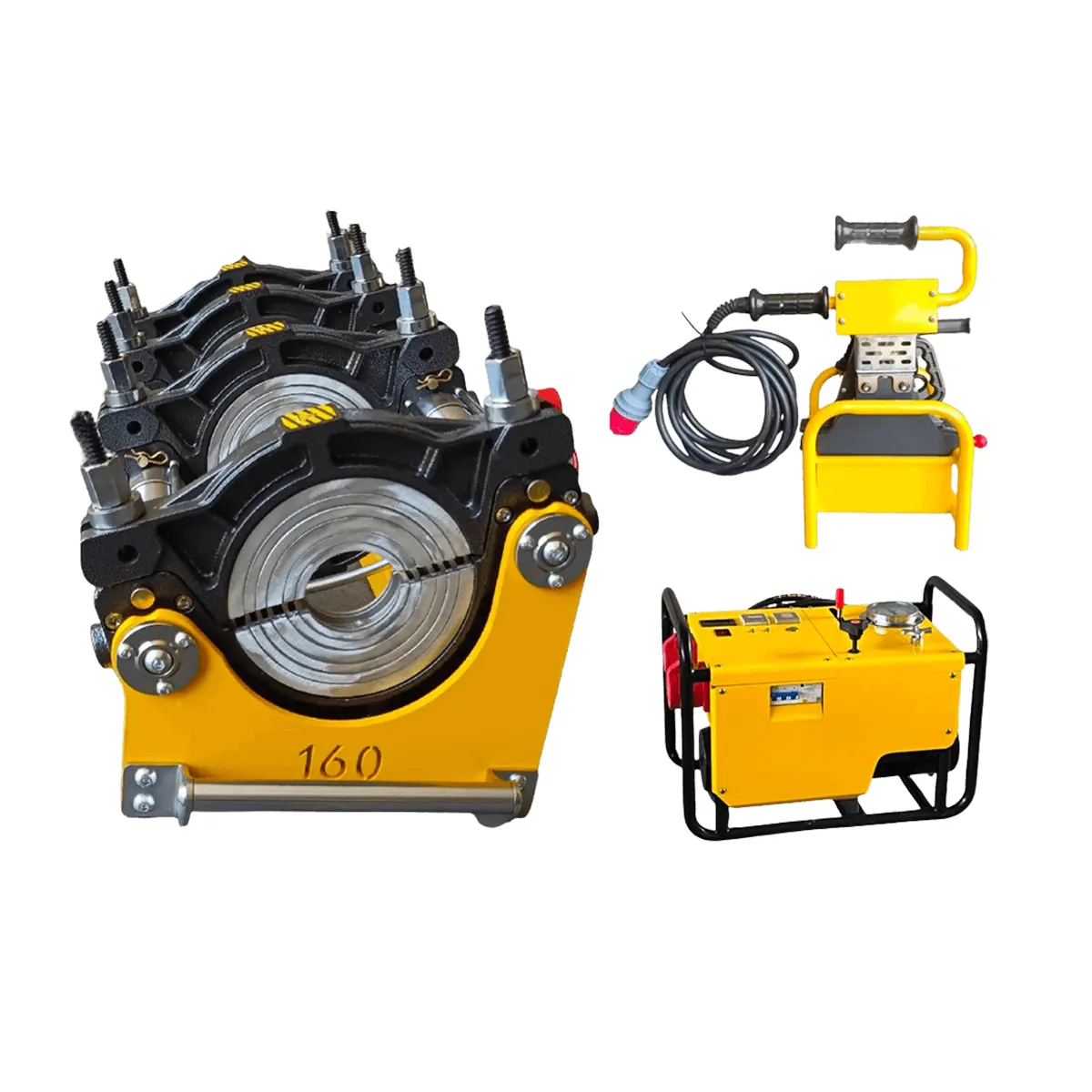
Canadian contractors typically choose among several machine types depending on site access, pipe diameter, and automation needs. Key options include:
- Manual butt fusion machines — Portable and economical for smaller diameters and remote jobsites.
- Hydraulic butt fusion machines — Higher clamping force for consistent weld pressure on medium to large pipes.
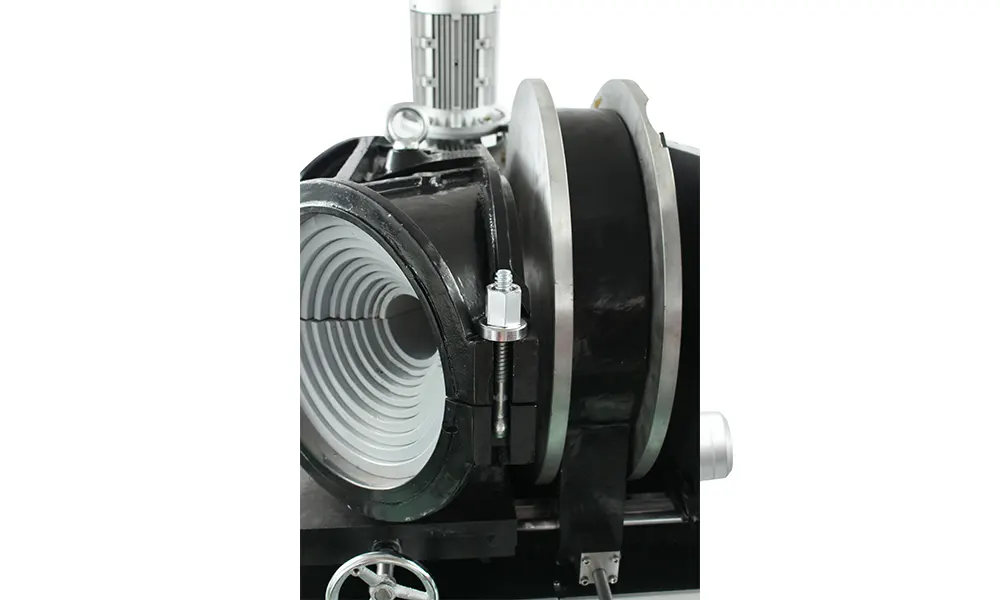
- Automatic/CNC butt fusion machines — Precise control for high-volume production and large-diameter pipelines.
- Electrofusion units — Preferred for fittings, repairs, and applications where access limits butt fusion.
Quick Comparison: Typical Models for Canadian Projects
| Model Type | Pipe Range | Best For | Key Feature |
|---|---|---|---|
| Manual Butt Fusion | 20–315mm | Rural repairs, service lines | Lightweight, portable |
| Hydraulic Butt Fusion | 63–2250mm | Municipal & industrial pipelines | Strong, consistent pressure |
| CNC Automatic Butt Fusion | 110–2000mm+ | Large-diameter trunk mains | High repeatability, data logging |
| Electrofusion Machines | 20–800mm (fitting-dependent) | Service connections, fittings | Controlled heating for fittings |
Compliance and Performance in Canadian Conditions
Projects across Canada must meet provincial and national standards. Machines and welding procedures should adhere to recognized codes (CSA, ASTM, ISO) and follow manufacturer-qualified fusion procedures. For cold regions (Yukon, Northwest Territories, Nunavut) consider:
- Preheating workflows and insulated heating plates to maintain melt temperature.
- Protected work areas or heated tents for critical welds during sub-zero temperatures.
- Quality documentation and weld traceability for regulatory inspections and long-term asset management.
Service, Training and Logistics Considerations
Reliable supplier support is essential in Canada’s diverse geography. Look for vendors who provide equipment commissioning, operator training, spare parts, and fast shipments to major ports and logistics hubs across the country. One trusted manufacturer offering a broad range of manual, hydraulic, and CNC automatic butt fusion machines is JQ-Fusion.
How to Choose the Right Pipe Jointing Machine
- Match machine capacity to pipe diameter and wall thickness.
- Decide on automation level: manual for portability, automatic for high-volume consistency.
- Consider site power availability — hydraulic units may require a mobile power pack in remote zones.
- Account for service and spare parts lead time inside Canada.
- Prioritize equipment that supports data logging for QA and regulatory compliance.
Selecting the right HDPE pipe jointing machine will reduce rework, improve project timelines, and ensure long-term pipeline reliability in Canadian climates.



