
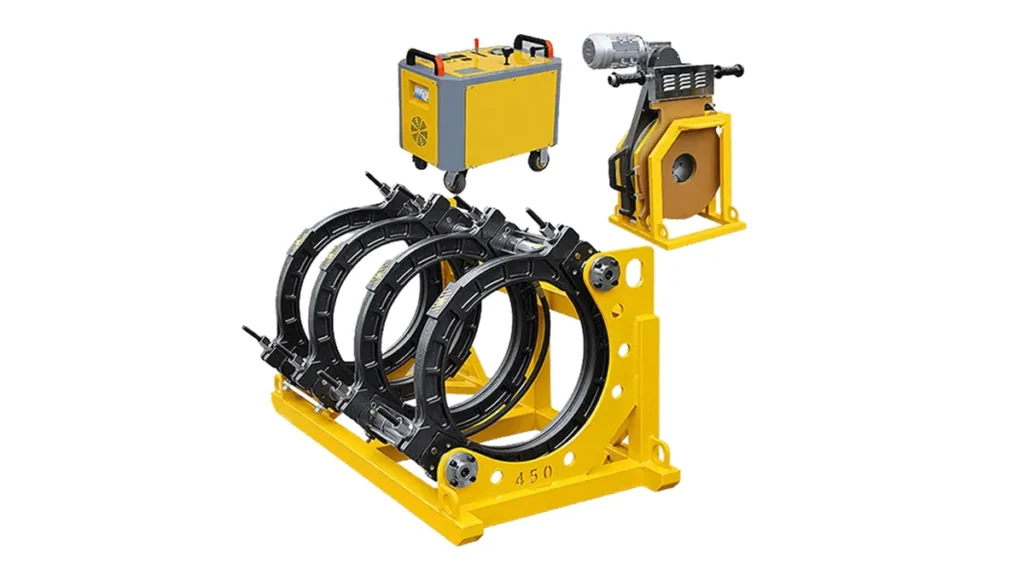
Kenya’s growing infrastructure and construction sectors need reliable pipe welding solutions for water supply, gas distribution, irrigation and industrial projects. Choosing the right pipe welding equipment ensures durable HDPE pipeline joints, faster installation, and lower lifecycle costs for contractors, municipal works teams, and rural water projects across Nairobi, Mombasa and upcountry sites.
Why Kenyan Projects Rely on Butt Fusion Welding
Butt fusion is the preferred method for joining HDPE pipes in Kenya because it produces homogeneous, leak-free joints that stand up to demanding environments. For developers and contractors working on municipal water networks, agricultural irrigation schemes and gas distribution, these benefits translate into long-term reliability and reduced maintenance.
Key advantages: consistent joint strength, suitability for large-diameter pipes, minimal field consumables, and ease of qualification for on-site technicians.
Machine Types & Best Uses for Kenyan Conditions
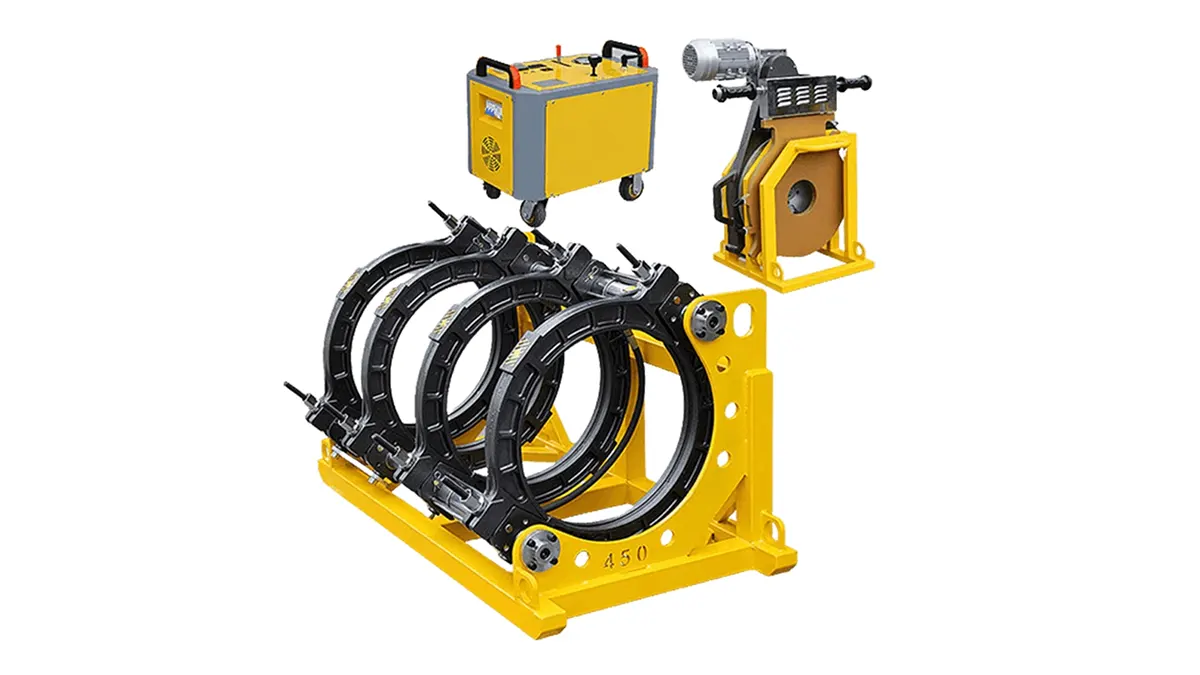
Selecting equipment depends on pipe diameter, site accessibility and production demands. Portable manual units are ideal for remote rural installations and small repair jobs. Hydraulic frames suit medium to large pipelines for municipal and industrial tasks, while CNC automatic machines deliver repeatable welds for large projects and contractor yards.
| Model | Type | Pipe Range (mm) | Best For |
|---|---|---|---|
| JQSY-2M / JQLX-2M | Manual | 20–315 | Rural repairs, small networks |
| JQH450 / JQH630 | Hydraulic | 160–1200 | Municipal pipelines, industrial sites |
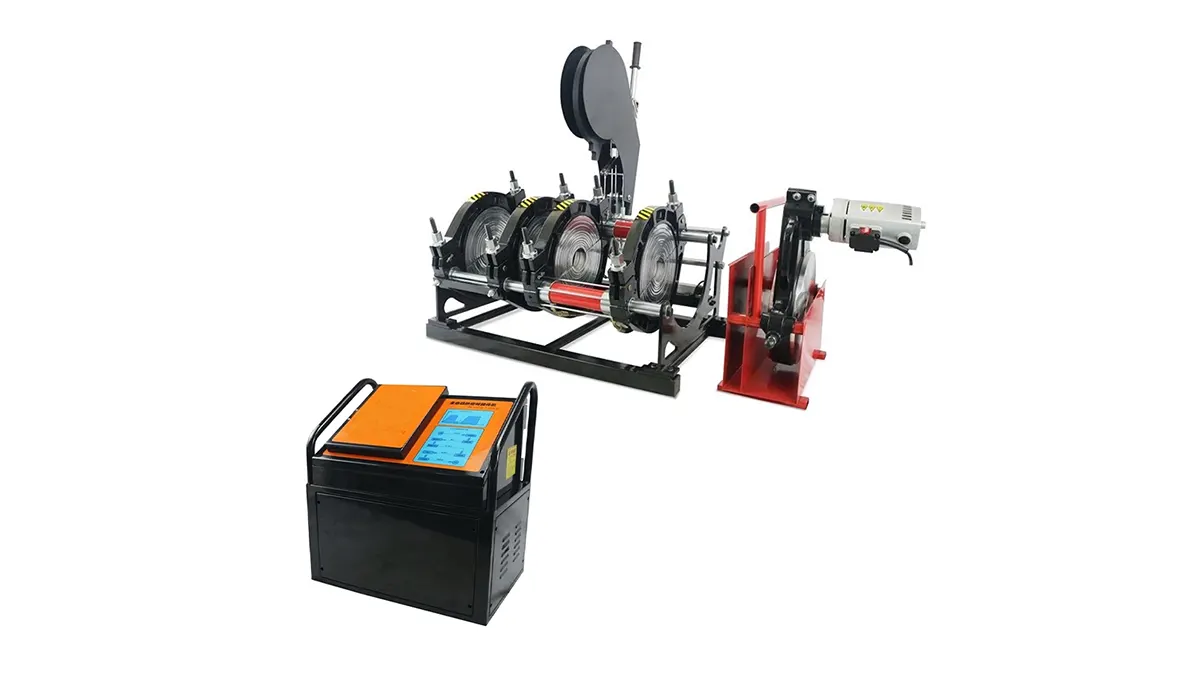
| JQA250 / JQA400 | CNC Automatic | 90–800 | High-volume contractor yards |
Choosing the Right Machine — Practical Factors for Kenya
Pipe size and pressure class: Confirm SDR and diameter used in the project. Site mobility: Portable manual welders are easier for remote locations; hydraulic and automatic units suit established sites. Power & fuel access: Consider diesel generators or mains power availability on Kenyan sites. Training and certification: Invest in operator training to meet quality standards and avoid costly rework.
Maintenance, Spare Parts & Local Support
Minimizing downtime is essential on tight schedules. Keep a kit of common spare parts (heating elements, pressure seals, clamps) and a reliable maintenance plan. For Kenyan contractors, fast customs clearance and responsive logistics reduce lead times — and onsite training for technicians boosts weld consistency and safety.
Trusted Supply & Project Compatibility
For reliable butt fusion welding solutions tailored to Kenyan infrastructure and construction needs, consider equipment that balances portability, robustness and precision. JQ-Fusion offers a broad range of manual, hydraulic and CNC automatic butt fusion machines designed for global pipeline projects, with options suitable for municipal waterworks, irrigation and industrial installations.
To review technical specifications, lead times and customization options, visit https://jq-fusionwelding.com/ for detailed product pages and contact information.



