
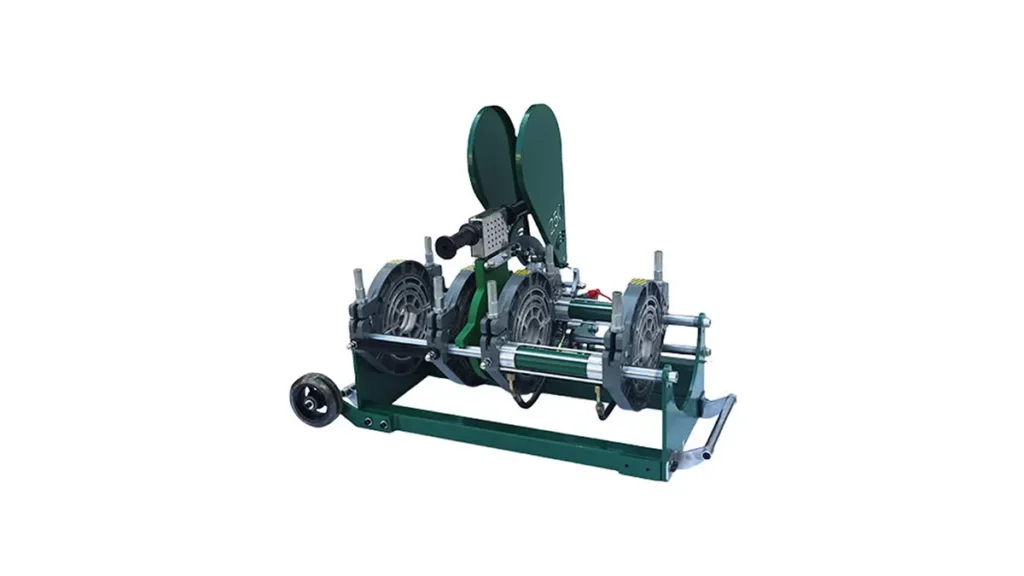
Yemen’s infrastructure projects — from rural water supply and agricultural irrigation to urban pipeline rehabilitation — increasingly rely on high-quality HDPE pipe welding equipment. Reliable butt fusion and electrofusion machines ensure leak-free joints, long-term performance, and efficient installation in harsh environments.
Why HDPE Pipe Welding Is Critical for Yemen
HDPE (High-Density Polyethylene) pipelines are favored in Yemen for their corrosion resistance, flexibility, and suitability for groundwater and irrigation systems. Given Yemen’s water scarcity and the need to restore and expand water networks after years of underinvestment, durable welding solutions are essential to prevent costly leaks and ensure continuity of service in remote and urban areas alike.
Types of Welding Machines and When to Use Them
Contractors and municipal teams in Yemen typically choose between manual, hydraulic, automatic butt fusion, and electrofusion machines depending on project scale and site conditions:
Common machine categories
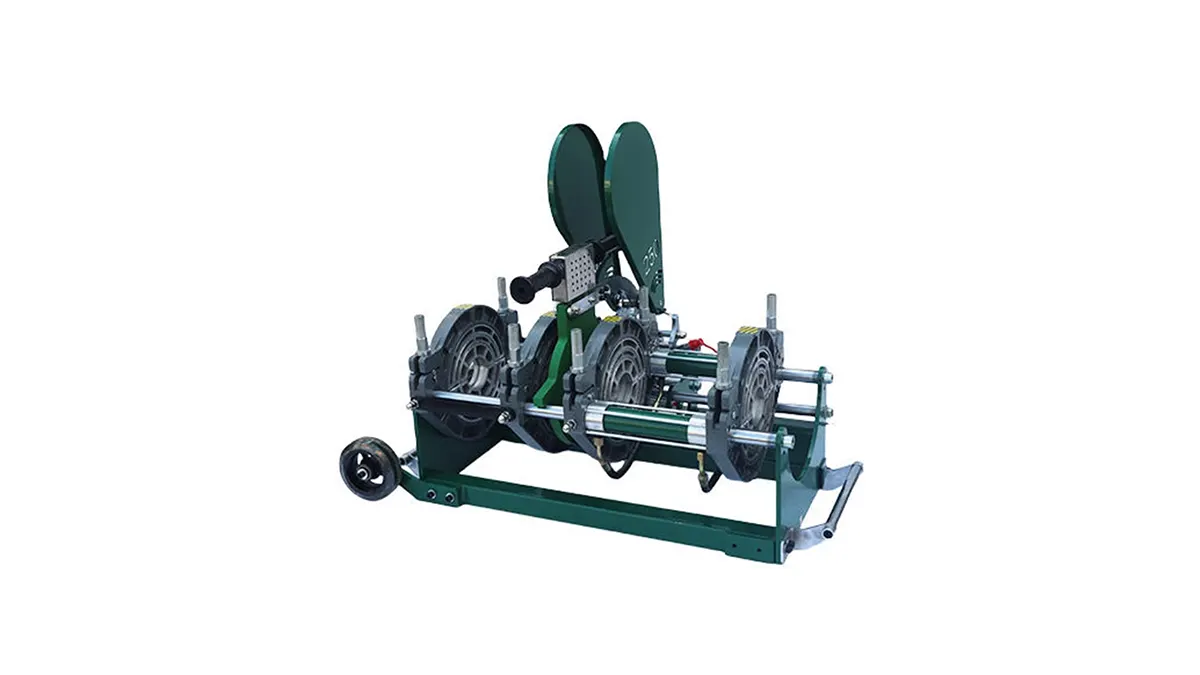
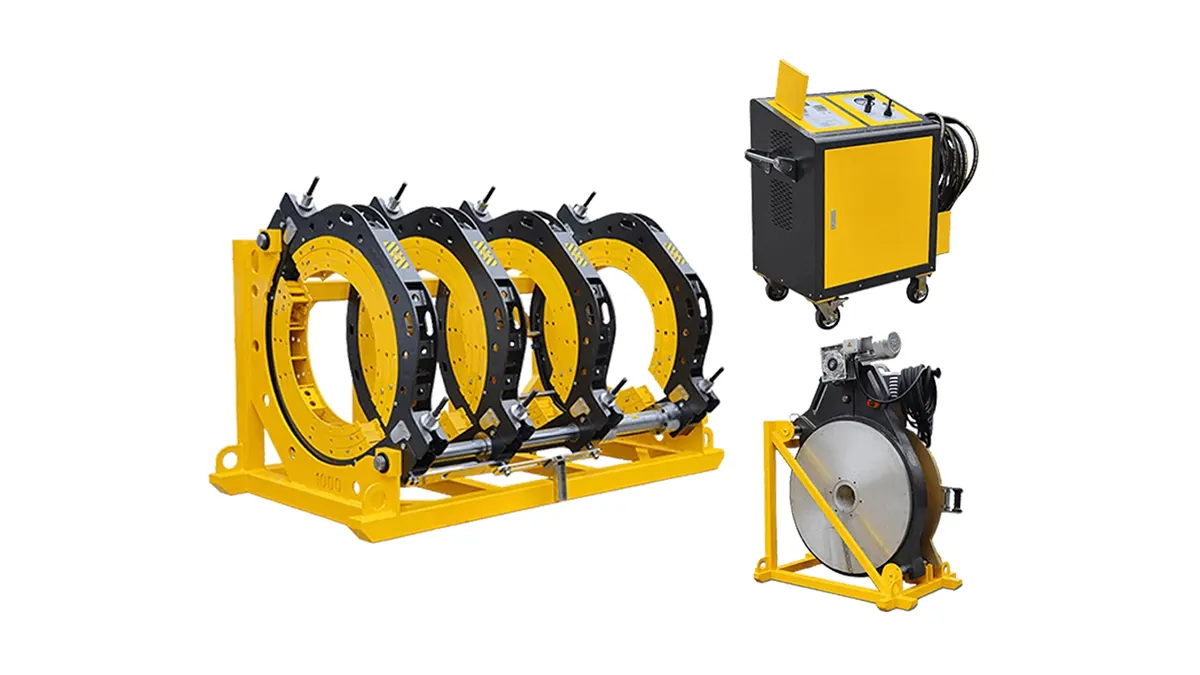
Manual butt fusion — lightweight and portable for small-diameter pipes and field repairs. Hydraulic butt fusion — ideal for medium to large diameters with consistent pressure control. Automatic CNC butt fusion — for large-scale pipeline projects requiring precise, repeatable weld cycles. Electrofusion — used for fittings and connections when mechanical access is limited.
Quick Comparison — Choose the Right Machine
| Machine Type | Pipe Range (mm) | Best For | Key Benefit |
|---|---|---|---|
| Manual Butt Fusion | 20 – 160 | Small repairs, rural sites | Affordable & portable |
| Hydraulic Butt Fusion | 160 – 1000+ | Municipal & industrial lines | High force, reliable pressure |
| Automatic (CNC) Butt Fusion | 90 – 2000 | Large diameter, long runs | Consistent quality, faster cycle |
| Electrofusion | 20 – 630 (fittings) | Service connections, fittings | Good for tight spaces & repairs |
Selecting a Reliable Supplier in Yemen
When sourcing equipment for projects in Yemen, prioritize suppliers who provide:
- Clear spare parts support and export-ready packaging for safe shipment.
- On-site training or remote technical training for local welders and engineers.
- Documentation in English and Arabic where possible to aid local crews and technicians.
- Proven track record for durability in hot, dusty, and coastal environments.
Local challenges to consider
Logistics to Yemeni ports, customs clearance, and reliable transport to inland sites can add complexity. Projects led by NGOs, municipal authorities, or agriculture cooperatives often require flexible delivery schedules and clear warranty terms. Ensure the supplier understands these constraints and offers responsive post-sale service.
Installation & Maintenance Tips for Yemen’s Climate
To extend machine life under high temperatures and frequent dust exposure, implement simple routines: protect electronics with dust covers during transport, use desiccants in storage cases, perform regular hydraulic oil checks, and keep calibrated heaters and trimming tools clean. Training local technicians on basic maintenance helps reduce downtime on remote projects.
Applications That Impact Yemeni Communities
Key projects where welding machines deliver tangible benefits:
- Rural potable water networks — reduce contamination and water loss.
- Irrigation systems for smallholder farms — improve crop reliability.
- Rehabilitation of urban distribution mains — restore municipal supply.
- Industrial and utility pipelines — support gas or fuel lines where applicable.
For procurement inquiries, spare parts, and training packages in Yemen, contact JQ-Fusion for detailed product information and export support.



