
Choosing the right pipe welding machine in Canada means balancing cold‑climate reliability, jobsite mobility, and compliance with local pipeline standards. This guide walks through the best options, must‑have features, and a practical buying checklist for contractors, municipal crews, and utility installers working with HDPE and other thermoplastic pipes across Canadian provinces.
Why Pipe Welding Machines Matter in Canada
Durability and consistent fusion quality are essential in Canada’s diverse environments — from urban water networks in Toronto to remote pipeline projects in Alberta and the challenging freeze/thaw cycles of the North. Proper butt fusion and electrofusion welding ensure leak‑free joints, long service life, and compliance with provincial regulations and best practices.
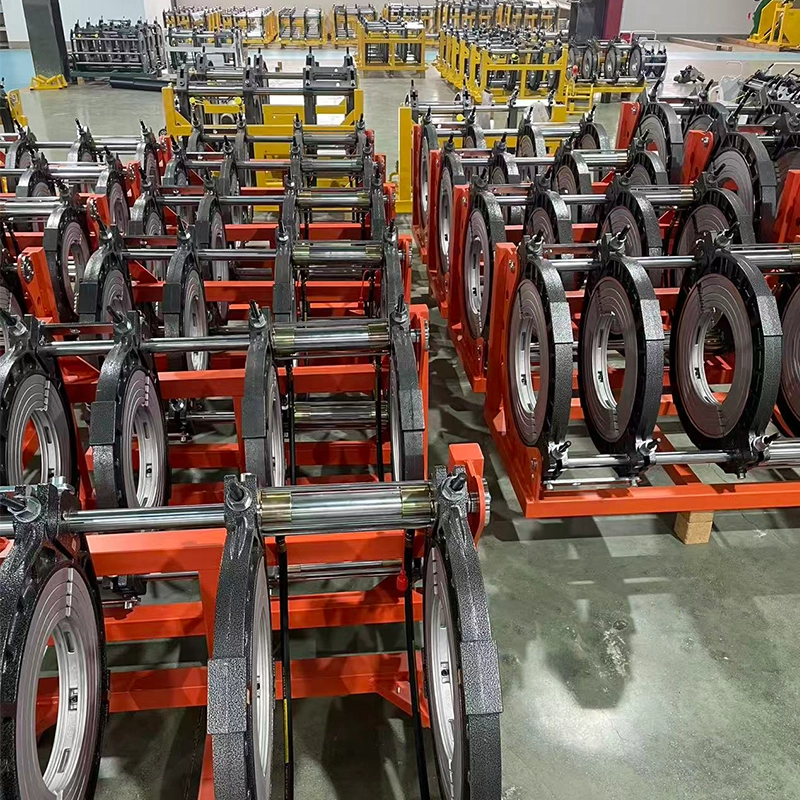
Main Types of Pipe Welding Machines
• Manual/Portable Butt Fusion Machines — Lightweight frames ideal for service repairs, small job sites, and municipal crews needing portability.
• Hydraulic Butt Fusion Machines — Mid to large diameter operations that require higher clamping force and faster cycle times.
• Automatic/CNC Butt Fusion Machines — Consistent, high‑throughput fusion for contractors and prefabrication yards; features include programmable cycles and data logging.
• Electrofusion Units — Best for fittings, saddle connections, and shorter lateral ties; widely used for gas distribution and repair work.
Quick Comparison Table
| Machine Type | Pipe Range | Ideal For | Key Feature |
|---|---|---|---|
| Manual Butt Fusion | 20–400 mm | Service repairs, tight access | Portability & low weight |
| Hydraulic Butt Fusion | 160–2250 mm | Large diameters, pipelines | High clamping force & stability |
| Automatic / CNC | 50–1000+ mm | Production & prefabrication | Auto cycles & data logging |
| Electrofusion | Fittings 20–800 mm | Gas distribution & saddles | Controlled current heating |
Key Features to Look For
• Reliable Heating Plate — Uniform temperature and fast recovery keep fusion cycles consistent in cold weather.
• Robust Clamping/Alignment — Aluminum clamps or heavy‑duty frames for precise pipe alignment and reduced cold‑weather distortion.
• Portable Power Options — Diesel or battery hydraulic power packs are valuable for remote Canadian jobsites without grid access.
• Digital Controls & Data Logging — Traceable weld reports, GPS/time stamps, and programmable fusion parameters are increasingly required by owners and regulators.
• Spare Parts & Local Support — Fast access to heaters, faces, and hydraulic seals reduces downtime during critical seasonal windows.
Buying Guide: What Canadian Buyers Should Prioritize
• Climate Durability — Choose equipment rated for low temperatures, with corrosion‑resistant finishes and heaters that maintain heat under wind and cold.
• Compliance & Traceability — Ensure the machine can produce weld records that meet municipal or utility specifications; check compatibility with CSA and provincial requirements.
• Portability vs. Capacity — Municipal crews and service contractors often prefer compact manual machines, while pipeline contractors need hydraulics or CNC systems for throughput.
• Transport & On‑Site Setup — Consider trailer‑mounted frames for very large diameter machines and quick mobilization for remote sites in northern provinces.
• Training & After‑Sales — Look for suppliers that provide operator training, calibration services, and technical support in Canada.
Supplier Consideration — Manufacturer Snapshot
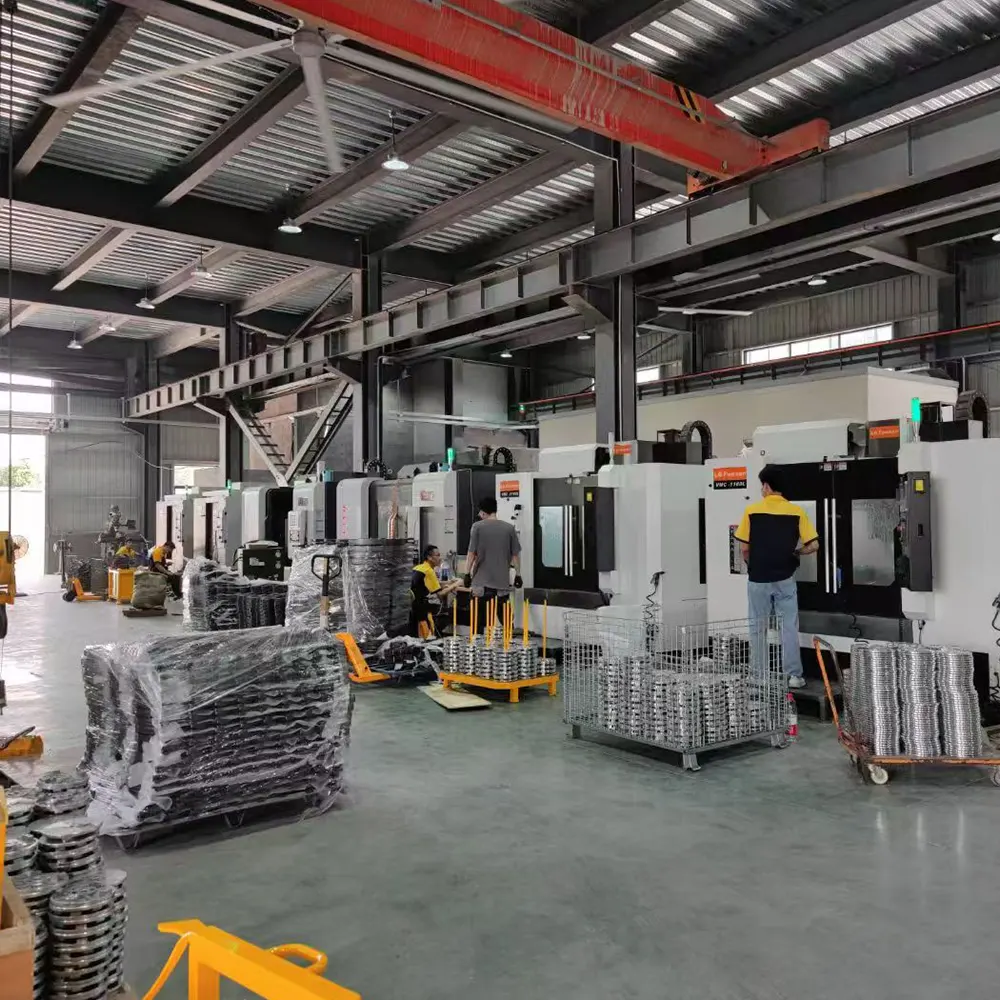
JQ‑Fusion manufactures a wide range of HDPE butt fusion machines from manual to CNC automatic units, supplying equipment suitable for municipal waterworks, gas distribution, and large industrial pipelines worldwide.
Questions to Ask Before You Buy
• What pipe sizes and SDRs does the machine support?
• Can the controller export weld logs and is it compatible with your QA software?
• What warranty, local parts stocking, and field service options are available in Canada?
• Are power options (electric, diesel, battery) suitable for your typical jobsite conditions?
Final Checklist
• Confirm pipe diameter range and fusion method compatibility.
• Verify cold‑temperature performance and heater recovery specs.
• Ensure access to spare parts and training within reasonable time in your province.
• Budget for accessories: facing tool, trimmer stand, spare heaters, and data logger.
Ready to compare machines? Use the table above and supplier answers to narrow to the model that matches your project needs, site conditions, and required weld traceability.



