
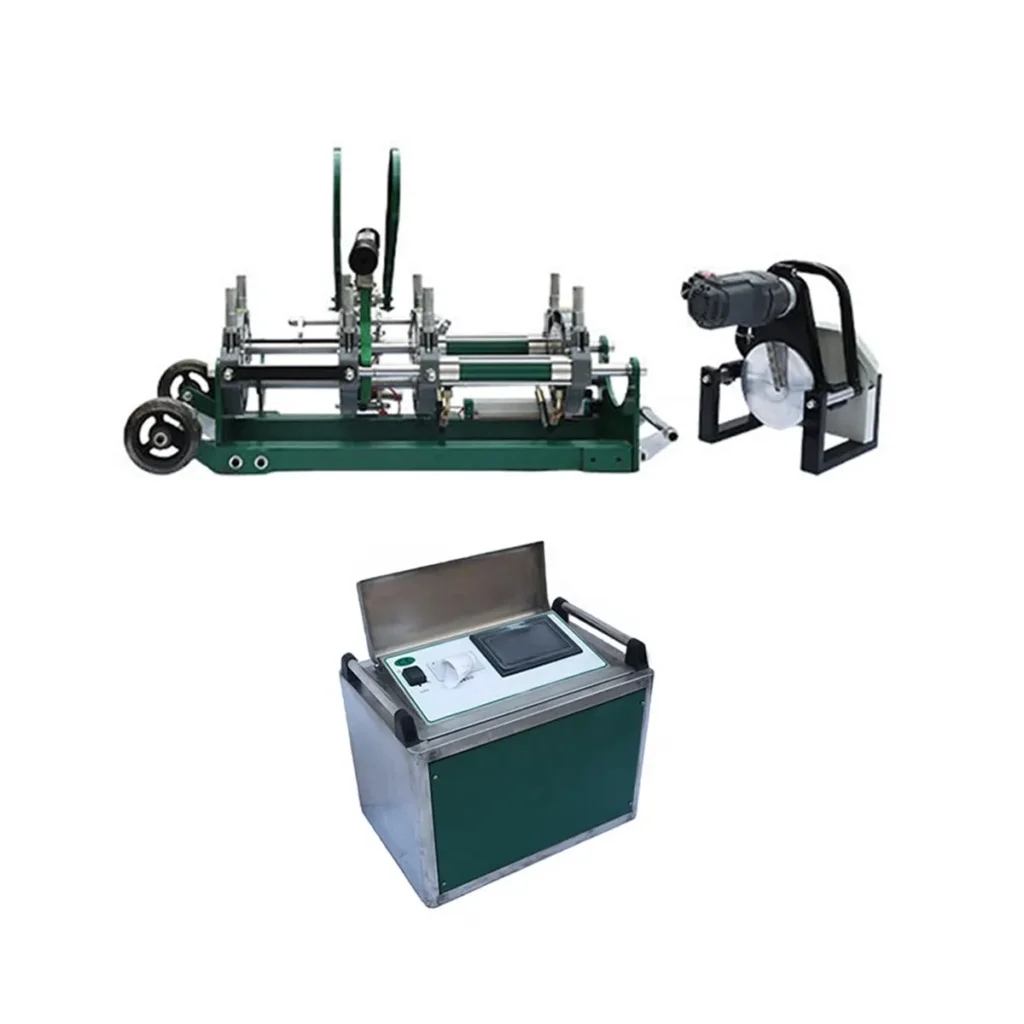
Joining HDPE pipes with integrity is critical for modern infrastructure, and the butt fusion machine stands as the industry-standard solution. Whether you are managing a municipal water supply network, a gas distribution system, or industrial slurry lines, understanding the nuances of this equipment is essential. This guide breaks down the types, applications, and key selection criteria to help you secure consistent, high-strength welds every time.
Understanding the Core Technology
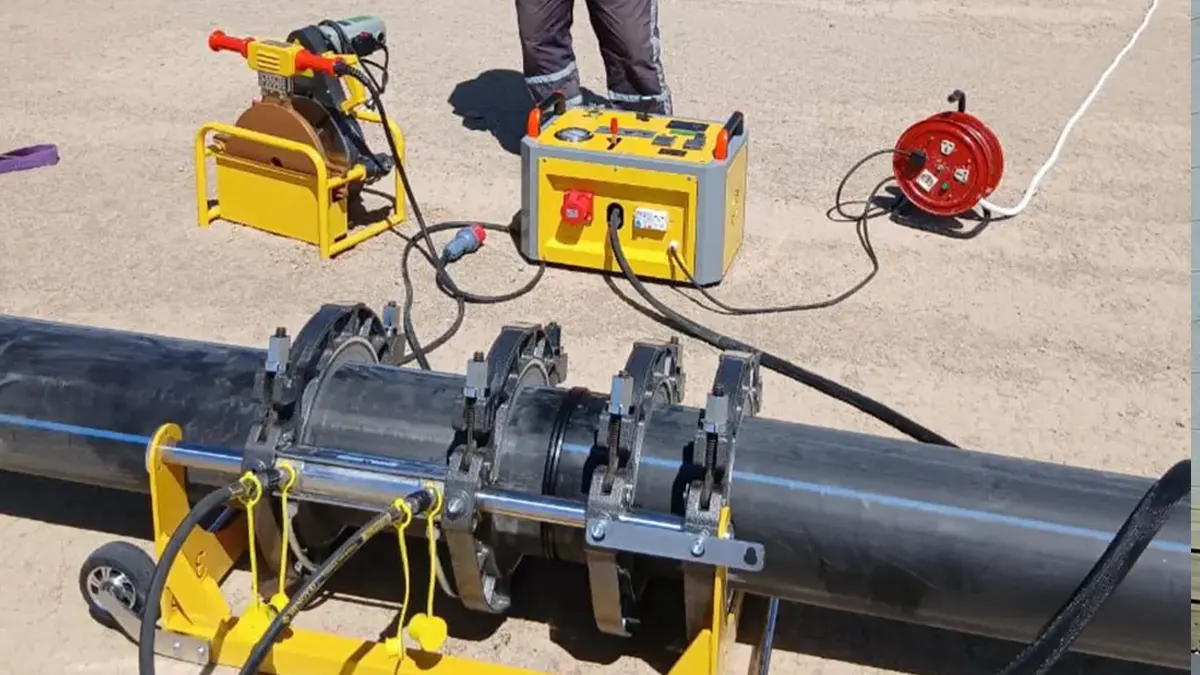
A butt fusion machine operates by heating two pipe ends against a precisely temperature-controlled plate until they reach a molten state, then pressing them together under controlled pressure to form a seamless, monolithic joint. This method eliminates the need for additional couplers, creating a connection that is actually stronger than the pipe itself. The process relies heavily on the precise control of time, temperature, and pressure, which are defined in standards like ISO 21307 butt fusion procedures. Mastering these parameters is what separates a temporary repair from a 50-year pipeline solution.
The simplicity of the finished joint is deceptive; achieving perfect molecular entanglement requires equipment that can maintain precise clamping alignment and deliver consistent hydraulic force. Modern iterations of the butt fusion machine have evolved to include digital data logging and CNC controls, transforming an artisanal task into a fully traceable engineering process. This evolution ensures that every joint meets stringent quality assurance standards without relying solely on operator intuition.
Main Types of Butt Fusion Equipment
Selecting the optimal butt fusion machine depends on your project scale, mobility requirements, and the diameter of the pipes you are working with. The market broadly categorizes these machines into three configurations, each offering distinct operational advantages. Understanding the mechanical differences will directly impact your installation efficiency and long-term maintenance costs. Below is a detailed breakdown of how these systems compare.
| Machine Type | Operating Principle | Pipe Range (mm) | Ideal Application |
|---|---|---|---|
| Manual Butt Fusion | Hand-lever driven | 40mm – 250mm | Utilities, tight trenches |
| Hydraulic Butt Fusion | Hydraulic power unit | 160mm – 2000mm+ | Large mains, heavy wall |
| CNC Automatic Butt Fusion | Programmable logic control | 160mm – 630mm | Gas distribution, nuclear |
Manual Butt Fusion Machines
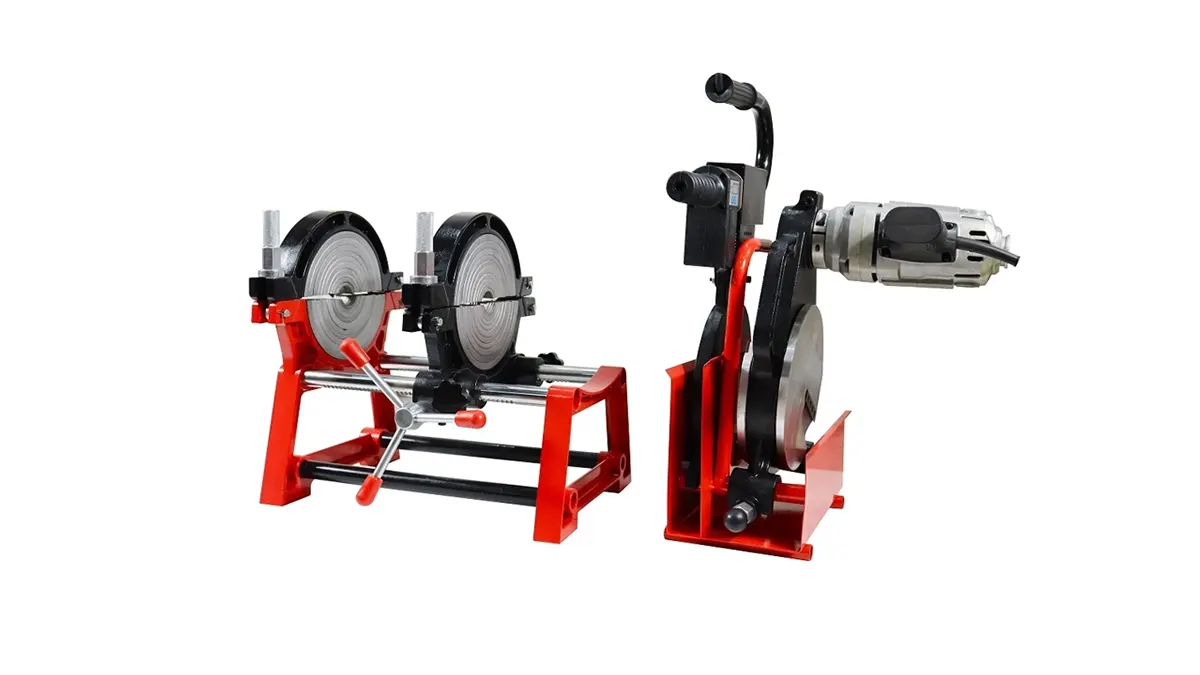
For smaller diameters, typically up to 250mm, the manual butt fusion welding machine offers unbeaten portability and simplicity. These units feature a rigid frame where the operator uses a lever or screw mechanism to bring the pipe ends together. The absence of hydraulics makes them lightweight and easy to transport to remote excavation sites. You can explore configurations like the JQSY-4M manual butt fusion machine which provides a robust four-clamp structure ensuring perfect roundness correction. These machines are the backbone of rural plumbing and low-voltage conduit installations where electric power might be scarce.
Hydraulic Butt Fusion Machines
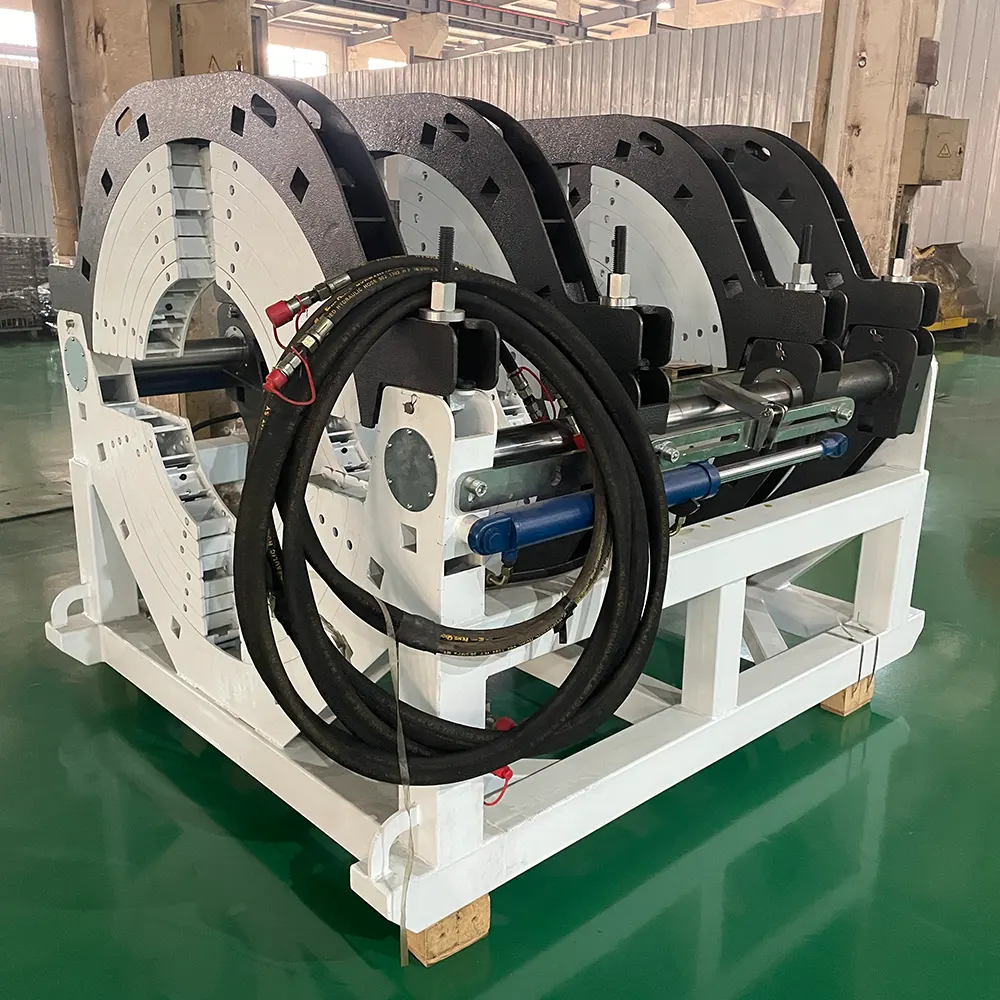
When you step into large-scale water transmission or mining tailings pipelines, a hydraulic butt fusion machine becomes indispensable. These tools utilize a separate hydraulic power pack to generate the massive forces required to face and fuse pipes with diameters exceeding 2000mm. The motorized planing tool—often called the trimmer—creates perfectly parallel faces, which is critical for preventing cold spots in the joint. High-performance models, such as those in the hydraulic butt fusion range, incorporate a drop-down carriage system that allows the heating plate to be extracted rapidly, minimizing heat loss and ensuring a swift, clean transition to the fusion pressure stage. This speed is pivotal for maintaining the integrity of the melt bead on thick-walled pipes.
CNC Automatic Butt Fusion Machines
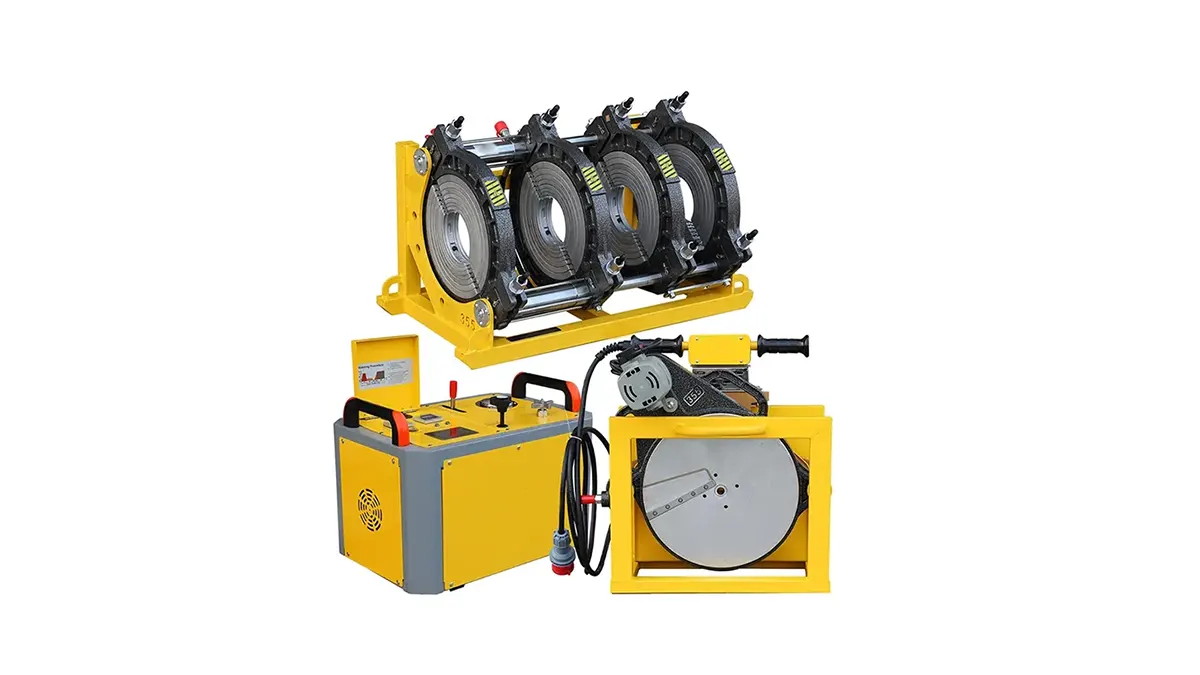
For projects where traceability is non-negotiable, the CNC automatic butt fusion machine is the gold standard. These systems remove human error by electronically controlling every phase of the weld cycle according to pre-set parameters. If the drag pressure spikes or the temperature drifts outside tolerance, the machine locks out and alerts the operator. They generate a data log—often exportable via USB—that captures the exact temperature profile, soak time, and fusion pressures. This data serves as a legal quality record, proving that the joint complies with rigid frameworks like ASTM F2620 heat fusion.
Critical Applications Across Industries
The versatility of a butt fusion machine extends across a surprising spectrum of engineering disciplines. Its ability to create leak-proof, end-load resistant joints makes it the preferred choice where failure is not an option. The table below highlights where these machines deliver the most value, moving beyond just pipe joining to become a fundamental part of asset integrity management. Each sector demands specific material grades and machine features, which we will summarize for quick reference.
| Industry Sector | Typical Media | Key Machine Feature Needed | Relevant Standard |
|---|---|---|---|
| Potable Water | Clean water | Precision alignment, clean bead | ISO 4427-2 |
| Gas Distribution | Natural gas/Methane | Data logging, CNC control | ISO 4437-1 |
| Mining | Slurry, chemicals | High-pressure hydraulics, robust frame | ASTM F714 |
| Industrial Cooling | Chilled water | Compact manual units | ISO 15494 |
Choosing the Right Butt Fusion Machine
Purchasing a butt fusion machine is a strategic investment that requires balancing technical specs with logistical realities. Start by analyzing your maximum operating diameter and SDR (Standard Dimension Ratio). Thicker walls (low SDR) demand higher fusion pressures, often necessitating a hydraulic system even for moderate diameters. You also need to consider the environment—will the machine be used stationary in a fabrication yard, or does it need to be broken down and carried across rough terrain? Always verify that the heater plate surface has a non-stick PTFE coating and that the thermocouple placement ensures uniform temperature distribution across the entire face, as localized cold areas are a primary cause of joint failure.
Operational Best Practices
Even the finest butt fusion machine will produce flawed joints if operational protocols are ignored. The most critical step is the facing operation; the trimmer must shave continuous ribbons from both pipe ends simultaneously without stopping, ensuring absolute parallelism. Once the pipes meet the heating plate, maintaining the correct bead-up pressure is essential—too little pressure starves the joint of material, while too much can crack the cold pipe wall. Observing the melt bead shape is a crucial visual inspection point; a symmetrical rolled bead on both sides of the plate indicates correct heating and pressure application, serving as your immediate in-field quality assurance check before the fusion move even begins.
Why Material Quality Matters
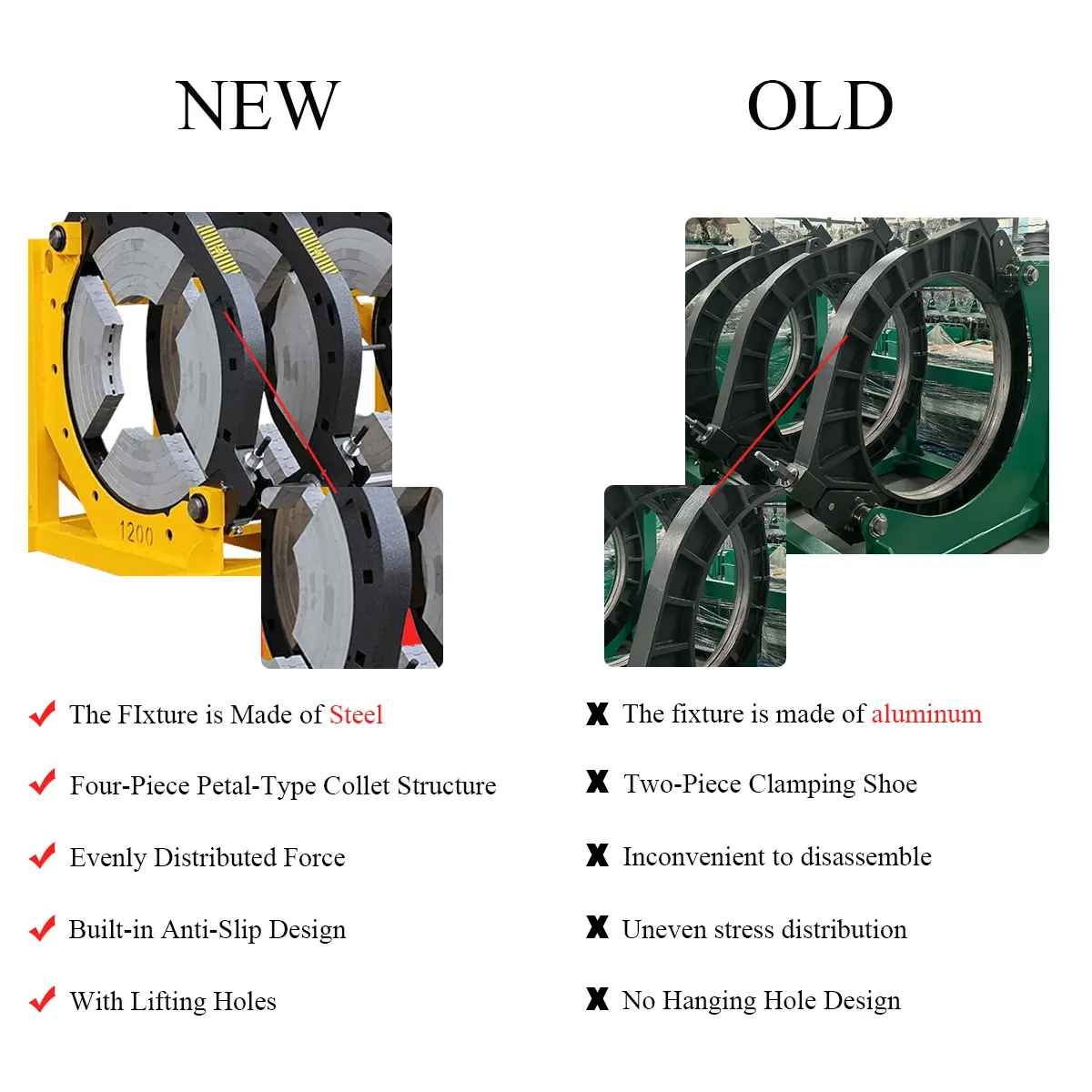
The majority of butt fusion welding machine frames are constructed from steel or high-strength aluminum. Steel offers uncompromising rigidity for heavy-wall, large-diameter pipes, preventing frame deflection under extreme clamping forces. However, for field crews working in muddy trenches, aerospace-grade aluminum clamps and frames drastically reduce the weight without sacrificing structural integrity. Corrosion-resistant coatings on the guide rods and clamp screws are non-negotiable features to look for, preventing rust from compromising the movement accuracy over time. High-quality internals ensure the machine holds calibration through thousands of weld cycles, directly linking build material to long-term weld repeatability and return on investment.
Advantages of Precision Welding Performance
- Homogeneous Bond Strength: Creates a joint stronger than the pipe, eliminating the weak points common with mechanical couplers.
- Zero Leak Path: The molecular fusion provides a 100% leak-proof seal, preventing asset loss in gas or fluid transport.
- Reduced Maintenance Overhead: A properly fused pipeline requires no periodic retightening of bolts or replacement of gaskets for its design life.
- Adaptable to Project Needs: With tailored solutions available, you can modify machine specs to suit unique project geometries, such as multi-angle fittings.
- Field-Ready Durability: Equipment designed for rigorous quality assurance withstands harsh weather and rough handling, delivering consistent results in remote locations.
JQ-Fusion: Engineered for Consistent Output
As a specialist in HDPE pipe joining technology, JQ-Fusion manufactures a comprehensive portfolio of butt fusion machine models covering diameters from small 40mm lines up to massive 2500mm transmission mains. The company’s focus on advanced manufacturing and strict quality control ensures that every unit, from a compact manual clamp to a fully automated CNC system, delivers the stable heating and precise alignment necessary for strong, reliable welds. With a commitment to fast global delivery and responsive support, JQ-Fusion equips contractors and distributors with the machinery needed to complete critical infrastructure projects efficiently, anywhere in the world.
Dedicated Service Commitment
- Customizable Configurations: Tailor color, size, and branding options to match fleet requirements while maintaining core welding reliability.
- Immediate Availability: Extensive global inventory ensures your project stays on schedule, whether you need a single spare clamp or a container of complete units.
- Technical Partnership: Expert teams assist from product selection through to ongoing operational support, helping resolve field challenges as they arise.
For further technical specifics or to discuss your next pipeline project, visit the complete product range or reach out to the engineering team directly for a personalized consultation on your butt fusion welding machine needs.



