
Latvia’s ongoing investments in water supply upgrades, gas distribution, and municipal infrastructure demand reliable pipe-welding solutions that perform in cold climates and on uneven terrain. Industrial contractors and public utilities increasingly choose butt fusion welding for HDPE pipelines because it delivers leak-free joints, long-term durability, and fast onsite installation — critical for projects across Riga, Daugavpils, and rural municipalities.
Benefits of Butt Fusion Welding for Latvian Projects
Butt fusion welding creates homogeneous joints that resist ground movement, frost heave, and corrosion — common challenges in Latvia’s northern climate and peat-rich soils. For municipal waterworks, district heating, and agricultural irrigation systems, this method reduces maintenance needs and protects against environmental contamination.
Key Advantages for Local Contractors
Rapid on-site assembly, minimal excavation time, and compatibility with a wide range of HDPE pipe diameters make butt fusion ideal for Latvia’s mixed urban and rural work sites. Contractors working near ports (Ventspils, Liepāja) or coastal projects value resistance to saline environments and low long-term total cost of ownership.
Selecting the Right Machine Type
Latvian projects vary from small service connections to large-diameter trunk lines. Choosing between manual, hydraulic, and automatic butt fusion machines depends on pipe size, crew expertise, and project timelines.
| Machine Type | Typical Pipe Range | Best For |
|---|---|---|
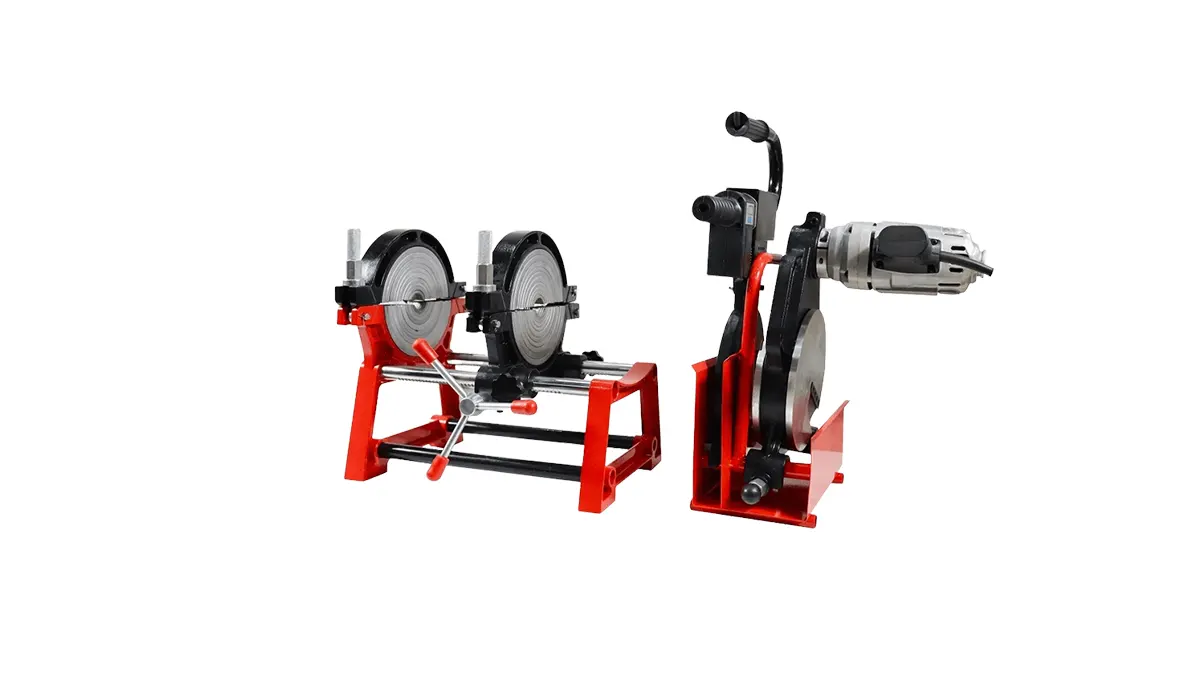
| Manual Butt Fusion | 20–160 mm | Small repairs, service lines, tight-access sites |
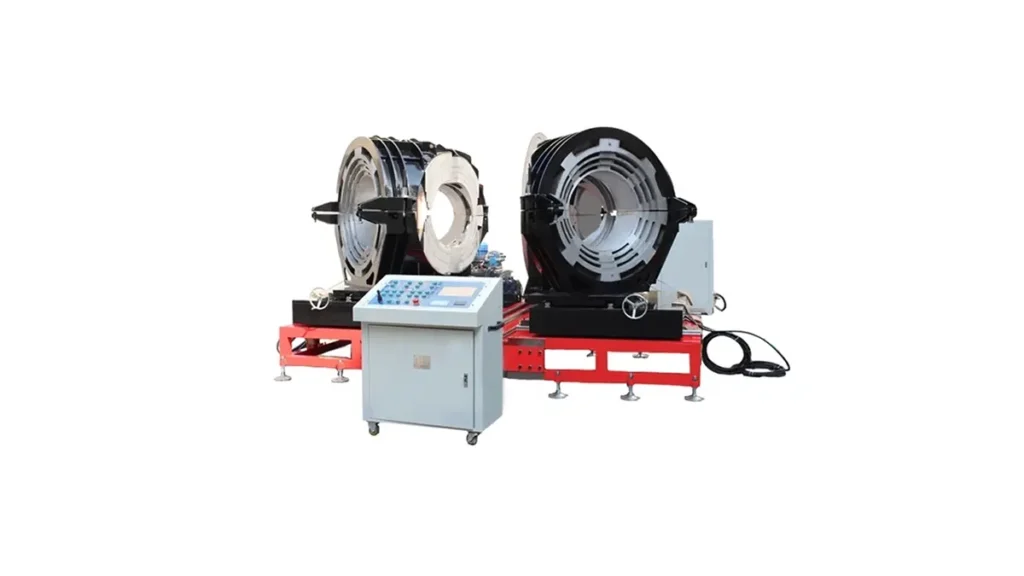
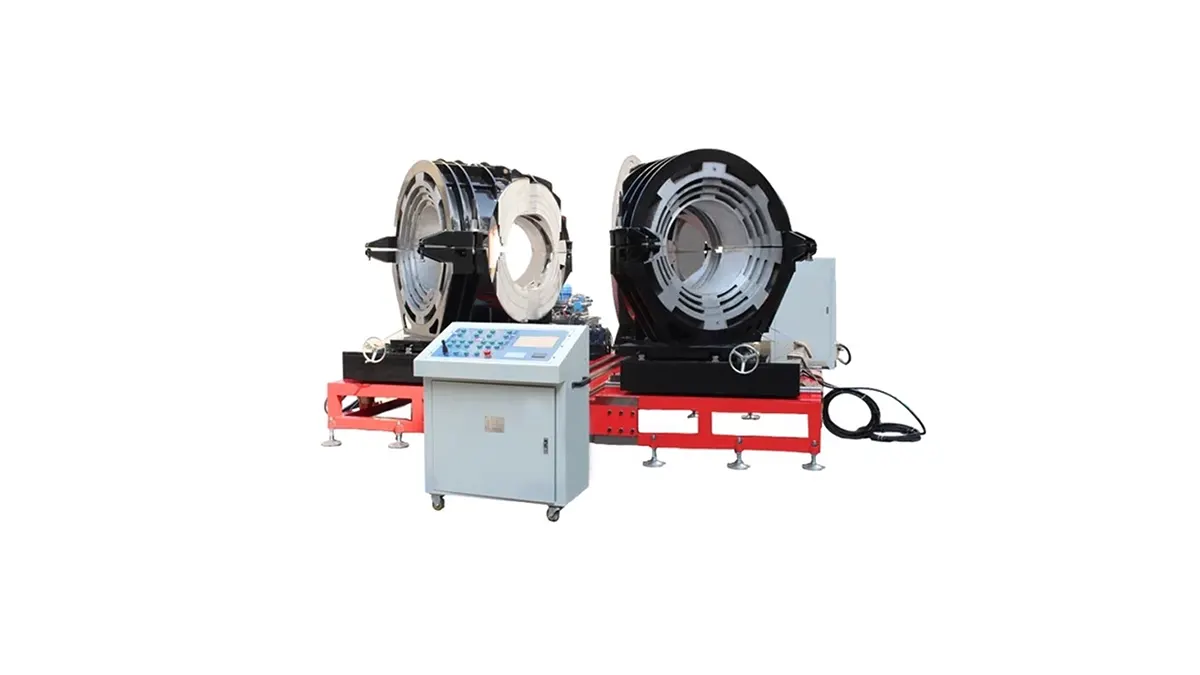
| Hydraulic Butt Fusion | 160–1200 mm | Municipal water mains, district heating, industrial pipelines |
| CNC Automatic Machines | 200–1200+ mm | High-volume projects, precision-controlled weld records |
Practical Considerations in Latvia
Weather conditions can affect welding schedules: sub-zero temperatures call for heated tents or rapid-heating plates and careful control of cooling time. Permit and environmental regulations follow EU standards; ensuring machines and procedures comply with CE and ISO norms is essential for public contracts. Port logistics and road access should be factored into equipment selection — compact manual units for narrow streets, larger hydraulic rigs for open-field or port-side deployments.
Optimizing Workflow and Quality Control
To achieve consistent weld quality across Latvia’s diverse job sites, implement standardized procedures: surface preparation, correct heating times, controlled cooling, and documentation for each joint. For utility operators, traceable weld records and on-site training reduce rework and support warranty claims.
After-Sales Support & Training
Reliable after-sales service is vital for minimizing downtime. Local teams benefit from rapid access to spare parts, remote technical support, and operator training that covers cold-weather best practices and EU-compliant safety protocols.
Applications across Latvia — municipal water distribution, gas network maintenance, agricultural irrigation systems, and industrial process piping all benefit from properly selected butt fusion equipment. For large-scale infrastructure works near Riga and port facilities, investment in hydraulic or automatic machines improves productivity and long-term reliability.
JQ-Fusion is a professional manufacturer specializing in HDPE pipe welding machines, offering manual, hydraulic, and CNC automatic butt fusion solutions to meet diverse project needs worldwide: https://jq-fusionwelding.com/



