
Understanding the Critical Role of Pipe Fusion Machine Welding Temperature
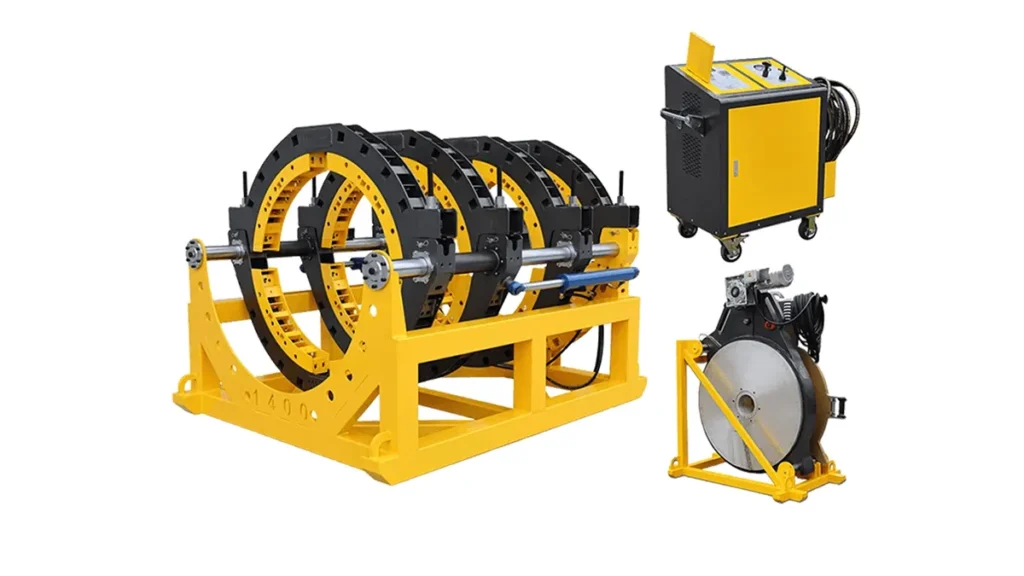
Achieving a perfect, leak-free joint in HDPE or polypropylene piping hinges on one critical variable: the pipe fusion machine welding temperature. Without precise thermal control, even the most advanced butt fusion welding machine cannot produce a joint with the required long-term integrity. The heating process fundamentally changes the polymer structure at the pipe ends, transforming them into a viscous melt state ready for molecular bonding.
Incorrect temperature settings can lead to catastrophic joint failure. If the heating plate is too cold, the polymer won’t soften enough, resulting in a weak “cold weld” with minimal fusion strength. Conversely, excessive heat degrades the polymer chains, causing brittleness, material degradation, and potential leaks under pressure over time. Understanding these fundamentals is essential for every operator and project manager in the field.
Standard Temperature Ranges for HDPE Butt Fusion
The industry benchmark temperature for HDPE pipe fusion is well-established by international standards. While the standard target is widely agreed upon, the exact range can vary slightly based on environmental conditions and specific resin grades. Adhering to these temperature windows ensures that the welding interface reaches the optimal melt viscosity, allowing for proper intermolecular diffusion during the cooling phase.
Below is a comprehensive snapshot of the standard target temperature ranges you should expect when calibrating your equipment for PE pipe welding:
| Pipe Material | Standard Target Temperature | Reference Standard |
|---|---|---|
| HDPE (PE100 & PE80) | 210°C – 225°C (410°F – 437°F) | ISO 21307 butt fusion procedures |
| PP (Polypropylene) | 200°C – 215°C (392°F – 419°F) | ASTM F2620 Guidelines |
| PVDF | 250°C – 260°C (482°F – 500°F) | Manufacturer Specifications |
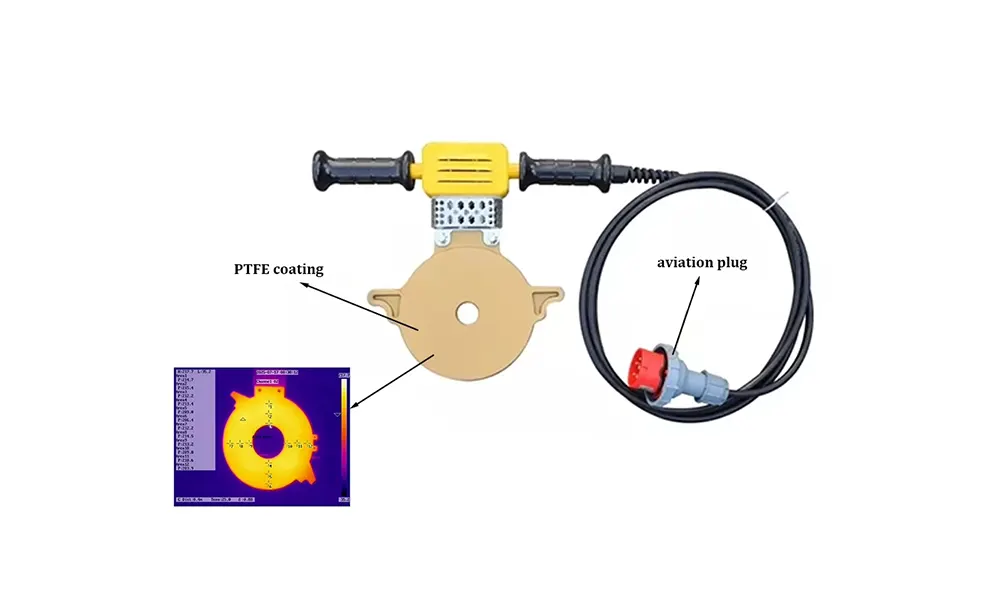
It’s crucial to follow the PPI butt fusion procedure guidelines, which emphasize that these temperatures are measured directly on the heating plate surface. Daily calibration using a digital surface thermometer is a non-negotiable step before any welding operation begins.
Key Factors Influencing Optimal Heat Settings
While the standard temperature of 220°C for HDPE is the baseline, a skilled technician understands that real-world conditions require subtle adjustments. Simply setting the heater to 220°C does not automatically translate to durable welds. The pipe fusion machine welding temperature at the point of contact is influenced by several dynamic external variables that operators must actively monitor.
Ambient Environment and Weather Conditions
Temperature fluctuations on the job site are the most common disruptors of welding fusion parameters. In cold climates, pipe materials lose heat more rapidly once removed from the heating plate. This requires operators to verify the heater is truly at the target temperature and potentially adjust the dwell phase or use an anti-static drag. In direct sunlight, the plate controller must work harder to maintain setpoints. Wind chill on the heating plate surface is often overlooked but can drastically reduce actual surface temperature. A well-maintained heating plate with consistent surface temperature is critical for counteracting these environmental factors.
Pipe Wall Thickness and Diameter
The mass of the material acts as a heat sink. Larger diameter and higher SDR (Standard Dimension Ratio) pipes absorb more thermal energy upon contact. While the plate temperature remains constant, the bead-up pressure and heating time must be correctly calculated based on these physical dimensions. The latest CNC automatic butt fusion machines automatically calculate these parameters, removing human error from the equation.
Heating Plate Condition
A dirty or damaged heating plate surface is a primary cause of defective welds. PTFE non-stick coatings that are peeling or contaminated with degraded polymer residue create localized temperature inconsistencies. This causes uneven melt patterns across the pipe face, leading to cold spots in the finished weld. Regular cleaning with a non-abrasive cloth while the plate is still hot is essential to maintain accurate pipe fusion machine welding temperature transfer.
Hydraulic vs. Manual Temperature Control Features
The method of temperature regulation directly impacts the consistency of your welds. A manual machine typically relies on a simple built-in thermostat, requiring the operator to constantly monitor the gauge. In contrast, modern hydraulic systems and automatic units feature digital PID (Proportional-Integral-Derivative) controllers. These sophisticated systems precisely maintain the target temperature with minimal deviation by constantly adjusting electrical power to the heating element.
When working with critical infrastructure, utilizing a hydraulic butt fusion welding machine equipped with these controllers provides a clear audit trail and significantly reduces the risk of joint defects caused by temperature swings. Below is a comparison of control technologies regarding thermal management:
- Manual Machines: Bi-metallic strip thermostats. Reliable but prone to overshoot and drift. Requires constant external verification with a pyrometer to ensure the correct pipe fusion machine welding temperature.
- Hydraulic Machines: Digital PID control with real-time LED displays. Offers precise setpoint adjustments and superior thermal stability across the plate surface.
- Automatic CNC: Fully integrated systems that not only maintain the exact temperature but also record it for every weld joint, ensuring compliance with PE butt fusion equipment standard documentation requirements.
Practical Temperature Calibration Procedures
Before starting any critical joint, a daily surface temperature check is mandatory. The internal thermostat provides a useful reference, but the true pipe fusion machine welding temperature is what exists on the surface of the PTFE plate. A discrepancy of even 10°C – 15°C between the internal probe and the outer surface is common, especially on older units where the heating element might be aging.
Step-by-Step Verification Checklist
- Ensure the heating plate has been plugged in for at least 10-15 minutes to allow thermal saturation of the aluminum body.
- Use a digital contact thermocouple probe designed for surface temperature measurement. Aim for an accuracy of ±1°C.
- Take readings at a minimum of three points on each side of the heating plate: the center and near the edges of the working zone.
- The variation between the center and the edge should not exceed 5°C. Larger deviations indicate a failing heating element or cold spots.
- If the surface temperature is low despite the controller indicating 220°C, the calibration offset must be adjusted by a qualified technician, or the plate controller is faulty.
Proper documentation of these checks is vital for project records and adherence to safety protocols. Many modern pipe fusion machines now include data logging capabilities to automatically capture temperature profiles throughout the weld cycle.
Troubleshooting Common Temperature-Related Defects
Visual inspection of the final weld bead provides telltale signs of incorrect pipe fusion machine welding temperature. Being able to diagnose these signs in the field allows operators to correct the process before laying the pipe in the trench. Refer to the table below to identify and rectify specific heating issues:
| Observed Defect | Likely Temperature Cause | Corrective Action |
|---|---|---|
| Small, flat bead with no rolling back | Heater surface temperature too low (“cold weld”) | Verify plate with a calibrated pyrometer; increase heater setpoint or check electrical supply. |
| Excessive charred bead, brown discoloration | Polymer thermal degradation from excessive heat | Reduce plate temperature immediately. Check for faulty thermostats or stuck contactors. |
| Asymmetric bead shape | Uneven heating plate surface temperature | Map plate surface temperature; replace damaged PTFE coating or failing heating elements. |
| Persistent lack of melt initiation | Heat soak period too short relative to pipe mass | Increase the heating time per the manufacturer’s fusion chart; do not increase temperature beyond the resin’s limit. |
For large-scale infrastructure projects, sourcing high-quality equipment is essential. Companies like JQ-Fusion specialize in providing reliable butt fusion solutions that ensure precise temperature control and durable joint performance, helping contractors worldwide maintain project schedules and safety standards.
Advanced Temperature Monitoring and Industry Standards
Modern project specifications are increasingly requiring real-time monitoring and data recording of the pipe fusion machine welding temperature. This shift toward traceability is codified in standards that govern the qualification of operators and the integrity of the fusion joints. Understanding PE fusion operator requirements ensures that your team is not only competent in welding techniques but also proficient in reading and reacting to thermal data.
Integrating these best practices—from daily calibration to environmental adaptation—transforms the welding process from a manual art into a predictable, traceable science. Whether utilizing a compact manual rig for a rural water supply or a massive hydraulic tandem system for a mining slurry line, the consistent application of the correct pipe fusion machine welding temperature remains the single most important factor in securing a zero-leak pipeline network.



