
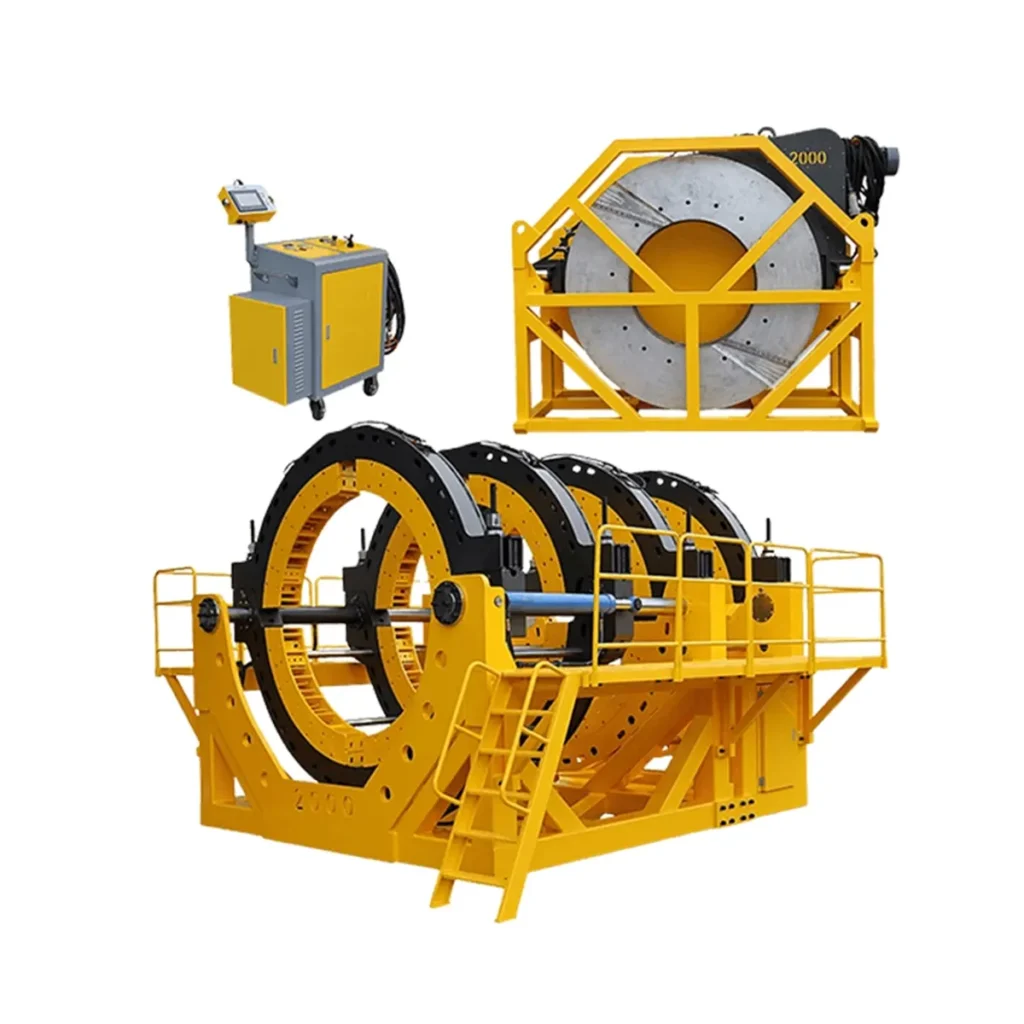
Automatic pipe welding machines are reshaping how contractors, utilities, and plant engineers join HDPE and other thermoplastic pipes. From municipal water networks to large-scale industrial pipelines, automated butt fusion systems deliver repeatable strength, higher throughput, and reduced on-site variability compared with manual welding methods.
Why Automatic Pipe Welding Machines Matter Worldwide
Automatic systems combine precise temperature control, accurate axial alignment, and programmable cycles to ensure consistent, ISO-compliant joints on long runs of HDPE pipe. For project owners this means fewer failures, lower maintenance costs, and faster installation timelines—especially critical in high-stakes sectors like water supply, gas distribution, mining, and industrial process pipelines.
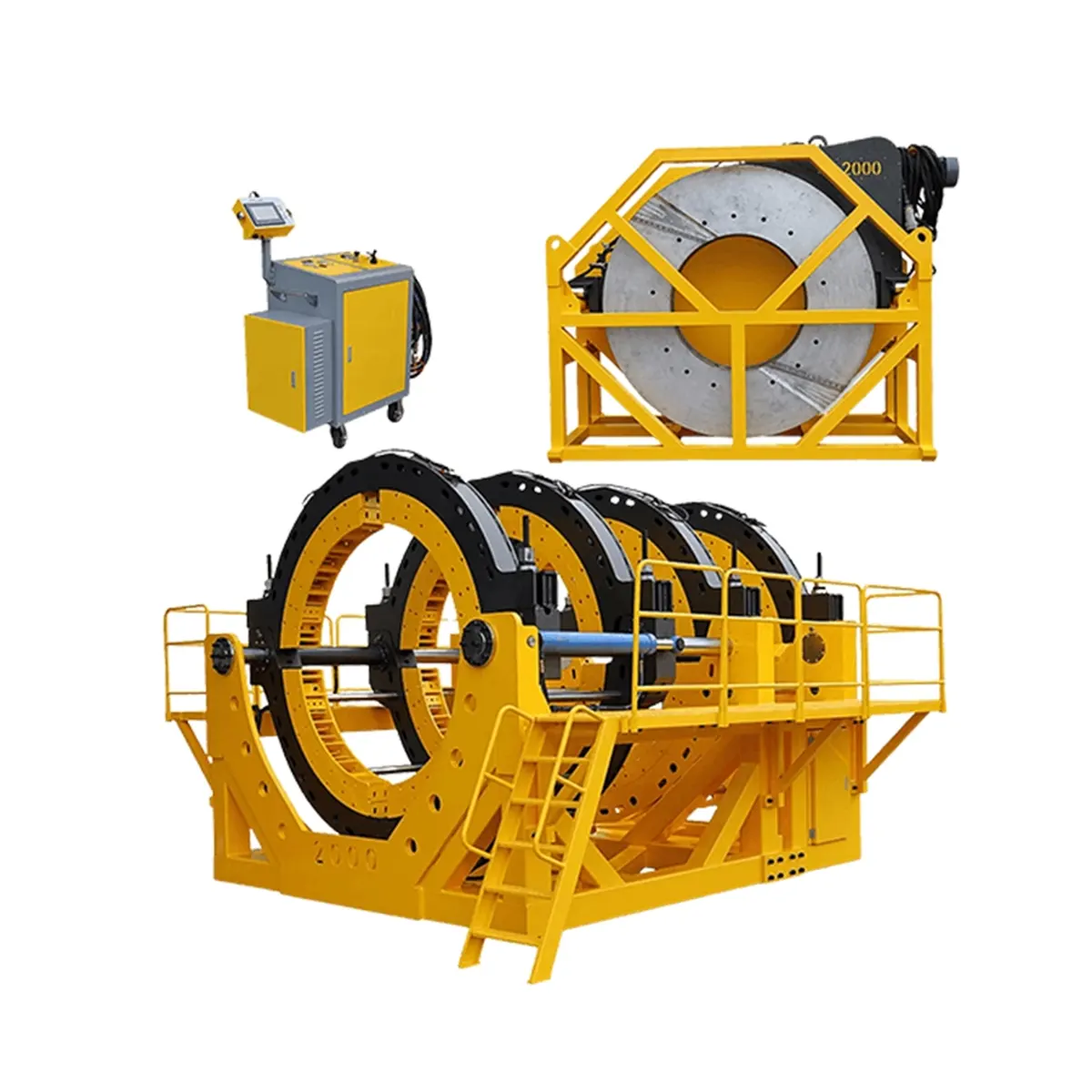
Key Features to Prioritize
Look for machines offering stable heater plate control, high-precision clamps, and automated force/velocity management. Integration with digital controllers and traceable weld logs is a huge benefit for contractors bidding on regulated projects or long-term infrastructure contracts.
Comparing Types: Manual, Hydraulic & CNC Automatic
– Manual machines are compact and cost-effective for small-diameter repairs and low-volume jobs.
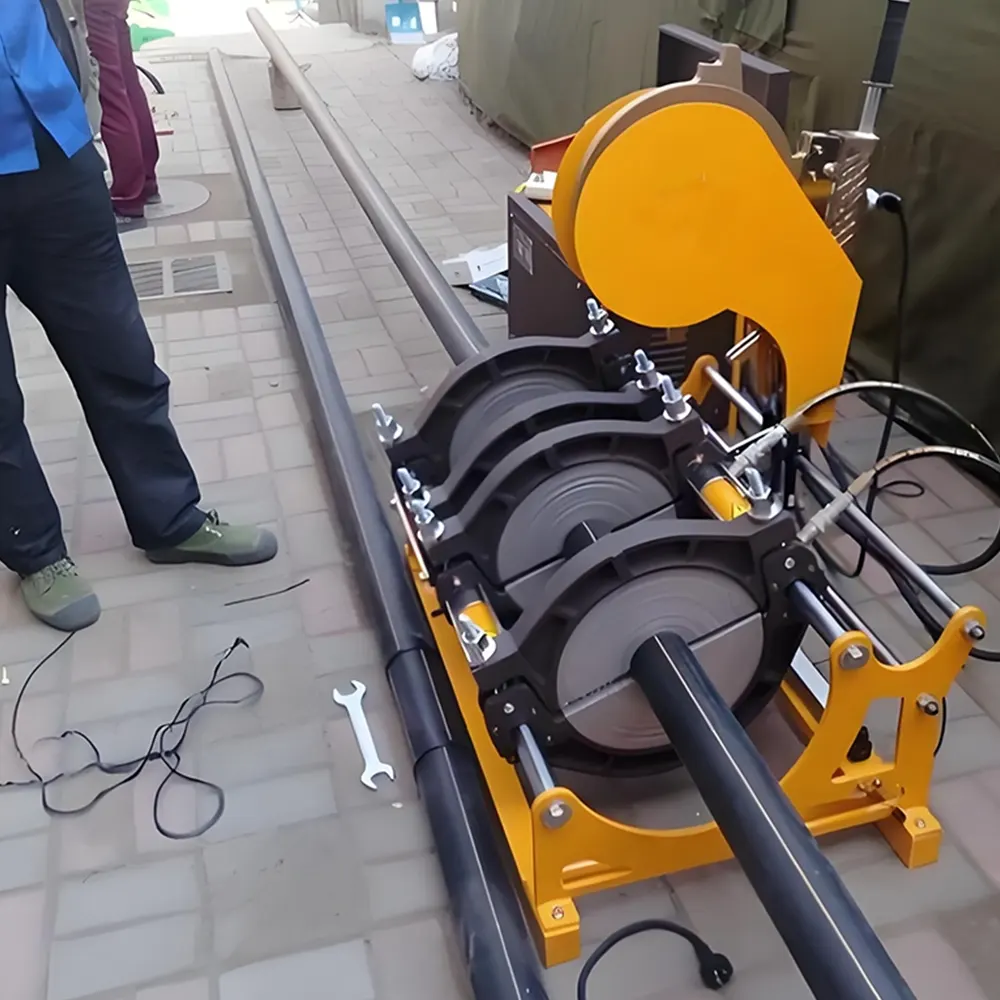
– Hydraulic frames provide the power and stability needed for medium to large-diameter joins in the field.
– CNC automatic systems excel on repetitive, high-throughput installations where data logging and precision reduce rework.
Product Comparison Snapshot
Below is a quick reference table to compare typical automatic butt fusion models and their ideal use-cases.
| Model / Type | Pipe Range | Best For |
|---|---|---|
| Compact Manual Frame | 20–160 mm | Service repairs, small jobs |
| Hydraulic Butt Fusion | 160–1200 mm | Medium/large pipelines, field work |
| CNC Automatic Butt Fusion | 63–630 mm (typical) | High-volume installs, logged welds |
Regional Needs and On-Site Realities
Global projects have different priorities. In Europe and North America, traceability and standards compliance are often paramount. In developing markets across Africa and Asia, machines that balance robust performance with easy field serviceability and local parts availability are preferred. Middle Eastern and Latin American projects may emphasize high-temperature performance and heavy-duty hydraulic systems for large-diameter gas and water mains.
Installation Tips for Contractors
Keep heater plates clean, maintain clamp faces, and ensure proper alignment before heating. Use consistent weld cycles and record parameters—this reduces rejection rates and supports long-term asset management. Training crews on automatic controllers shortens ramp-up time and improves weld yield.
Manufacturer Snapshot
JQ-Fusion is a professional manufacturer specializing in HDPE pipe welding machines and butt fusion solutions for global infrastructure projects.
Choosing the Right Partner
When sourcing automatic pipe welding equipment, prioritize proven service networks, clear spare-part channels, and available operator training. A reliable supplier reduces downtime and helps deliver projects on time and on budget.
For complex industrial pipelines, investing in higher-precision automatic butt fusion systems pays off through improved joint integrity and faster deployment—critical benefits across municipal, commercial, and industrial sectors worldwide.



