
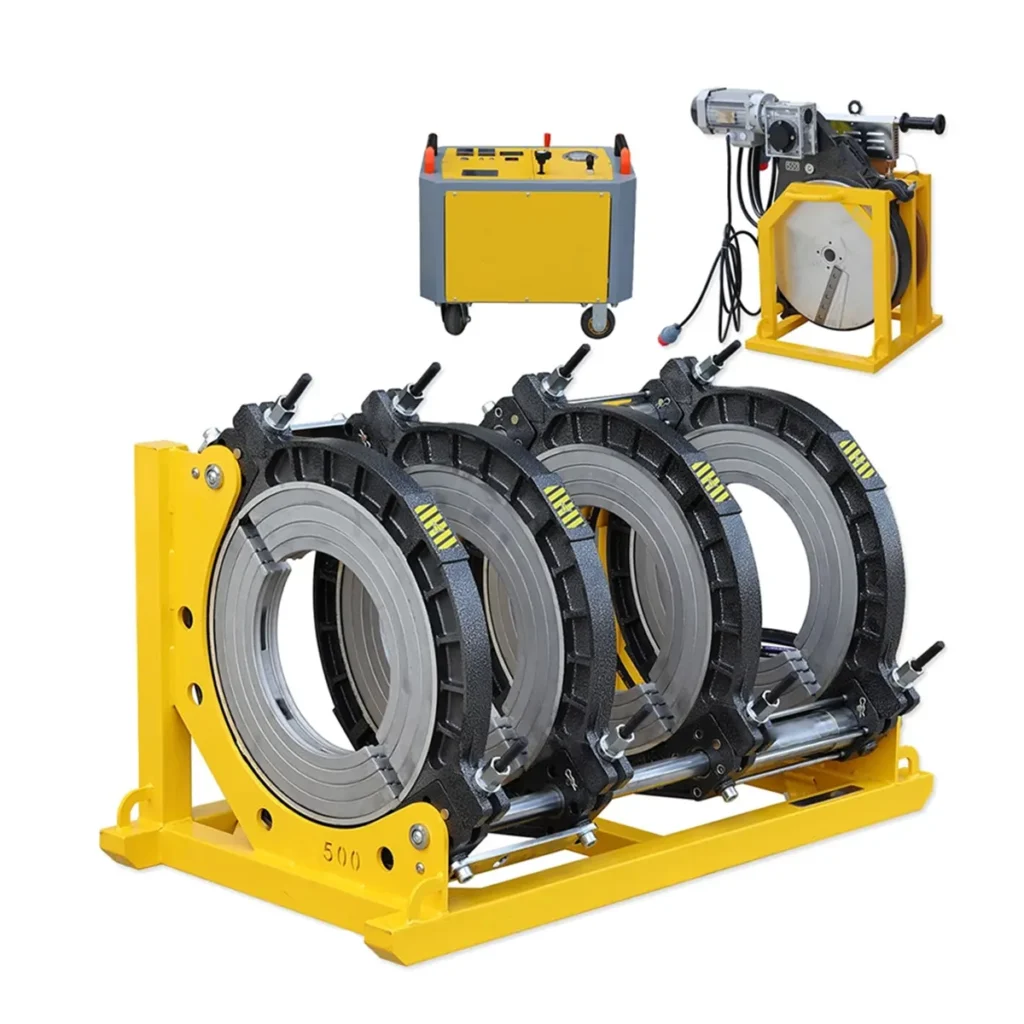
In modern water infrastructure, creating leak-proof, durable pipeline networks is non-negotiable. A poly fusion machine for water pipelines is the cornerstone of joining high-density polyethylene (HDPE) pipes efficiently. Whether you are working on municipal potable water systems, irrigation networks, or industrial fluid transport, understanding the technology behind butt fusion welding machines ensures your projects meet stringent ISO 21307 butt fusion procedures and performance standards.
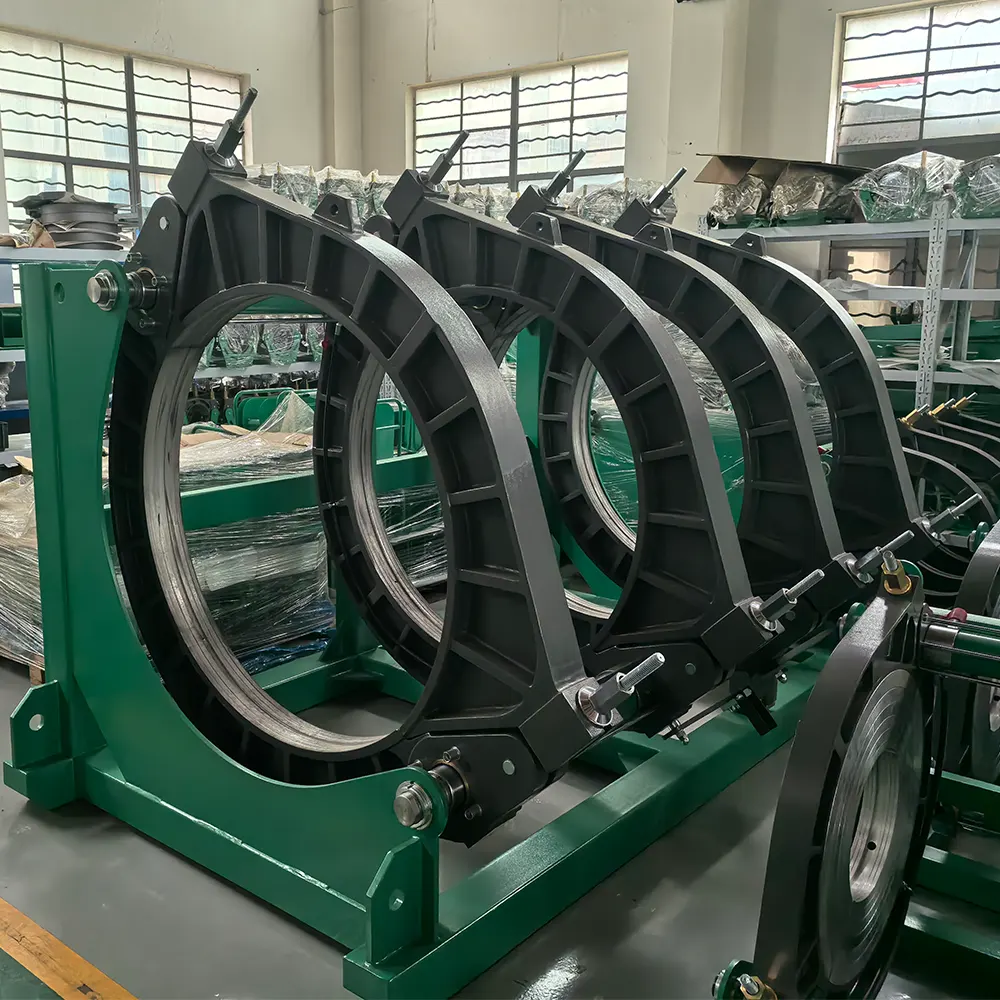
Why HDPE Fusion is Critical for Water Pipelines
Traditional mechanical joints often fail under soil movement and pressure surges. Heat fusion technology creates a monolithic, homogeneous bond, making the joint as strong as the pipe itself. This is vital for maintaining ISO 4427 PE water pipes quality across extensive networks. A poly fusion machine for water pipelines guarantees zero leakage, drastically reducing non-revenue water loss and maintenance costs over decades of service.
Key Features of a Reliable Poly Fusion Machine
When selecting equipment for water projects, precision and durability are paramount. Here are the core components to evaluate:
- Precise Heating Plate: Non-stick coated surfaces with accurate digital temperature control ensure the perfect melt viscosity for HDPE materials.
- Hydraulic Control Unit: Smooth, controllable pressure delivery that ensures proper bead formation according to PPI butt fusion procedure guidelines.
- Rugged Frame & Clamps: High-tensile aluminum clamps and a rigid frame to prevent pipe slippage and misalignment during the high-force welding cycle.
- Automatic Data Logging: Advanced CNC models record welding parameters, ensuring full traceability and quality assurance for every joint.
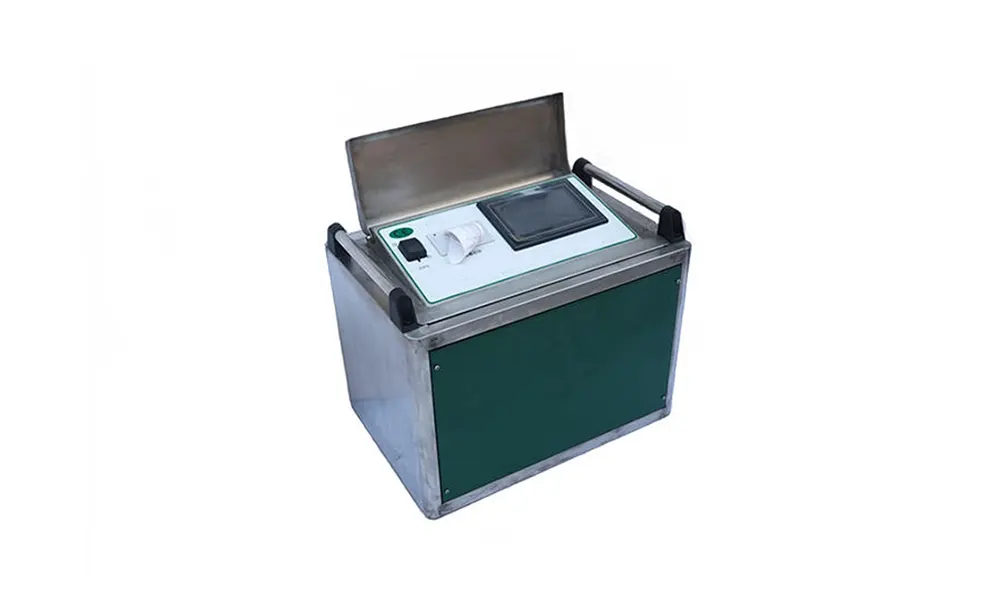
Types of Machines for Water Infrastructure
Choosing the right configuration depends on your project scale and pipe diameter range. Below is a comparison of common types:
| Machine Type | Diameter Range | Best Application |
|---|---|---|
| Manual Butt Fusion | 63mm – 315mm | Rural water distribution, small repair jobs |
| Hydraulic Butt Fusion | 200mm – 2250mm | Main water transmission lines, large-scale municipal projects |
| CNC Automatic | 160mm – 1000mm | Projects requiring auditable data and high precision |
Hydraulic vs. Manual: Making the Right Choice
For high-volume water main installations above 315mm, a hydraulic poly fusion machine is non-negotiable. It eliminates operator fatigue and ensures consistent interfacial pressure. Manual machines are highly portable and cost-effective for branch connections and smaller service lines, provided operators are strictly trained on PE butt fusion equipment standard practices.
Benefits of Using Advanced Fusion Technology
- Zero Leakage: Eliminates gaskets and mechanical seals, creating a truly leak-free piping system.
- Longevity: A correctly performed butt fusion joint can last over 50 years underground with zero maintenance.
- Cost-Efficiency: Reduced repair frequency and minimal water loss significantly lower the total lifecycle cost.
- Environmental Safety: No volatile organic compounds (VOCs) or adhesives are required for the welding process.
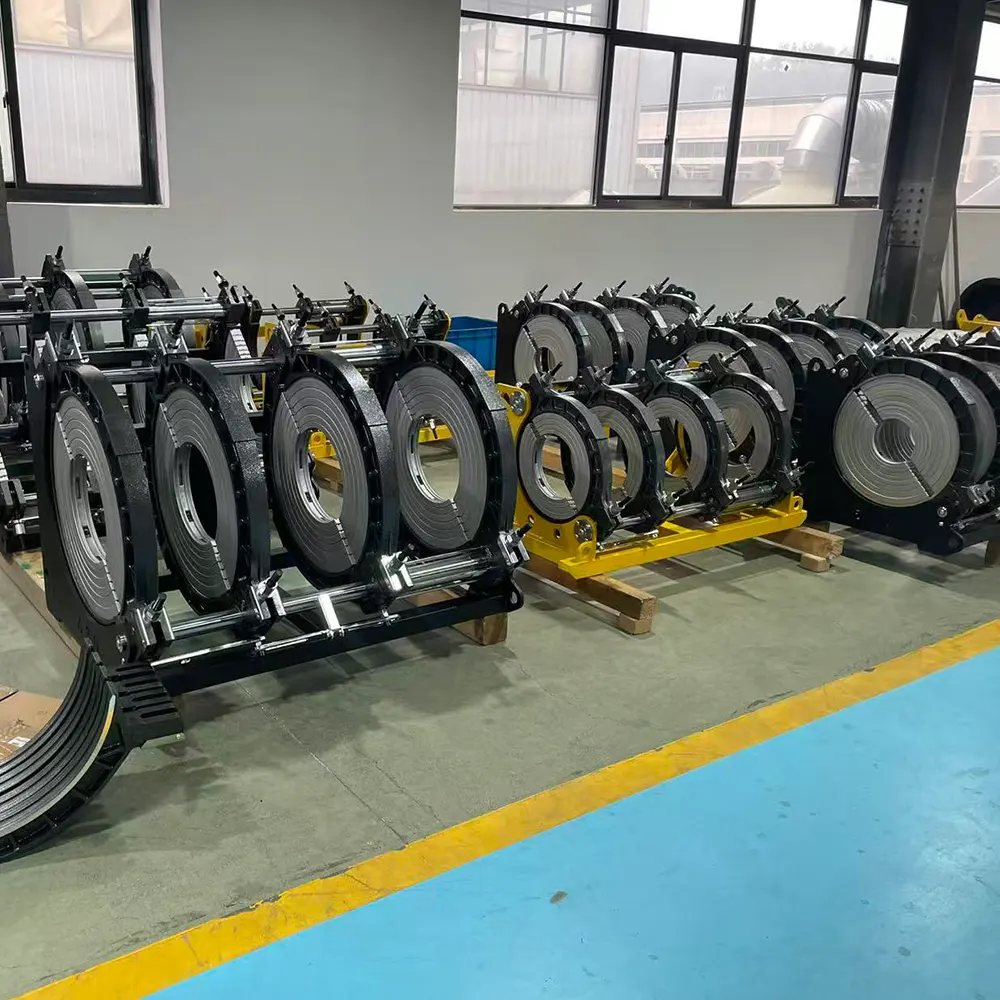
Buying Guide: Selecting Your Water Pipeline Welder
To ensure project success, consider these factors before purchasing a poly fusion machine for water pipelines:
1. Assess Pipe Specifications
Confirm the maximum pipe diameter and Standard Dimension Ratio (SDR). The machine must have the clamping force and hydraulic capacity to handle the thickest pipe walls in your scope. Always match the machine’s capacity to your peak project demand.
2. Verify International Compliance
Water authorities often mandate adherence to global standards. Ensure the machine supports the welding parameters defined in ISO 21307 and that the manufacturer provides certification documents. This is critical for project approval.
3. Evaluate After-Sales Support
A poly fusion machine is a long-term investment. Look for suppliers offering comprehensive technical support, readily available spare parts (like heaters and trimmers), and operator training resources. Downtime on a water pipeline project can be extremely costly.
4. Consider Portability and Environment
Rough terrain environments require machines with robust trolleys and all-terrain wheels. For confined spaces, compact manual or mini-hydraulic units offer the necessary maneuverability without sacrificing welding quality.
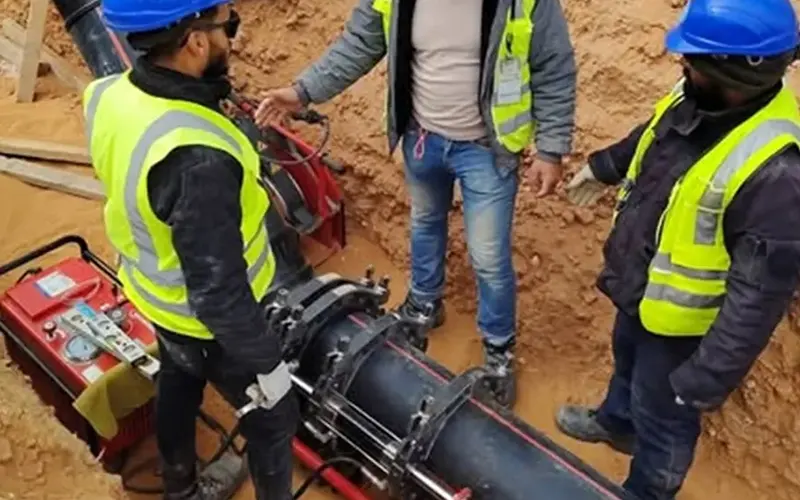
Ensuring Operator Quality and Safety
Even the most advanced poly fusion machine for water pipelines relies on skilled operators. Proper training on trimming, alignment, and interpreting thermal gauges is essential. Always prioritize machines with clear, intuitive control panels and emergency stop features. Regular calibration of the heating plate surface temperature eliminates cold fusion risks, which are the leading cause of field failures in water mains.
For contractors and municipalities managing large-scale water distribution, partnering with an experienced equipment supplier streamlines procurement. JQ-Fusion provides a wide range of manual, hydraulic, and automatic machines engineered to meet the rigorous demands of global water infrastructure projects, ensuring every fusion joint performs reliably for decades.



