
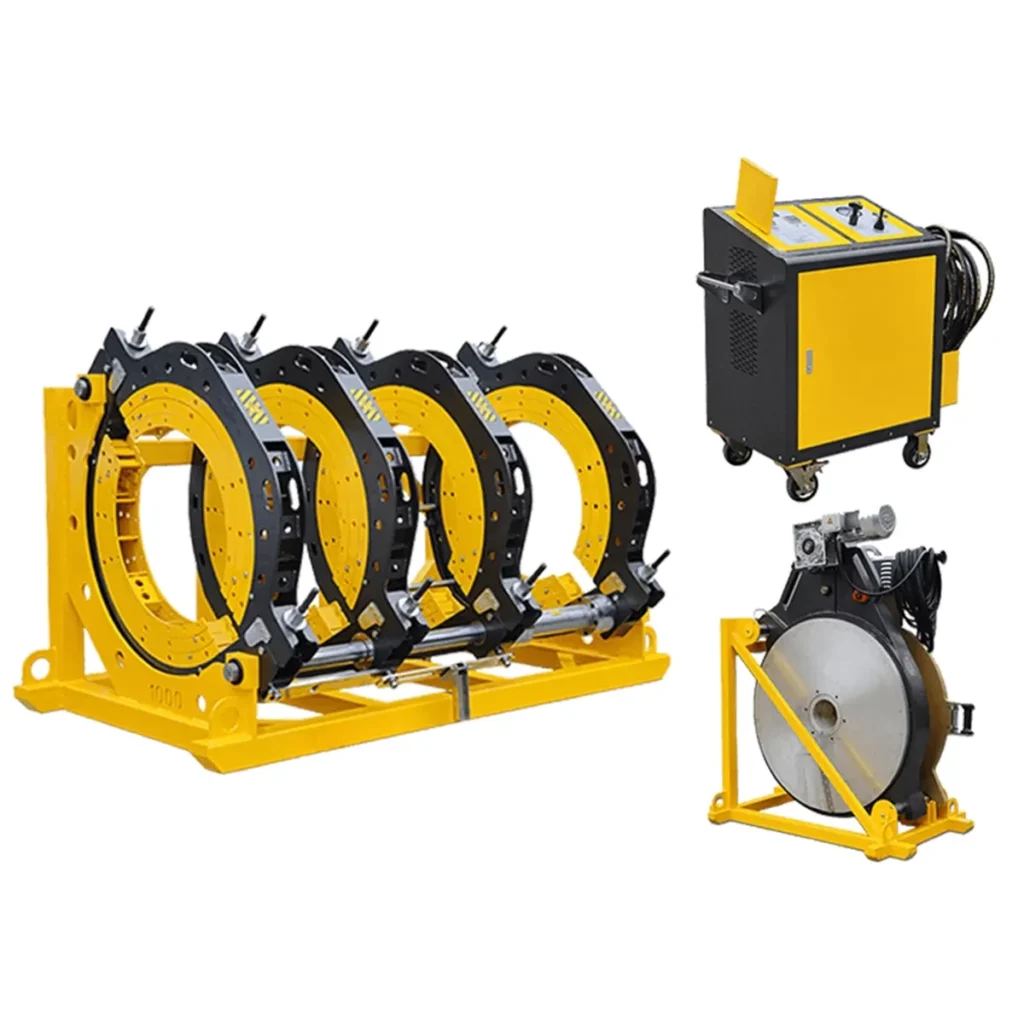
Choosing a reliable pipe fusion machine in Zambia is essential for contractors, municipal engineers, and mining operators who build durable HDPE pipelines for water, irrigation, and industrial services. This guide explains machine types, buying tips tailored to Zambia’s field conditions, and practical applications so you can pick equipment that boosts uptime, safety, and long-term value.
Why HDPE Pipe Fusion Matters in Zambia
Zambia’s infrastructure programs — from rural water supply projects to large-scale mining and irrigation schemes — increasingly rely on HDPE piping because of its corrosion resistance, flexible installation, and long service life. Proper butt and electrofusion welding ensure leak-free joints that reduce maintenance costs, prevent water loss, and meet local standards such as the Zambia Bureau of Standards (ZABS) and international ISO requirements.
Durability in Local Conditions
High UV exposure, seasonal rains, dusty mining sites, and remote deployment locations make robust fusion equipment a must. Machines with sealed hydraulic systems, durable heating plates, and reliable temperature control are especially valuable for Zambian environments.
Types of Pipe Fusion Machines — Quick Overview
Understanding differences helps match machine features to project scale and workforce skills:
Manual Butt Fusion
Best for small-diameter pipes and low-volume jobs. Portable and cost-effective, but operator skill controls weld quality.
Hydraulic Butt Fusion
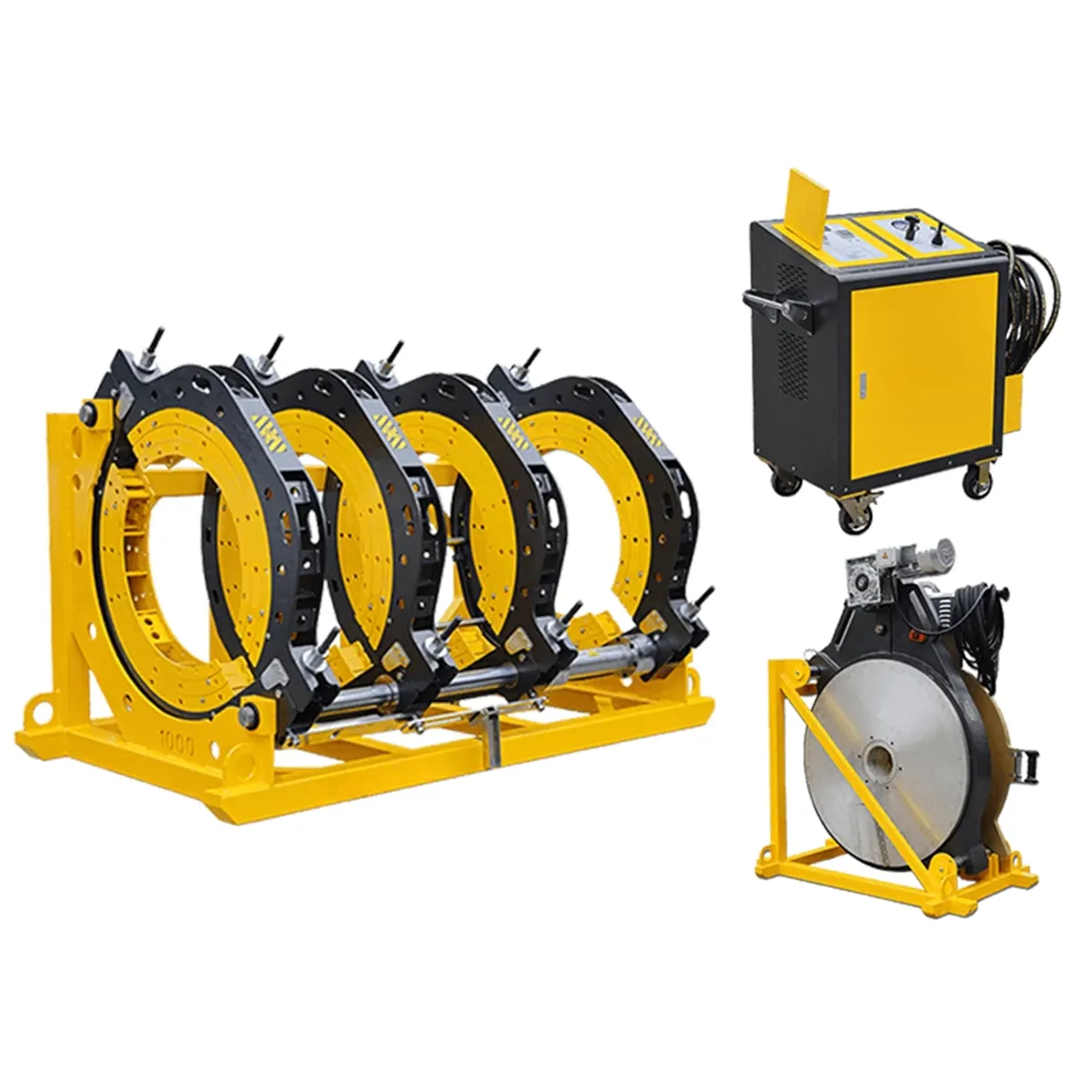
Designed for medium to large diameters; offers stable clamping and consistent pressure — ideal for municipal water mains and mining pipelines.
Automatic / CNC Butt Fusion
Provides programmable cycles, welded parameter logging, and repeatable results for long runs and critical infrastructure. Consider this for large projects and contractors seeking higher productivity.
Electrofusion Machines
Used for fittings and special joints; excellent where access or alignment limits butt fusion. Perfect for repairs and distribution networks in urban areas like Lusaka and Ndola.
How to Choose the Right Machine in Zambia
Selecting the best model depends on project type, site constraints, and long‑term support.
- Project scope & pipe diameter: Small rural mains (20–160 mm) often use manual/compact machines; distribution and industrial mains (200–1000+ mm) need hydraulic or CNC systems.
- Portability vs. productivity: Remote villages require lightweight, transportable units; city projects and mines benefit from higher-output automatic machines.
- Power availability: If mains power is unreliable, choose equipment compatible with generators or battery-assisted control units.
- Local compliance & certification: Ensure welding procedures and machines support ZABS/ISO standards and produce traceable weld records where required.
- After-sales service & spare parts: Fast access to heating elements, hydraulic seals, and control modules reduces downtime—important when shipping to Copperbelt and Southern provinces.
Cost vs ROI: Budgeting Tips
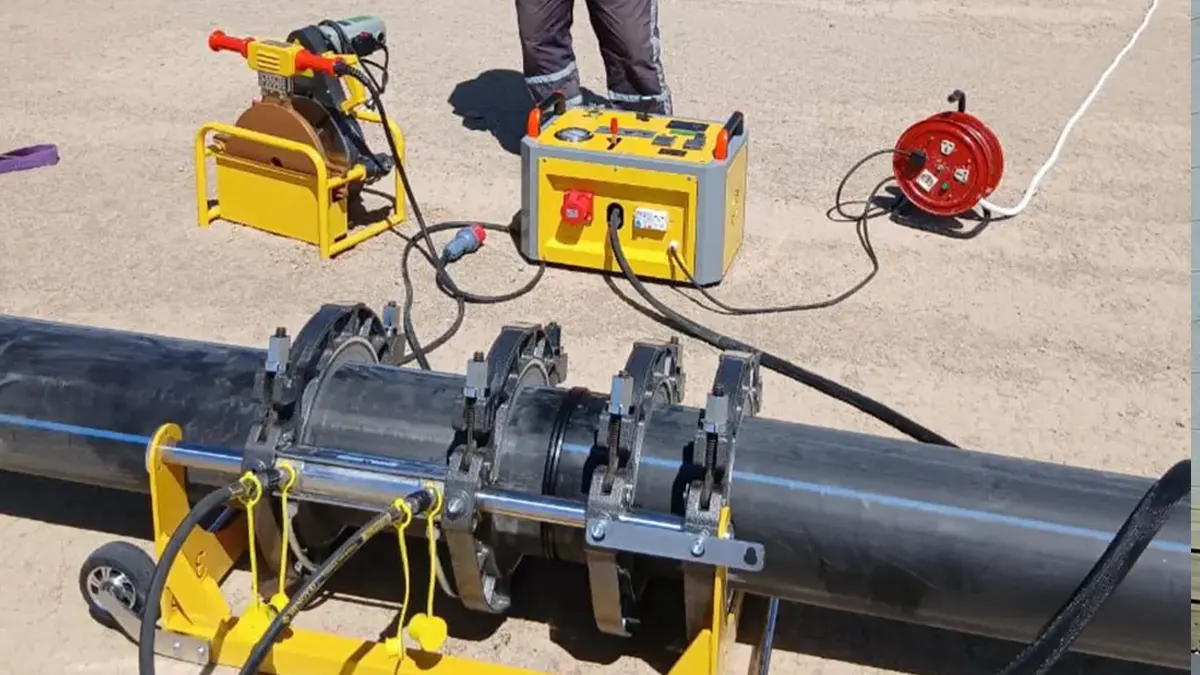
Upfront machine cost is important, but long-term value comes from reliability, weld consistency, and low maintenance. For recurring municipal and mining work, investing in an automatic or well-supported hydraulic machine reduces labor costs and rejects. For occasional repairs, portable manual or electrofusion tools often offer the best payback.
Common Applications in Zambia
Zambian buyers commonly deploy fusion machines for:
- Rural and urban water distribution networks (piped household water connections)
- Irrigation systems for smallholders and commercial farms
- Mining process lines, slurry and tailings transfer (robust large-diameter fusion units)
- Sewer and stormwater upgrades where corrosion resistance matters
- Utility repairs and trunk line extensions in provincial towns
Maintenance & Best Practices
Routine care extends machine life and ensures weld quality:
- Keep heating plates clean and protected during transport.
- Perform hydraulic checks and replace seals before the rainy season.
- Log weld parameters and retain trace files for tender or compliance purposes.
- Train local operators on fusion procedures and safety — competent training eliminates most field failures.
Quick Comparison Table
| Machine Type | Best For | Diameter Range | Pros / Cons |
|---|---|---|---|
| Manual Butt Fusion | Small repairs, rural installs | 20–315 mm | Low cost / operator-dependent quality |
| Hydraulic Butt Fusion | Municipal & industrial mains | 160–2000+ mm | Stable pressure / heavier, needs transport |
| Automatic / CNC | Large projects, repeatable welds | 63–2000+ mm | High productivity / higher initial cost |
| Electrofusion | Fittings, repairs, constrained sites | 20–630 mm (fittings) | Flexible for repairs / consumable couplers |
Final Buying Checklist for Zambia
Before purchase, confirm: machine diameter range, portability, generator compatibility, training availability, spare parts lead time to Lusaka/Kitwe, warranty terms, and weld record capability. These checks protect your investment and help meet Zambian project specifications.
Company Info
JQ-Fusion is a professional manufacturer specializing in HDPE pipe welding machines and offers a wide range of manual, hydraulic, and CNC automatic butt fusion welding machines to support infrastructure projects across Zambia and beyond. Visit https://jq-fusionwelding.com/ for product details and support.



