
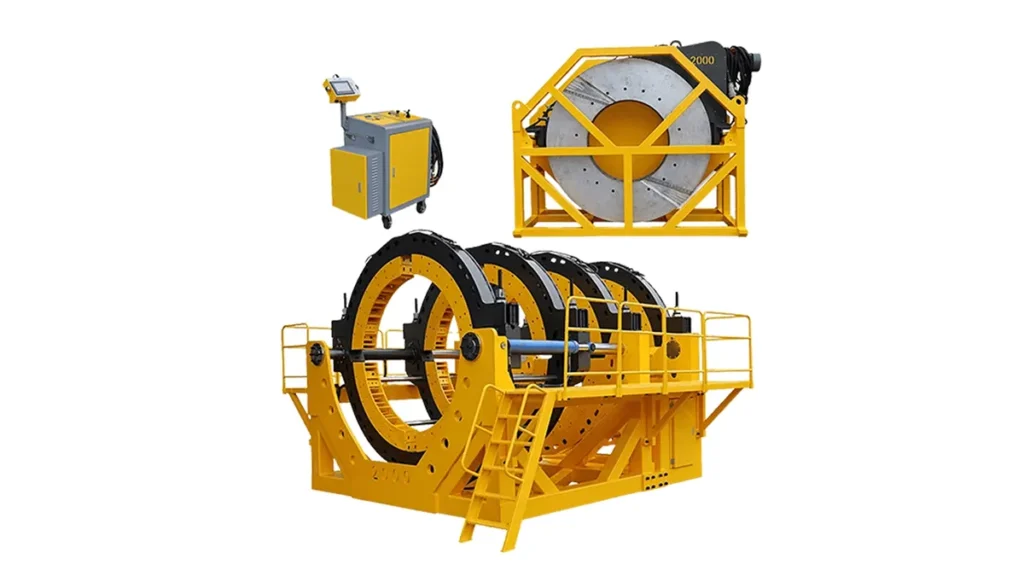
Choosing the right automatic pipe welding machine manufacturer can make or break the timeline, safety, and long-term costs of your pipeline project. This guide explains how to evaluate suppliers, compare machine types, and ensure reliable after-sales support so your infrastructure work stays on schedule and within budget.
Why Supplier Selection Matters
Quality consistency, traceable processes, and responsive service are critical when specifying equipment for water, gas, mining, or industrial pipelines. The right supplier not only delivers equipment but also reduces downtime, improves weld quality, and helps meet regulatory requirements.
Project risk and schedule
Delays caused by unsuitable equipment or slow spare-parts delivery quickly escalate costs. Prioritize suppliers that demonstrate fast lead times and robust logistics.
Long-term cost of ownership
Initial machine price is only part of the story. Consider maintenance, consumables, training, and spare parts availability when estimating lifetime costs.
Key Criteria to Evaluate a Welding Machine Supplier
1. Product range and technical fit
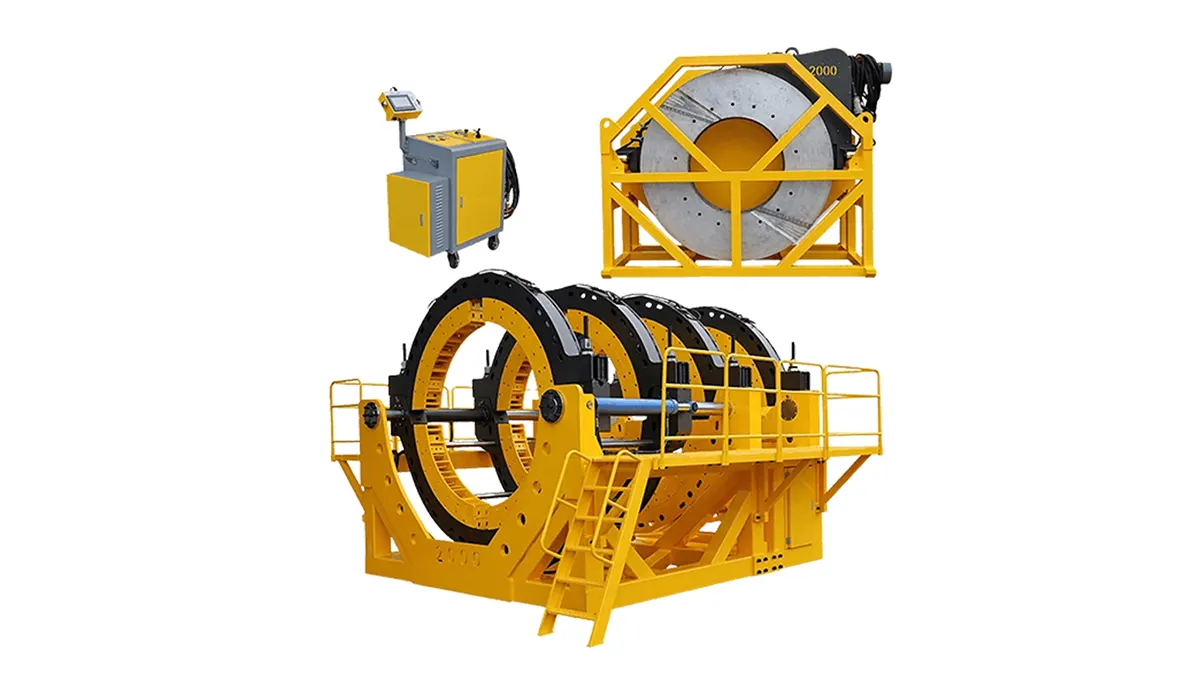
Make sure the supplier offers the machine types you need—manual, hydraulic, or CNC automatic butt fusion systems—and that their models cover the pipe diameters and materials used in your project.
2. Proven experience and references
Ask for case studies or references from similar projects. Suppliers with experience in municipal water, gas distribution, or mining pipelines can anticipate common field challenges.
3. Quality control and certifications
Request documentation for manufacturing QA (e.g., ISO) and evidence of component traceability. Compliance with relevant regional standards is especially important for public works and gas applications.
4. After-sales support and spare parts
Local or regional technical support reduces downtime. Confirm spare-parts lead times, availability of consumables (heating plates, scrapers), and whether training or commissioning is offered.
5. Customization and upgrades
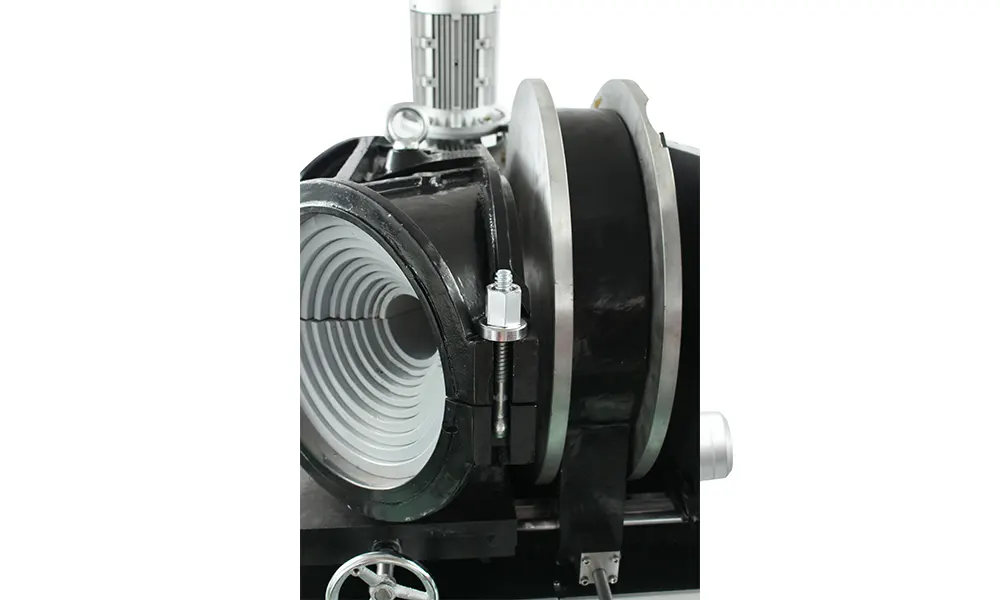
For special pipe fittings, multi-angle welding, or large-diameter applications, suppliers who provide tailored fixtures, hydraulic upgrades, or CNC controls will add value to complex projects.
Machine Type Comparison
| Machine Type | Best For | Key Advantages |
|---|---|---|
| Manual Butt Fusion | Small crews, rural sites | Low cost, portable, easy to maintain |
| Hydraulic Butt Fusion | Medium to large diameters | Stable clamping, higher force, suitable for harsh conditions |
| Automatic / CNC Butt Fusion | High-volume, precision-critical projects | Repeatable welds, digital control, data logging |
| Multi-Angle / Fitting Machines | Complex fittings and branch connections | Improves accuracy for non-linear joints and fittings |
Practical Questions to Ask Potential Suppliers
Can you provide operators’ training and commissioning? Field training ensures correct welding technique and protects warranty coverage.
What is your standard warranty and spare-parts policy? Clarify which parts are covered and expected response time for critical components.
Do you support on-site troubleshooting or remote diagnostics? Remote support and clear escalation paths minimize downtime on remote projects.
Can you supply traceable calibration and QA documentation? This is essential for projects with regulatory inspections and long-term asset records.
Procurement and Cost Management Tips
Request a total cost of ownership estimate that includes spare parts, consumables, training, and estimated maintenance intervals. Consider rental or lease options for one-off projects to avoid large capital expenditure. When evaluating quotes, ensure all technical specifications (throat depth, clamp capacity, heater plate size, control features) are listed for an apples-to-apples comparison.
Service, Training and Warranty
Prefer suppliers that offer structured training programs, downloadable welding reports, and formal warranty terms. A clear service network or authorized partners in your region reduces logistical friction and shortens repair cycles.
How JQ-Fusion Supports Pipeline Projects
JQ-Fusion provides a broad portfolio of HDPE pipe welding machines—from manual and hydraulic units to CNC automatic butt fusion systems—along with documentation, spare parts, and commissioning support to help projects complete on time and to specification. Visit https://jq-fusionwelding.com/ for product details.
Next steps for buyers
Compile your project requirements (pipe materials, diameters, expected daily weld length, site conditions) and request detailed proposals from shortlisted suppliers. Evaluate responses against technical fit, support infrastructure, and total cost of ownership to make an informed selection.
Final note
Choosing the right automatic pipe welding machine supplier is a strategic decision that impacts quality, safety, and project economics. Focus on long-term support, verified performance, and clear documentation to reduce risk and maximize uptime.



