
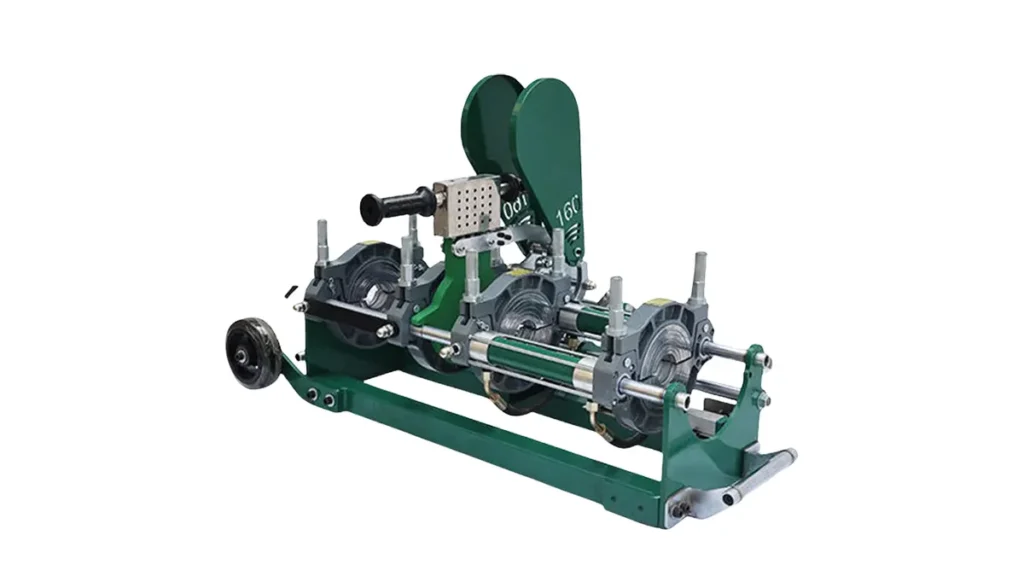
Pipe fusion technology is transforming pipeline construction across Tajikistan — from mountain irrigation channels to municipal water networks and industrial conveyance systems. Reliable, weather-resistant joints and efficient on-site welding reduce downtime and lifecycle costs for local contractors and infrastructure planners.
Reliable Pipe Fusion Solutions for Tajikistan
Butt fusion and multi-angle fitting machines are the backbone of modern HDPE pipeline installation. For projects in Tajikistan’s varied terrain — steep valleys, high altitudes, and remote villages — equipment that is robust, portable, and easy to maintain is essential. Learn about practical machine choices, applications, and selection tips tailored to Central Asian conditions.
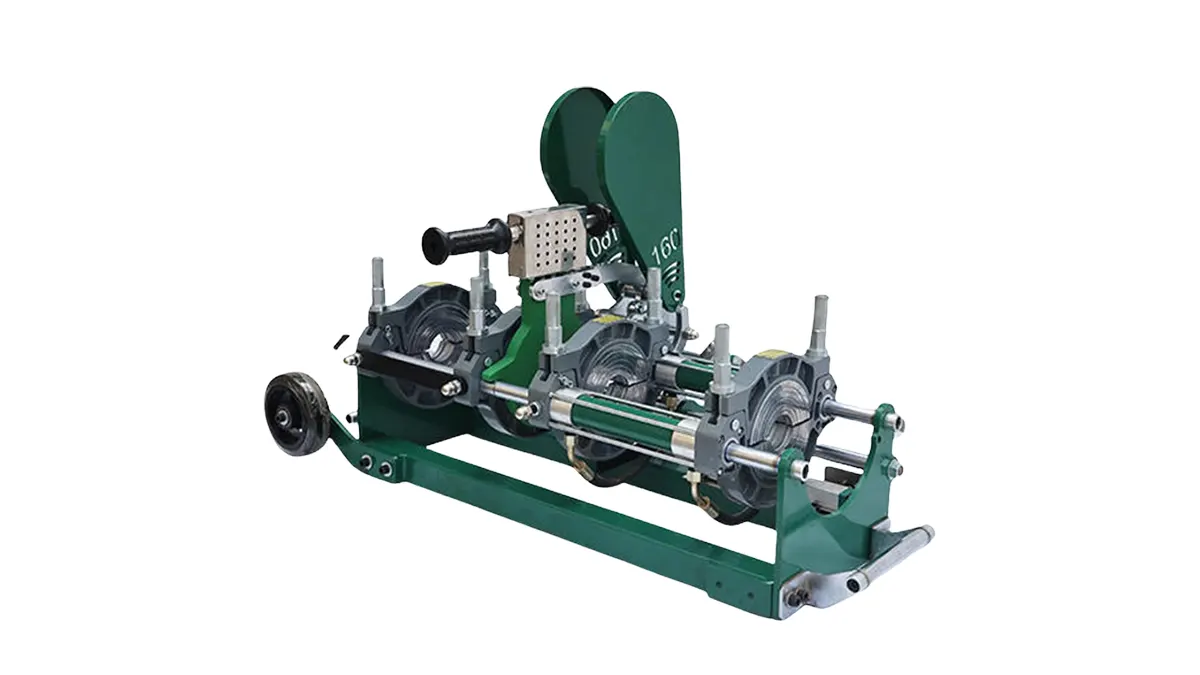
Machine Types Suited to Local Projects
Manual, hydraulic and CNC automatic butt fusion machines cover the full spectrum of needs:
– Manual machines: compact and ideal for small-diameter pipe repairs and rural installations.
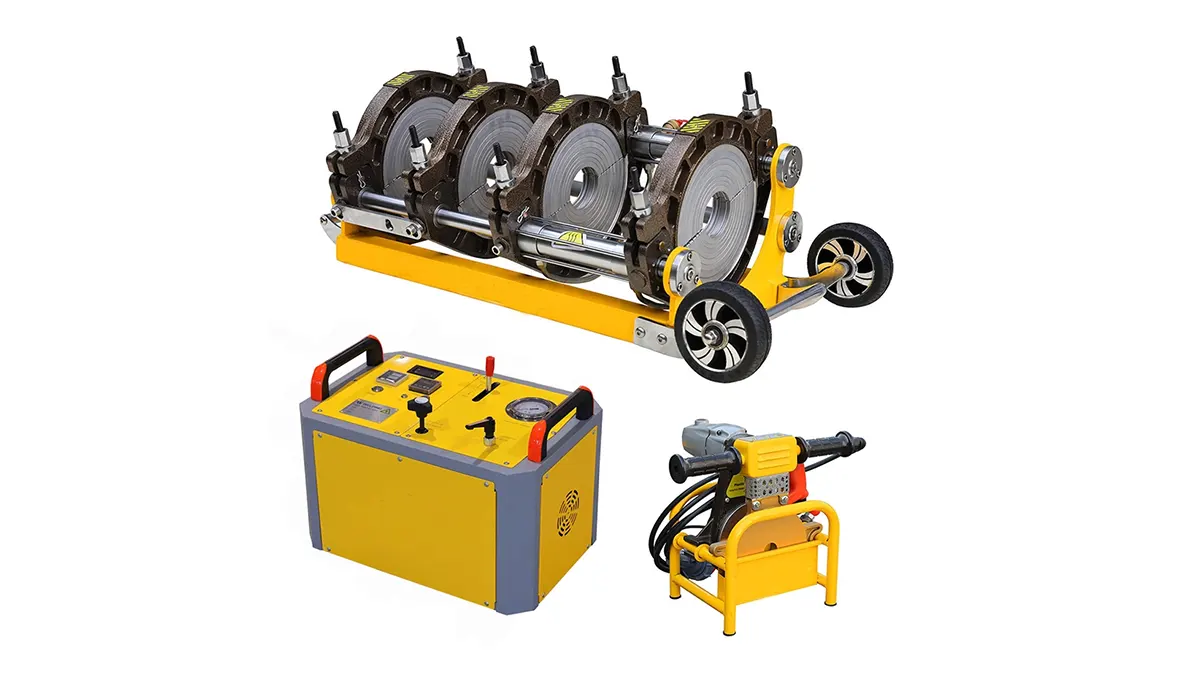
– Hydraulic machines: higher clamping force for medium to large diameters used in municipal and irrigation mains.
– Automatic/CNC machines: precision welding for continuous production lines and large-diameter trunk pipelines.
| Pipe OD (mm) | Recommended Machine Type | Typical Tajik Application |
|---|---|---|
| 20 – 160 | Manual / Lightweight Hydraulic | Village water lines, small irrigation spurs |
| 160 – 630 | Hydraulic Butt Fusion | Municipal supply, district heating conduits |
| 630 – 2250+ | CNC Automatic / Large-Diameter Hydraulic | Major trunk mains, industrial and mining pipelines |
Why Butt Fusion Works Well in Tajik Conditions
HDPE butt fusion creates a homogeneous joint that performs better than mechanical fittings in freeze-thaw cycles and in sediment-laden irrigation water. For Tajikistan:
– High-altitude resilience: polymer joints tolerate temperature swings and UV exposure when buried or protected.
– Corrosion resistance: ideal for mineral-rich river diversions and tailwater from hydropower facilities.
– Long service life: reduces repeated maintenance trips to remote valleys, lowering operational costs for local utilities.
Applications: From Irrigation to Hydropower
Common uses in Tajik projects include:
– Irrigation networks for agricultural terraces and cotton fields.
– Potable water distribution in regional towns and highland communities.
– Industrial and mining pipelines where abrasion and chemical resistance are required.
– Conduits and penstocks connected to small hydropower stations.
Installation & Local Support
Successful fusion installations in remote areas depend on trained operators, reliable spare parts, and simple diagnostics. Look for suppliers who can provide on-site training, clear welding logs, and easy-to-source tooling. For streamlined procurement and support, visit JQ-Fusion for product specs and service options.
Choosing the Right Machine — Practical Tips
– Evaluate the maximum pipe diameter and terrain access before selecting a model.
– Prioritize portability for hillside and mountain-slope work sites.
– For large municipal projects, invest in CNC automation to improve weld repeatability and reduce human error.
– Confirm availability of consumables (heating plates, scrapers, clamps) and spare parts shipping times to Central Asia.
Next steps: define your project scope (diameter, daily welds, site access) and request machine comparisons and delivery timelines. Well-chosen fusion equipment improves pipeline longevity and lowers lifecycle costs across Tajikistan’s demanding environments.



