

Looking for the best electrofusion welder in Egypt to ensure reliable HDPE pipe fusion and efficient on-site welding? This guide covers what Egyptian contractors, municipal utilities, and irrigation companies need to know—features to prioritize, local application scenarios, maintenance tips, and a compact buying checklist to help you choose machines that deliver consistent, code-compliant joints under Egyptian field conditions.
Why Electrofusion Is Essential for HDPE Pipe Networks in Egypt
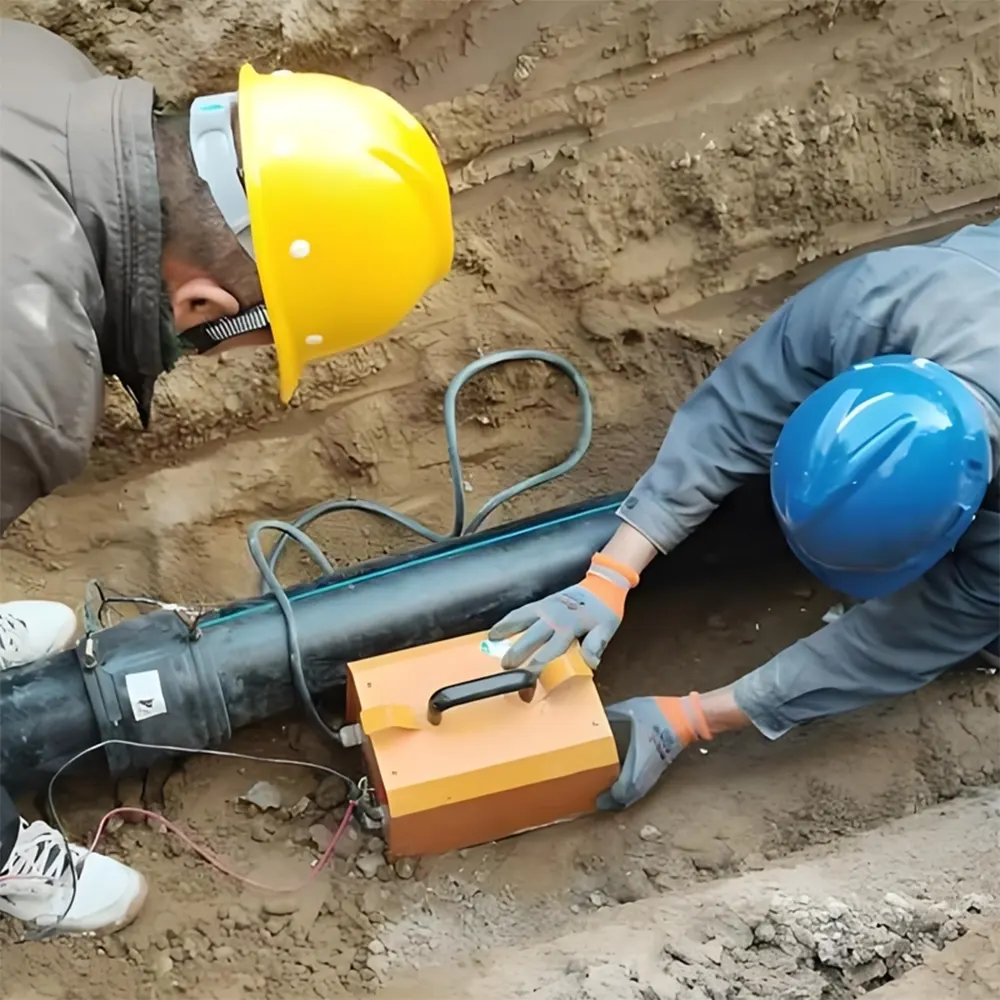
Electrofusion welding is widely used across Egypt for water distribution, irrigation canals, wastewater infrastructure, and gas networks because it produces leak-free joints with excellent mechanical strength. In arid and coastal regions, electrofusion reduces the need for large excavation and complex fittings, making installations faster and more cost-effective for municipal projects and private farms alike.

Common Egyptian Applications
– Urban water distribution networks (Cairo, Alexandria, Giza)
– Agricultural irrigation and drip systems along the Nile Delta and Upper Egypt
– Gas distribution and industrial pipeline repairs in petrochemical areas
– Remote desert and mining site pipelines where portability and reliability matter
Key Features to Look For in an Electrofusion Welder
Reliable power handling (stable output for 220–240V grids commonly used in Egypt). Strong temperature compensation and clear welding logs are invaluable when working across seasonal temperature swings.
User-friendly interface with local language support or easy symbol-driven menus helps crews in regional cities and rural teams operate safely and quickly.
Durability — sealed casing and robust connectors protect electronics from dust, sand, and humidity near coastal zones.
Performance & Spec Comparison
| Feature | Why It Matters | Recommended Spec |
|---|---|---|
| Output Stability | Consistent weld energy under fluctuating mains | Auto voltage compensation, ≤±2% variation |
| Built-in Logging | Traceability for quality audits and project records | CSV export / on-board memory |
| Connector Durability | Reduced downtime from connector failures | Heavy-duty brass or plated contacts |
| Portability | Critical for field repairs and remote projects | Compact units ≤15 kg for handheld models |
Top Electro-Fusion Workflow for Field Teams
1. Surface preparation: Clean pipe OD and fitting ID of dust, oil, and moisture using a non-scratch cloth and compatible solvent.
2. Alignment & clamping: Proper alignment avoids stress at the joint — use a stable clamping system suited to pipe diameter.
3. Welding parameters: Follow the fusion fitting label for time and current. Use the machine’s parameter readout and save weld logs for QA.
4. Cooling: Allow recommended cooling time before handling—this reduces joint stress and ensures long-term leak resistance.
Maintenance, Troubleshooting & Local Considerations
– Perform daily connector inspections and clean contacts before each shift.
– Keep a spare set of fuses and an approved power stabilizer for remote sites with poor grid quality.
– If a weld fails, first verify connector continuity and confirm ambient temperature adjustments were applied correctly. Re-run logs to identify voltage dips.
Buying Tips for Egyptian Buyers
– Verify the machine supports 220–240V mains and includes surge protection for areas with unstable supply.
– Choose equipment with multilingual menus or intuitive symbols if your team prefers Arabic language support.
– Confirm availability of spare parts and local technical support; fast replacement reduces costly downtime on large municipal or agricultural contracts.
Certifications & Compliance
Look for CE, ISO quality marks, and adherence to relevant pipe fitting standards. For gas networks, ensure compatibility with national utility requirements and gain clearance from project engineers before procurement.
Where to Buy & Manufacturer Overview
JQ-Fusion (https://jq-fusionwelding.com/) is a professional manufacturer specializing in HDPE pipe welding machines, offering manual, hydraulic, and CNC automatic butt fusion equipment across a wide range of diameters. They support infrastructure projects with durable, customizable welding solutions and responsive service for international clients.
Final Recommendation
Choose an electrofusion welder that balances durable construction, reliable electronics for Egypt’s field conditions, clear logging for project traceability, and accessible after-sales support. Prioritizing these features will ensure efficient welding, fewer call-backs, and long-term joint integrity across your pipelines.



