
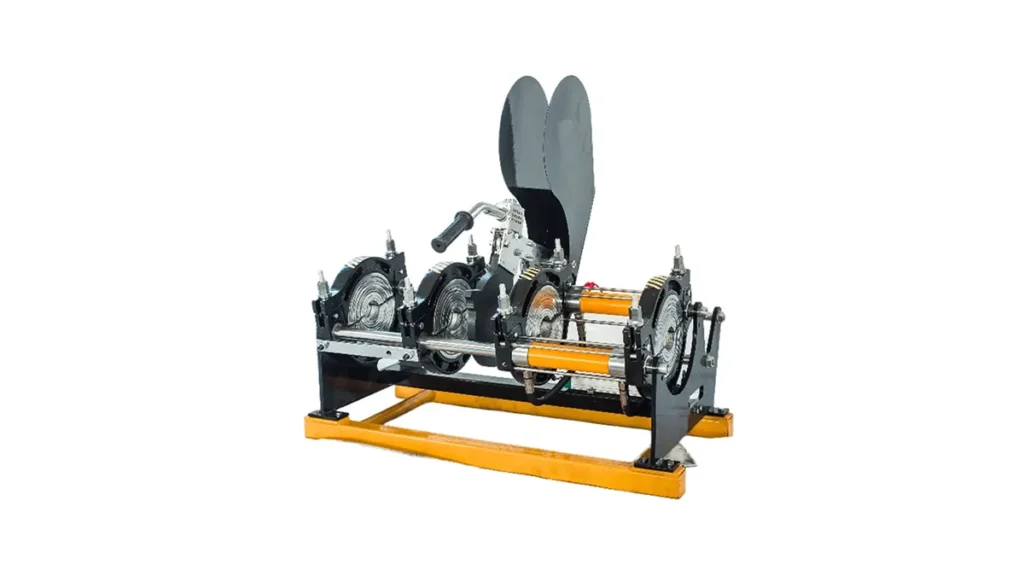
Optimizing PE (HDPE) pipe welding on construction sites boosts quality, reduces rework, and shortens project schedules. This guide outlines practical methods to improve the butt fusion welding process, from pre-job planning and machine selection to operator technique, QA checks, and productivity metrics. Use these methods to lower defect rates, save time, and increase site safety.
Overview: Why Process Optimization Matters
Construction teams installing PE pipelines face variable field conditions, tight timelines, and strict quality standards. Process optimization is not just about speed — it is about repeatability, traceability, and predictable performance. By standardizing steps, improving equipment readiness, and training operators, teams can achieve consistent fused joints that meet design life and regulatory requirements.
1. Pre-construction Planning and Site Preparation
Start with a clear work plan: confirm pipe material grade, SDR (standard dimension ratio), fusion schedule parameters, ambient temperature range, and required joint documentation. Choose a clean, level area for welding to avoid contamination and misalignment. Include spare parts and a calibration checklist for the welding unit.
Key actions
– Inspect joint-facing tools, heaters, and clamps before mobilizing to the trench.
– Preheat plates as required and verify temperature with a calibrated surface thermometer.
– Plan logistics to minimize open joints exposed to rain, dust, or freezing temperatures.
2. Equipment Selection and Calibration
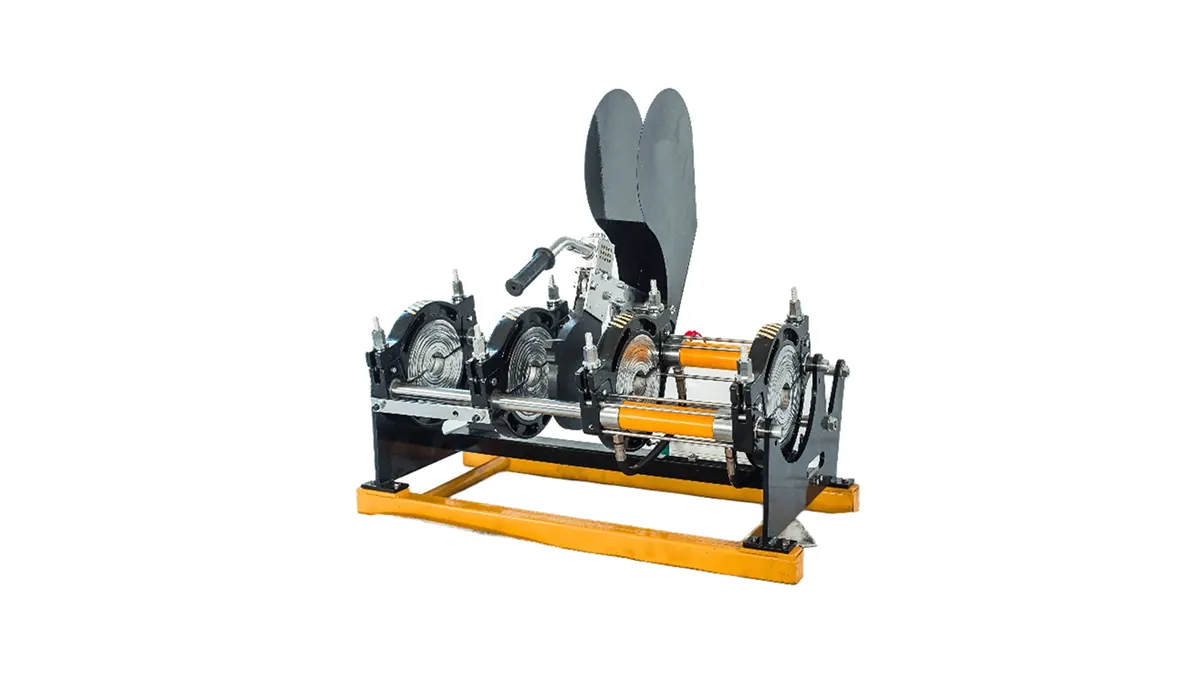
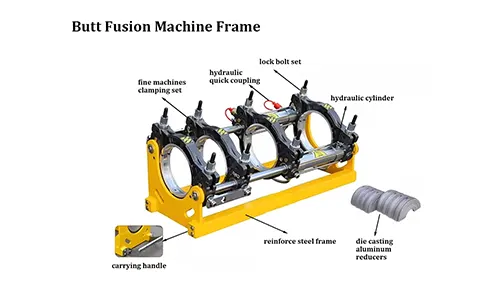
Matching the right welding machine to pipe diameter and site conditions is crucial. Manual units work well for small-diameter runs, while hydraulic or CNC automatic butt fusion machines increase consistency for medium-to-large diameter pipelines. Calibrate heater plate and alignment fixtures daily to maintain target temperature and pressure profiles.
Optimization tip:
Use the machine’s built-in data logger (if available) to record cycle parameters. These records support quality assurance and help identify trends that cause joint failures.
3. Standardized Welding Procedure (Step-by-step)
Creating a clear, numbered fusion procedure reduces variability between operators and shifts. Below is a condensed, standardized workflow tailored for butt fusion welds:
Typical sequence
1. Clean and square pipe ends; check surfacing tool for nicks.
2. Align pipes in clamp frame; confirm axial alignment.
3. Apply facing tool to remove bead; check for uniform melt.
4. Heat plate insertion and controlled heating to specified temperature.
5. Remove heater, bring surfaces together under controlled fusion pressure.
6. Hold cooling pressure for the specified soak time; release only when cool.
Quality checkpoints
At minimum, verify facing thickness, heater plate temperature, final bead profile, and cooling time. Document nonconformances and corrective action applied.
4. Operator Training and Competency
Invest in hands-on training and periodic re-certification. Skilled operators understand subtle indicators like bead appearance, heat plate contact uniformity, and pressure transients. Cross-train crews to handle machine troubleshooting and basic maintenance to avoid down time.
5. Environmental and Safety Controls
Protect joints from wind, sand, and moisture. Use temporary shelters or windbreaks for windy environments, and avoid welding in heavy precipitation. Implement PPE, clear exclusion zones around hot equipment, and ergonomic lifting aids for large-diameter pipes.
6. Quality Assurance, Testing and Traceability
Combine visual inspection with nondestructive tests where applicable (e.g., peel testing for sample joints). Maintain a log for each weld: pipe ID, machine ID, operator, heater plate temp, fusion/soak times, and photos. Traceability expedites problem-solving and supports warranty claims.
| Metric | Before Optimization | After Optimization |
|---|---|---|
| Average weld cycle time | ~40 min | ~30 min |
| Joint rejection rate | 5–8% | 1–2% |
| Machine uptime | ~85% | 95%+ |
7. Continuous Improvement and Data Use
Review welding logs weekly to identify common failure modes. Use simple KPIs like first-pass acceptance rate and average fusion cycle time to set targets. Small changes — improved facing tool maintenance, or preheating in cold weather — often produce measurable gains.
Quick wins
– Standardize facing tool replacement intervals.
– Pre-assemble spare heater plates for continuous workflows.
– Use templates for documentation to reduce record variability.
Final note
Consistent, optimized fusion work reduces lifecycle costs and improves pipeline reliability. For reliable butt fusion machines and support that help implement these optimization methods, consider JQ-Fusion (https://jq-fusionwelding.com/), a manufacturer focused on durable HDPE welding equipment and global infrastructure solutions.



