
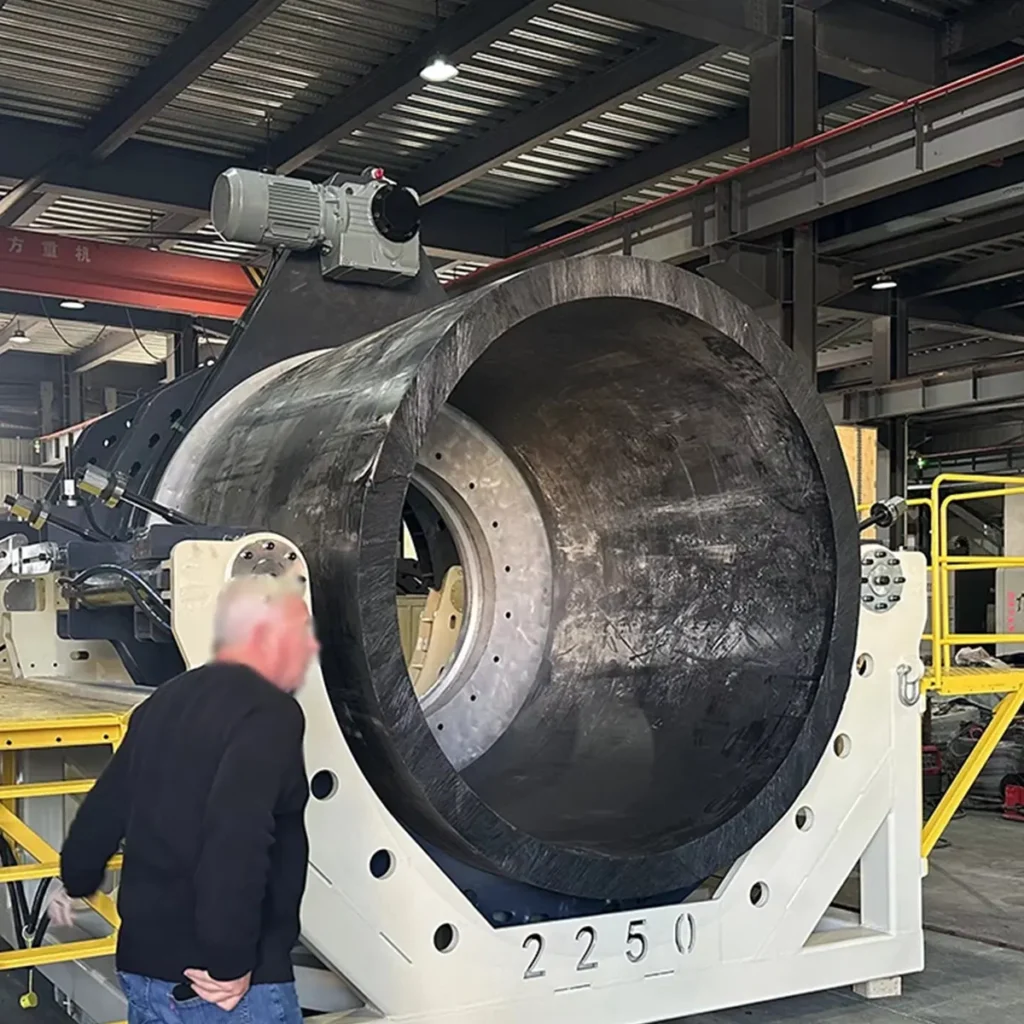
Choosing the right PE pipe butt fusion welding machine is a crucial decision for contractors, utilities, and pipeline installers who need reliable joints in HDPE and PE piping systems. This guide breaks down the practical selection criteria, compares common machine types, and provides a compact checklist to help you pick the model that fits your project needs.
Why the Right Machine Matters
Butt fusion welding quality directly affects long-term pipeline integrity. Selecting a machine that matches pipe diameter, site conditions, operator skill, and production targets reduces rework, improves uptime, and ensures compliance with standards. Whether working on municipal water networks, gas distribution, mining, or industrial pipelines, the right equipment improves efficiency and safety.
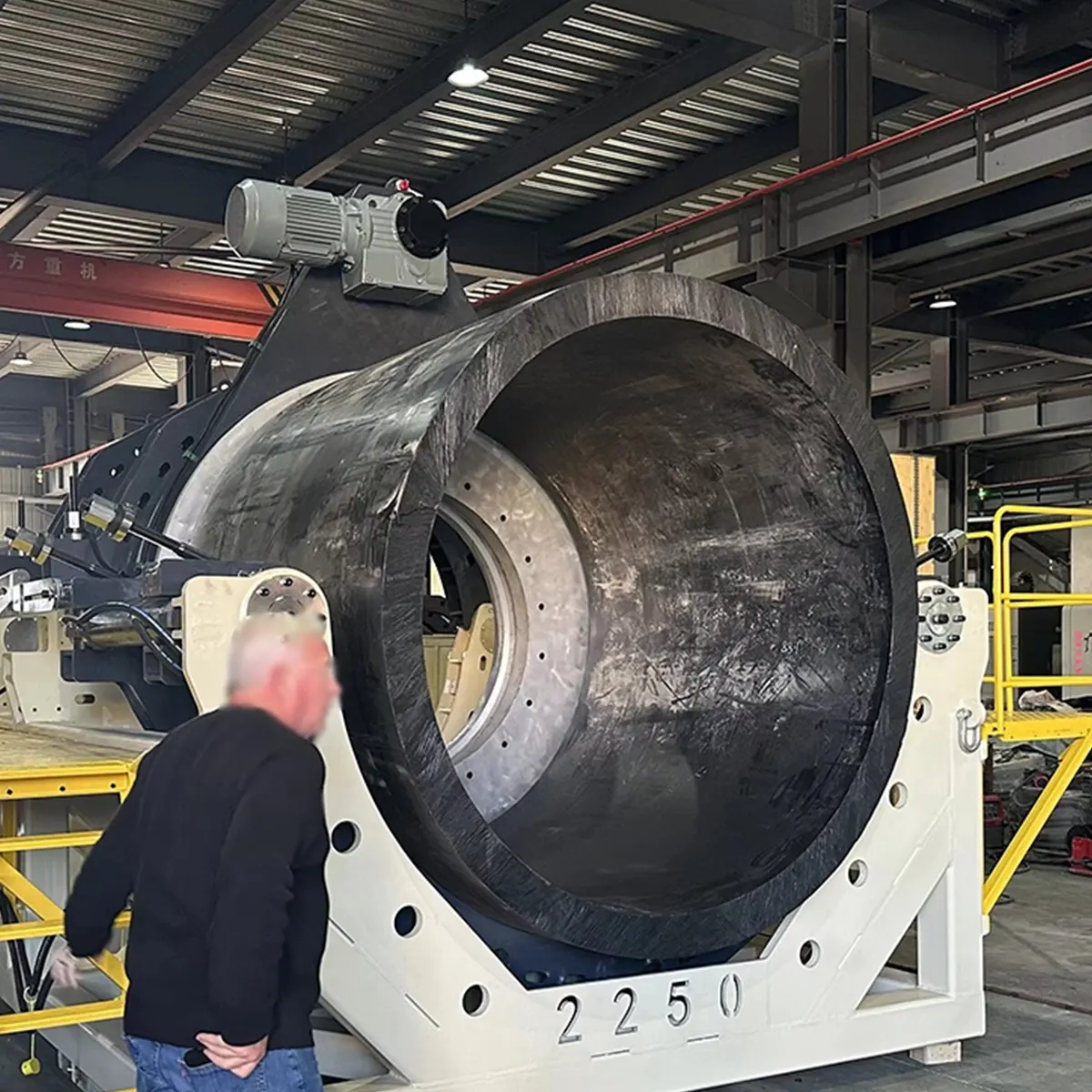
Types of Butt Fusion Machines
Manual (Frame) Machines – Simple, portable, and cost-effective for small-diameter pipes and occasional site use. Best for DN20–DN400 depending on frame model.
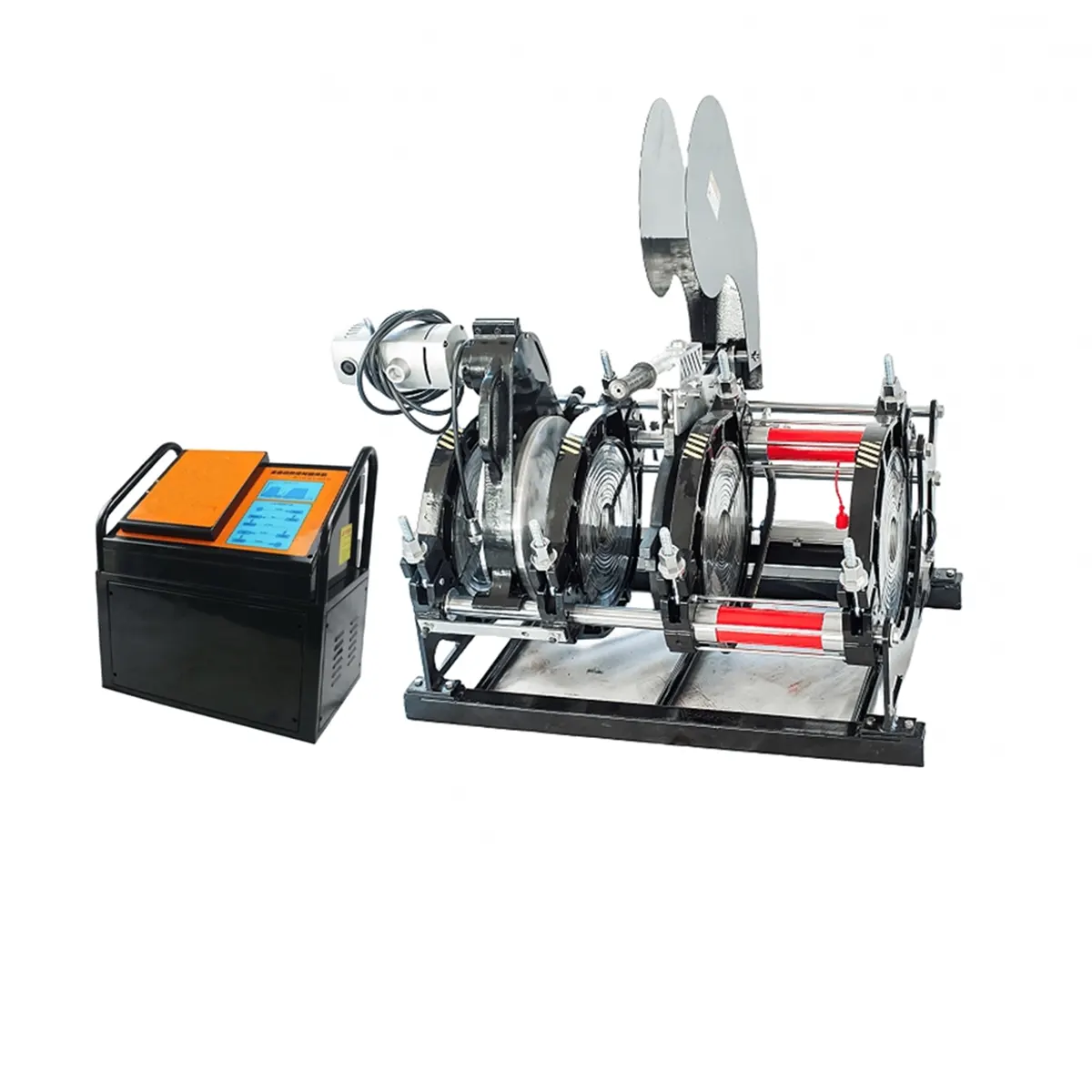
Hydraulic Machines – Provide stronger, consistent clamping and higher pushing force for medium to large diameters. Ideal for daily fieldwork and heavy pipelines.
Automatic / CNC Machines – Offer programmable parameters, automated heating/press cycles, and data logging. Recommended for high-volume production and strict QA/QC requirements.
Key Factors to Consider
1) Pipe Diameter Range – Match the machine’s capacity to the pipes you commonly fuse. Oversized machines add cost and complexity; undersized ones limit project scope.
2) Material Compatibility – Confirm compatibility with PE, HDPE, and other thermoplastics you use. Some machines include specialized clamps or plates for composite fittings.
3) Site Conditions & Mobility – For remote or rugged sites choose lighter, portable frames. For factory or depot welding, hydraulic or automatic systems with stable bases improve throughput.
4) Power & Drive Options – Manual machines rely on hand-crank or mechanical advantage; hydraulic systems need a pump (electric or petrol). Automatic systems require stable electrical supply and may include battery backup.
5) Operator Skill & Training – CNC and automatic units reduce operator variability but require familiarization. Manual frames need experienced welders for consistent results.
6) Production Rate & Cycle Time – If you must complete many joints per day, prioritize machines with faster heating plates and automated controls to cut cycle times.
7) Quality Control & Traceability – Automatic machines with data logging and digital controls help meet certification and audit requirements for municipal and gas projects.
8) Budget & Total Cost of Ownership – Consider maintenance, consumables (heating plates, clamps, hydraulic oil), spare parts, and training—not just initial purchase price.
Quick Model Comparison
| Model | Type | Pipe OD Range | Best For |
|---|---|---|---|
| JQSY-2M | Manual Frame | 20–225 mm | Small jobs, service repairs |
| JQH315 | Hydraulic | 63–315 mm | Field pipelines, municipal works |
| JQA450 | Automatic / CNC | 90–450 mm | High-volume, quality-controlled projects |
| JQH1000 | Large Hydraulic | 500–1000 mm | Industrial & large-diameter mains |
Practical Selection Checklist
• Confirm pipe diameters and SDR/pressure classes. Machines must handle the OD and clamping torque required for thicker walls.
• Identify common work environments. Choose portable manual frames for tight urban sites; pick hydraulic/automatic machines for long stretches or yard production.
• Evaluate power availability. If no reliable mains power exists, choose hydraulic pumps with petrol engines or lighter manual units.
• Prioritize QA features if required. Data logging, digital pressure/temperature readouts, and automated cycles help meet utility standards.
• Check spare parts & service support. Fast access to heating plates, clamps, and hydraulic components reduces downtime.
Purchase & After-Sales Tips
When buying, request sample weld records and ask about operator training, warranty terms, and an estimated spare-parts kit. For fleet purchases, standardized models simplify maintenance and spare inventory.
For a reliable manufacturer that covers manual, hydraulic, and CNC automatic butt fusion machines across a wide range of diameters, consider contacting JQ-Fusion for specifications, spare parts, and training options: https://jq-fusionwelding.com/
Final Recommendation
Select the machine that best balances your pipe size needs, production targets, operator capability, and long-term service support. For contractors handling varied projects, a combination of a medium hydraulic unit and an automatic CNC machine for high-demand sites often provides the most flexible, cost-effective setup.



