
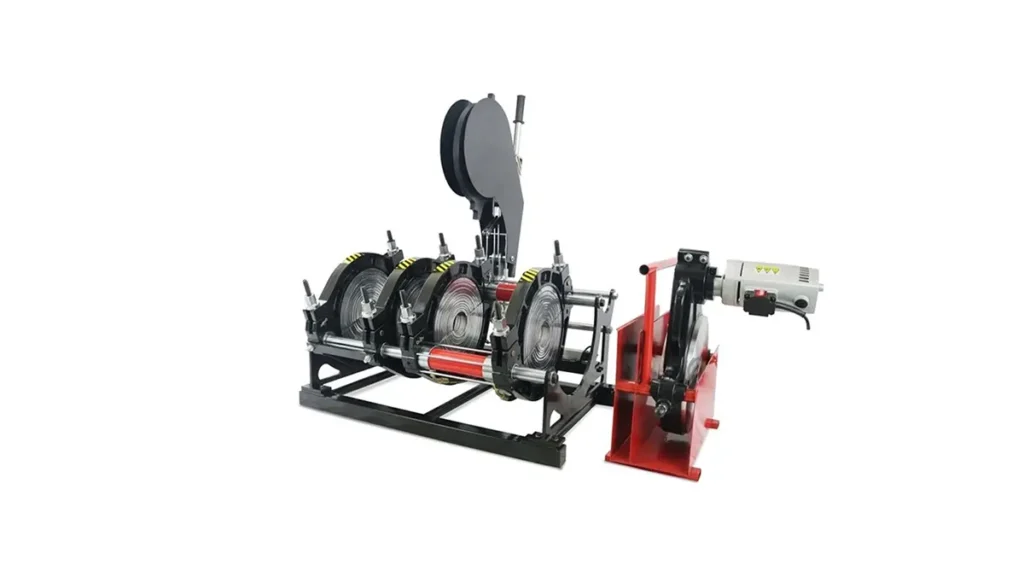
Qatar’s rapid infrastructure growth demands reliable HDPE pipe welding solutions for water, gas, and industrial pipelines. For contractors, municipal utilities and oil & gas operators working in Doha and across the peninsula, choosing the right HDPE pipe welder ensures long-lasting, leak-free joints despite the region’s high temperatures and challenging site conditions.
Why Choose Professional HDPE Pipe Welding in Qatar
Durability and safety are the top priorities when installing buried or above-ground HDPE networks in Qatar. Proper butt fusion welding produces homogeneous joints that match the pipe material’s strength, reducing failure risk in desalination feed lines, irrigation systems, and gas distribution.
Key Benefits for Qatari Projects
Resistance to corrosion, flexibility for thermal expansion, and simplified maintenance make HDPE ideal for Qatar’s coastal and desert environments. Proper welding prevents leaks that could interrupt water supply to residential developments, stadiums, and industrial plants.
Typical Applications in Qatar
Municipal and industrial projects commonly use HDPE piping for:
-
Potable water mains and distribution — reliable, long service life for city networks and new urban districts
-
Desalination plant connections — corrosion-free seawater intake and brine disposal lines
-
Oil & gas utility lines and industrial piping — flexible solutions for onshore facilities
-
Agricultural and landscaping irrigation for golf courses and green spaces in hyper-arid landscapes
HDPE Welding Methods & Equipment
Butt Fusion
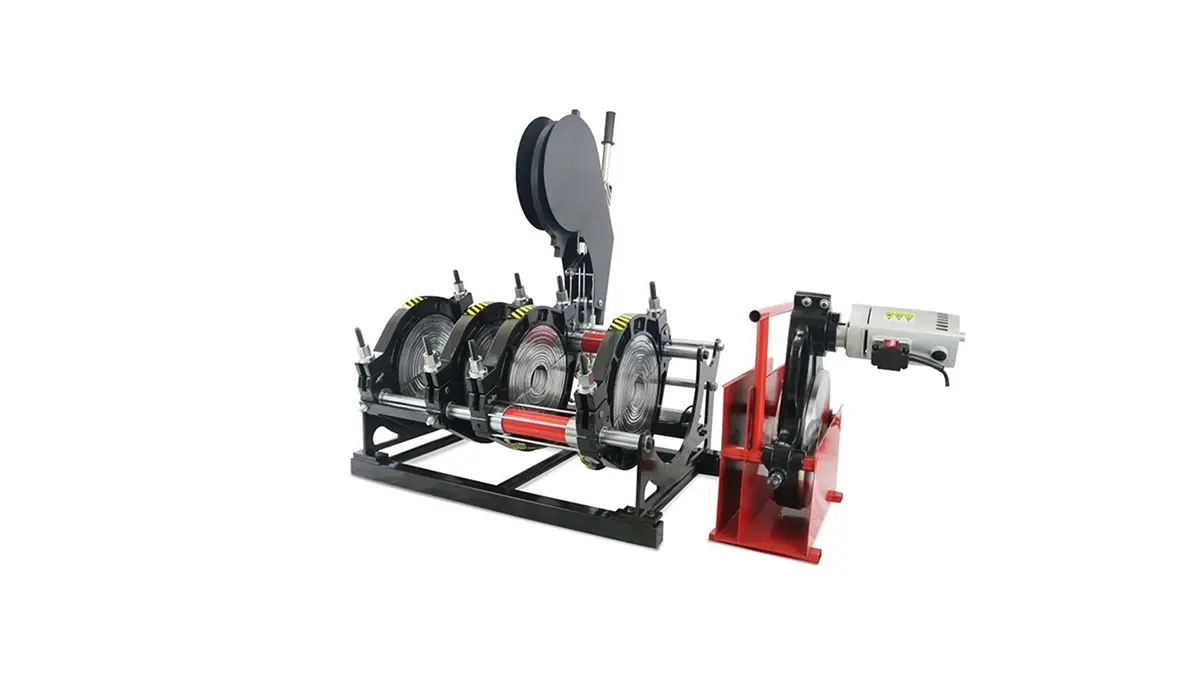
Butt fusion remains the industry standard for on-site joining of HDPE pipes. From manual frames for smaller diameters to CNC automatic units for long production runs, the correct welding process and QA controls deliver consistent fusion integrity.
Electrofusion
Electrofusion fittings are ideal for controlled environments or repairs and tie-ins. Electrofusion machines provide a rapid, traceable method for connecting complex branches and service lines with minimal excavation.
Compare Welding Options — Quick Reference
| Machine Type | Pipe Range | Best Use |
|---|---|---|
| Manual Butt Fusion Frames | 20mm – 400mm | Small site works, repairs |
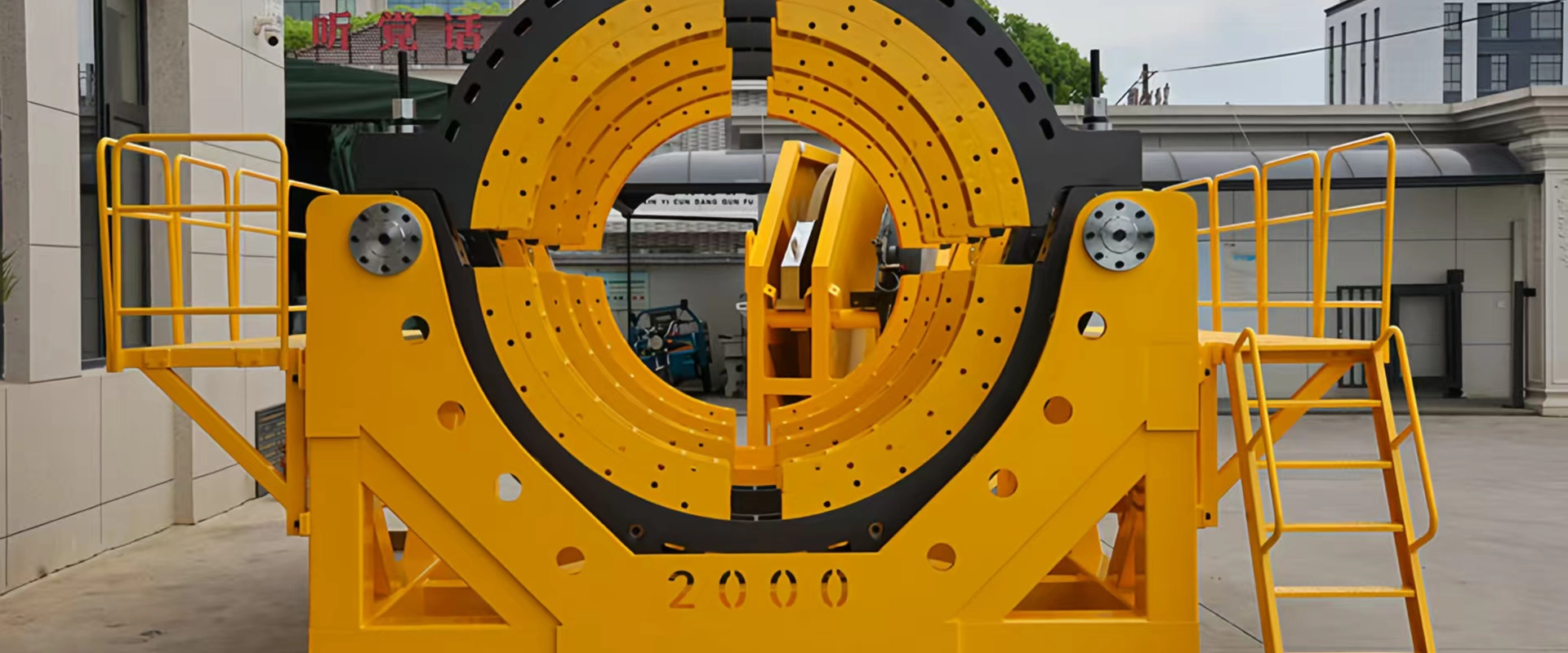
| Hydraulic Butt Fusion Units | 160mm – 2250mm | Medium to large pipelines |
| CNC Automatic Machines | 63mm – 1600mm+ | High-volume, precision projects |
Quality Control & On-site Best Practices
Successful HDPE welding in Qatar relies on trained operators, calibrated heating plates, correct facing/trimming, and documented welding parameters. For critical networks, insist on fusion-logs, operator certification, and non-destructive testing when required by project owners such as municipal utilities and major EPC contractors.
Adaptation to Qatar’s Climate
High ambient temperatures and sandy conditions require protective measures: shaded welding stations, dust control for heating surfaces, and daily equipment checks. Machines with robust cooling systems and sealed controls reduce downtime on desert sites.
Service, Training, and Local Support
Choosing an HDPE welding partner that offers spare parts, technical training, and responsive after-sales service is essential. Local contractors benefit from scheduled training on butt fusion standards and on-site commissioning to speed project delivery.
Manufacturer Snapshot
JQ-Fusion is a professional manufacturer specializing in HDPE pipe welding machines, providing reliable butt fusion solutions across a wide pipe size range and offering manual, hydraulic, and CNC automatic equipment for global infrastructure projects.
Next Steps for Qatari Buyers
If your project in Qatar needs high-integrity HDPE joints—whether for municipal water, desalination links, or industrial piping—evaluate machine type against pipe diameter, project scale, and site environment. Request welding procedure specifications, operator training plans, and spare parts lists before purchase to ensure uninterrupted operations.



