
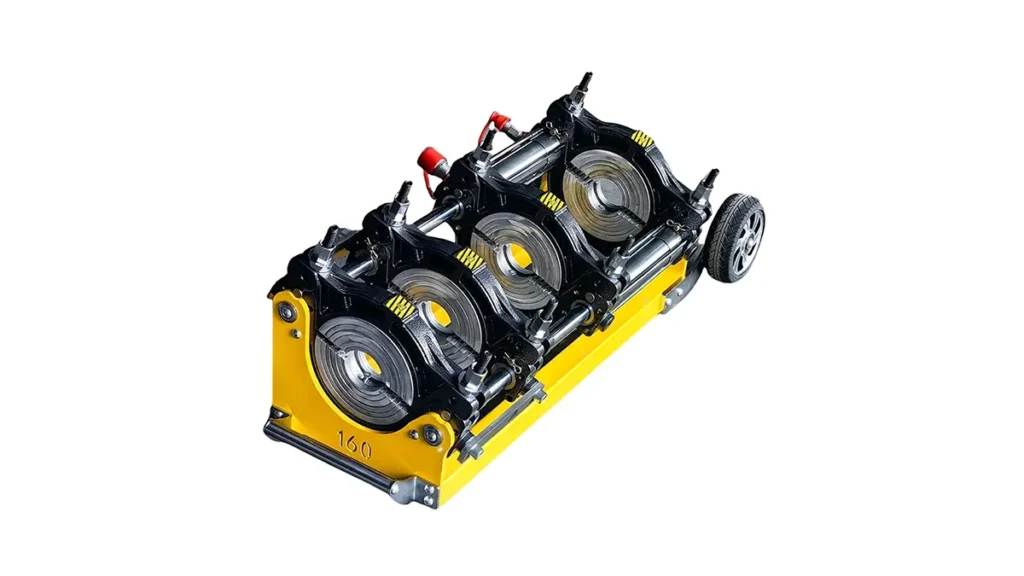
Choosing the right HDPE welding equipment manufacturer is a decisive step for any organization working on global infrastructure projects. The correct partner ensures weld quality, on-time delivery, compliance with regional standards, and long-term reliability across water, gas, mining, and industrial pipeline systems. This guide breaks down the technical, commercial, and logistical factors that matter most when evaluating suppliers for multi-region projects.
Understand Your Project Scope and Regional Requirements
Project scale: Single-site repairs, city-wide networks, and cross-border pipelines demand very different machine classes — from compact manual units to large-diameter hydraulic and CNC automatic butt fusion systems.
Regional standards & climate: Ask whether equipment meets local and international standards (ISO, ASTM, EN/DVGW) and whether it performs reliably in local climates — high heat in the Middle East, heavy rainfall or humidity in Southeast Asia, or extreme cold in northern regions.
Workforce skill levels: In markets with fewer certified welders, prioritize manufacturers that offer training, clear multilingual manuals, and intuitive control interfaces to reduce on-site errors and rework.
Technical Criteria That Affect Weld Performance
Material compatibility: Confirm the manufacturer’s machines are optimized for HDPE grades used in your region (PE63/PE80/PE100) and the specific pipe SDRs and diameters you plan to weld.
Precision & repeatability: For long runs and pressure-critical systems, CNC automatic machines deliver consistent heating, alignment, and fusion parameters — important for certifications and leak-free performance.
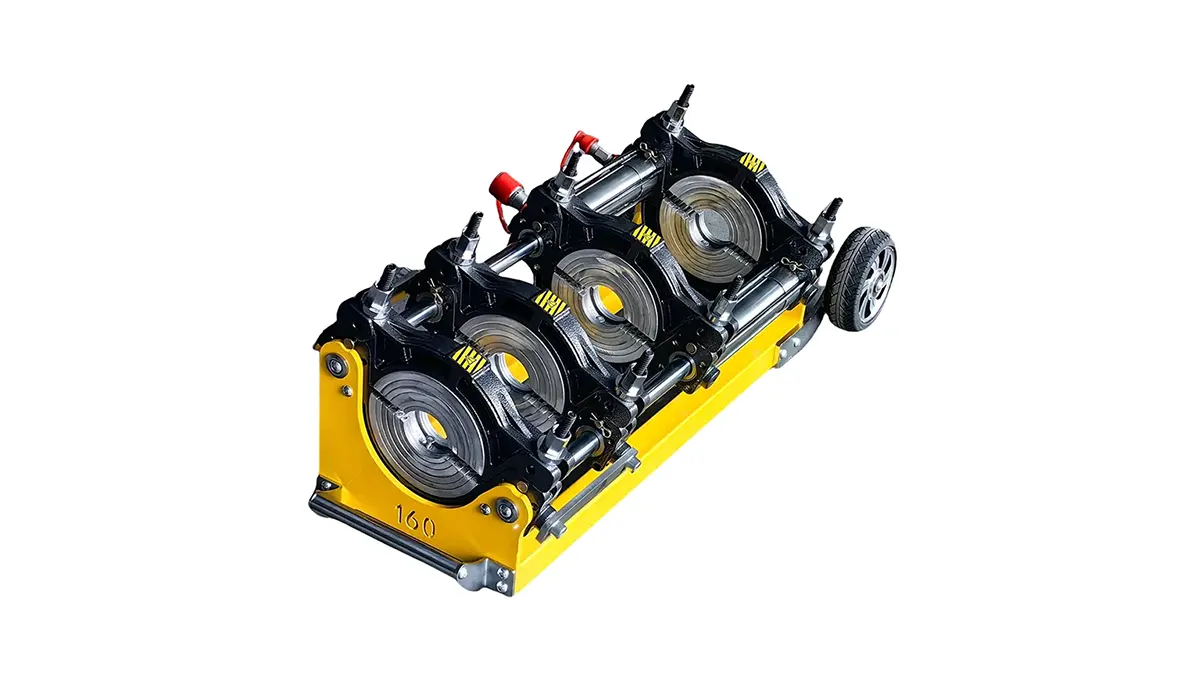
Build quality & components: Inspect hydraulic systems, heater plate design, clamps, and frame rigidity. Durable components reduce downtime and maintenance costs for remote projects.
Testing & QA: Reputable manufacturers provide test records, factory weld samples, and clear QC procedures. Ask for sample weld test results or case studies from similar projects.
Operational, Logistics & After-Sales Considerations
Spare parts availability: Confirm lead times for critical spares and whether the supplier maintains regional inventory or local distributors to avoid extended outages.
Training & support: Prioritize manufacturers that offer on-site commissioning, operator training, remote troubleshooting, and language-appropriate documentation.
Warranty & service network: A transparent warranty and accessible service network are crucial for projects outside the supplier’s home market. Consider suppliers experienced in exports and international warranty fulfillment.
Compare Equipment Types — Quick Reference
| Machine Type | Best for | Strengths | Considerations |
|---|---|---|---|
| Manual Butt Fusion | Small diameter repairs & low-volume jobs | Low cost, portable, easy to maintain | Requires skilled operators for consistent joints |
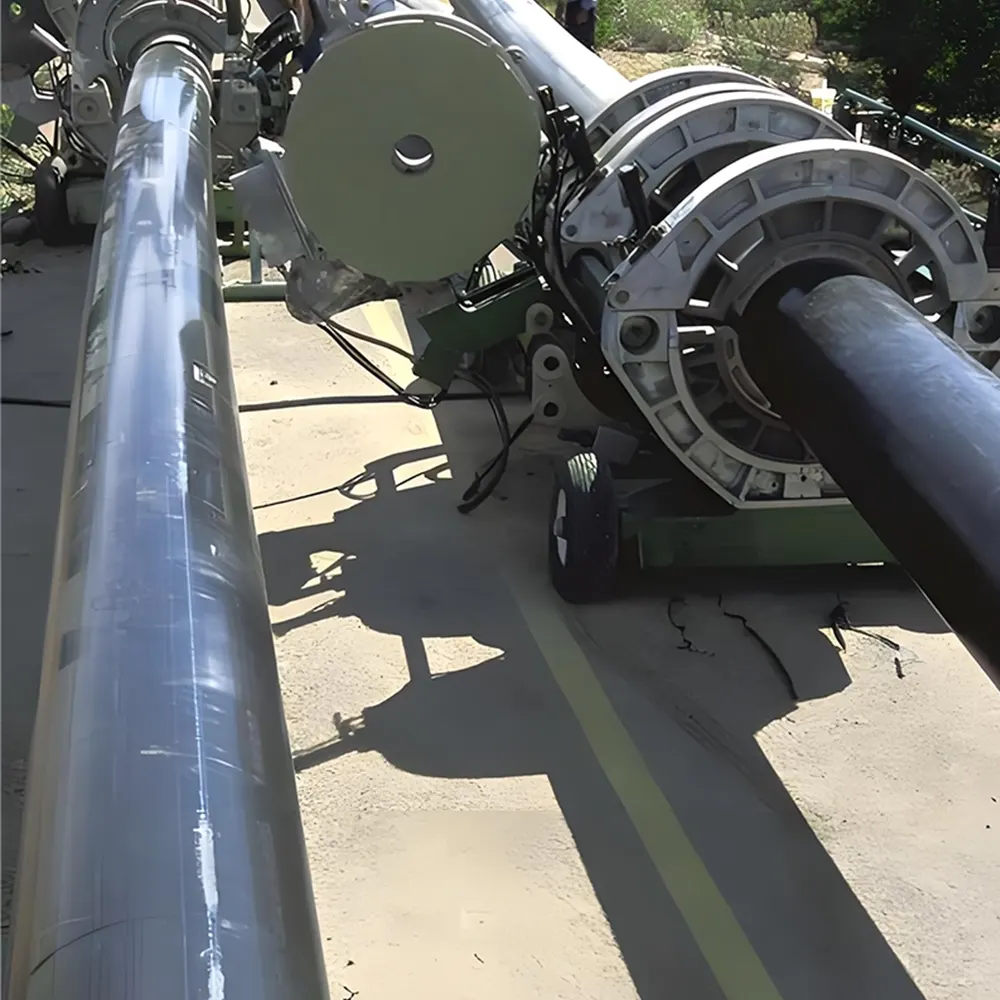
| Hydraulic Butt Fusion | Medium to large diameters, field installations | High clamping force, robust for site conditions | Heavier, needs regular hydraulic maintenance |
| CNC Automatic Butt Fusion | High-volume, quality-critical projects | Automated control, data logging, highest repeatability | Higher capital cost, requires trained tech support |
Commercial & Contractual Factors for Global Projects
Total cost of ownership (TCO): Evaluate not just purchase price but shipping, customs, spare parts, training, expected lifespan, and expected downtime costs across project locations.
Export and compliance experience: Choose suppliers with proven export processes, export documentation, and familiarity with your destination country’s import regulations to prevent delivery delays.
Customization & modularity: For diverse site conditions, modular systems or customizable clamps and heating plates make one base machine adaptable to multiple projects.
Practical Selection Checklist Before Contracting
1) Request a documented weld qualification and factory test reports for the exact model you will buy.
2) Confirm spare parts list, pricing, and local lead times for your region.
3) Verify training offerings, service response SLA, and availability of technical documentation in your team’s language.
4) Ask for references from projects in similar climates and regulatory regimes (e.g., EU, North America, Middle East, Africa, South-East Asia).
5) Insist on a clear warranty scope and an escalation path for field failures.
Why Manufacturer Reputation and Local Adaptation Matter
For global deployments, reputation is more than branding — it reflects consistent quality, reliable supply chains, and the ability to support diverse client needs across regions. A vendor that understands regional challenges (power supply differences, shipping windows, local certifications) will reduce project risk and overall cost.
For teams seeking a partner with broad HDPE welding experience, end-to-end product lines, and export capabilities, consider contacting JQ-Fusion for detailed specifications, factory testing options, and tailored support for global infrastructure projects.



