
JQ-Fusion (https://jq-fusionwelding.com/) supplies reliable PE gas pipe fusion welding machines designed for safe, leak-free butt fusion of HDPE pipelines used in gas distribution networks. Our lineup covers manual, hydraulic and automatic systems engineered to meet the strict demands of utility contractors, municipal projects and industrial gas installers.
Why Choose Butt Fusion for PE Gas Pipes
Butt fusion is the industry-standard joining method for polyethylene gas pipelines because it creates a homogeneous, continuous joint with mechanical strength equal to or greater than the pipe. For gas systems where safety, long-term integrity and regulatory compliance matter most, butt fusion delivers repeatable, high-quality welds with minimal leak risk.
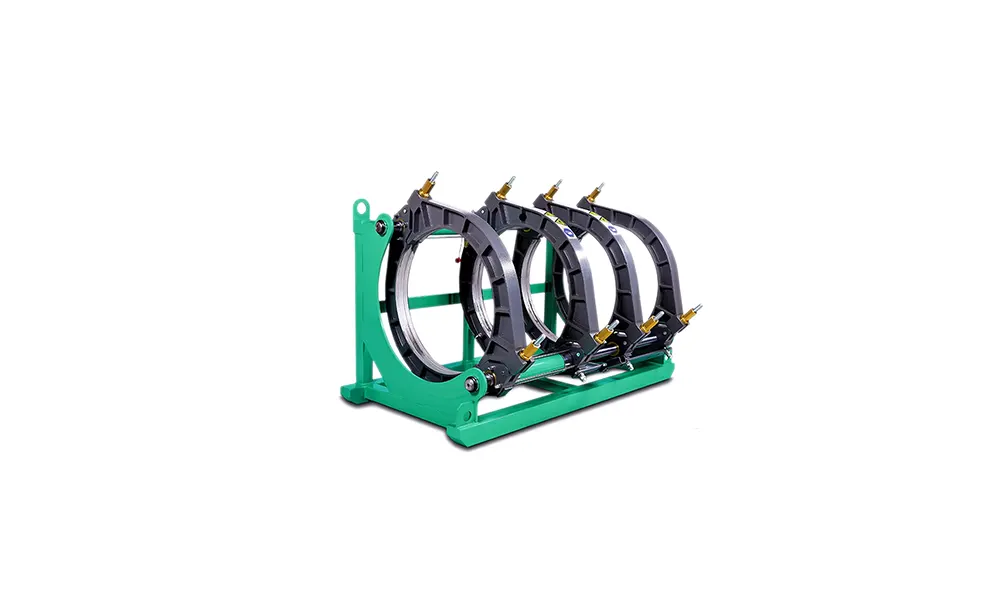
Core Product Range & Typical Applications
Our machines suit a wide variety of gas pipeline projects: urban distribution mains, rural feeder lines, service connections and large-diameter transmission mains. Key machine types include:
• Manual butt fusion units for small-diameter service work and cost-sensitive crews.
• Hydraulic & semi-hydraulic frames for medium to large mains where power and accuracy are required.
• Automatic/CNC butt fusion machines for high-volume projects and precision-controlled weld cycles.
Compare Models at a Glance
| Model Type | Pipe Range (mm) | Best For | Key Benefit |
|---|---|---|---|
| Manual Frame | 20–160 | Service connections, field repairs | Lightweight, portable |
| Hydraulic Unit | 63–1200 | Distribution mains, regional projects | High clamping force, stable control |
| Automatic / CNC | 20–1000+ | Large projects, contractor fleets | Precise cycle control, data logging |
Key Features to Look For in Gas Pipe Fusion Machines
• Accurate pressure and displacement control — ensures consistent weld quality across crews.
• Robust clamps and alignment systems — prevent joint eccentricity and misalignment in long runs.
• Heater plate quality and skirt design — faster heating and clean-faced joints reduce rework.
• Integrated control and logging (for automatic units) — important for regulatory traceability and QA on gas networks.
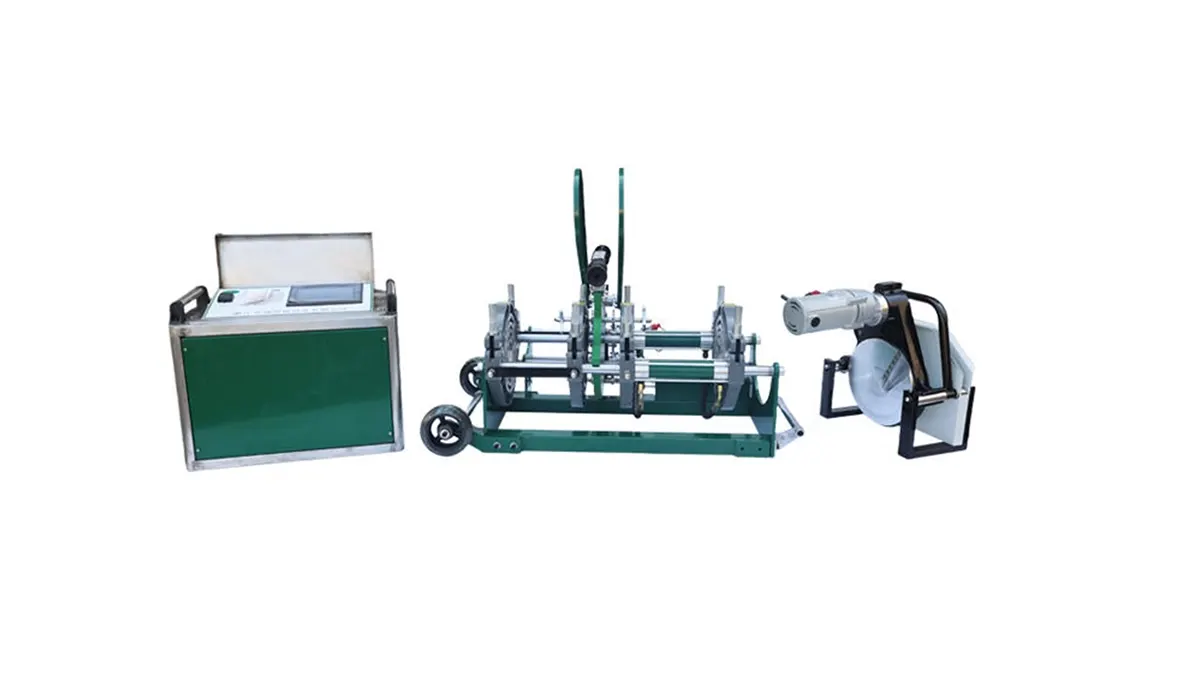
Installation, Training & Field Support
Successful gas pipeline welding programs combine quality equipment with trained operators. Invest in on-site training for butt fusion procedures, equipment setup, and weld inspection methods to reduce downtime and ensure regulatory compliance. Reliable technical support and spare parts availability keep fleets productive during peak seasons.
Ordering, Customization & After-sales
For gas network projects, consider machines that can be customized for pipe diameter ranges, hydraulic power options and data capture features. Prioritize suppliers that provide clear documentation, fast spare parts shipments and responsive service to support continuous pipeline installation and maintenance.
Get the right fusion solution by matching machine capabilities to your project scale and crew skill level — the correct choice will improve weld consistency, reduce rework, and enhance long-term safety for PE gas distribution systems.



