
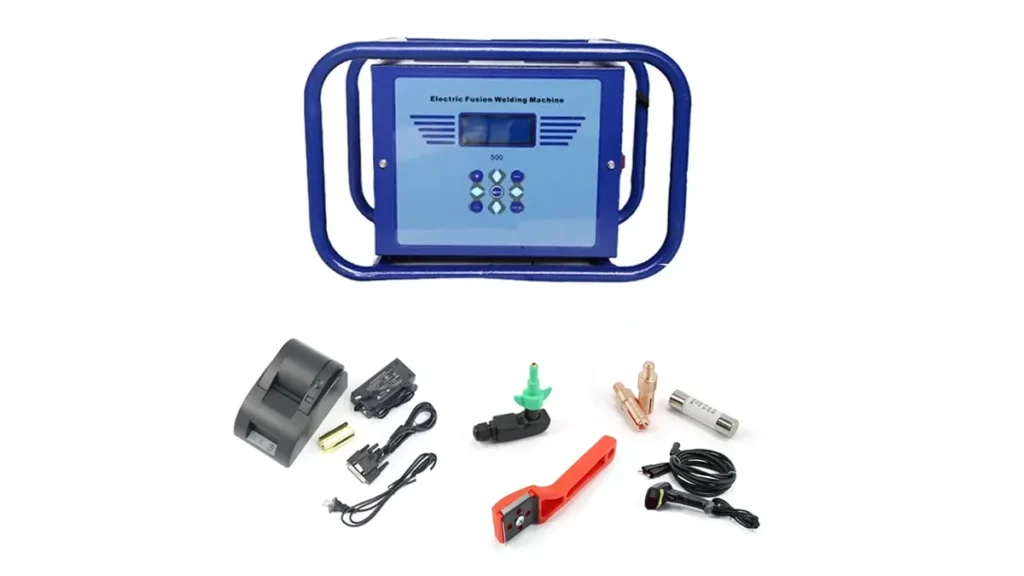
For global infrastructure projects—from municipal water supply networks to large-scale gas distribution systems—the integrity of pipeline connections determines long-term performance and safety. Investing in an OEM HDPE welding machine tailored to your exact specifications can significantly improve on-site productivity while ensuring consistent fusion quality across every joint. Whether you are a contractor managing remote installations or a distributor building a private-label equipment line, custom manufacturing opens the door to machines that align precisely with your operational workflow and regional standards.
The Strategic Value of Custom HDPE Welding Solutions
Standard welding equipment often forces teams to adapt their processes around the machine. A custom OEM approach reverses that logic. By collaborating directly with a manufacturer, you gain control over critical variables that affect daily output: clamp force range, heating plate temperature uniformity, carriage travel speed, and even the physical dimensions of the machine frame for transport across difficult terrain.
Customization extends well beyond technical specifications. Branding, color schemes, control interface language, and packaging can all be aligned with your market identity. This level of personalization supports distributors who want to offer differentiated products under their own brand, as well as engineering firms that require uniform equipment fleets across multiple project sites. When every machine carries your logo and matches your documented procedures, training time decreases and operator confidence increases.
Types of OEM HDPE Welding Equipment Available
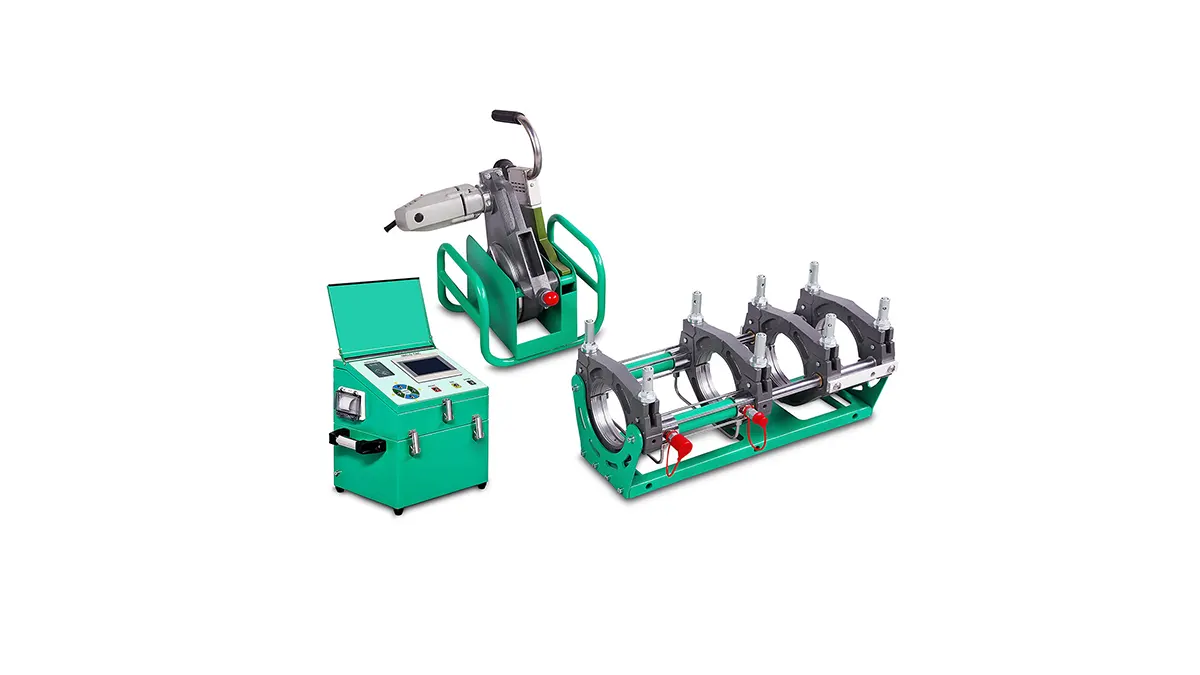
Modern HDPE pipe fusion encompasses several distinct technologies, each suited to specific diameter ranges and job site conditions. The table below outlines the primary categories of butt fusion welding equipment that can be customized through OEM partnerships.
| Machine Category | Typical Diameter Range | Key Customization Options |
|---|---|---|
| Manual Butt Fusion | 63 mm – 315 mm | Frame weight reduction, clamp insert sizing, handle configuration |
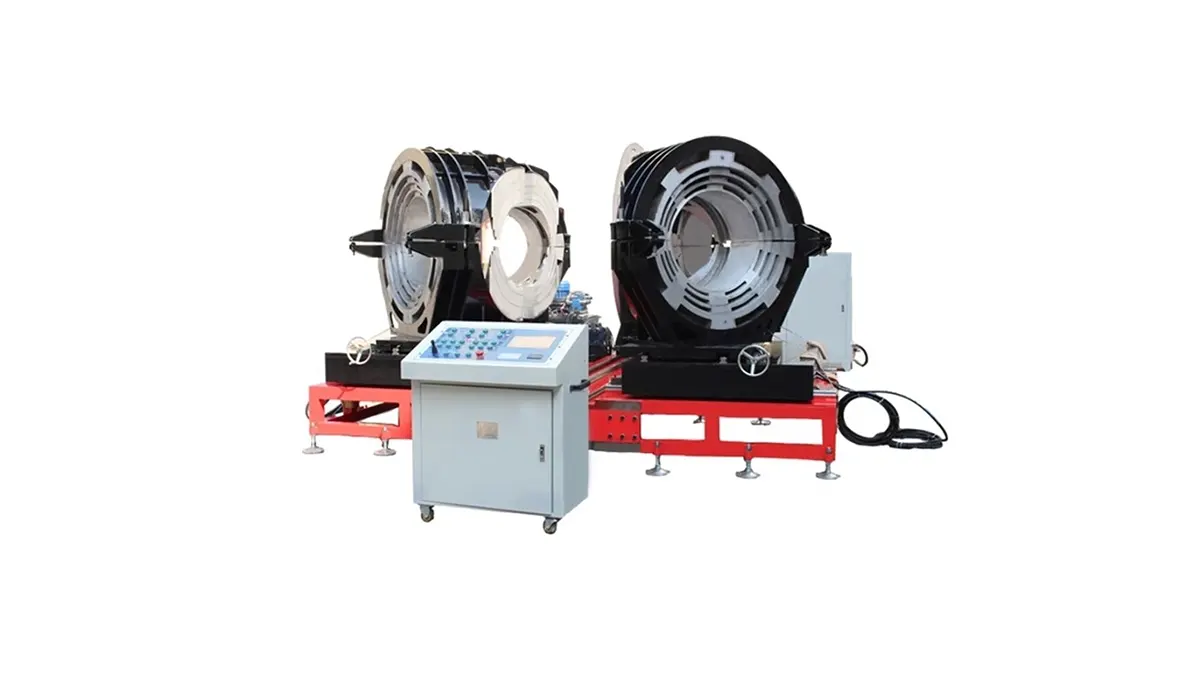
| Hydraulic Butt Fusion | 160 mm – 2250 mm | Cylinder stroke length, aluminum vs steel clamps, power source options |
| CNC Automatic Fusion | 160 mm – 630 mm | Touchscreen interface, data logging, remote monitoring capability |
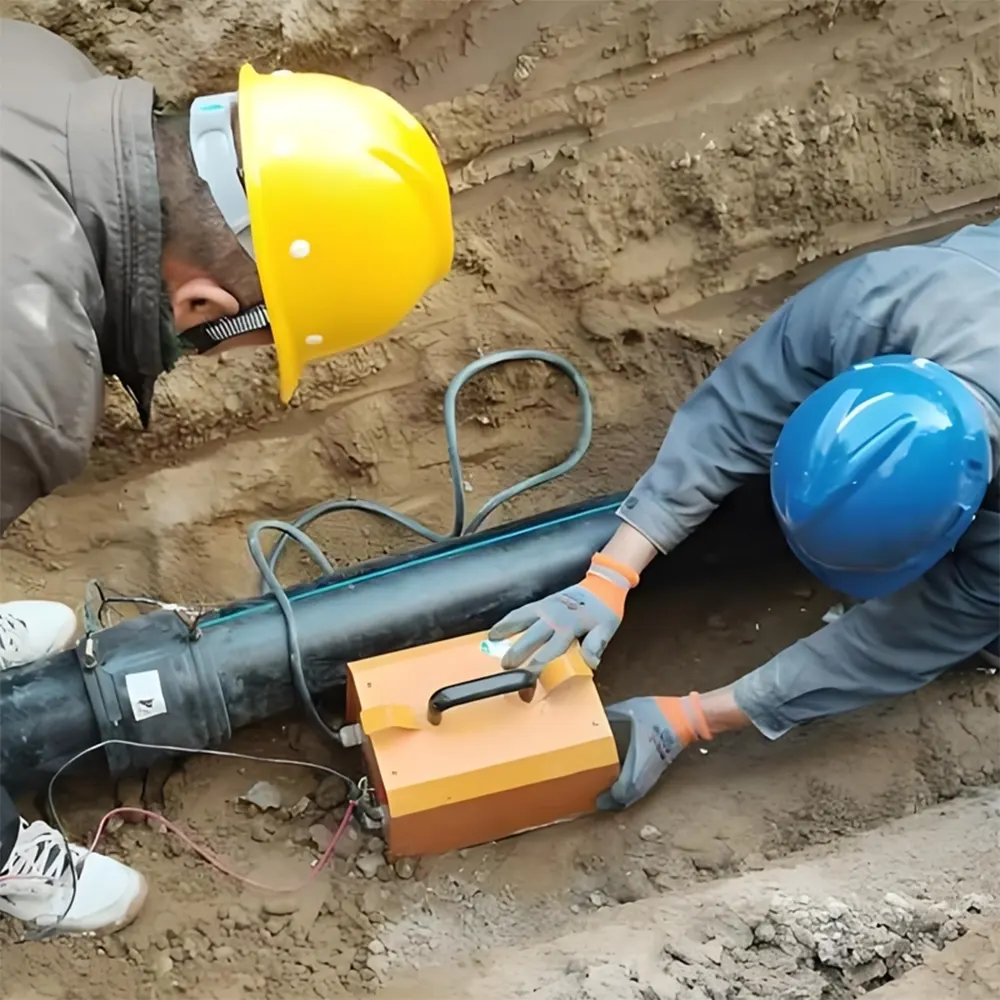
| Electrofusion | 20 mm – 1200 mm | Voltage compatibility, barcode scanning, report generation |
| Multi-Angle Fitting | 315 mm – 1600 mm | Angle range, segment configuration, heating element design |
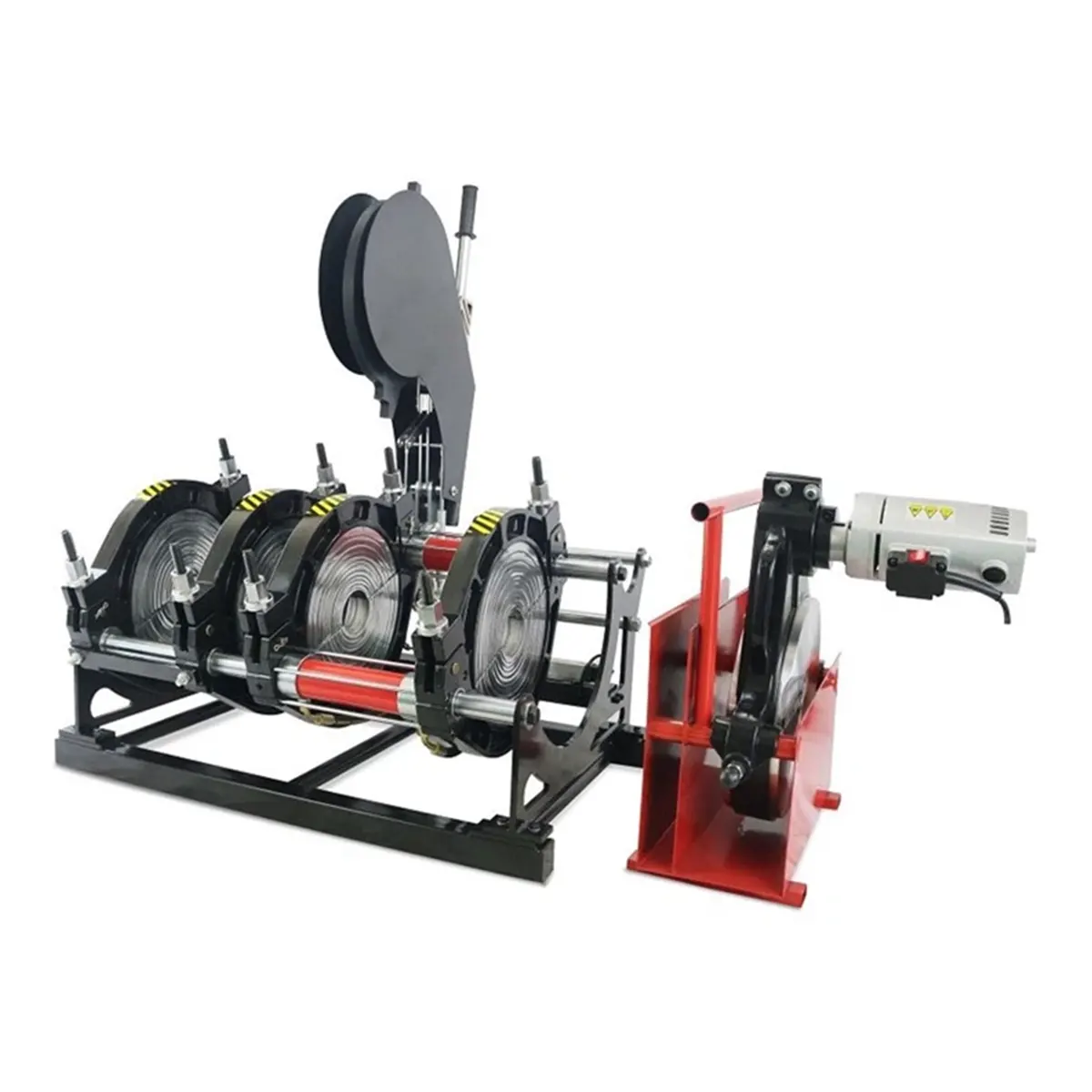
Among these, hydraulic pipe welding machines remain the workhorse for medium to large diameter piping, while automatic butt fusion machines have gained significant traction in projects where data traceability and operator-independent consistency are mandatory requirements.
Quality Standards That Guide OEM Manufacturing
Reliable plastic pipe welding depends on adherence to internationally recognized protocols. Reputable OEM manufacturers design their equipment to conform with standards such as ISO 21307 butt fusion procedures and ASTM F2620 heat fusion guidelines. These frameworks define critical parameters including heating temperature, bead-up pressure, fusion pressure, and cooling time under pressure. Equipment built to these specifications gives operators confidence that every joint meets the mechanical strength requirements of the pipeline system.
Key quality indicators to evaluate when sourcing an OEM HDPE welding machine include:
- Heating plate temperature accuracy — uniform surface temperature within ±5°C across the entire working area
- Clamp alignment precision — minimal axial misalignment between fixed and movable jaw sets
- Hydraulic system stability — consistent pressure delivery without drift during the fusion cycle
- Trimmer blade durability — clean, chatter-free facing of pipe ends prior to heating
- Frame rigidity — minimal deflection under full clamping and fusion loads
Key Application Areas for Custom Welding Machines
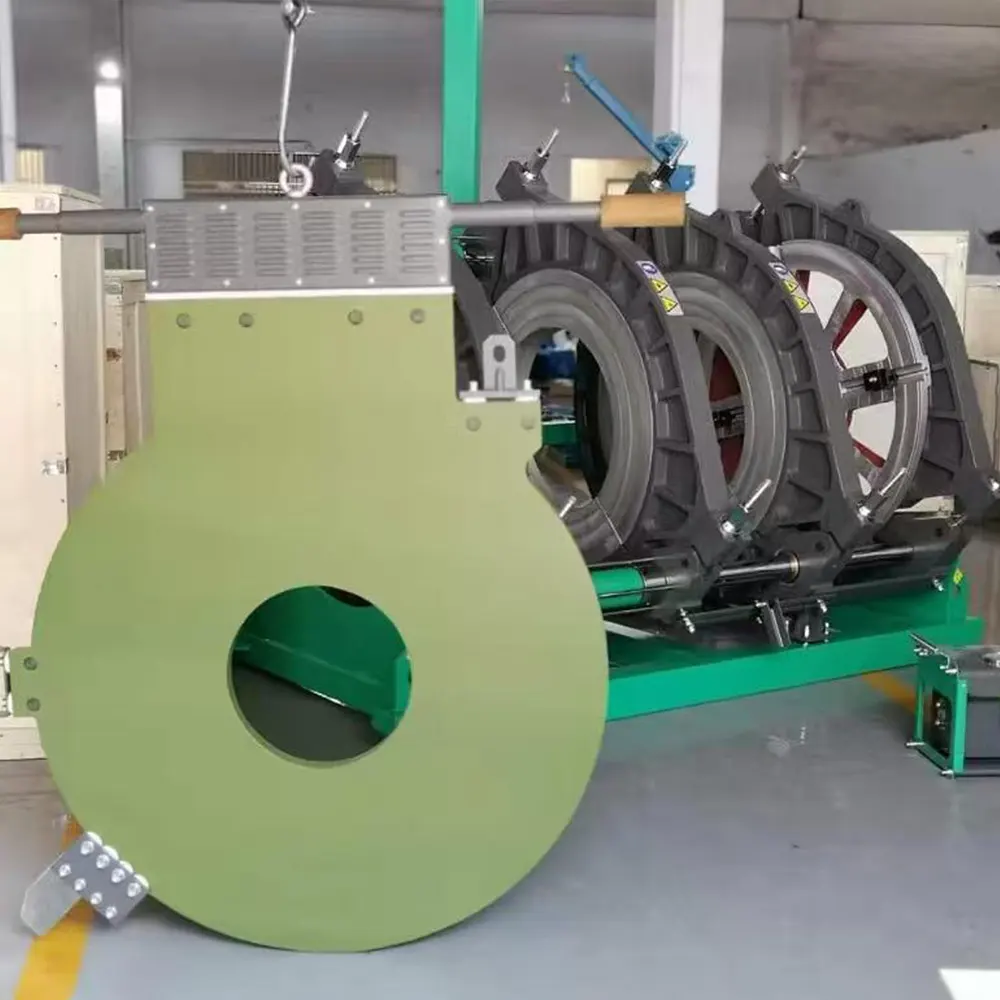
OEM HDPE welding equipment serves a wide spectrum of industries, each with unique operational demands. Understanding where your machines will be deployed helps define the right customization priorities.
- Water Supply and Distribution — municipal potable water lines, irrigation networks, and water treatment plant connections requiring leak-free joints for decades of service
- Gas Distribution Systems — natural gas and LPG pipelines where fusion integrity is a safety-critical attribute governed by strict regulatory oversight
- Mining and Slurry Transport — abrasive material handling lines that demand robust, wear-resistant connections capable of withstanding high flow velocities
- Industrial Process Piping — chemical plants, power generation facilities, and manufacturing sites using HDPE for corrosion-resistant fluid transport
- Marine and Dredging Applications — floating pipeline systems where flexible, buoyant HDPE lines are joined on-site under challenging environmental conditions
Benefits of Partnering with an Experienced OEM Manufacturer
Selecting the right manufacturing partner directly impacts your project timelines, equipment reliability, and total cost of ownership. An established OEM supplier brings several distinct advantages beyond the physical product itself.
Technical Expertise and Engineering Support: Deep knowledge of PPI butt fusion procedure guidelines and international standards means engineering teams can recommend optimal machine configurations for your specific application. From selecting appropriate heating plate sizes to calculating required hydraulic force, this guidance prevents costly specification errors.
Flexible Manufacturing and Inventory: A well-organized OEM operation maintains substantial component stock and finished goods inventory, enabling faster turnaround on both standard and electrofusion welding systems. Whether you need a single specialized machine or a fleet of identical units for a major infrastructure program, production scalability matters.
Quality Assurance Systems: Rigorous testing protocols—including temperature calibration verification, clamp alignment checks, and full-cycle operational testing—ensure each machine performs as specified before it leaves the factory floor. Documentation packages supporting your own quality compliance efforts should be available upon request.
Making Your OEM Project a Success
Every successful OEM HDPE welding machine partnership starts with clear communication about your requirements. Define your target pipe diameters, expected daily output, site conditions, and any regional certification needs early in the discussion. Request detailed technical drawings and specification sheets for review. Confirm the manufacturer’s after-sales support structure—including spare parts availability, technical documentation, and remote troubleshooting capability—before finalizing your order.
JQ-Fusion is a professional manufacturer specializing in HDPE pipe welding machines, providing reliable butt fusion solutions for global infrastructure projects. With years of industry experience, the company focuses on the development and production of manual, hydraulic, and CNC automatic butt fusion welding machines, covering a wide range of pipe sizes from small to large diameters. From standard models to tailored OEM solutions, the engineering team works closely with clients to deliver equipment that fits their workflow, branding, and performance expectations.
Whether you are exploring your first OEM machine or expanding an established equipment fleet, investing in purpose-built welding technology positions your projects for higher productivity, fewer rework incidents, and stronger long-term pipeline performance.
For further technical guidance on HDPE pipe joining, refer to the PPI Handbook of Polyethylene Pipe or explore the PE100+ technical guidance on butt fusion for independent, industry-recognized best practices.



