
Selecting the correct HDPE pipe fusion machine types is one of the most critical decisions in polyethylene pipeline construction. Whether you are working on municipal water supply, gas distribution, mining operations, or industrial fluid transport, the quality and integrity of every joint depend directly on the fusion equipment behind it. With multiple machine categories available — manual, hydraulic, CNC automatic, and electrofusion — understanding the core differences, application ranges, and performance capabilities is essential for contractors, project managers, and procurement professionals alike.
Why HDPE Pipe Fusion Machine Types Matter
Not all fusion machines are built the same. The term HDPE pipe fusion machine types encompasses a broad spectrum of equipment designed for different pipe diameters, wall thicknesses, project scales, and operator skill levels. Choosing the wrong type can lead to inconsistent bead formation, inadequate fusion pressure, poor joint integrity, and ultimately, pipeline failure. Industry standards such as ISO 21307 butt fusion procedures and ASTM F2620 heat fusion provide strict guidelines on fusion parameters, and the machine you select must be capable of meeting those requirements consistently.
Beyond joint quality, factors such as portability, power requirements, automation level, and long-term serviceability all play into the decision. A machine that excels in a factory setting may be entirely impractical for a remote trench-side installation, and vice versa. Understanding the full landscape of HDPE pipe fusion machine types ensures you invest in equipment that aligns with both your technical demands and operational realities.
Manual Butt Fusion Machines
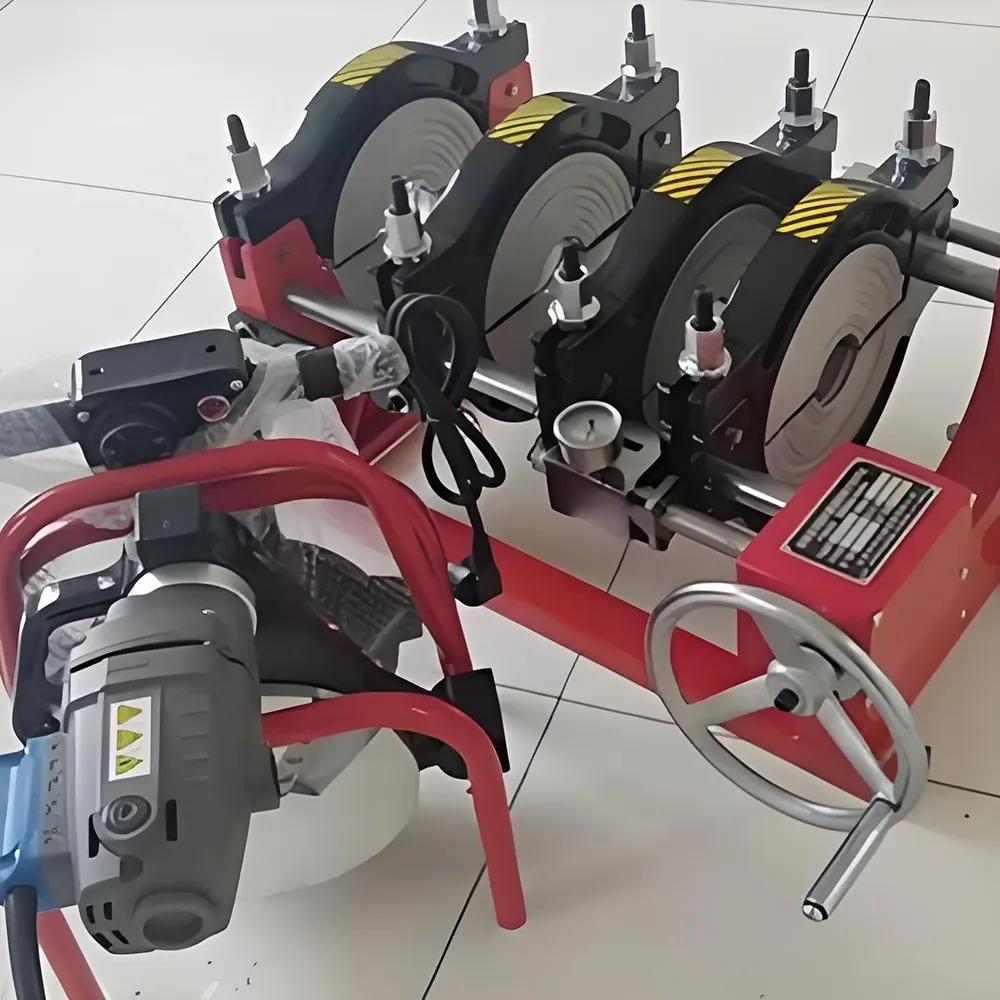
Manual butt fusion machines represent the entry point for small-diameter HDPE pipe welding, typically covering diameters from 63mm to 315mm. These machines rely on hand-operated levers and mechanical clamps to achieve pipe alignment, facing, heating, and fusion. Operators manually control each stage of the PE butt fusion process, making them ideal for applications where simplicity, lightweight portability, and affordability are prioritized.
Key advantages include low initial investment, ease of transport, and straightforward maintenance. Manual machines are widely used in agricultural irrigation, small-scale water supply networks, and short-run gas service lines. However, they demand skilled operators who understand fusion pressure calculations and heating cycle timing. Without built-in data logging or automated pressure control, quality assurance rests largely on the operator’s experience and adherence to procedure.
Hydraulic Butt Fusion Machines
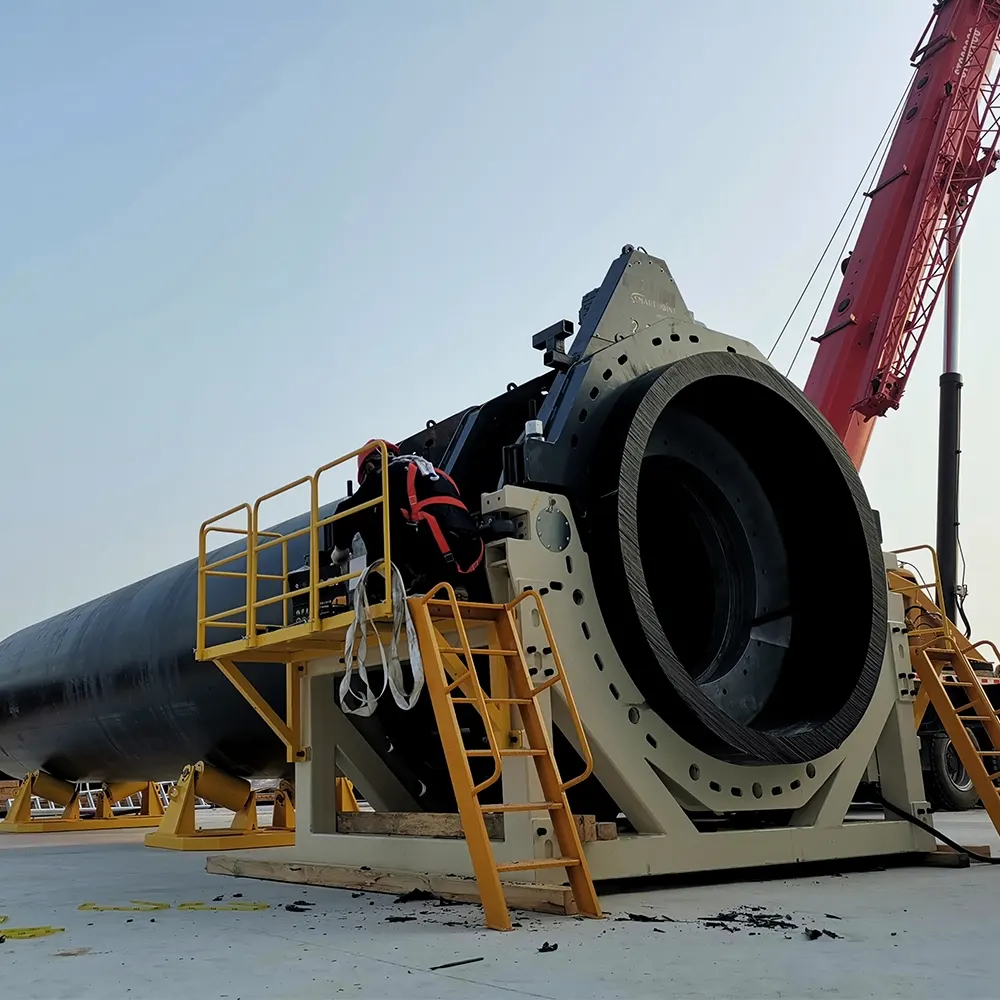
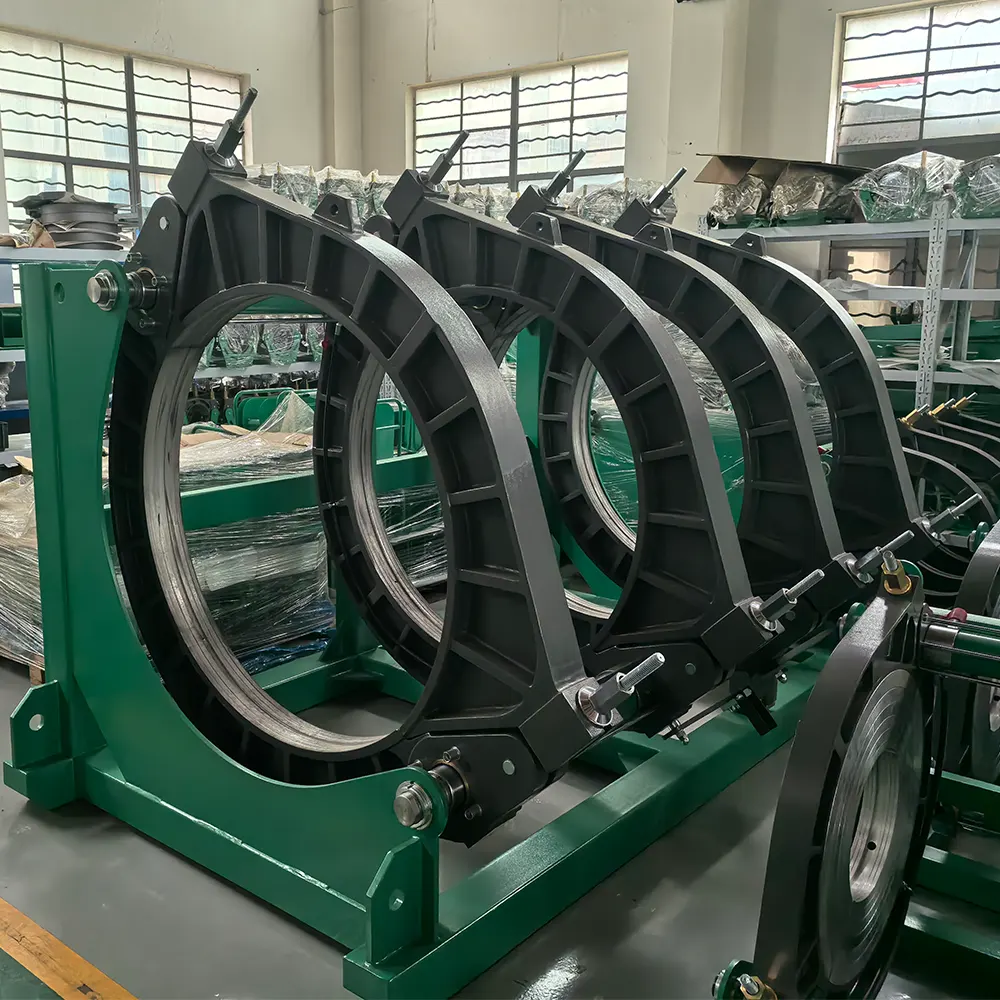
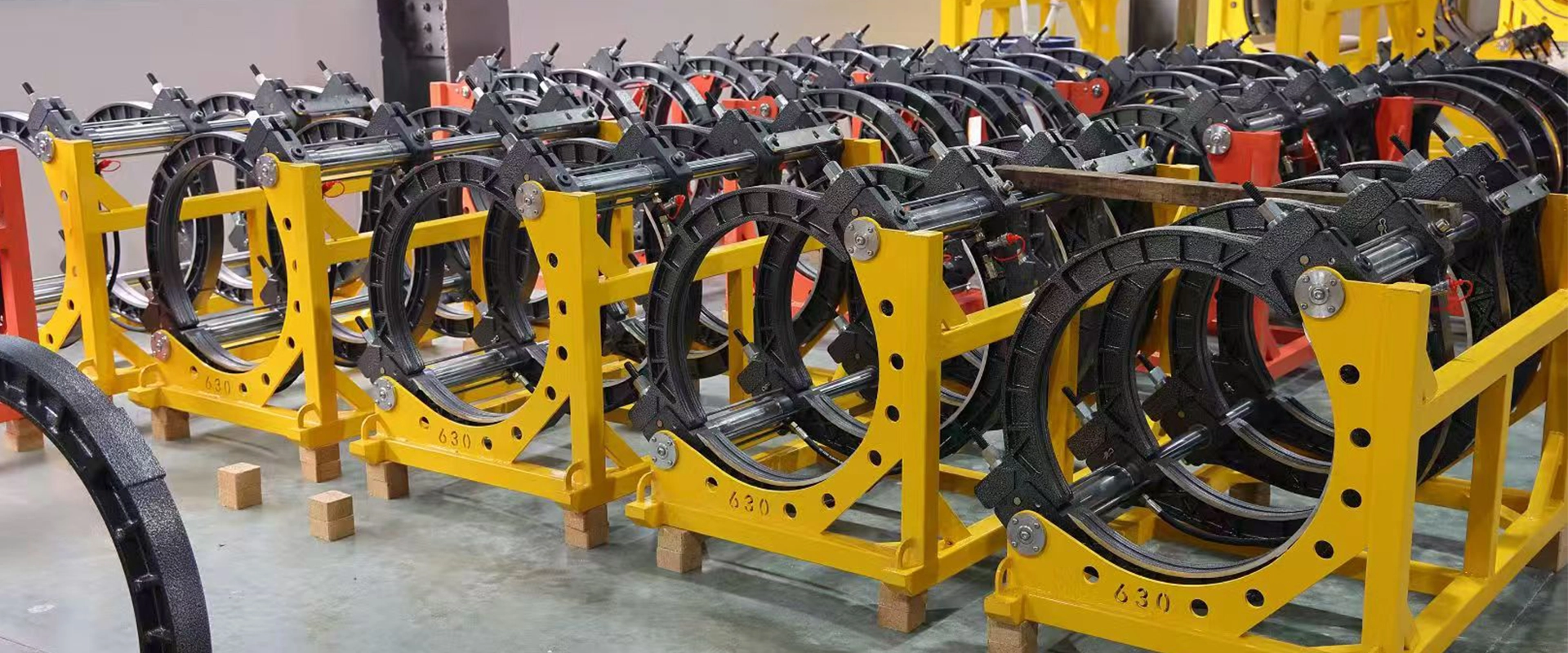
Hydraulic butt fusion machines expand the welding range significantly, handling pipe diameters from 160mm up to 2250mm and beyond. Unlike manual variants, these machines use a hydraulic power unit to generate and control fusion pressure, ensuring consistent force throughout the heating and cooling phases. This makes them the preferred choice for medium to large-diameter pipelines in water transmission, wastewater treatment, mining slurry lines, and gas distribution mains.
Modern hydraulic machines often feature integrated pressure gauges, movable clamp assemblies, and robust steel frames that withstand demanding job site conditions. The hydraulic system reduces operator fatigue and improves repeatability across multiple joints. When paired with compatible data loggers, hydraulic machines can record critical fusion parameters for traceability — a requirement increasingly specified in municipal and industrial tenders. For projects requiring HDPE pipe fusion machine types with proven field durability, hydraulic models remain the backbone of the industry.
| Machine Type | Typical Diameter Range | Best Suited Applications |
|---|---|---|
| Manual Butt Fusion | 63mm – 315mm | Small water lines, irrigation, service connections |
| Hydraulic Butt Fusion | 160mm – 2250mm | Water mains, gas distribution, mining, industrial |
| CNC Automatic Butt Fusion | 160mm – 630mm+ | High-spec infrastructure, QA-critical projects |
| Electrofusion | 20mm – 710mm | Repairs, tie-ins, confined spaces, gas pipelines |
CNC Automatic Butt Fusion Machines
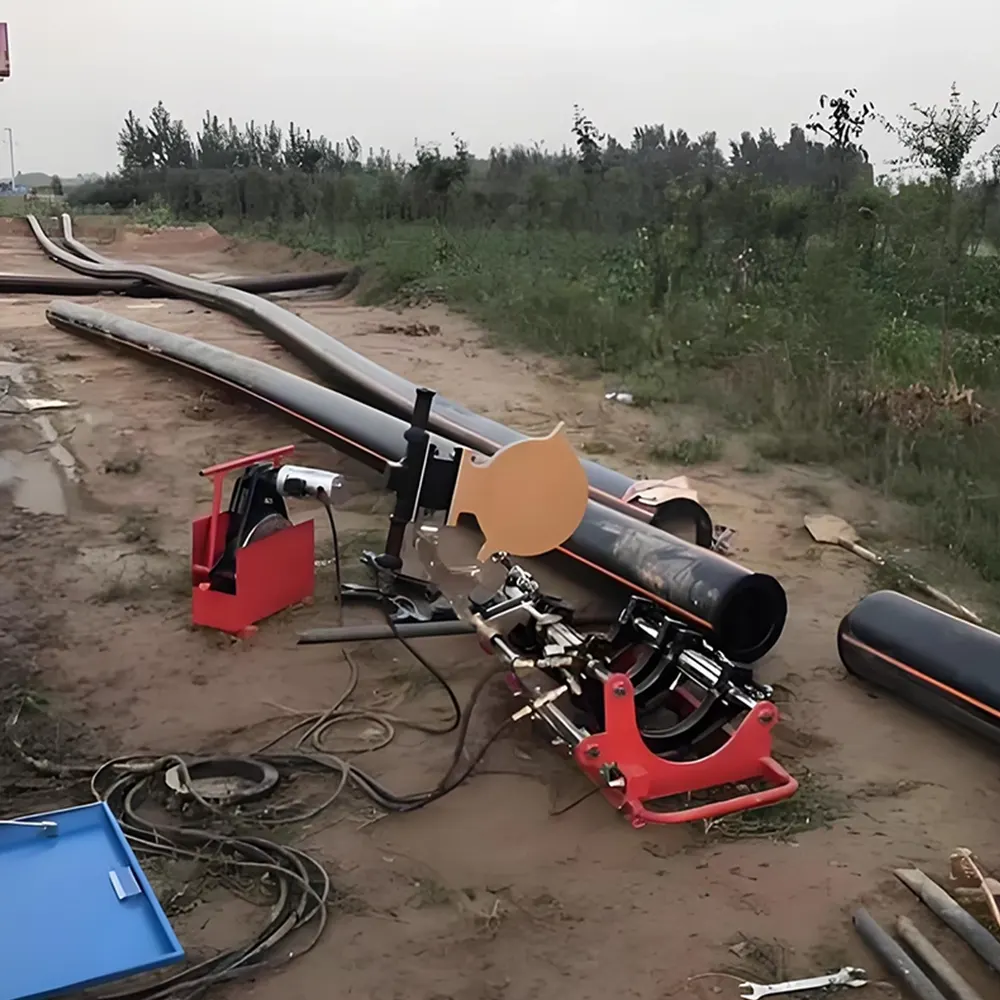
CNC automatic butt fusion machines bring programmable precision to HDPE pipe welding. Equipped with onboard control systems, these machines automate the entire fusion cycle — from facing and heating to bead-up and cooling — based on pre-set parameters aligned with PE pipe fusion standards. Once the operator inputs the pipe diameter and material grade, the CNC controller calculates optimal heating time, soak pressure, and fusion pressure, executing the joint with minimal manual intervention.
The most significant advantages include unparalleled joint consistency, integrated data logging for complete traceability, and reduced dependence on operator skill. These machines are increasingly specified for nuclear power plant cooling loops, large-diameter gas transmission lines, and cross-country water transfer projects where fusion documentation is mandatory. While the initial investment is higher than manual or hydraulic alternatives, the reduction in rework, scrap, and inspection failures often delivers compelling long-term value for high-volume contractors and quality-focused utilities.
Electrofusion Machines
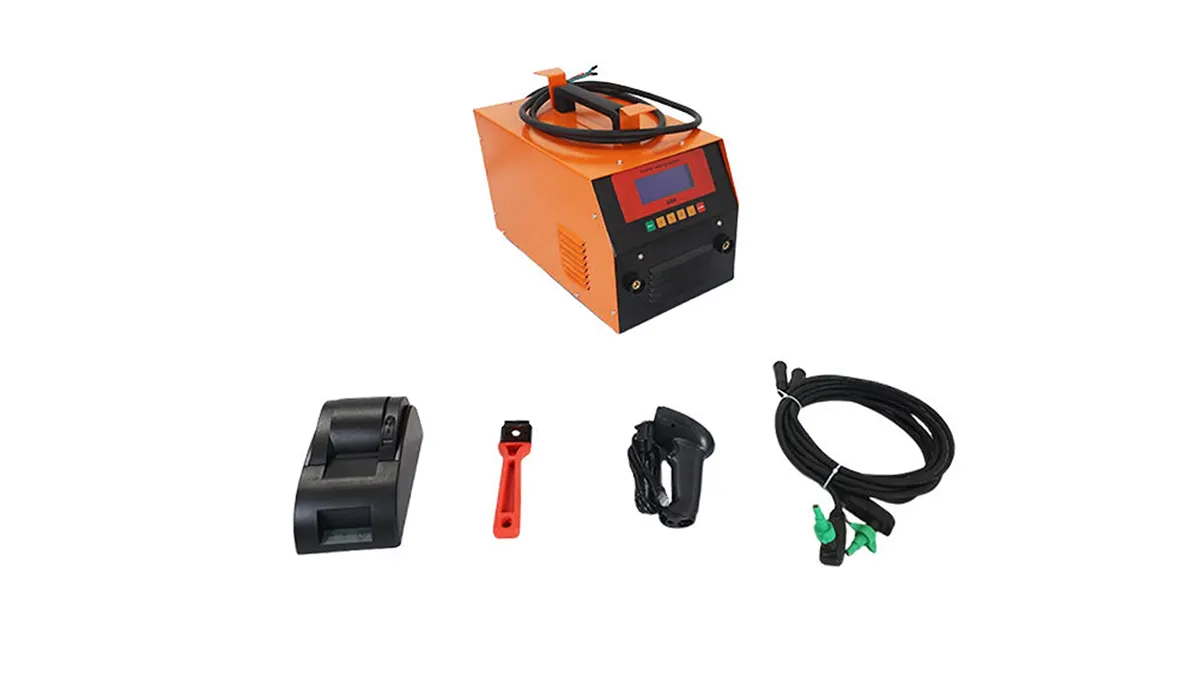
Electrofusion represents a fundamentally different approach among HDPE pipe fusion machine types. Instead of heating pipe ends with a hot plate and pressing them together, electrofusion uses specialized fittings with embedded heating coils. The electrofusion control unit sends a precise electrical current through these coils, melting the fitting and pipe surfaces to create a homogeneous joint. This method is especially valuable for repairs, branch connections, tie-ins, and installations in confined trenches where butt fusion equipment cannot be positioned.
Modern electrofusion processors read barcode or RFID information from each fitting and automatically apply the correct welding protocol. This eliminates guesswork and dramatically reduces the likelihood of operator error. Electrofusion is widely used in gas distribution networks, where joint integrity is non-negotiable, and in potable water systems that demand leak-free performance over decades. For operators seeking a versatile complement to traditional butt fusion, HDPE pipe fusion equipment that includes both butt and electrofusion capabilities provides maximum on-site flexibility.
Multi-Angle Pipe Fitting Welding Machines
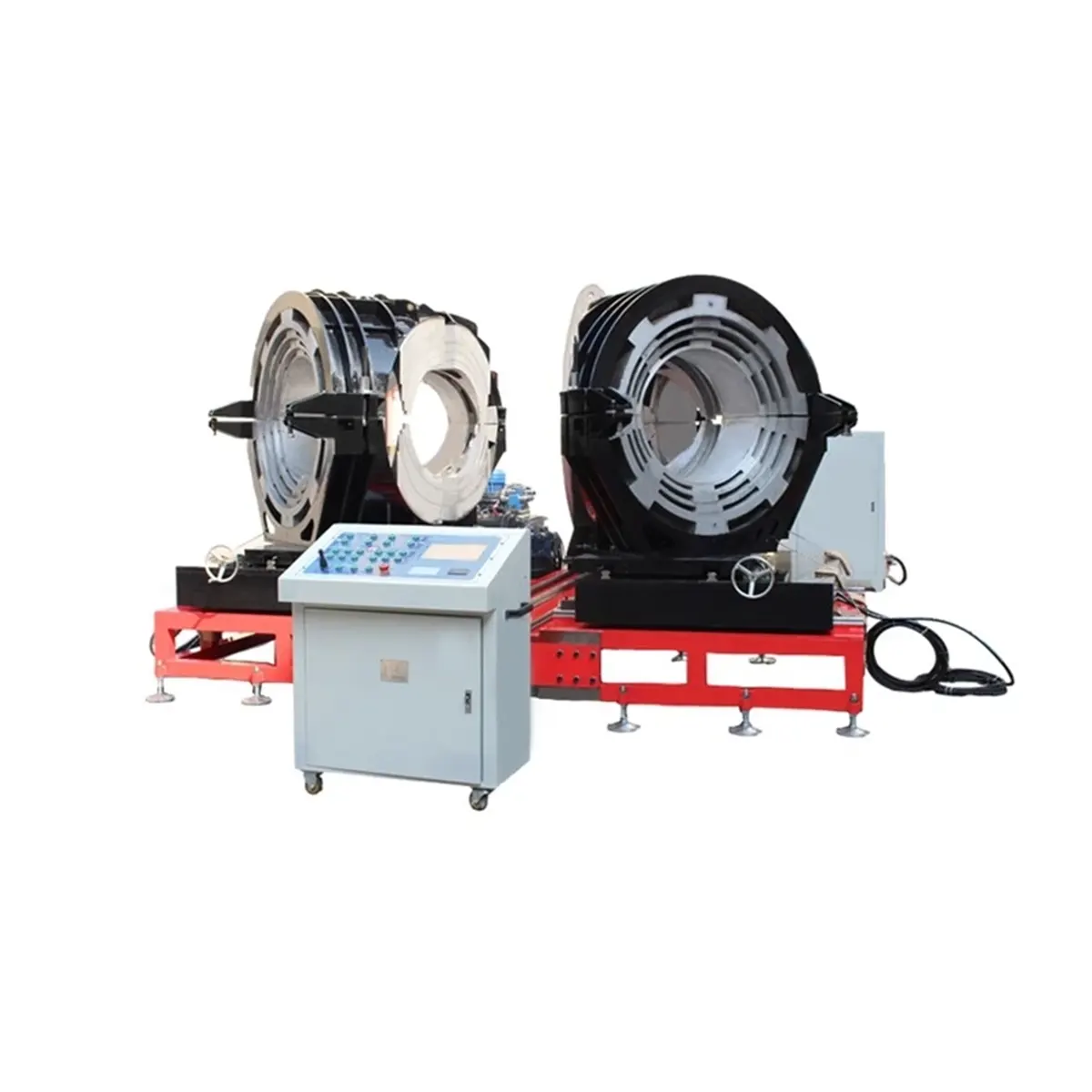
For fabricating segmented bends, tees, wyes, and other custom fittings, multi-angle pipe fitting welding machines offer specialized functionality that standard linear butt fusion machines cannot provide. These machines allow precise angular adjustments, enabling the production of fittings with exact degrees of curvature required for pipeline routing around obstacles or terrain variations. They are essential equipment for pipe fabrication shops and pre-fabrication yards that supply custom HDPE spool pieces to large infrastructure projects.
Multi-angle machines typically handle diameters from 315mm up to 1600mm and support a range of fitting configurations. Their robust construction and adjustable clamping systems ensure that even complex multi-segment fittings meet the same fusion quality standards as straight pipe joints.
Key Factors for Choosing the Right HDPE Pipe Fusion Machine
With a clear understanding of the major HDPE pipe fusion machine types, the selection process should focus on matching equipment capabilities to your specific operational profile. Several factors warrant careful evaluation before making a purchase or rental decision.
- Pipe Diameter Range: Define the minimum and maximum pipe sizes you regularly work with. A machine sized too small limits your project scope; oversized equipment adds unnecessary weight and cost.
- Material Grade: PE80, PE100, and PE100-RC each have distinct fusion parameters. Confirm that the machine’s heating plate temperature range and pressure control accommodate the grades you use.
- Project Environment: Remote, off-grid sites may require diesel-powered hydraulic units and rugged frames. Factory environments benefit from stationary CNC automatic systems with integrated cooling stations.
- Operator Skill Level: Manual machines demand experienced technicians who understand fusion theory and pressure calculations. Automatic and electrofusion systems reduce the skill barrier while improving consistency.
- Traceability Requirements: If your project specifications mandate fusion data recording, prioritize machines with built-in data logging or compatibility with external loggers.
- After-Sales Support: Reliable access to spare parts, technical guidance, and service support can make or break long-term equipment productivity. Consider manufacturers with established global distributor networks and responsive customer service.
As a leading manufacturer in this field, JQ-Fusion offers a comprehensive range of manual, hydraulic, and CNC automatic butt fusion welding machines, along with electrofusion units and multi-angle fitting equipment, all designed to meet the rigorous demands of global infrastructure projects.
Frequently Asked Questions About HDPE Pipe Fusion Machine Types
What is the most common HDPE pipe fusion machine type for municipal water projects?
Hydraulic butt fusion machines are the most widely used for municipal water mains, typically covering diameters from 200mm to 1200mm. Their combination of consistent pressure control, durability, and availability across a wide size range makes them the practical choice for most water utility contractors.
Can one machine handle both butt fusion and electrofusion?
No, butt fusion and electrofusion are fundamentally different processes requiring separate equipment. A butt fusion machine uses a heated plate to melt pipe ends, while an electrofusion processor sends electrical current through embedded coils in specialized fittings. Many contractors maintain both types to cover all site scenarios.
How do CNC automatic machines improve fusion quality?
CNC automatic machines remove variability by controlling every fusion parameter — heating temperature, soak time, fusion pressure, and cooling duration — according to pre-programmed profiles. This ensures every joint meets the specified standards regardless of who operates the machine, and the built-in data recording provides auditable proof of compliance.
What diameter range do manual machines cover?
Manual butt fusion machines typically cover diameters from 63mm to 315mm. Beyond this range, the physical force required for proper fusion pressure makes manual operation impractical, and hydraulic assistance becomes necessary.
Are multi-angle machines necessary for standard pipeline installation?
For straight-line pipeline installation, standard butt fusion machines are sufficient. Multi-angle machines are specifically designed for fabricating custom fittings such as elbows, tees, and wyes in a controlled shop environment. They are essential for pipe fabrication facilities but not typically deployed in the trench.



