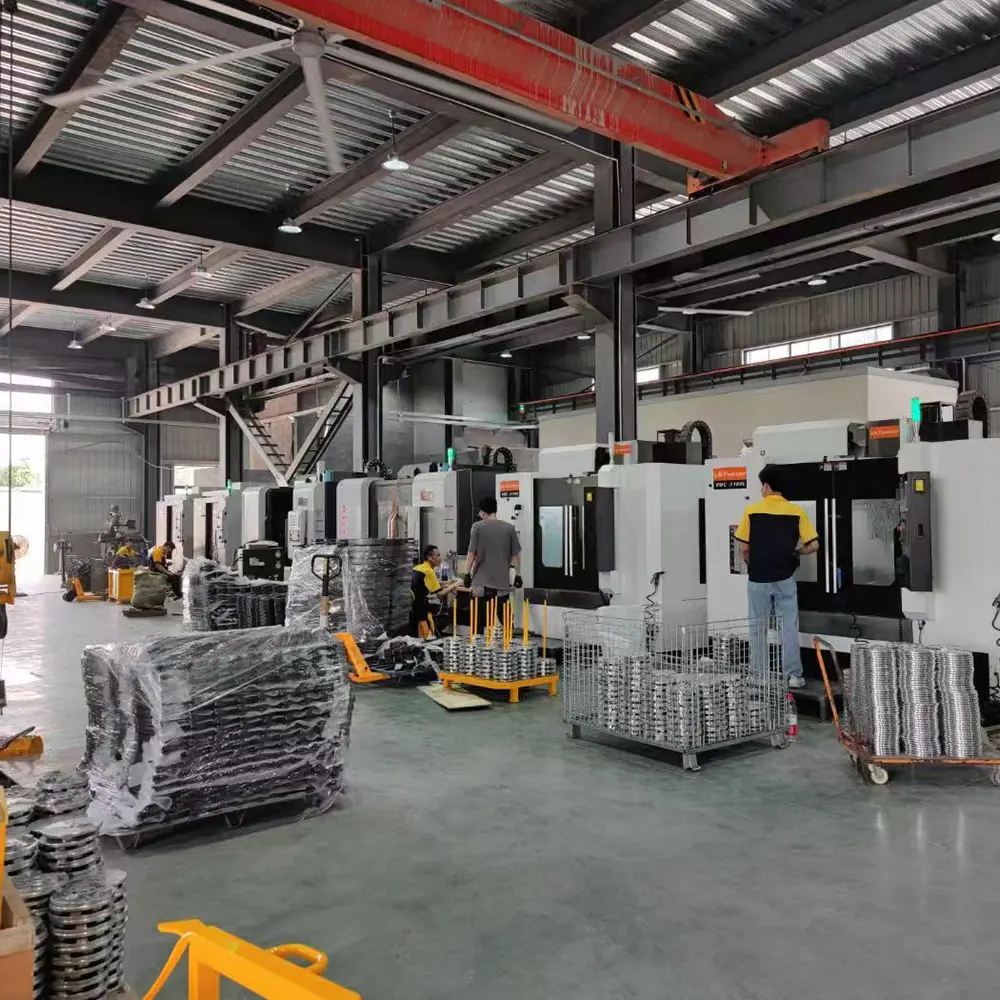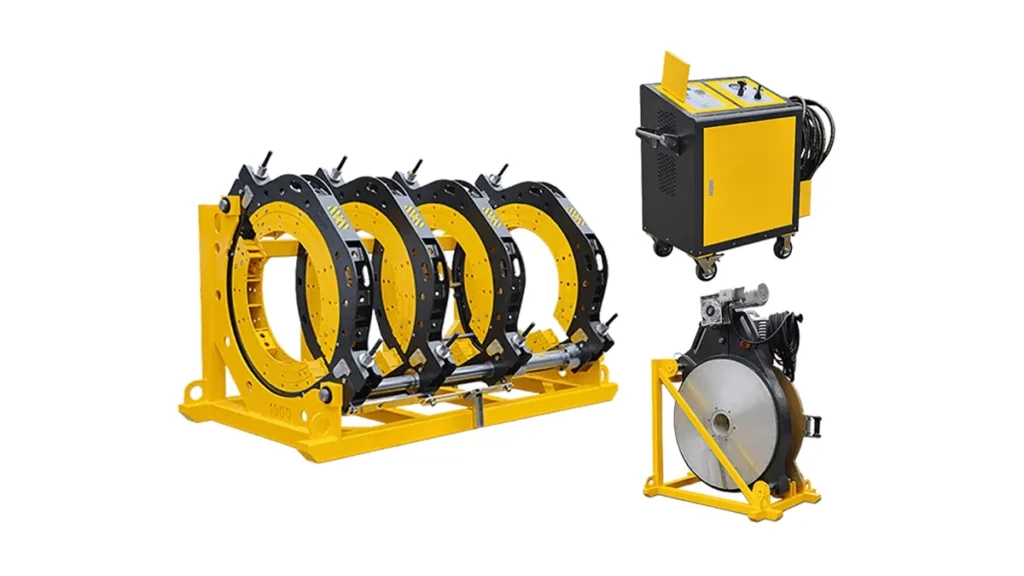
Selecting the right plastic pipe welding machine is a critical decision that directly impacts the integrity, safety, and longevity of your pipeline system. Whether you are working on a municipal water supply project, a gas distribution network, or an industrial mining application, the quality of the fusion joint is non-negotiable. Understanding butt fusion welding equipment standards and matching machine capabilities to project demands ensures leak-proof connections and efficient on-site performance.
Understanding the Main Types of Plastic Pipe Welding Machines
Before diving into specifications, it’s essential to recognize the primary categories of welding equipment available. Each type serves a distinct purpose depending on pipe diameter, wall thickness, and project environment. The core technologies generally fall into manual, hydraulic, CNC automatic butt fusion, and electrofusion machines.
| Machine Type | Operation Mode | Best For | Key Advantage |
|---|---|---|---|
| Manual Butt Fusion | Hand-operated lever | Small diameters (often below 315mm) | Lightweight, cost-effective, no power needed |
| Hydraulic Butt Fusion | Hydraulic power unit | Medium to large diameters (up to 2250mm+) | Consistent pressure, precise alignment |
| CNC Automatic | Programmable logic control | Critical infrastructure, high-volume projects | Data logging, eliminates human error |
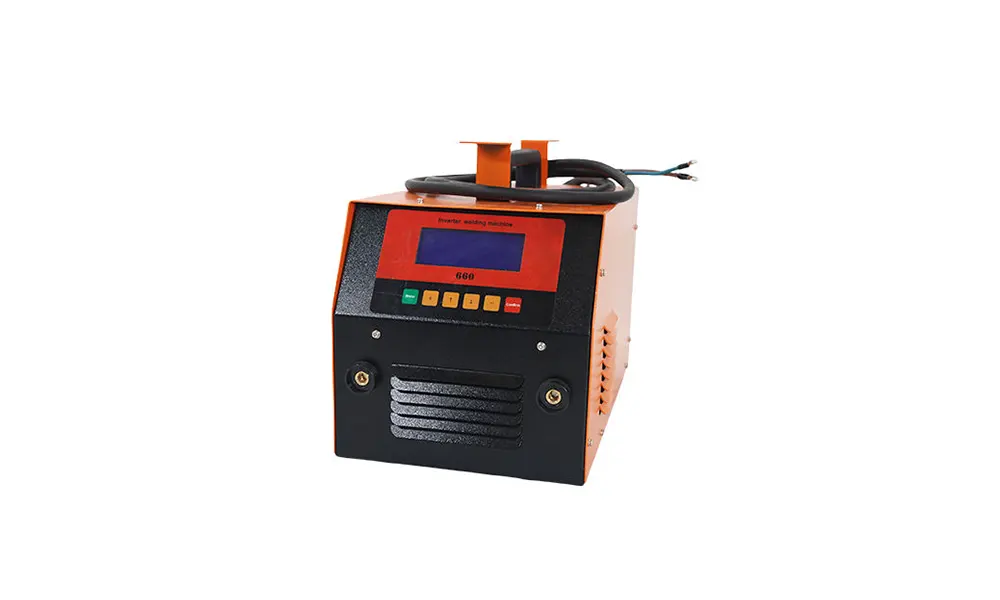
| Electrofusion | Electric current through fittings | Confined spaces, repairs, gas piping | Compact, suitable for tight trenches |
Key Factors for Selecting a Pipe Fusion Machine
To make an informed choice, evaluate the machine based on these critical criteria. The goal is to match the equipment to both the material specifications and the site conditions.
Pipe Diameter and Wall Thickness
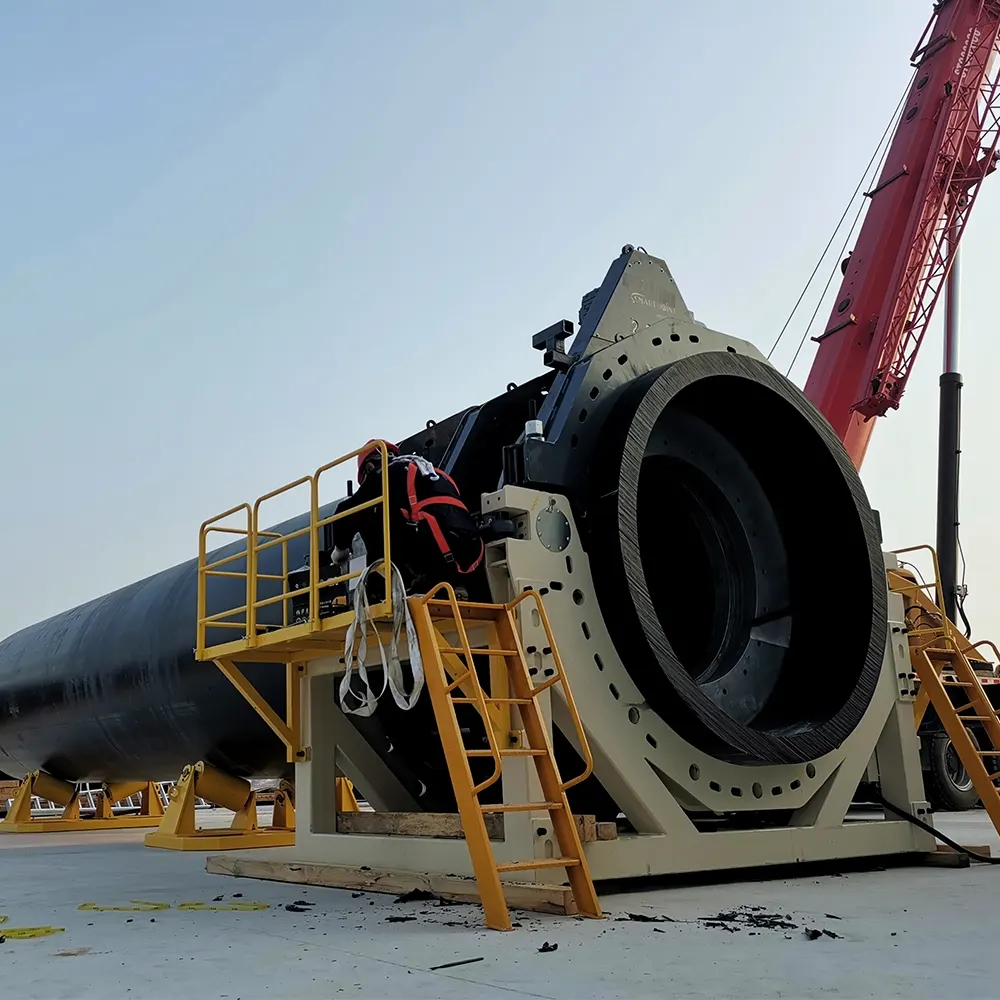
The most fundamental parameter is the range of pipe sizes the machine can handle. A manual machine may suffice for 63mm to 315mm pipes, but as soon as you cross into large-diameter HDPE pipelines, a hydraulic butt fusion welding machine becomes essential. Always check the manufacturer’s specified OD range and SDR rating to ensure the clamping force adequately resists welding pressure without slipping.
Welding Cycle Automation and Data Recording
For projects governed by strict quality assurance protocols, such as those following ISO 21307 butt fusion procedures, automatic CNC machines are highly recommended. These units automatically control the fusion stages—heating, heat soak, heater plate removal, and cooling—while recording parameters like temperature, time, and pressure. This traceability is invaluable for regulatory compliance in gas and water sectors.
Portability and Site Environment
Consider the terrain and accessibility of your work site. A compact, lightweight frame with integrated wheels may be necessary for remote installations or mountainous regions. In contrast, a stationary workshop setup can accommodate heavier, more robust systems designed for continuous production of fabricated fittings.

Comparing Power Systems and Clamping Design
The power system and clamp design significantly influence welding consistency and operator comfort. Your choice should reflect the joint complexity and the skill level of your crew.
- Manual Lever System: Ideal for smaller projects and training, requiring physical effort to generate fusion pressure.
- Hydraulic Pump System: Delivers high, uniform pressure with minimal operator effort. Essential for pipes above 400mm where manual force is insufficient.
- Clamp Material: Aluminum clamps are prized for being lightweight and corrosion-resistant, reducing the overall weight for field transport without sacrificing rigidity.
- Heating Plate Design: Look for plates with precision-controlled digital thermostats and non-stick PTFE coatings. Consistent temperature distribution across the entire face prevents cold spots that lead to weak joints.
Why Standards and Certification Matter
Never overlook the importance of industry standards. Conformity to standards like PE butt fusion equipment standards (ISO 12176-1) or ASTM F2620 ensures the machine has been engineered to meet rigorous performance and safety benchmarks. Reputable manufacturers like JQ-Fusion design their HDPE pipe welding machines to comply with these international specifications, assuring that your joints will pass hydrostatic pressure tests and long-term performance evaluations.
Operator Training and Skill Level
Advanced CNC machines offer a “smart” interface that reduces training requirements, guiding operators step-by-step. However, manual machines demand a thorough understanding of the PE butt fusion process. If your workforce is new to thermoplastic welding, selecting a machine with intuitive controls and clear visual indicators can dramatically reduce the learning curve and defect rate.
Matching Machine Selection to Project Application
Different industries demand specific features. For instance, gas utility projects frequently utilize electrofusion for tie-ins because of its precision in tight spaces. Conversely, large-scale water treatment plants rely on high-output hydraulic systems to weld kilometers of large-diameter HDPE pipe efficiently.
| Application Sector | Recommended Machine Feature | Typical Pipe Range |
|---|---|---|
| Municipal Water Supply | Hydraulic with data logging | 200mm – 1200mm |
| Gas Distribution | Compact electrofusion / high-precision CNC | 20mm – 500mm |
| Mining Slurry Lines | Heavy-duty hydraulic, abrasion-resistant trimmer | 400mm – 1600mm |
| Multi-Angle Fabrication | Dedicated multi-angle fitting machine | Varied segments |
Ultimately, choosing the best plastic pipe welding machine involves balancing upfront investment against long-term reliability and joint quality. A thorough assessment of your pipe specifications, site logistics, and quality requirements will guide you to the equipment that delivers consistent fusion integrity for decades to come.