
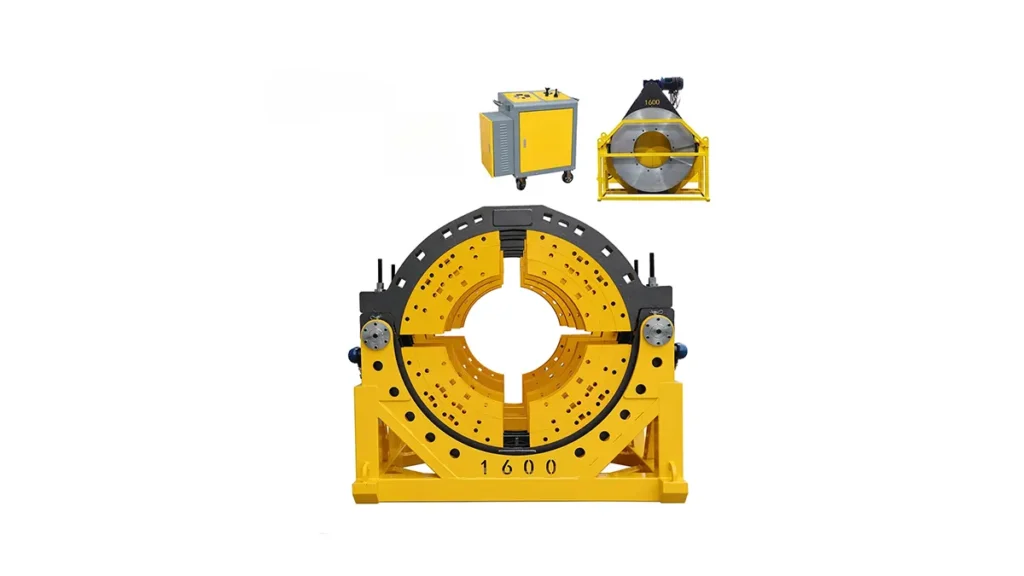
Achieving consistent, high-integrity welds on HDPE piping systems demands a strict adherence to proven procedures. This comprehensive butt fusion machine operation guide provides field-tested, step-by-step instructions to help operators, contractors, and project managers produce safe, reliable joints every single time. Whether you are working on municipal water supply, gas distribution, or industrial slurry lines, following these protocols minimizes risk and maximizes the lifespan of the pipeline.
1. Pre-Operation Safety and Site Preparation
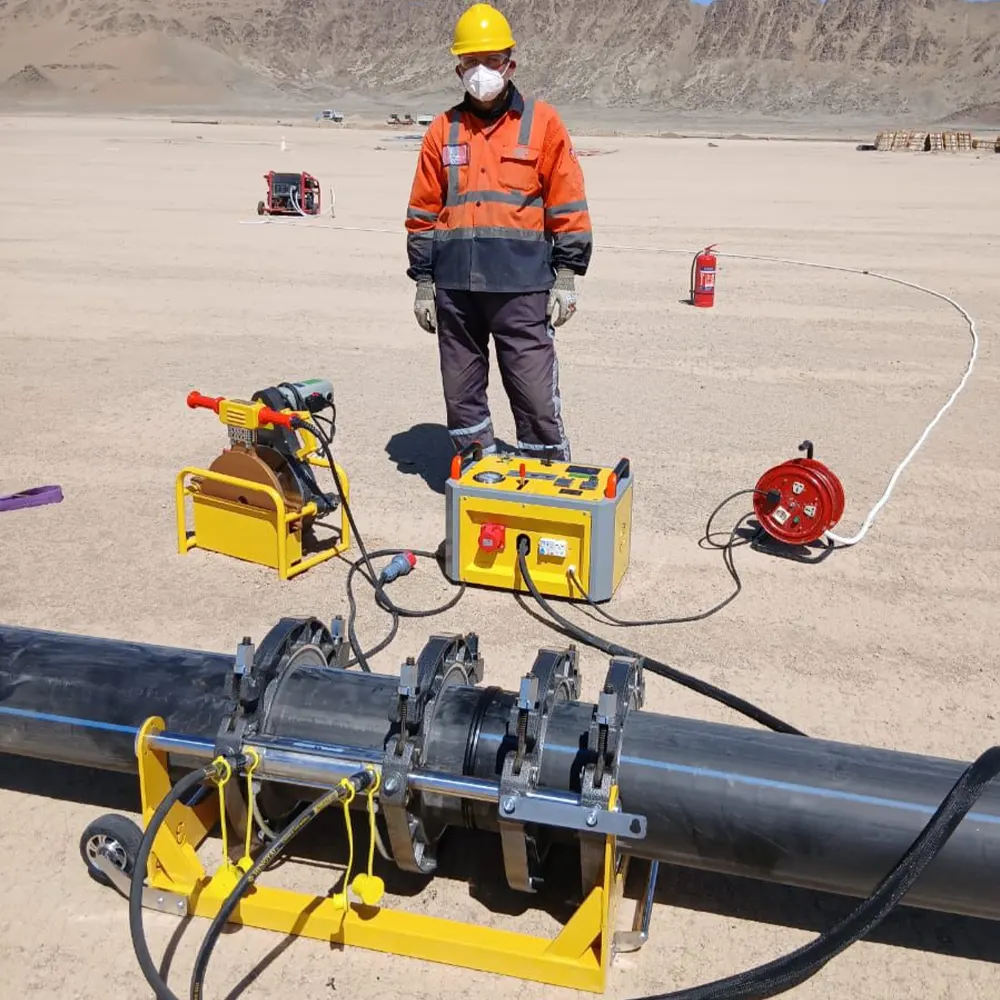
Before powering on any butt fusion equipment, the work area must be secured. Clear debris, moisture, and incompatible materials from the welding zone. Ensure the machine is placed on stable, level ground to prevent misalignment during the hydraulic clamping process. Operators must wear appropriate PPE, including thermal-resistant gloves and eye protection, as the heater plate reaches temperatures that can cause severe burns.
- Environmental Protection: Erect a temporary shelter to shield the fusion joint from direct sunlight, rain, or wind. Ambient temperatures below 5°C (41°F) require specific pre-heating adjustments.
- Power Supply Verification: Confirm the generator or mains power matches the voltage and phase requirements of your specific automatic butt fusion welding machine or hydraulic power pack.
- Component Integrity: Visually inspect the heater plate for residual plastic or damaged non-stick coatings. A clean, PTFE-coated surface is essential to prevent contamination.
2. Equipment Calibration and Heater Plate Setup
Accurate temperature control is the cornerstone of successful welding. The interface temperature must be verified daily using a calibrated digital pyrometer. Adhering to the PE butt fusion equipment standard ensures that the heater surface reaches the required range, typically 200°C to 230°C (392°F to 446°F), depending on the ISO 4427 PE water pipes material specifications.
| Parameter | Recommended Value | Tolerance |
|---|---|---|
| Heater Plate Temperature | 225°C (437°F) | ±10°C |
| Bead-Up Pressure (Interfacial) | 0.15 N/mm² | ±0.05 N/mm² |
| Heat Soak Time (SDR 11) | ~100 seconds (per standard chart) | +10% |
| Cooling Time (Ambient) | 10 minutes (for Ø160mm) | Minimum as per ISO |
3. Pipe Clamping and Alignment
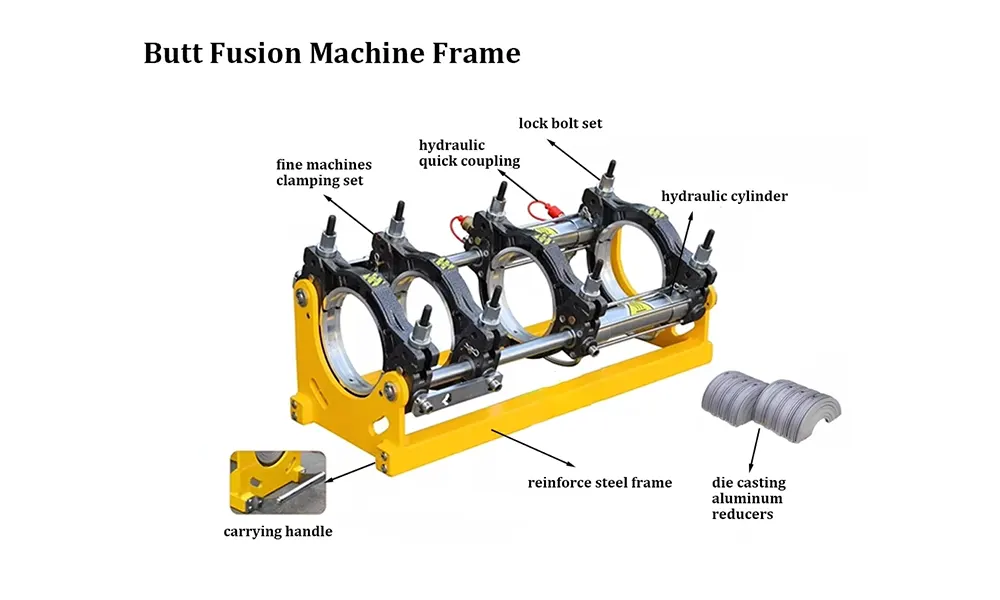
Insert the pipes into the jaws of the machine frame. The gap between the pipe ends should be just enough to accommodate the heater plate and the facing tool. Drop the clamps and tighten them symmetrically to avoid ovality. High and low axial alignment must be corrected using the machine’s adjustment features to ensure a mismatch of less than 10% of the pipe wall thickness.
4. Facing the Pipe Ends
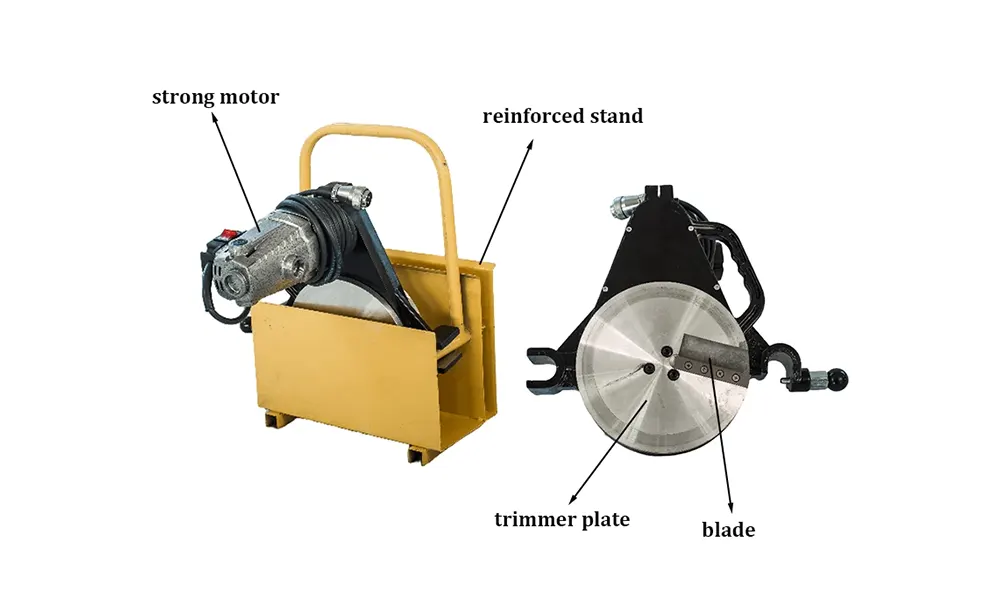
The facing tool is rotated and hydraulically compressed against the rotating cutters until a continuous shaving is produced from both pipe ends. This critical step removes oxidized material and creates perfectly parallel, smooth surfaces. Do not touch the faced surfaces after completion. Inspect the ends; any voids or un-shaved areas indicate insufficient facing and require repeating the process.
Key Checks After Facing:
- Continuous ribbon shaving from both pipes.
- No visible gaps when the pipe ends are brought together (cold check).
- Clean, uniform surface without burn marks.
5. The Heating and Melt Cycle
Move the heater plate into position. Apply specific fusion pressure to force the pipe ends against the hot surface. A uniform circumferential bead will begin to form; this is the “bead-up” phase. Once the bead reaches the correct size, the pressure is reduced to nearly zero drag pressure while the heat soaks into the pipe wall. The precise timing and pressure values stored in a CNC automatic butt fusion welding machine eliminate guesswork, but manual operators must be equally disciplined.
6. Heater Plate Removal and Fusion Joining
After the heat soak period ends, the pipe ends are pulled apart, and the heater plate is swiftly removed. The pipe ends must be brought together immediately. The joining procedure follows a precise pressure ramp-up:
1. Switch Over: Maximum allowed time is typically 5-6 seconds to prevent cooling of the melt.
2. Steady Pressure Build: Apply joining pressure uniformly until the two melt beads roll over and fuse.
3. Hold Under Pressure: The joint must be held rigidly under full pressure during the entire cooling cycle. Never release the clamps early.
7. Cooling and Inspection
Allow the joint to cool naturally under maintained clamping pressure. The cooling time is directly proportional to the pipe wall thickness and diameter. According to the PPI butt fusion procedure, premature removal of the part from the machine is the primary cause of brittle joint failure. Once cooled, remove the assembly and inspect the external bead visually.

Visual Acceptance Criteria (Good Weld):
- Symmetrical double roll-back bead on both sides of the pipe.
- Smooth transition from bead to pipe outer surface.
- No cracks, porosity, or discolored streaks in the bead.
8. Safety Hazards and Common Mistakes to Avoid
Proper training is not optional; operators should ideally hold qualifications meeting heat fusion operator qualification standards. A few common pitfalls can destroy a joint’s structural integrity:
| Mistake | Consequence | Solution |
|---|---|---|
| Dirty Heater Plate | Contaminated melt, no bond | Wipe with non-synthetic cloth while hot |
| Low Pipe Alignment | Stress notch, premature rupture | Use manual alignment jigs or hydraulic lifts |
| Short Cooling Drill | Molecular re-crystallization, joint separation | Use a timer and lock the machine |
Maintaining Your Butt Fusion Equipment
A well-maintained machine ensures repeatable results. Daily maintenance includes greasing slide rods, checking hydraulic oil levels, and verifying the operation of the emergency stop. For example, the durable construction of equipment like the JQH800mm Hydraulic Butt Fusion Welding Machine is designed for rigorous field environments, but even robust machines require routine calibration to maintain compliance with international standards.

Ultimately, the reliability of your pipeline network starts with precision joining. Whether you are using a manual machine for smaller diameters or a large-scale hydraulic system for heavy infrastructure, following these structured steps protects your investment. For specialized projects requiring robust and customizable welding solutions, JQ-Fusion provides engineered equipment tailored to deliver exacting performance under the toughest conditions. Always consult the machine’s service manual for detailed diagrams and consult the resin manufacturer for precise welding parameters specific to your project’s HDPE grade.



