
Joining polyethylene pipes demands precision, consistency, and the right equipment. Whether you are working on municipal water supply, gas distribution, or industrial fluid transport, selecting the appropriate butt fusion welding machine is critical for leak-free, long-lasting pipelines. This guide explores the main types of HDPE welding machines for PE pipes, their key features, and essential factors to consider before making a purchase.
Manual Butt Fusion Welding Machines
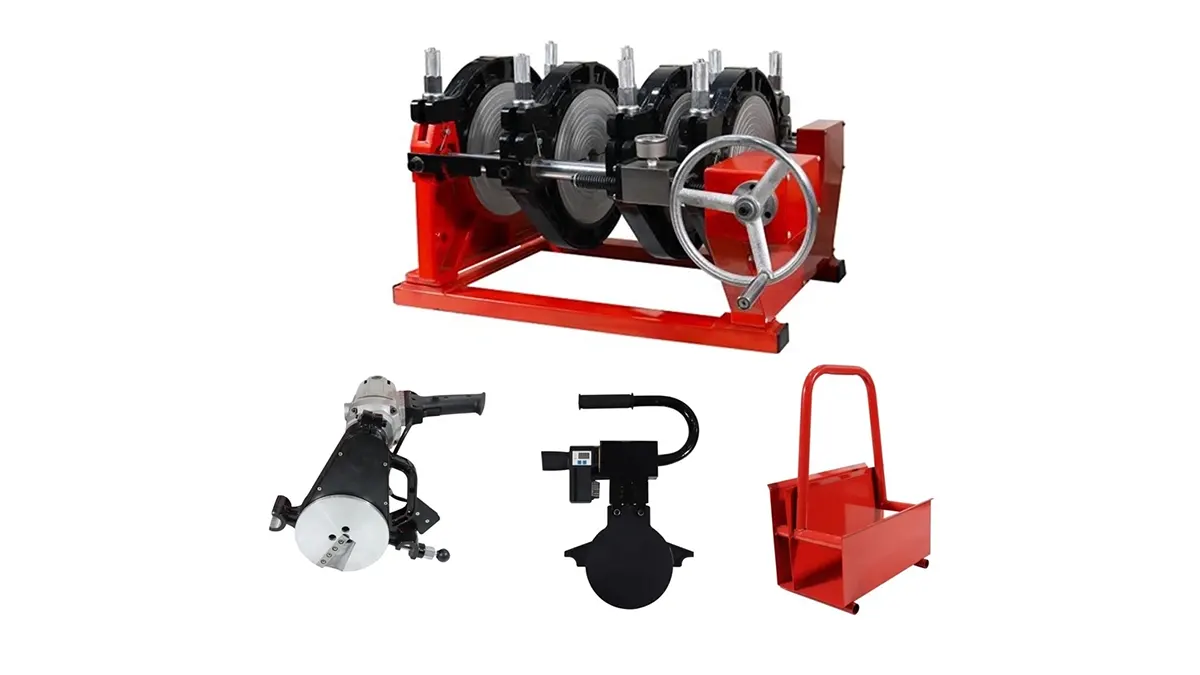
Manual butt fusion machines represent the most fundamental and cost-effective solution for joining PE pipes. They are typically used for smaller diameters, generally ranging from 40mm to 315mm. The operator manually controls the alignment of the pipes, the trimming of the pipe ends, and the application of the heating plate.
These machines are highly portable and require no external power source for the basic frame, making them ideal for tight workspaces, rural installations, and maintenance repairs. They feature a robust steel frame with manual lever clamps to secure the pipe. The key to a successful weld here relies heavily on the operator’s skill and adherence to standardized procedures.
Advantages of Manual Machines
- Lightweight and easy to transport
- Low initial investment cost
- Simple mechanical operation with minimal maintenance
- Excellent for small-scale projects and emergency repairs
Hydraulic Butt Fusion Welding Machines
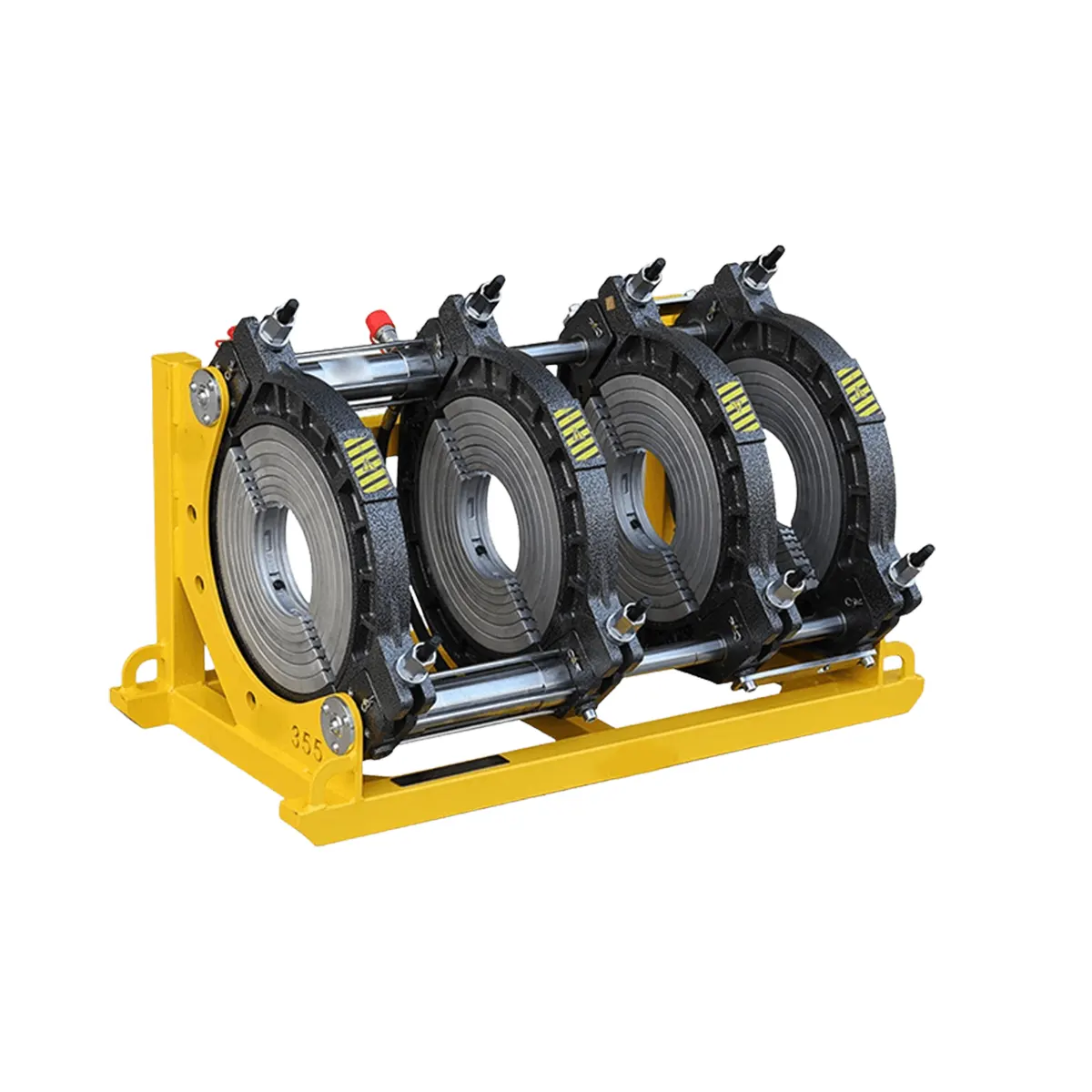
For medium to large diameter pipes, hydraulic butt fusion welding machines are the industry standard. These units utilize a hydraulic power pack to generate significant clamping and driving force, ensuring perfect alignment and reducing operator fatigue. They typically cover a range from 200mm up to 2250mm or more.
The hydraulic system allows for precise pressure control during the heating and fusion stages, which is essential to meet ISO 21307 butt fusion procedures. These machines often come equipped with removable aluminum clamps or bolt-down inserts to accommodate different pipe diameters, providing a secure grip without damaging the pipe surface.
Key Features to Look For
- High-quality hydraulic cylinders for smooth movement
- Precision-machined guide rails for perfect alignment
- Removable clamp inserts to handle various SDR ratings
- Integrated datalogging capabilities for quality records
CNC Automatic Butt Fusion Welding Machines
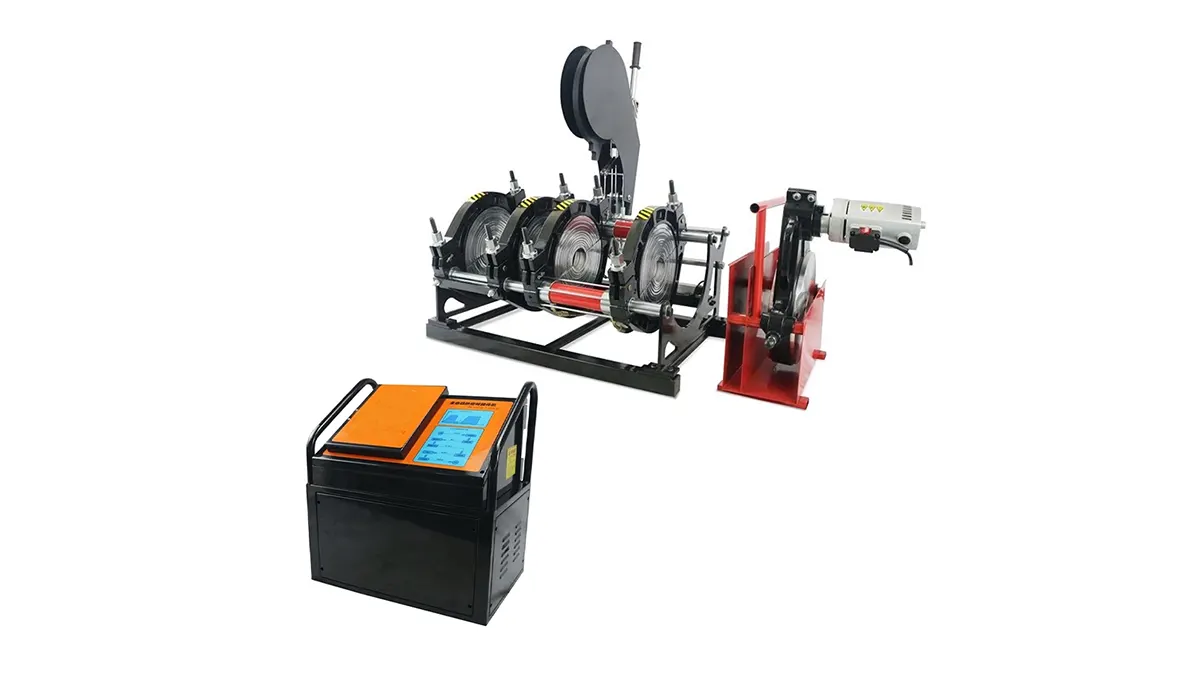
When absolute repeatability and documentation are required, CNC automatic butt fusion welding machines are the premier choice. These machines automate the entire welding cycle, from facing to heating and fusion, strictly following pre-set parameters. They significantly minimize human error and are compliant with stringent standards like ASTM F2620 heat fusion practices.
These automatic systems are vital for nuclear, high-pressure gas, and large-scale water infrastructure projects. The onboard computer automatically adjusts pressure based on ambient temperature and pipe drag, ensuring a consistent welding joint every time. Data logs can be exported for quality assurance and traceability of the HDPE welding machine for PE pipes process.
Benefits of Automation
- Elimination of operator guesswork and fatigue
- Real-time monitoring and automatic parameter adjustment
- Comprehensive data storage for QA/QC documentation
- Higher productivity and faster weld cycle times
Technology Comparison Table
| Machine Type | Diameter Range | Power Source | Key Attribute |
|---|---|---|---|
| Manual | 40mm – 315mm | Manual Lever | Portability and Simplicity |
| Hydraulic | 200mm – 2250mm | Hydraulic Pump | High Clamping Force and Control |
| CNC Automatic | 160mm – 1200mm | Hydraulic + Computer | Automated Cycle and Data Logging |
| Electrofusion | 20mm – 800mm | Electric Processor | Tight spaces and repair clamps |
| Multi-Angle | Up to 800mm | Hydraulic | Complex segmented fittings |
Essential Components of a Quality HDPE Welding Machine
Regardless of the type, a reliable HDPE welding machine for PE pipes must include specific critical components. The heating plate should feature a non-stick PTFE coating with precise digital temperature control to prevent material degradation. The facing tool requires sharp, ground blades to create a smooth, square pipe end with no contamination.
The clamps must provide uniform pressure distribution; aluminum clamps are often preferred for their lightweight durability and resistance to corrosion. Proper alignment is non-negotiable—any mismatch in the pipe wall can lead to a failed joint during pressure testing. Ensure the machine meets the PE butt fusion equipment standard for best results.
Buying Guide: How to Choose the Right Machine
Investing in a fusion machine requires a clear analysis of your project scope. Start by defining the maximum and minimum pipe diameters and their Standard Dimension Ratio (SDR). An SDR rating determines the pipe wall thickness, which directly influences the welding pressure parameters.
Consider your job site environment. If you are working in remote areas with unreliable electricity, a manual machine might be safer than an automatic one. However, for regulated utilities, a CNC unit that documents every step of the butt fusion process is often mandatory. Look for suppliers who offer comprehensive technical support and supply genuine spare parts.
Checklist Before Buying
- Pipe Range: Verify the machine supports your specific OD and SDR requirements.
- Pressure Regulation: Manual mechanical pressure vs. programmable hydraulic systems.
- Data Recording: Is a USB or printer interface required for quality assurance?
- Portability: Fixed wheels, portable handles, or containerized builds for large projects.
- Certifications: Check for compliance with ISO 21307 or ASTM F2620.
The Importance of Operator Training and Standards
Even the most advanced HDPE welding machine for PE pipes cannot compensate for improper training. Operators must understand the theoretical principles of butt fusion, including the staging of bead-up, heat soak, and cooling times. International standards dictate strict certification for welders, and using machines that comply with these standards ensures that the joint integrity meets engineering requirements.
Well-trained teams prevent common defects such as cold welds, contamination, and inclusion of foreign materials. Regular maintenance of the machine, especially recalibration of the heating plate and sharpening of the facing blades, is essential to maintain the high quality of the butt fusion joining.
Advanced Welding: Electrofusion and Multi-Angle Systems
Beyond standard butt fusion, specialized equipment handles unique challenges. Electrofusion machines use special fittings with embedded heating coils to melt and join pipes, which is incredibly effective in tight repair trenches or when joining pipes of different grades. Multi-angle pipe fitting welding machines are engineered specifically for fabricating segmented elbows, tees, and Y-junctions, ensuring precise angle control for custom piping networks.
For demanding infrastructure projects, partnering with a dedicated equipment manufacturer is vital. JQ-Fusion specializes in manufacturing high-performance HDPE welding machines, including manual, hydraulic, and CNC automatic lines, ensuring contractors have access to durable and customizable solutions for any project scale. By selecting the right type of machine and maintaining it properly, you guarantee the longevity and safety of your PE piping system.



