
Italy’s infrastructure projects demand welding equipment that combines precision, durability, and ease of use. For contractors, municipal teams, and industrial piping specialists working across regions from Milan’s utilities to Sicily’s irrigation networks, a hydraulic butt fusion machine is often the go-to solution for joining HDPE pipes reliably under varied field conditions.
Why Hydraulic Butt Fusion Machines Matter in Italy
Hydraulic butt fusion welding delivers consistent joint quality for HDPE pipes used in water supply, gas distribution, and industrial processes. In Italy, where seismic safety, long-term potable water integrity, and adherence to European standards are essential, hydraulic systems provide the controlled pressure and repeatable cycles required to meet strict regulations.
Key Advantages for Italian Projects
Consistent weld quality: Hydraulic machines maintain stable force during heating and cooling phases, reducing human error on large municipal and industrial runs. Italian contractors value this predictability for long pipelines and complex networks.
Adaptability: Models cover small-diameter service lines to large-diameter trunk mains, useful for utilities in dense urban centers like Rome and sprawling agricultural pipelines in Puglia.
Features to Look For
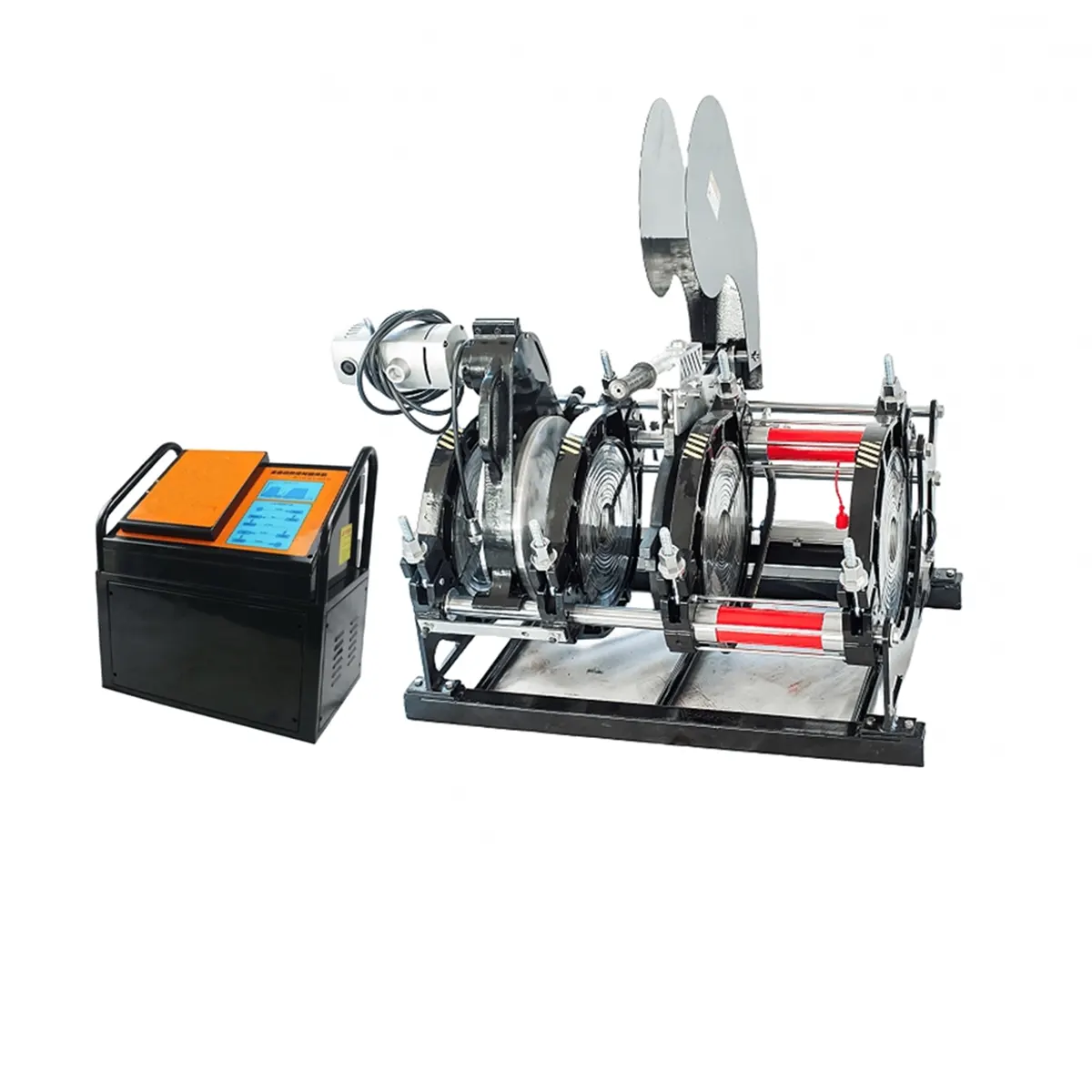
When specifying equipment, look for robust hydraulic units with accurate pressure gauges, secure clamping frames, and reliable heaters. Features that improve onsite productivity include quick-release clamps, integrated trimming tools, and modular frames for transport between tight urban job sites and remote rural installations.
Applications Across Italian Sectors
Hydraulic butt fusion machines are widely used in:
- Municipal water and sewer networks — ensuring leak-free joints for drinking water systems.
- Gas distribution — complying with safety and tightness requirements for urban grids.
- Agricultural irrigation — durable connections for long-term, weather-resistant piping.
- Industrial plants — high-strength joints for chemical and process piping.
Performance and Compliance
Italian buyers often prioritize equipment with CE marking, clear calibration for pressure and temperature, and documentation that supports traceability. Reliable hydraulic machines help operators meet UNI and EN standards for fusion welding of thermoplastics.
Comparing Common Machine Types
| Model | Pipe Range | Drive/Power | Best For |
|---|---|---|---|
| Hydraulic Compact | 20–315 mm | Hydraulic Pump | Urban service lines, tight sites |
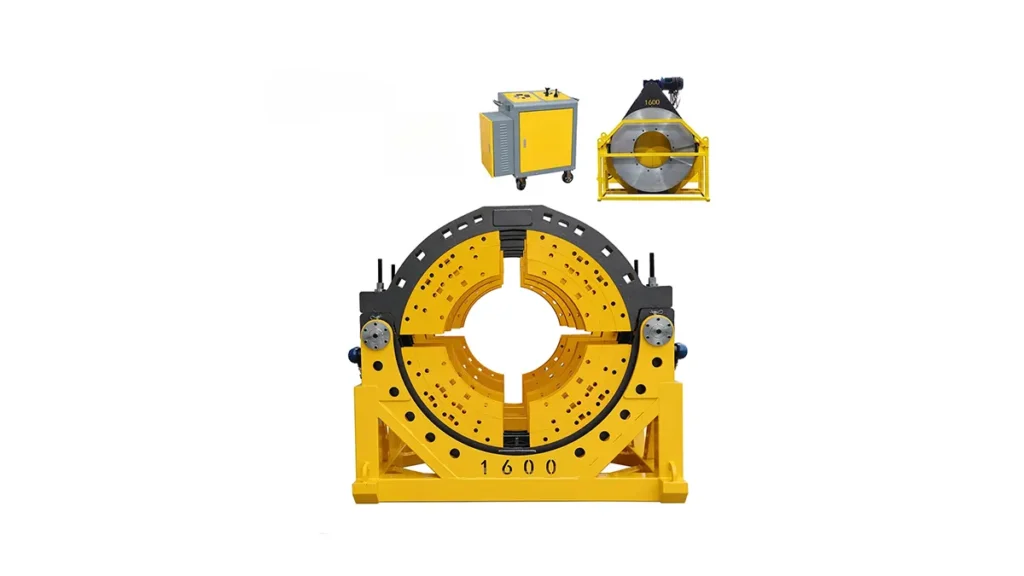
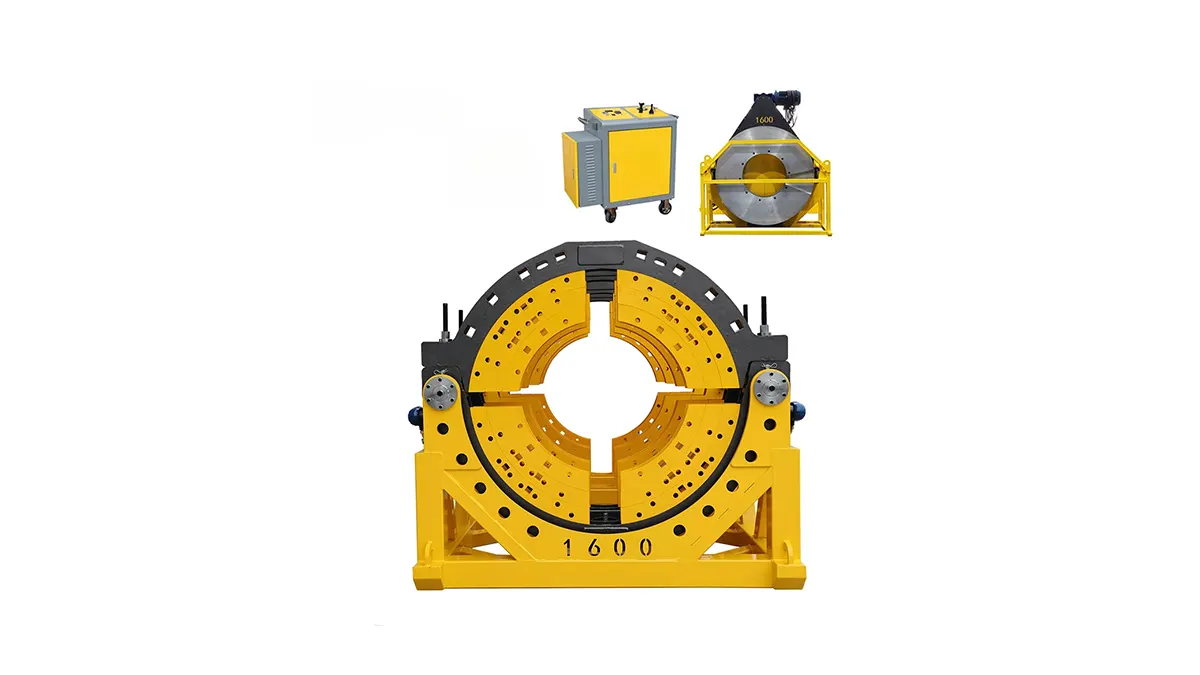
| Large-Diameter Hydraulic | 315–1600 mm | High-capacity hydraulic station | Main trunk mains, industrial piping |
| Automatic CNC | 63–500 mm | Electrical/Hydraulic Hybrid | High-volume, documented weld records |
Selecting the Right Supplier in Italy
Choose suppliers who offer spare parts availability across Europe, onsite training for local crews, and responsive technical support. For many Italian contractors, having a partner that understands local standards and project timelines is as important as machine performance.
Operational Tips for Italian Conditions
Field crews should adapt welding procedures for ambient temperature changes common across Italy’s regions. During colder months in the north or high-altitude works, allow extended heating times; for hot southern summers, ensure cool-down phases are controlled to avoid rapid stress release.
Why JQ-Fusion Is Trusted
JQ-Fusion provides a range of manual, hydraulic, and CNC butt fusion machines designed for global infrastructure projects. Their portfolio supports varied pipe diameters and includes durable hydraulic units suited for the demands of Italian construction, utilities, and industrial clients.
For engineers and procurement teams in Italy, investing in a high-quality hydraulic butt fusion machine means improved long-term pipeline integrity, reduced rework, and compliance with European standards—delivering value on both municipal and industrial projects.



