
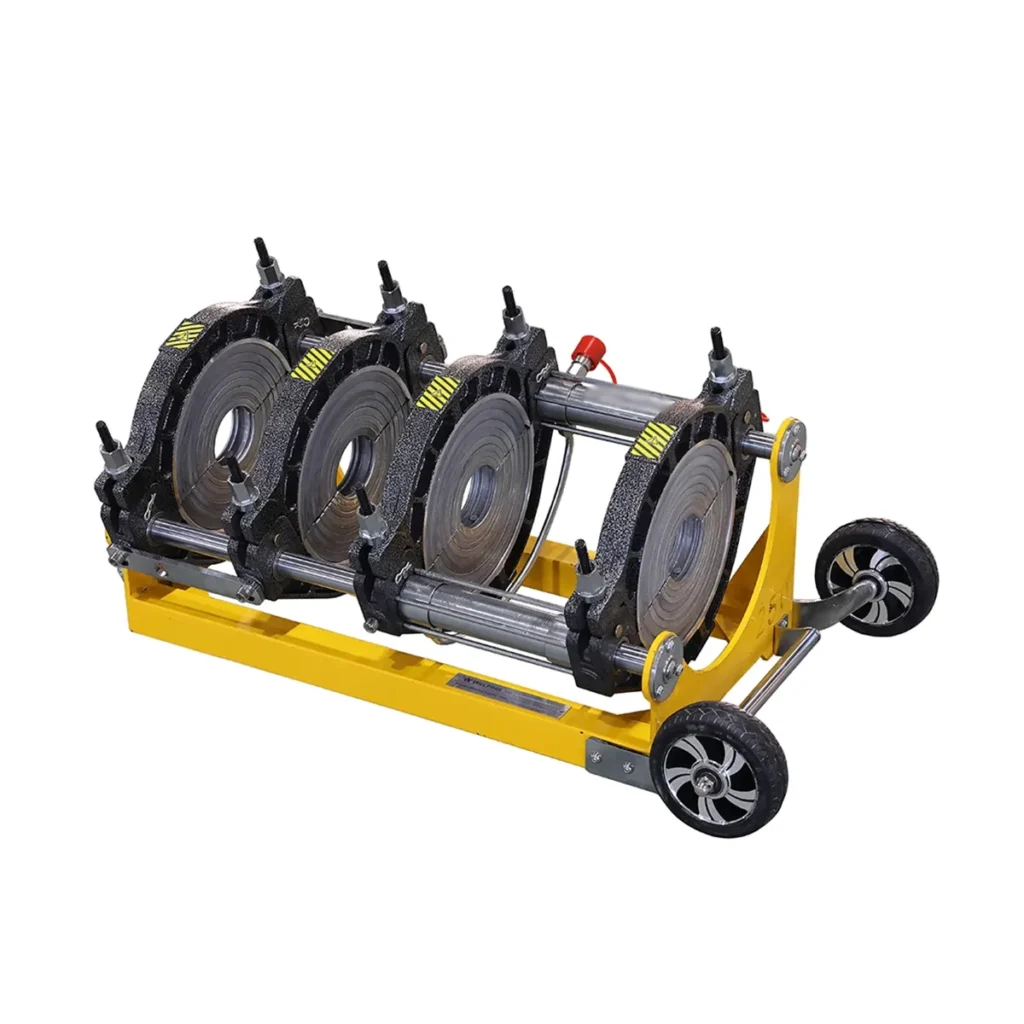
HDPE pipe butt fusion machine technology is the backbone of reliable plastic pipe welding for water, gas, mining and industrial pipeline projects. This guide explains how butt fusion welding works, the machine types available, selection tips, common problems and maintenance advice to help contractors, distributors and plant engineers choose the right equipment and get consistent, high-quality joints.
Why Butt Fusion for HDPE Pipes?
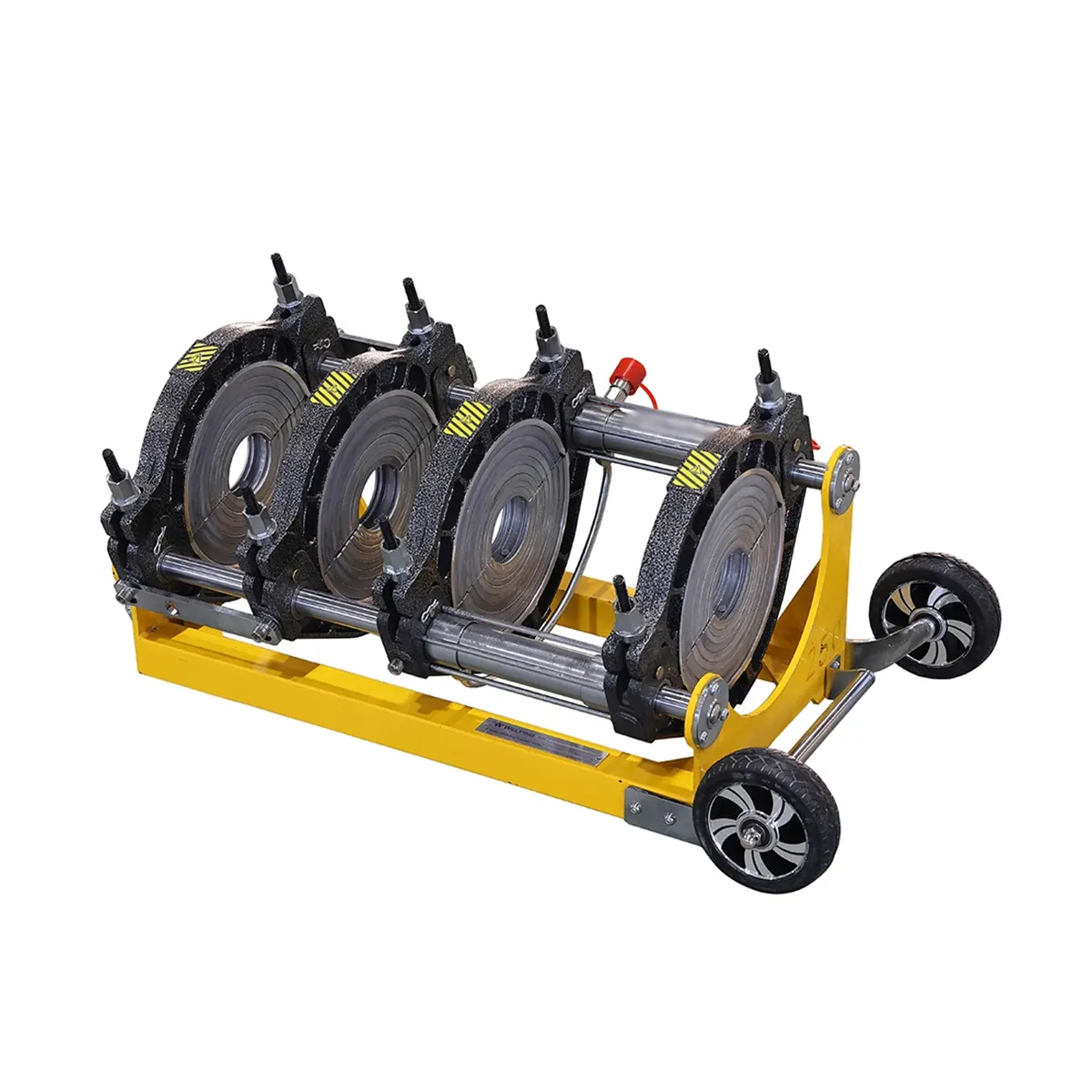
Butt fusion welding produces homogeneous joints by heating pipe ends and pressing them together under controlled pressure. The result is a fusion bond with strength equal to or greater than the base material, making it the preferred method for HDPE pipe systems that require leak-free, long-lasting connections.
Key Benefits
- Durability: Joints resist soil movement, pressure and corrosion.
- Reliability: Consistent process control reduces rework and failures.
- Versatility: Suitable for a wide diameter range and pressure classes.
- Cost-efficiency: Lower lifecycle costs compared to mechanical fittings.
Common Types of Butt Fusion Machines
Manufacturers like JQ-Fusion offer a full range of butt fusion equipment to match project scales:
Manual Butt Fusion Machines
Simple and portable units for small-diameter pipes and site repairs. Ideal for remote jobs where mobility matters.
Hydraulic Butt Fusion Machines
Hydraulic systems provide precise force control and are common on construction sites and large-diameter installations.
Automatic/CNC Butt Fusion Machines
Advanced control systems automate heating, alignment and fusion parameters, delivering repeatable results for production or high-volume installations.
Selecting the Right Machine
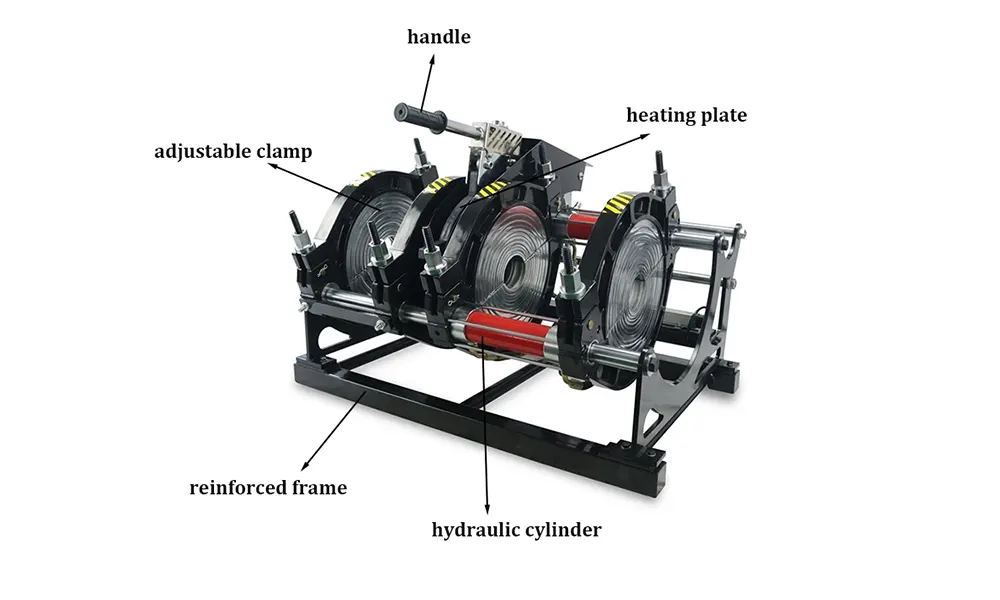
Choose based on project needs: pipe diameter range, jobsite environment, required throughput and operator skill level. Consider clamping options, heater plate quality, hydraulic power and available service support.
Quick Selection Checklist
- Diameter range and pressure rating compatibility
- Power source availability (electric, hydraulic)
- Portability vs. automation needs
- Spare parts and local service availability
Butt Fusion Welding Process (Step-by-Step)
Standard steps ensure a strong fusion joint when followed precisely:
- Prepare and align pipe ends using clamps.
- Trim facing surfaces to remove oxides and ensure flatness.
- Bring heater plate between pipe ends and heat to the required temperature.
- Remove heater and apply controlled pressure to fuse the molten faces.
- Hold final cooling pressure until the joint achieves sufficient strength.
- Inspect weld bead and perform non-destructive or destructive testing as required.
Typical Specifications & Process Parameters
| Parameter | Typical Range |
|---|---|
| Pipe Diameter | 16mm – 2250mm (models vary) |
| Heating Temperature | 200°C – 260°C |
| Facing Tolerance | ≤ 0.2mm |
| Fusion Time | Depends on OD & SDR (per standard tables) |
Troubleshooting & Maintenance
Common Issues
Poor fusion, uneven bead or weak joints are usually caused by incorrect facing, contaminated heater plate, wrong temperature or insufficient pressure. Always verify parameter settings and cleanliness.
Routine Maintenance
- Keep heating plates clean and undamaged.
- Lubricate moving parts and check hydraulic oil periodically.
- Calibrate pressure gauges and temperature sensors annually.
- Store machines in dry conditions and protect electrical components from moisture.
Safety & Operator Training
Butt fusion involves high temperature and pressure. Operators should receive formal training on machine operation, PPE, emergency procedures and weld quality inspection. Follow applicable standards (ISO, ASTM or national regulations) for testing and certification.
Applications Across Industries
Butt fusion welding is widely used in:
- Municipal water and sewer networks
- Gas distribution systems
- Mining slurry pipelines
- Industrial chemical and process piping
- Agricultural irrigation systems
Why Choose JQ-Fusion
JQ-Fusion is a professional manufacturer specializing in HDPE pipe welding machines, offering manual, hydraulic and CNC automatic butt fusion solutions for global infrastructure projects. Their focus on quality, customizable designs and responsive support makes them a reliable partner for contractors and distributors.
FAQs
What diameter range do butt fusion machines cover?
Models vary from small manual units for 16mm pipe up to heavy-duty hydraulic rigs for pipes over 2000mm. Select a model rated for your project’s OD and SDR.
Is automatic fusion better than hydraulic?
Automatic/CNC machines offer the most repeatable results and higher throughput. Hydraulic units are robust and versatile for many field conditions, while manual machines prioritize portability and low cost.
How often should machines be serviced?
Inspect before each job, perform preventive maintenance monthly for frequent users, and schedule professional calibration annually or per operating hours.



