
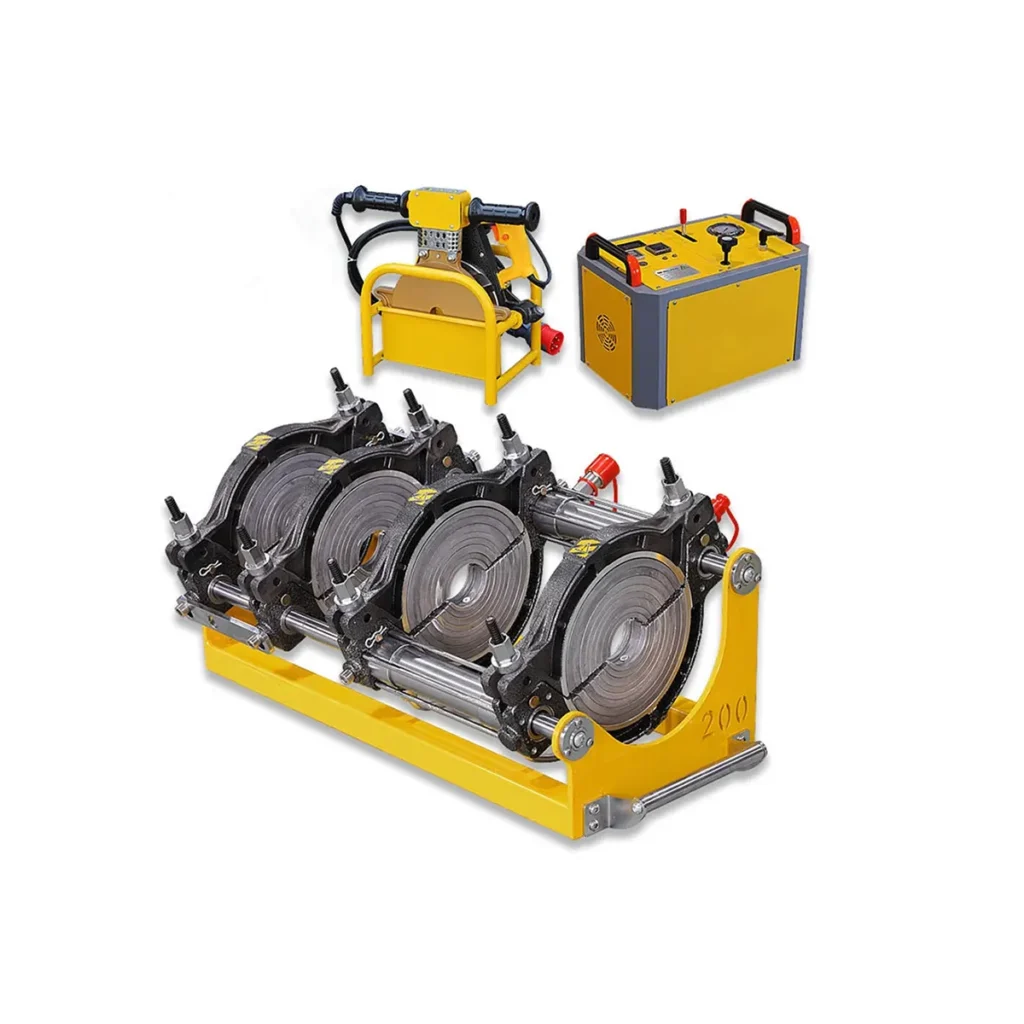
Looking for a reliable HDPE fusion machine wholesaler in Mozambique? This guide explains why professional butt fusion equipment is essential for pipeline projects across Mozambique — from urban water networks in Maputo to irrigation and mining pipelines in the northern provinces — and how to choose the right machine for local conditions.
Why HDPE Butt Fusion Machines Matter in Mozambique
HDPE pipelines are increasingly used in Mozambique for water supply, rural irrigation, gas distribution, and mining operations because of their corrosion resistance and long service life. Butt fusion welding provides leak-free joints that withstand soil movement and coastal environments. For government contractors, NGOs, and local installers, investing in the right welding machine ensures faster installation, stronger joints, and lower lifecycle costs.
Selecting the Right Machine Type
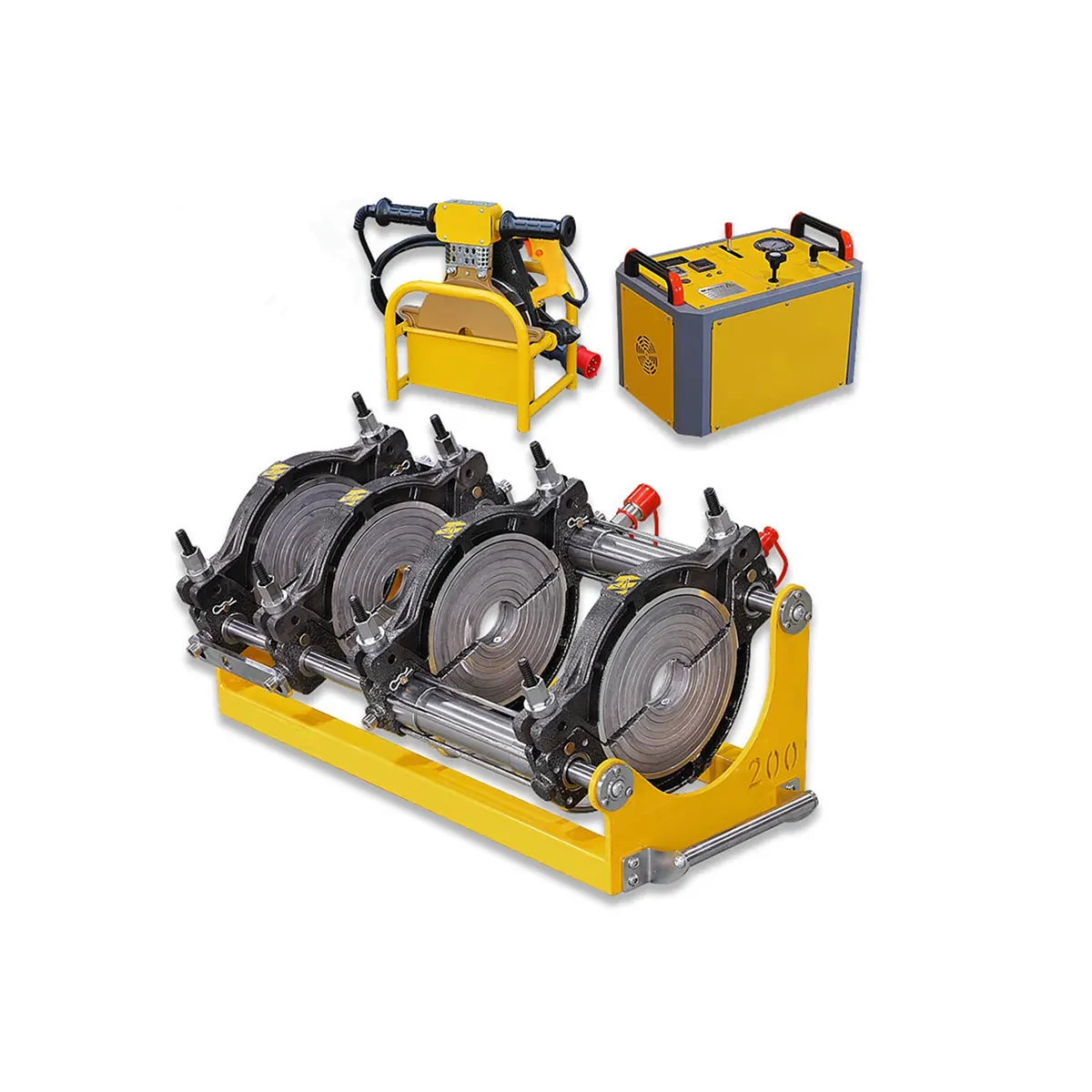
There are three common machine types suitable for Mozambique projects: manual, hydraulic, and CNC automatic butt fusion machines. Manual units are portable and ideal for remote village waterworks. Hydraulic machines offer higher clamping force and are suited to larger diameters used by municipal contractors. CNC automatic systems deliver precision and speed for large pipeline contracts and industrial sites.
Local Considerations: Climate, Logistics & Workforce
Mozambique’s tropical climate, long coastlines, and seasonal rains affect welding operations. Machines should be robust against humidity and easy to maintain in the field. Choose equipment that local technicians can learn quickly — Portuguese-language manuals and on-site training reduce errors. Plan shipping through major Mozambican ports (Maputo, Beira, Nacala) and consider local handling for oversized hydraulic or automatic units.
Key Features to Look For
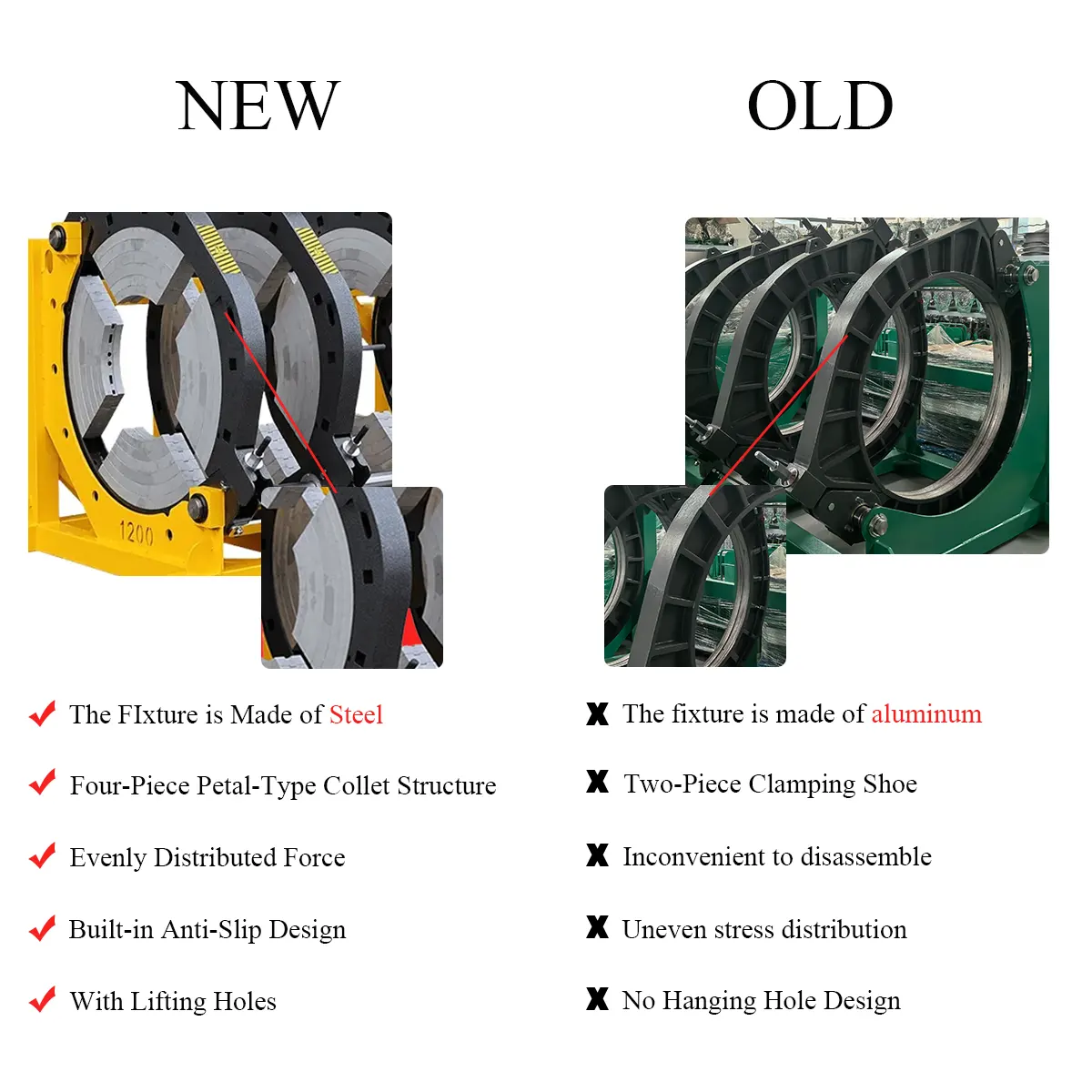
Choose machines with dependable heating plates, accurate temperature controls, and durable clamp frames. Portability, spare parts availability, and a strong service network are critical in Mozambique where projects may be remote. Safety features and easy-to-read controls shorten training time for local crews.
Quick Model Comparison
| Model Type | Typical Pipe Range | Best For | Portability |
|---|---|---|---|
| Manual Butt Fusion | 20–400 mm | Rural water, small projects | High |
| Hydraulic Butt Fusion | 250–2000 mm | Municipal & industrial pipelines | Medium |
| CNC Automatic Fusion | 63–1600 mm | Large projects, high throughput | Low |
Service, Training & Spare Parts
For sustained performance in Mozambique, ensure the supplier provides training, Portuguese documentation, and a clear spare-parts supply chain. Local workshops and trained welders speed up deployment and reduce downtime. Consider a supplier who can provide commissioning support and remote troubleshooting for automatic systems.
Procurement Tips for Mozambique Buyers
When sourcing a wholesaler, confirm: machine warranty terms, lead times to Mozambican ports, packaging for long sea transit, and after-sales support. Ask for case studies or references from similar African projects to verify on-the-ground reliability.
Trusted Manufacturer Reference
For a wide range of butt fusion solutions — manual, hydraulic, and CNC automatic machines — consider checking the product line from JQ-Fusion for options that match Mozambique infrastructure needs.
Next Steps
Assess the typical pipe diameters and working conditions for your Mozambique projects, request model specifications and local support plans, and schedule a demo or remote consultation to confirm the best solution for your team.



