
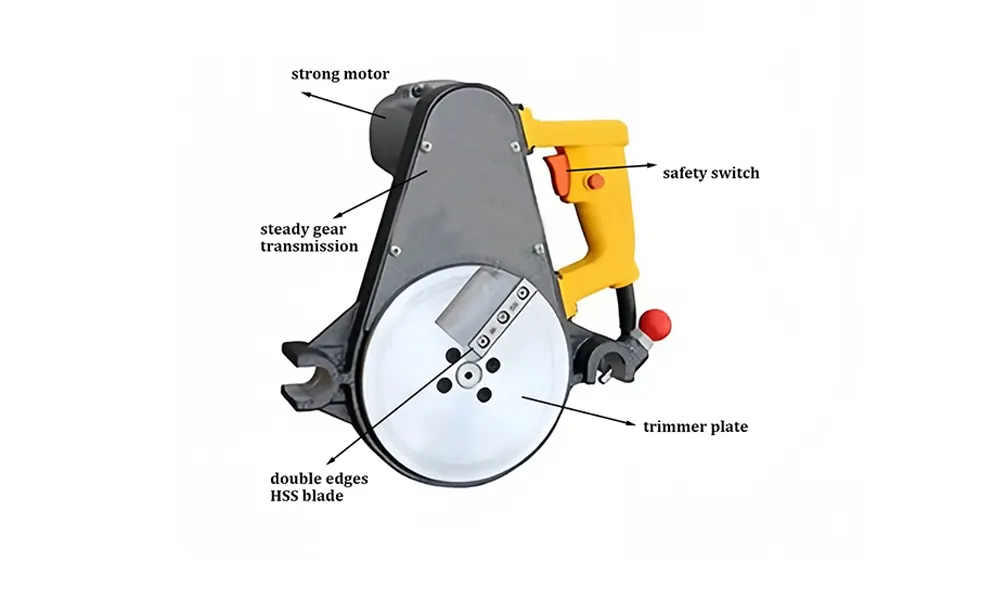
Training HDPE welding operators is one of the most important steps in achieving dependable pipe fusion results. In water supply, gas distribution, mining, and industrial pipeline projects, the quality of every joint depends not only on the machine, but also on the operator’s skill, discipline, and understanding of the process. A well-trained operator can reduce rework, avoid leakage risks, improve productivity, and extend the service life of the entire pipeline system.
For manufacturers and contractors working with butt fusion machine solutions, operator training is not just a formality. It is a practical investment in safety, efficiency, and long-term welding quality. When teams understand correct heating time, pipe alignment, pressure control, and cooling procedures, they create welds that meet project requirements more consistently and with less waste.
✔ Key idea: HDPE pipe welding quality begins with operator competence. Even high-performance equipment cannot fully compensate for poor preparation, incorrect parameters, or rushed execution.
Why Operator Training Matters in HDPE Pipe Welding
HDPE butt fusion creates a permanent, monolithic joint by heating and joining pipe ends under controlled pressure. The process is precise, and small mistakes can lead to weak welds, ovality issues, contamination, or joint failure. That is why operators must learn both the theory and the hands-on workflow before working on site.
In real projects, welding conditions can change from one site to another. Temperature, humidity, pipe size, machine type, and project schedule all affect the final result. A trained operator understands how to adapt without compromising standards. This becomes especially important on large infrastructure projects where a single failed joint can delay an entire section of the pipeline.
⚠ Important: training should cover both manual skills and decision-making. Operators need to know when to proceed, when to stop, and how to identify conditions that may affect weld integrity.
Core Skills Every HDPE Welding Operator Should Learn
1. Material Knowledge and Pipe Preparation
Before any weld begins, operators should understand the basic properties of HDPE pipe and fittings. HDPE is flexible, chemically resistant, and durable, but it must be handled correctly to achieve a strong fusion joint. Training should include pipe storage, inspection, cleaning, end preparation, and protection from dust or moisture.
Pipe ends must be cut square, cleaned thoroughly, and aligned properly before heating. If the surfaces are dirty or damaged, the weld can be compromised. A good operator learns that preparation is not a side task; it is part of the welding process itself.
2. Machine Setup and Calibration
Different welding machines may have manual, hydraulic, or CNC automatic operation modes. Operators should know how to inspect the equipment, check the heating plate, verify hydraulic pressure, and ensure clamp alignment before starting work. Calibration is essential because temperature and pressure errors can lead to inconsistent fusion.
Modern production and testing standards, such as those used by experienced manufacturers like JQ-Fusion, emphasize stable performance and quality control. This is why operators should be trained to read machine displays, follow procedure steps, and confirm settings before every cycle.
3. Heating, Joining, and Cooling Control
The fusion cycle has three critical stages: heating, joining, and cooling. During heating, the pipe ends must reach the proper melt condition. During joining, the operator must apply the correct pressure quickly and evenly. During cooling, the joint must remain undisturbed until it gains strength.
Many welding problems happen when operators rush one of these stages. A premature removal from the clamps, incorrect bead formation, or uneven pressure can weaken the joint. Training should include practical demonstrations so operators can recognize the correct bead appearance and understand what a successful weld looks like.
How to Build an Effective Training Program
An effective operator training program should not rely only on classroom instruction. The best results come from combining theory, observation, supervision, and repeated practice. A structured approach helps operators develop confidence while reducing costly mistakes in the field.
✅ Recommended training formula: learn the process, watch the procedure, practice under supervision, then qualify with real test welds.
Step 1: Classroom Understanding
Start with the basics of HDPE materials, fusion principles, machine components, and safety requirements. Operators should understand why each step matters, not only how to perform it. This makes them more likely to follow procedures carefully under pressure.
Step 2: Demonstration by Experienced Technicians
Training becomes more effective when a skilled technician demonstrates the full welding cycle. Operators can observe correct clamp positioning, scraping or cleaning methods, heating plate use, and proper pressure control. Visual learning helps reduce misunderstandings and builds confidence.
Step 3: Supervised Hands-On Practice
After observation, operators should repeat the procedure themselves under supervision. Repetition is important because fusion welding requires timing, coordination, and consistency. Supervisors can correct mistakes immediately and help operators develop muscle memory for the process.
Step 4: Qualification and Evaluation
Operators should be evaluated before being approved for independent work. Qualification may include visual weld inspection, procedure compliance checks, and practical testing. Only when the operator demonstrates consistency should they be assigned to production welding tasks.
Training Focus Areas That Improve Weld Quality
🔎 Focus on the details that most often affect weld performance: surface cleanliness, alignment, temperature accuracy, pressure control, and cooling time.
Alignment and Clamping
Pipes must be centered and held firmly before heating begins. Poor alignment creates stress on the joint and may reduce long-term reliability. Operators should learn how to inspect clamps and confirm that both ends are ready for fusion.
Temperature Awareness
The heating plate must operate at the proper temperature. Too low, and the pipe ends may not fuse completely. Too high, and the material can degrade. Operators should understand the acceptable range for the equipment and verify it regularly during operation.
Pressure Discipline
Applying the right pressure is a key operator skill. Too much pressure can deform the material, while too little may leave gaps in the weld interface. Operators should learn how pressure changes during the cycle and how to maintain steady control from start to finish.
Cooling Protection
Once the joint is made, it must cool without movement. This stage is often overlooked because it appears passive, but it is just as important as heating and joining. Operators should be trained to respect the cooling period and avoid unnecessary handling of the pipe.
The Role of Equipment Quality in Operator Performance
Even the best-trained operator needs reliable equipment. A stable machine with accurate temperature control, consistent hydraulic performance, and well-aligned clamps makes training easier and results more predictable. That is why many contractors prefer working with manufacturers that provide not only machines, but also technical guidance and after-sales support.
Experienced suppliers such as JQ-Fusion support professional pipeline projects through durable machines, OEM and ODM customization, and full technical training. Their equipment range includes hydraulic butt fusion welding machines, automatic butt fusion welding machines, electrofusion welding machines, and multi-angle pipe fitting welding machines, helping teams choose the right solution for each project requirement.
⭐ Strong equipment + strong training = better weld consistency, lower rework rates, and higher project confidence.
Safety Training Should Never Be Missed
HDPE welding operators should also receive safety instruction before entering the work area. Safety training should cover electrical safety, hot surface awareness, lifting procedures, personal protective equipment, and site organization. A safe operator is usually a more careful operator, and careful operators produce better welds.
Worksites should also encourage clear communication. Operators, supervisors, and inspectors need to coordinate on machine checks, weld sequences, and quality records. This reduces confusion and helps teams maintain a steady workflow.
Best Practices for Long-Term Skill Development
Training should not stop after the first qualification. Welding performance improves over time when operators receive refreshers, technical updates, and periodic assessments. Site conditions change, machine models evolve, and project standards may become more demanding. Continuous training helps operators stay sharp and adaptable.
Companies can also maintain internal records of common errors, inspection findings, and corrective actions. These records create a practical learning base for future teams and help supervisors identify where additional training is needed.
📘 Tip: use real weld samples and field cases during training so operators can connect instructions to actual jobsite conditions.
Conclusion
Training HDPE welding operators is one of the most effective ways to improve pipe welding quality. It strengthens technical skill, reduces human error, and helps ensure that each joint meets the demands of modern infrastructure projects. When operators understand the material, machine, process, and safety requirements, they are far more likely to deliver stable and durable welds.
For contractors and distributors seeking reliable fusion equipment and technical support, choosing a trusted manufacturer matters. With long industry experience, strong quality control, and flexible customization capabilities, JQ-Fusion supports teams that want better results from every welding project. In the end, great welding quality is not an accident; it is the result of proper training, dependable equipment, and consistent discipline.
Frequently Asked Questions
1. How long does it take to train an HDPE welding operator?
Training time depends on the operator’s background, the complexity of the machine, and the project standard. Basic understanding can be learned quickly, but safe and consistent field performance usually requires supervised practice and qualification testing.
2. What is the most common mistake made by new operators?
One of the most common mistakes is poor control of preparation, temperature, or pressure. New operators may also rush the cooling stage, which can reduce weld strength and increase the risk of failure.
3. Should operators be trained on both manual and automatic machines?
Yes. Even though the operating methods are different, the fusion principles are similar. Training on both systems helps operators understand process control, machine behavior, and site adaptability more thoroughly.
4. Why is machine quality important if the operator is well trained?
Reliable machines support accurate temperature, pressure, and alignment control. Good training and good equipment work together. If either one is weak, weld quality can suffer.
5. How can companies keep operators improving after initial training?
They can provide refresher sessions, on-site evaluations, recorded feedback, and hands-on practice with real project conditions. Ongoing learning helps operators maintain consistent welding quality over time.



