
Welding misalignment is one of the most common quality issues in pipe fusion projects, and it can quickly affect joint strength, flow efficiency, and long-term reliability. Whether you are working on water supply lines, gas distribution networks, mining pipelines, or industrial installations, even a small alignment error can lead to poor bead formation, unnecessary rework, and costly delays. The good news is that most misalignment problems can be identified and corrected early with the right inspection habits, machine setup, and operator discipline.
In butt fusion welding, alignment is not just a visual detail; it is the foundation of a strong and durable joint. When the pipe ends are not positioned correctly, heat distribution becomes uneven, pressure is applied inconsistently, and the fused interface may be weaker than expected. This is why experienced operators focus on setup accuracy before the actual heating cycle begins. A reliable machine, stable clamping system, and careful surface preparation all play a major role in preventing defects.
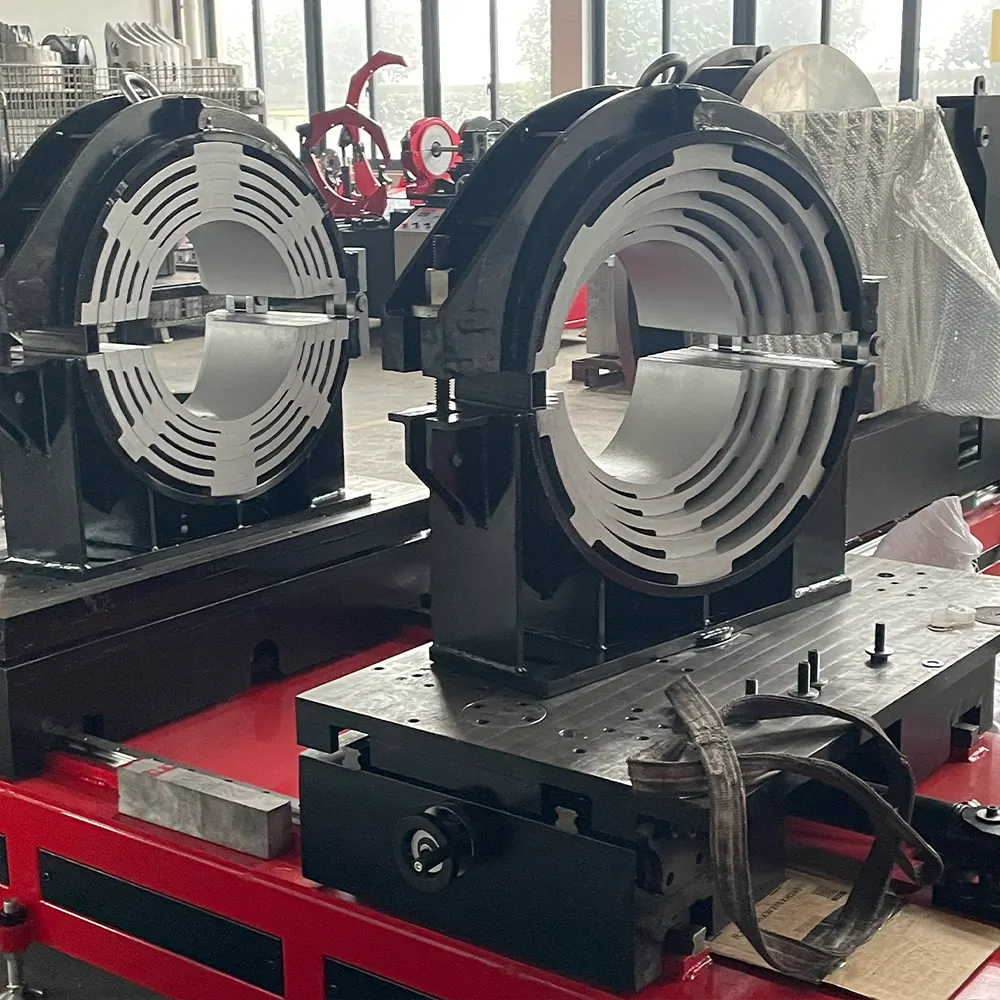
One of the first signs of trouble is an uneven bead or a noticeable step at the joint line after fusion. You may also see gaps, pipe slippage, or difficulty maintaining a consistent clamp position during the heating phase. These symptoms often point to mechanical issues, worn components, or incorrect operating procedures. If the problem is caught early, the operator can usually correct the source before the weld becomes unacceptable.
For project teams seeking dependable equipment and process stability, it helps to work with a proven manufacturer of fusion solutions. A professional butt fusion machine supplier can provide not only the machine itself but also alignment guidance, technical support, and customization options that improve overall welding performance. This is especially valuable for contractors handling different pipe diameters or demanding site conditions.
What Causes Welding Misalignment?
The root causes of misalignment usually fall into three groups: machine-related issues, pipe preparation errors, and operator technique. A machine may have worn clamps, loose guides, or inaccurate hydraulic pressure, all of which can let the pipe move slightly during the process. Even a very small movement can create an out-of-round joint or an uneven fusion face.
Pipe preparation is another major factor. If the pipe ends are not cut squarely, cleaned properly, or seated fully inside the clamps, alignment will suffer. Dirt, moisture, and burrs can prevent the faces from meeting evenly. In outdoor projects, dust and weather exposure can make this problem even more common, so preparation should always be treated as a formal step rather than a quick check.
Operator error is equally important. An inexperienced technician may rush the centering process, over-tighten clamps on one side, or fail to verify that both pipe ends are on the same axis. In some cases, the pipe itself may be bent, ovalized, or damaged during transport, which adds another layer of complexity. Careful inspection before welding helps distinguish between a real machine issue and a material-related problem.
Key point: Misalignment is usually not caused by one single issue. It often results from a combination of machine setup, pipe condition, and operator handling.
How to Troubleshoot Welding Misalignment Step by Step
1. Check the pipe ends before clamping
Start by examining the pipe ends for damage, ovality, dirt, and uneven cutting. If the pipe end is not prepared correctly, no amount of machine adjustment will fully solve the problem. Use the proper cutting tool and make sure both ends are clean, dry, and free from contamination. If necessary, trim the pipe again to ensure a square face.
At this stage, it is also useful to compare the pipe dimensions and confirm that the selected fusion settings match the material and diameter. Incorrect pairing of pipe size and machine configuration often creates unnecessary alignment stress. On complex jobs, keeping a checklist can save a great deal of time later.
2. Inspect the clamps and centering system
The clamps should hold the pipe firmly without allowing side-to-side movement. If the clamp jaws are worn, dirty, or damaged, they may not grip evenly. Check whether the pipe is sitting centered in the machine and whether both ends are aligned along the same axis. Small deviations here often become much larger once heat and pressure are applied.
If the machine allows adjustment, use it to correct height differences or offset between pipe sections. For projects requiring high consistency, equipment with precise machining and stable clamping mechanisms is strongly preferred. Many contractors choose machines from manufacturers with strict inspection processes because reliability in alignment directly affects weld quality.
3. Verify hydraulic pressure and guide stability
Hydraulic pressure that is too high or uneven can push the pipe out of position. This is especially true if the system is not maintained properly. Check for pressure stability, inspect hoses and fittings, and make sure the movement of the carriage is smooth and controlled. Jerky motion or vibration is a warning sign that the weld may drift off alignment during the cycle.
Guide rails, carriage assemblies, and support structures should also be examined. If these components are loose, worn, or contaminated with debris, they can create lateral movement. Regular maintenance is often the difference between repeatable precision and a series of preventable defects.
4. Confirm heating plate position and temperature accuracy
An incorrectly positioned heating plate can cause uneven contact and lead to distorted pipe faces. Before beginning the heating cycle, confirm that the plate is clean, properly aligned, and at the correct temperature. Temperature accuracy matters because overheating can soften one side too much, allowing the pipe to shift when pressure is reapplied.
It is also important to inspect the heating plate surface for scratches, contamination, or wear. A damaged plate may transfer heat unevenly and create inconsistent fusion beads. For this reason, many production teams use machines with stable temperature control and strong quality assurance. In serious welding operations, even minor thermal inconsistencies can become major defects.
Tip: If the pipe alignment looks good before heating but shifts after the plate is inserted, the problem is often related to carriage movement, pressure imbalance, or operator timing.
Practical Methods to Prevent Misalignment
Prevention is always more efficient than repair. One of the best ways to reduce misalignment is to standardize the setup process. Every operator should follow the same sequence: inspect, clean, center, clamp, verify, and then weld. This routine reduces guesswork and creates repeatable results across different job sites.
Training is another major factor. Even advanced equipment can produce poor results when handled by untrained staff. Teams should understand how to identify pipe ovality, how to use alignment checks, and how to recognize when a machine needs maintenance. Good operators know that the clamp stage is not complete until both ends are truly centered, level, and stable.
Routine inspection of machine components is equally essential. Worn bushings, loose bolts, damaged guides, and contaminated hydraulic systems can all contribute to joint shift. A strong maintenance schedule should include cleaning, calibration, and test runs before critical projects. Manufacturers with full technical support often help customers create these maintenance routines to improve site productivity.
When the Problem Is the Machine, Not the Operator
Sometimes misalignment continues even after careful setup. In such cases, the issue may be tied to the machine’s design or condition rather than the technician’s skill. For example, a machine that cannot hold its centering position under load may be unsuitable for larger diameters or heavier project demands. Likewise, machines with poor frame rigidity may flex during pressure application.
This is where build quality matters. A manufacturer with advanced production lines, precision machining, and strict inspection standards is more likely to deliver stable performance. In professional pipeline projects, durable equipment reduces the risk of repeated alignment drift and improves overall weld consistency. For contractors handling large-scale installations, machine reliability is not a luxury; it is a requirement.
Customization also plays a useful role. Different projects require different voltage options, clamp ranges, and control systems. A supplier that offers OEM and ODM flexibility can help match the machine to the actual site conditions, which lowers the chance of misalignment caused by mismatched equipment. That is why many buyers evaluate not only price but also technical support, stock availability, and long-term service capability.
Remember: A stable machine does not eliminate the need for skilled operation, but it makes accurate alignment much easier to achieve and maintain.
How JQ-Fusion Supports Better Welding Alignment
For companies building reliable pipeline operations, equipment selection has a direct impact on welding quality. JQ-Fusion focuses on butt fusion solutions for HDPE pipe projects, including manual, hydraulic, and CNC automatic systems. Their experience in global pipeline applications supports contractors who need stable welding performance across water supply, gas distribution, mining, and industrial installations.
Because alignment accuracy depends on both equipment and process control, a supplier with strong manufacturing capability can make a meaningful difference. JQ-Fusion emphasizes strict quality control, including temperature accuracy, hydraulic pressure stability, and clamp alignment inspection. This kind of testing helps reduce the risk of jobsite inconsistency and supports repeatable results.
For teams managing time-sensitive projects, fast delivery and technical guidance are also valuable. Large inventory, responsive support, and practical customization options can help reduce downtime and keep welding work moving. In challenging environments, that support is often just as important as the machine itself.
Contractors and distributors who want dependable fusion equipment can also benefit from working with a supplier that offers product range flexibility, from hydraulic butt fusion welding machines to automatic and electrofusion options. The right combination of machine capability and technical assistance helps minimize alignment issues before they become expensive failures.
Common Signs Your Weld May Be Misaligned
Several visible signs can warn you that a weld is not properly aligned. These include uneven bead formation, one-side flash that is significantly larger than the other, visible offset at the pipe joint, and gaps between the fused surfaces. You may also notice that the finished joint does not appear symmetrical when viewed from the side.
In more serious cases, the pipe may show stress marks, deformation, or abnormal resistance during cooling. If these signs appear, it is important to stop and inspect the joint before moving ahead. Continuing without correction may compromise the integrity of the entire line. The cost of a rework is usually much lower than the cost of a failed pipeline section after installation.
Using a consistent inspection routine after each weld helps create a quality record and teaches operators to recognize early warning signs. Over time, this habit reduces defects and improves confidence in the process.
FAQ
Q1: What is the most common cause of welding misalignment?
The most common causes are poor pipe preparation, incorrect centering, worn clamps, and unstable machine movement. In many cases, the issue is a combination of several small errors rather than one large mistake.
Q2: Can misalignment be fixed after the weld is completed?
Usually, no. Once the weld has been fused and cooled, the joint cannot be re-centered. If misalignment is discovered early enough, the best solution is to stop, correct the setup, and redo the weld before it is accepted.
Q3: How can I tell whether the problem is the pipe or the machine?
Inspect the pipe for ovality, damage, and poor cutting first. If the same problem appears across different pipes, the machine or clamp system is likely involved. If the issue happens only with one pipe, the material itself may be the cause.
Q4: Does temperature affect alignment during butt fusion?
Yes. If the heating plate is too hot or unevenly controlled, one side of the pipe may soften too much and shift when pressure is reapplied. Accurate temperature control helps maintain joint stability.
Q5: What should I prioritize to prevent misalignment on site?
Prioritize clean pipe preparation, correct clamping, stable machine maintenance, and trained operators. If possible, use equipment from a supplier that provides alignment support, quality testing, and responsive technical guidance.



