
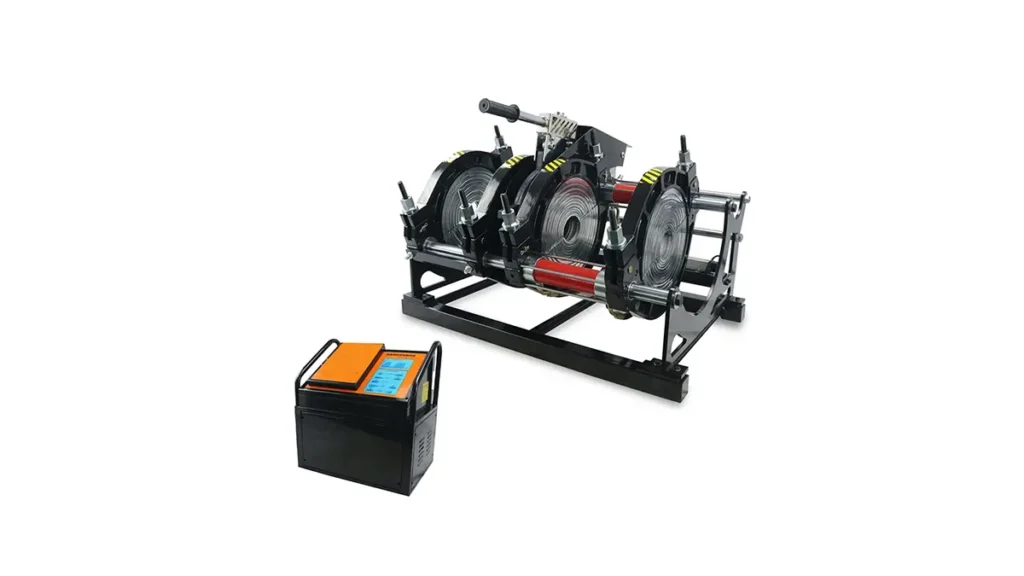
The service life of an HDPE pipe welding machine is not defined by a single number. In real-world use, it depends on build quality, operating conditions, maintenance habits, operator skill, and how often the machine is used. A well-made machine can serve reliably for many years, while a poorly maintained unit may develop issues much sooner. For contractors, distributors, and project managers, understanding what affects lifespan is essential for controlling costs and avoiding unnecessary downtime.
HDPE pipe welding machines are built for demanding pipeline work, and their durability matters just as much as their welding precision. Whether the machine is used in water supply, gas distribution, mining, or industrial installations, long-term performance comes from a combination of strong materials, stable control systems, and proper care. Choosing a reliable butt fusion machine from an experienced manufacturer is one of the most effective ways to improve service life and reduce repair risks.
What Determines the Lifespan of an HDPE Pipe Welding Machine?
The lifespan of an HDPE pipe welding machine usually ranges from several years to well over a decade, but that range can vary significantly. The main factor is product quality. Machines built with precision machining, durable electrical parts, and stable hydraulic systems generally last longer and keep their performance consistent over time. In contrast, low-cost equipment may look similar at first glance but often wears out faster under industrial use.
Usage frequency also plays a major role. A machine used occasionally on small projects will naturally experience less wear than one running daily on large pipeline jobs. High-volume use places stress on heating plates, clamps, hydraulic components, and electronic controls. If the machine is selected according to the project size and used within its rated capacity, the service life can be extended significantly.
Key point: The longest-lasting machines are not always the cheapest ones. They are the ones designed with stable performance, proper load capacity, and easy maintenance access.
Average Working Life: A Practical Expectation
For a quality HDPE pipe welding machine that is properly maintained, a practical working life can often exceed 8 to 15 years, and some units last even longer in lighter-duty environments. Manual machines typically have fewer electronic parts and may last longer structurally if used correctly. Hydraulic and CNC automatic models often provide better consistency and productivity, though their lifespan depends more on the condition of control systems, sensors, pumps, and circuit components.
It is important to separate structural lifespan from operational lifespan. The frame, clamps, and metal body may remain usable for many years, while parts such as heating elements, control boards, seals, and hydraulic oil may require periodic replacement. In other words, a machine can remain in service for a long time if its consumable and wear parts are replaced on schedule.
Main Parts That Influence Longevity
Some machine components are more likely to wear out than others. Heating plates must maintain accurate temperature control, and any uneven heating can affect weld quality and place extra stress on the machine. Hydraulic systems should keep stable pressure, because pressure fluctuations may damage seals and reduce welding precision. Clamp alignment is equally important, since poor alignment increases mechanical stress and can lead to premature wear.
Electronic systems in automatic models deserve special attention. Displays, controllers, sensors, and wiring harnesses should be protected from dust, moisture, and unstable voltage. In many cases, the machine body itself outlives the electronics, which means careful storage and electrical protection can make a major difference in long-term operation.
Watch these parts closely: heating plate, hydraulic pump, seals, clamps, controller, and power connections. These are the areas most likely to affect service life first.
How Maintenance Extends Service Life
Regular maintenance is the simplest and most effective way to prolong machine life. Cleaning the heating plate, checking hydraulic oil levels, inspecting seals, tightening connections, and calibrating temperature accuracy can prevent many costly problems. Small issues that are ignored early often become major failures later. A machine that receives monthly or project-based inspection usually performs better and lasts longer than one that is only repaired after breaking down.
Operators should also follow the recommended working procedures. Overheating the plate, forcing misaligned pipes, using damaged cables, or exceeding the machine’s pressure limits can shorten lifespan quickly. Good maintenance is not only about repair; it is also about disciplined operation. Training workers to use the machine correctly is one of the best investments a company can make.
For companies managing multiple projects, it is wise to maintain a simple service log. Recording temperature checks, pressure readings, component replacements, and operating hours helps identify patterns and predict when parts should be changed. This reduces surprise failures and supports longer machine service life.
Environment and Storage Conditions Matter
The environment where the machine is used can strongly affect durability. Dusty construction sites, wet conditions, extreme heat, and unstable power supply all create additional risk. Machines used outdoors should be protected from rain and direct sun whenever possible. Moisture can damage electrical parts, and excessive dust can enter moving components, causing friction and wear.
Storage is equally important. A machine stored in a dry, clean, and covered area generally lasts longer than one left exposed to corrosion and contamination. If the machine will not be used for a long period, basic preservation steps should be taken, such as cleaning, oiling exposed surfaces, disconnecting power, and checking hydraulic fluid conditions before restarting.
Storage tip: A few minutes of preparation before storage can save months of future repair work. Dry, clean, and protected equipment survives longer.
Why Build Quality Is the Foundation of Longevity
Not all HDPE pipe welding machines are built the same. Manufacturing precision determines how well the machine holds alignment, maintains pressure, and resists fatigue under repeated use. A factory with advanced production lines, strict testing, and experienced technicians can produce machines that remain stable over many years. This is one reason contractors often prefer suppliers with proven industry experience and quality control.
Reliable manufacturers usually test temperature accuracy, clamp alignment, and hydraulic pressure stability before delivery. These tests help ensure the machine begins its life in good condition. When a machine is assembled carefully from the start, it is far less likely to suffer early failures. For buyers, this means the initial purchase decision has a direct impact on total service life.
JQ-Fusion, for example, focuses on durable butt fusion solutions for global pipeline projects, offering manual, hydraulic, and CNC automatic models for different pipe diameters and working requirements. That kind of product range allows users to select the right machine for the job instead of overloading equipment that was never meant for a specific application.
Manual, Hydraulic, and CNC Models: Which Lasts Longer?
Manual machines usually have a simpler structure, which can be an advantage in terms of maintenance and repair. Fewer electronic parts mean fewer points of failure. However, their lifespan still depends on frame strength, heat system quality, and operator handling.
Hydraulic machines are common in larger projects because they offer stronger clamping force and more stable welding performance. Their lifespan is often very good when hydraulic maintenance is performed regularly. Seals, hoses, and oil cleanliness are the main factors to watch.
CNC automatic machines can provide the highest repeatability and productivity, especially on complex or high-volume projects. Their durability depends not only on mechanical strength but also on software stability, sensor quality, and electrical protection. While they may require more technical care, they can still deliver excellent long-term value when used properly.
Signs That a Machine Is Reaching the End of Its Service Life
Some warning signs suggest a machine is becoming unreliable. Slow pressure response, unstable temperature control, noisy hydraulic operation, uneven clamping, frequent electrical faults, or visible frame deformation all indicate wear. If repairs are becoming more frequent and welding consistency is dropping, the machine may be nearing the end of its practical working life.
That does not always mean immediate replacement is necessary. In many cases, worn components can be replaced and the machine restored to useful service. The decision should be based on repair cost, downtime, project importance, and safety requirements. If a machine becomes difficult to maintain or no longer meets project standards, replacement may be more economical than continued repair.
How to Make an HDPE Pipe Welding Machine Last Longer
There are several practical ways to improve lifespan. First, choose the right machine for the pipe diameter and application. Undersized equipment works harder than it should and wears out faster. Second, provide operator training so the machine is used correctly from day one. Third, follow a maintenance schedule instead of waiting for failures. Fourth, protect the machine from dust, moisture, and electrical instability. Fifth, replace worn parts promptly before they damage other systems.
Buyers should also consider supplier support. A manufacturer that provides technical guidance, spare parts, and after-sales service makes it easier to keep equipment running for many years. Fast support reduces downtime, while available replacement parts help extend service life far beyond the expected average.
For companies expanding into new markets or handling diverse projects, flexible OEM and ODM customization can also be helpful. When machine specifications are matched to actual job needs, the equipment operates more efficiently and experiences less unnecessary strain. That is one reason experienced contractors often choose proven suppliers with strong customization capability and stable stock supply.
Why Long Service Life Means Better Project Value
A longer-lasting machine is not just a technical advantage; it is a financial one. Fewer breakdowns mean fewer delays, lower maintenance costs, and better project continuity. Reliable performance also improves welding consistency, which helps protect the integrity of the entire pipeline system. In industries such as water supply, gas distribution, mining, and industrial installations, these benefits directly affect safety and profitability.
When buyers evaluate an HDPE pipe welding machine, they should consider total value rather than just purchase price. A machine with strong build quality, stable performance, and accessible technical support may cost more initially, but it often delivers a lower cost per year of service. That is why durable equipment from an experienced manufacturer usually becomes the smarter long-term investment.
Choosing the Right Supplier for Long-Term Performance
Selecting a trusted supplier is one of the most important steps in getting a long service life from a welding machine. A professional manufacturer with more than 20 years of experience, strong quality control, and proven global project performance can provide equipment that is built for long-term use. Certifications, stable manufacturing capability, and reliable logistics support all contribute to a better ownership experience.
JQ-Fusion’s product range includes hydraulic butt fusion welding machines, automatic butt fusion welding machines, electrofusion welding machines, and multi-angle pipe fitting welding machines. This broad range helps customers select the right solution based on pipe size, project type, and budget. With proper selection and maintenance, these machines can deliver dependable service for many years.
Frequently Asked Questions
Q1: How many years does an HDPE pipe welding machine usually last?
Most quality machines can last 8 to 15 years or more, depending on usage, maintenance, and build quality.
Q2: What part of the machine wears out first?
Heating elements, hydraulic seals, controllers, cables, and alignment-related components are often the first to need attention.
Q3: Can regular maintenance really extend the lifespan?
Yes. Routine cleaning, inspection, calibration, and timely part replacement can significantly extend service life.
Q4: Is a more expensive machine always more durable?
Not always, but machines from reputable manufacturers with strong materials and testing standards usually last longer and perform more consistently.
Q5: Should I repair or replace an old welding machine?
If repairs are frequent, downtime is high, or welding quality is no longer stable, replacement may be more cost-effective.



