
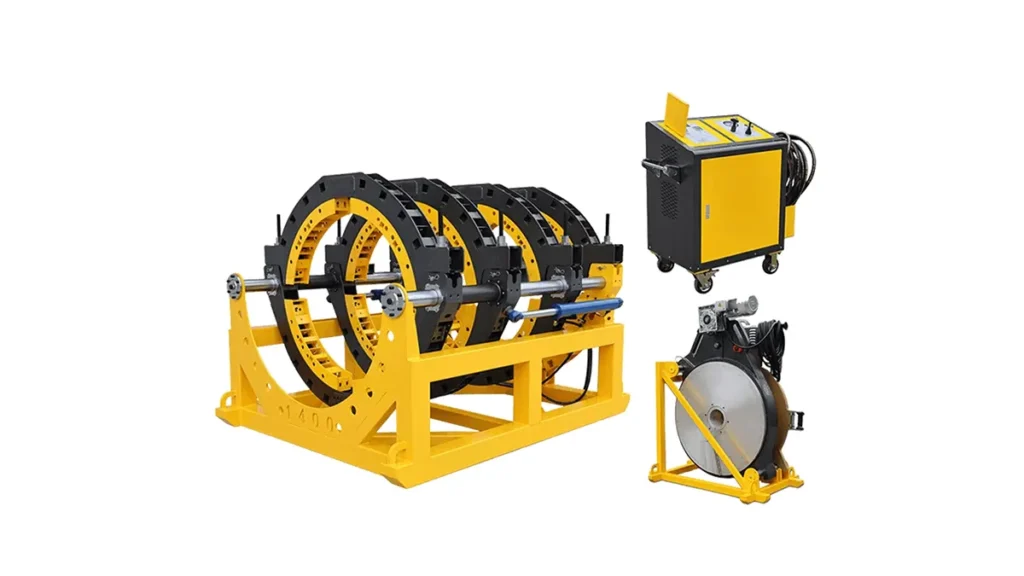
HDPE welding plays a critical role in modern pipeline construction, especially in water supply, gas distribution, mining, and industrial systems. Whether a project involves small-diameter utility pipes or large-scale infrastructure, the safety of the welding workplace directly affects the quality of the joint, the durability of the system, and the well-being of every operator on site. When teams follow the right safety standards, they reduce accidents, improve productivity, and ensure every weld is made under stable, controlled conditions.
Unlike general fabrication work, HDPE welding requires strict attention to heat, pressure, alignment, and environmental factors. Butt fusion and related joining methods involve specialized machines, heated surfaces, hydraulic force, and precise timing. That means the work area must be organized, monitored, and protected before any pipe is brought into position. From training and protective equipment to machine inspection and site cleanliness, each step contributes to a safer workplace and a stronger finished pipeline.
For contractors, distributors, and project managers, understanding workplace safety standards is not just about compliance. It is about building a repeatable process that protects workers, avoids costly errors, and supports high welding quality across every project stage. Trusted equipment from a reliable butt fusion machine supplier can also make a major difference by improving stability, control, and overall site safety.
1. Why Workplace Safety Matters in HDPE Welding
HDPE welding is widely valued for its leak-resistant and long-lasting joints, but the process depends on careful handling of heat and equipment. A small mistake in setup, alignment, or temperature control can affect the weld bead and compromise the integrity of the line. More importantly, unsafe conditions may expose workers to burns, crush injuries, electrical hazards, or ergonomic strain.
⚠ Key point: Safe HDPE welding is not only about preventing injury. It also improves weld consistency, reduces rework, and helps teams meet project deadlines more reliably.
In real project environments, safety standards are especially important because welding often takes place outdoors, in confined spaces, or near heavy machinery. High winds, dust, uneven ground, and poor lighting can all create risks if the site is not properly managed. A disciplined safety approach protects both the crew and the quality of the final pipeline.
2. Core Safety Standards Every HDPE Welding Workplace Should Follow
2.1 Operator Training and Qualification
Every operator should be trained in HDPE welding procedures, machine operation, and workplace hazard recognition. Training should include pipe preparation, heating plate handling, fusion timing, hydraulic pressure adjustment, and joint inspection. Workers must also know how to shut down equipment safely in case of emergency.
Well-trained teams are less likely to make mistakes such as incorrect clamping, contamination of pipe ends, or premature removal of the pipe from the machine. For project owners and contractors, investing in training is one of the most effective ways to improve safety and welding quality at the same time.
2.2 Personal Protective Equipment
Personal protective equipment, or PPE, is essential on every HDPE welding site. Standard PPE should include heat-resistant gloves, safety glasses or face shields, protective clothing, steel-toe boots, and, where necessary, hearing protection. Depending on the site environment, workers may also need dust masks, helmets, or high-visibility vests.
Important: PPE must match the task. For example, handling heated components requires different protection than pipe loading, trimming, or machine maintenance.
2.3 Equipment Inspection Before Work Begins
Before any fusion operation, the welding machine should be inspected thoroughly. Operators should verify hydraulic pressure stability, heating plate temperature accuracy, clamp alignment, electrical connections, and the condition of moving parts. Any worn, loose, or damaged component should be repaired or replaced before use.
Manufacturers with strict quality control processes, such as those that test temperature accuracy and clamp alignment, provide an additional layer of confidence for operators. Reliable equipment helps reduce unexpected failures and supports safer day-to-day operation on the job site.
2.4 Safe Work Area Layout
A safe welding zone should be clean, level, well-lit, and clearly marked. The area around the machine should be free from unnecessary tools, debris, oil, and water. Cables, hoses, and power lines should be positioned to avoid tripping hazards and accidental damage.
When working outdoors, site managers should also protect the area from wind, rain, and direct exposure to dirt. HDPE pipe ends must remain clean and dry to ensure a proper fusion bond. Keeping the workspace orderly supports both operator safety and weld quality.
3. Safety Requirements for Butt Fusion Welding Operations
Butt fusion is one of the most common HDPE joining methods, and it requires particular attention to workplace safety. The process uses heating plates, facing tools, clamps, and controlled pressure to create a strong molecular bond between pipe ends. Because the operation combines heat and force, every stage must be handled carefully.
Safety reminder: Never touch heated surfaces without proper protection. Heating plates and trimmed pipe edges can remain dangerously hot even after the machine stops operating.
During setup, operators should ensure the pipe is aligned correctly before clamping. Misalignment can place stress on the joint and increase the chance of an unsafe or defective weld. The machine should also be stable on the ground so that pressure is applied evenly throughout the cycle.
After the heating phase, the pipe ends must be transferred carefully to the fusion stage according to the approved procedure. Rushing this step can create weak joints or expose workers to burns. A clear, disciplined sequence is essential for safe and successful butt fusion welding.
4. Electrical, Hydraulic, and Thermal Safety
4.1 Electrical Safety
HDPE welding machines may be powered by electricity, so electrical safety must be taken seriously. Cables should be inspected for wear, plugs should be intact, and power sources should meet the correct voltage requirements. Wet conditions must be controlled, and all electrical equipment should be properly grounded.
4.2 Hydraulic Safety
Hydraulic systems create the force needed for fusion, but they must be monitored carefully. Leaks, damaged hoses, or unstable pressure can lead to unsafe operation. Operators should never place hands or tools near moving hydraulic parts while the machine is active.
4.3 Thermal Safety
Thermal safety is central to HDPE welding because the heating plate operates at high temperatures. Workers should use designated handles and tools when moving heated components. The heating zone should be kept clear of flammable materials and unnecessary personnel.
In well-managed sites, thermal risks are controlled through procedure, signage, supervision, and consistent equipment maintenance. When these measures are in place, the team can work efficiently without compromising safety.
5. Environmental and Site Conditions That Affect Safety
The working environment can strongly influence safety outcomes in HDPE welding. Extreme heat, cold, humidity, dust, and strong wind can all affect both operator comfort and machine performance. For this reason, site managers should assess the environment before beginning work and adjust procedures if necessary.
- Wind protection: Helps prevent heat loss and contamination of pipe ends.
- Stable ground: Reduces machine movement and alignment problems.
- Clean surfaces: Prevents dirt from affecting weld quality.
- Proper lighting: Supports accurate setup and inspection.
Good environmental control is especially important in large infrastructure projects, where work may continue for long hours and across changing weather conditions. Safety standards should be flexible enough to respond to site realities while still maintaining consistent welding quality.
6. Maintenance, Storage, and Housekeeping Standards
Safe workplace performance does not end when a weld is complete. Machines must be cleaned, maintained, and stored correctly to ensure they remain reliable for the next operation. Heating plates should be checked for residue, clamps should be cleaned of debris, and moving parts should be lubricated according to manufacturer guidance.
Best practice: Maintain a simple inspection and maintenance log for every machine. This makes it easier to identify wear patterns, plan repairs, and avoid unexpected downtime.
Housekeeping is equally important. Tools should be returned to storage, offcuts should be removed promptly, and work areas should remain clear for safe movement. A neat workspace reduces hazards and reflects a professional approach to pipeline installation.
7. How Reliable Manufacturers Support a Safer Workplace
The quality of the welding machine itself has a direct impact on workplace safety. A well-designed machine with stable performance, precise temperature control, and accurate clamping helps operators work more safely and confidently. This is one reason many contractors choose established manufacturers with strong engineering capability and strict quality control.
JQ-Fusion, for example, focuses on durable and customizable HDPE pipe welding equipment for global projects. With years of industry experience, modern production lines, and testing procedures that check temperature accuracy and hydraulic stability, manufacturers like this help create safer working conditions and more reliable fusion results. Their product range also supports different project needs, from manual to hydraulic and CNC automatic models.
For teams that need flexibility, OEM and ODM customization can also improve safety by matching machine configuration to the actual site. This reduces operator strain, improves workflow, and makes the welding setup more practical for specific pipe diameters or installation environments.
8. Practical Checklist for Safe HDPE Welding Workplaces
Use this checklist before every welding session:
- Confirm operator training and task assignment.
- Inspect the machine, cables, hoses, and clamps.
- Verify the heating plate temperature and hydraulic pressure.
- Prepare a clean, level, and well-lit workspace.
- Ensure all workers wear the correct PPE.
- Remove flammable or unnecessary materials from the area.
- Check pipe ends for cleanliness, dryness, and alignment.
- Keep emergency procedures accessible and understood by the team.
When this checklist becomes part of standard operating practice, safety improves naturally across the entire project. It also creates a more disciplined team culture, which is valuable for both small installations and large-scale pipeline systems.
9. Common Mistakes to Avoid
Some workplace accidents happen because teams underestimate small details. For example, skipping machine inspection can lead to temperature inconsistency, while poor housekeeping can create trip hazards around the welding area. Using damaged gloves, working in wet conditions, or leaving pipe surfaces contaminated can also cause unsafe outcomes.
Another common mistake is allowing only experienced staff to focus on the weld while overlooking the rest of the team. HDPE welding safety depends on coordination across all workers, not just the machine operator. Support staff, supervisors, and logistics personnel all need to follow the same standards.
Conclusion
HDPE welding workplace safety standards are essential for protecting workers, ensuring weld quality, and maintaining efficient project delivery. From training and PPE to environmental control, machine inspection, and maintenance, every part of the process contributes to a safer and more productive job site. When these standards are consistently applied, the result is better performance, fewer errors, and longer-lasting pipeline systems.
For contractors and project managers, choosing reliable equipment and building a strong safety culture go hand in hand. A professional welding workplace is not defined only by output, but by the discipline and care behind every joint. In that sense, safety is one of the most valuable investments any HDPE welding team can make.
FAQs
What is the most important safety rule in HDPE welding?
The most important rule is to follow the approved welding procedure exactly, while ensuring operators use proper PPE and the machine is inspected before use.
Why is machine inspection necessary before butt fusion welding?
Inspection helps identify problems such as temperature errors, hydraulic instability, damaged cables, or clamp misalignment before they create safety risks or poor welds.
Can HDPE welding be done safely outdoors?
Yes, but the site must be controlled for wind, dust, moisture, lighting, and ground stability to keep the work area safe and the pipe ends clean.
What PPE is required for HDPE welding?
Typical PPE includes heat-resistant gloves, safety glasses or a face shield, protective clothing, and steel-toe boots, with additional protection depending on the site conditions.
How do reliable machines improve workplace safety?
Reliable machines provide stable temperature control, accurate pressure, and better alignment, which reduces operator risk and helps produce stronger, more consistent welds.



