Selecting the appropriate PE pipe welding equipment is a critical decision that directly impacts the integrity, safety, and longevity of your pipeline infrastructure. Whether you are working on municipal water distribution, gas conveyance, or industrial fluid transfer, the fusion joint quality determines the overall reliability of the system. This guide walks you through every essential factor to consider, from understanding the core welding technologies to evaluating machine specifications and after-sales support.
Understanding PE Pipe Welding Technologies
Before investing in machinery, it is vital to distinguish between the primary joining methods available. The two dominant processes are butt fusion and electrofusion, each suited to distinct project profiles.
- Butt Fusion Welding: This technique involves heating the pipe ends against a precision plate and pressing them together under controlled pressure. It is the most economical method for joining long straight runs, especially for diameters above 63 mm. Adherence to ISO 21307 butt fusion procedures is essential for achieving homogeneous joints.
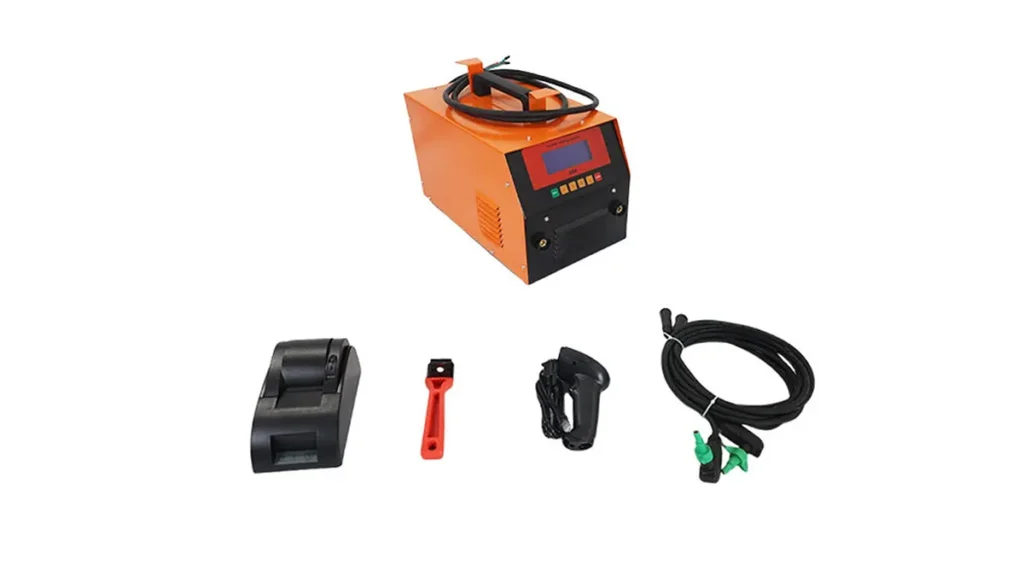
- Electrofusion: Utilizes specialized fittings with embedded heating coils. Passing an electric current through the coils melts the interface, creating a robust joint. This method excels in tight trenches, repair scenarios, and for connecting complex fittings where axial movement is restricted.
Assessing Your Project Requirements
Aligning the machine’s capabilities with field conditions ensures efficiency and prevents costly downtime. Evaluate these parameters before contacting a supplier:
- Pipe Diameter Range and SDR: Machines are engineered for specific minimum and maximum diameters. A common mistake is choosing a machine that barely meets the upper limit, leaving no margin for operator comfort or future project expansion. The Standard Dimension Ratio (SDR) influences the required clamping force and fusion pressure.
- Material Grade Compatibility: Ensure the equipment is rated for modern PE100 and PE100-RC materials. High-performance resins require precise temperature control, typically around 225°C, to avoid thermal degradation.
- Site Environment: Remote mining sites or steep mountainous terrains demand lightweight, portable manual machines or robust hydraulic butt fusion machines. Conversely, a controlled fabrication yard might benefit from the repeatability of fully automatic CNC systems.
Evaluating Machine Types: Manual, Hydraulic, and CNC Automatic
The level of automation directly affects the operator skill requirement and production rate. Selecting the right type is fundamental to a cost-effective operation.
Manual Butt Fusion Equipment
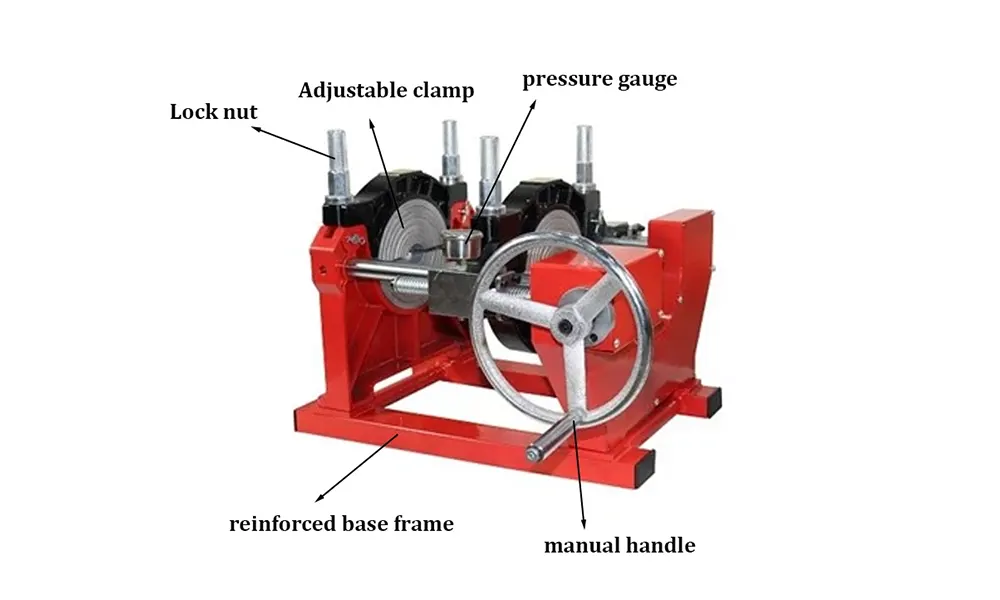
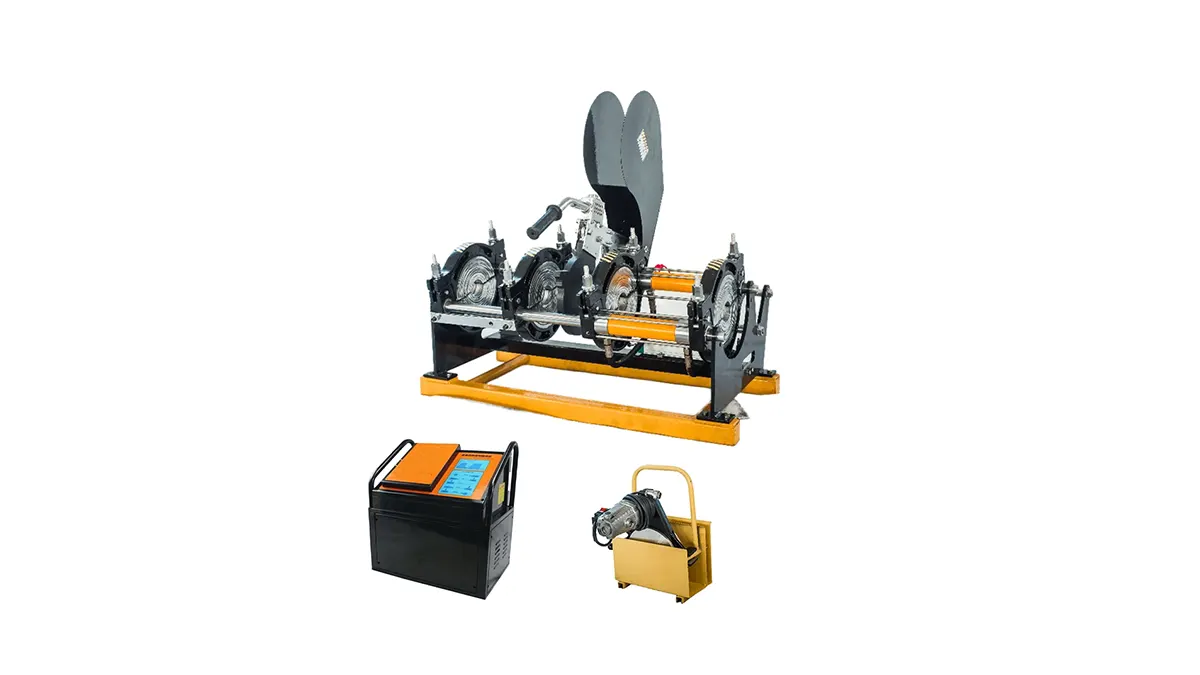
These systems rely on the operator’s physical effort to close the carriages and apply force via a lever. They are ideal for small diameters (typically below 315 mm) and low-density pipeline projects. While the initial investment is lower, achieving consistent PPI butt fusion procedure reproducibility depends heavily on skilled technicians.
Hydraulic Butt Fusion Systems
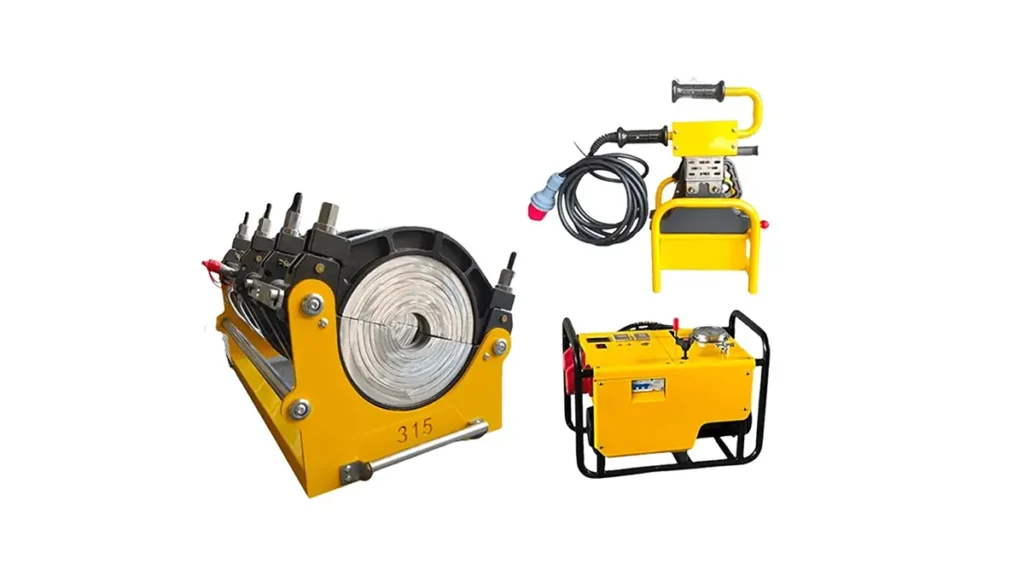
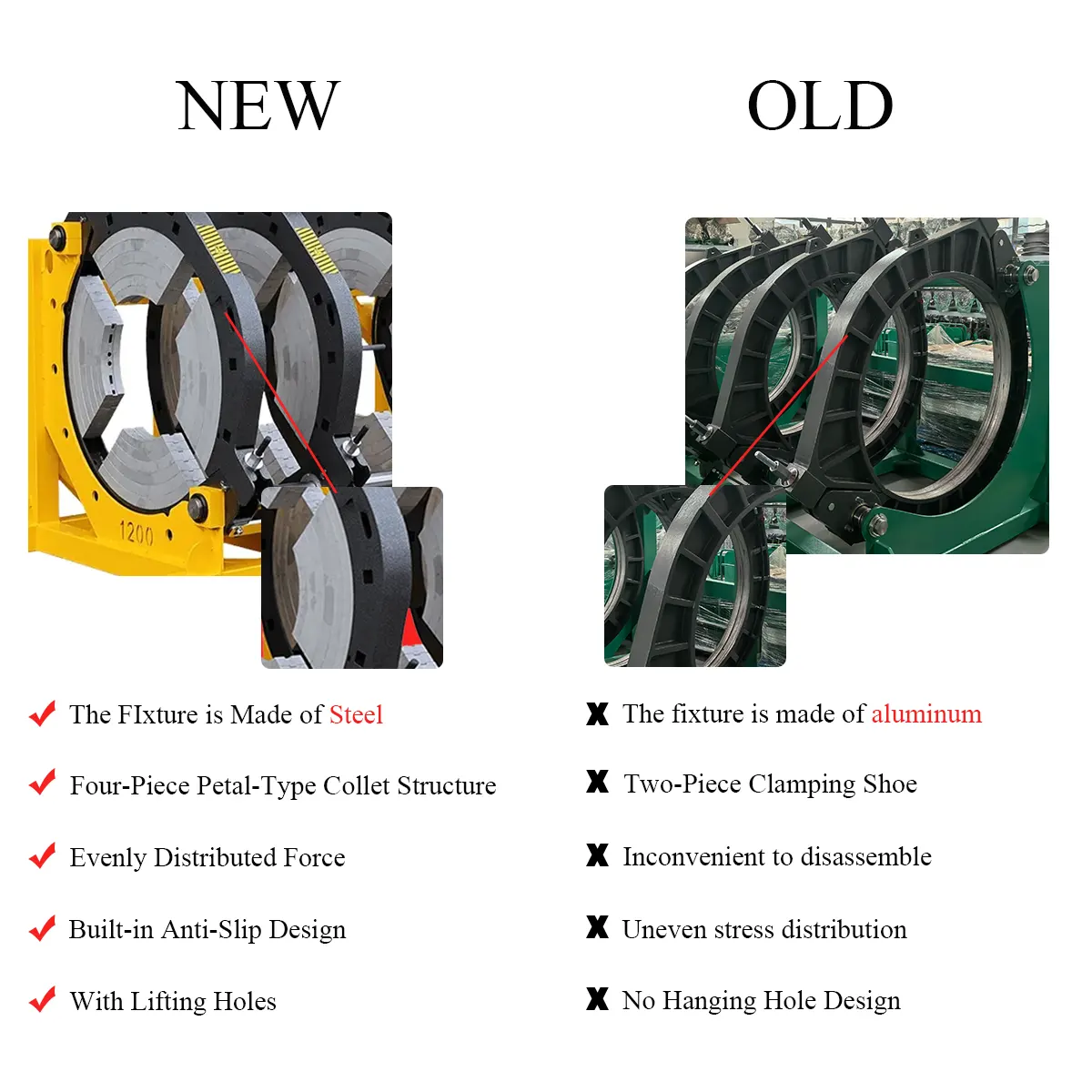
For medium to large diameters, hydraulic power is indispensable. These units utilize a separate power pack to generate the high forces necessary for clamping and fusing thick-walled pipes. Look for models with rigid steel frames and independent hydraulic clamping to ensure perfect roundness and axial alignment under high stress.
CNC Automatic Welding Machines
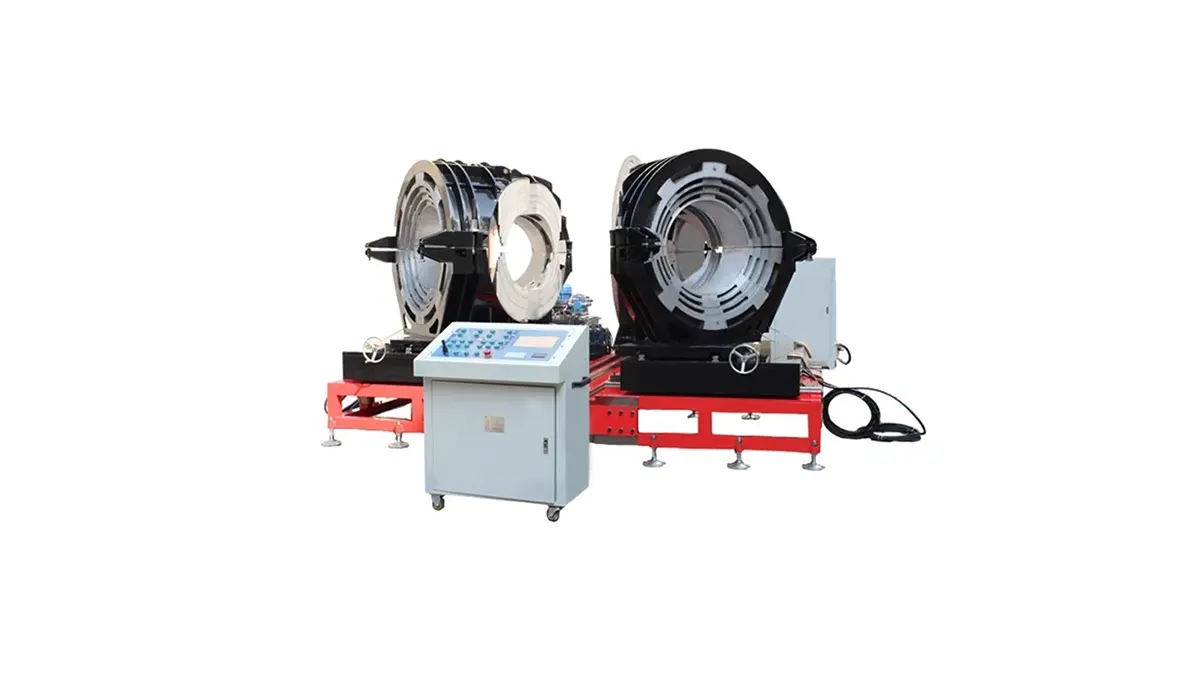
Data-logging automatic machines remove human error by digitally controlling every phase of the fusion cycle. They are mandated for critical gas pipelines and nuclear-grade water systems. A top-tier CNC automatic butt fusion welder records temperature, pressure, and soak time, generating traceable reports that align with ISO 12176-1 equipment requirements.
Key Technical Features to Scrutinize
Not all welding frames are built equally. The longevity of the joint depends on the precision of the mechanical components. Below is a checklist of non-negotiable features.
| Feature | Why It Matters |
|---|---|
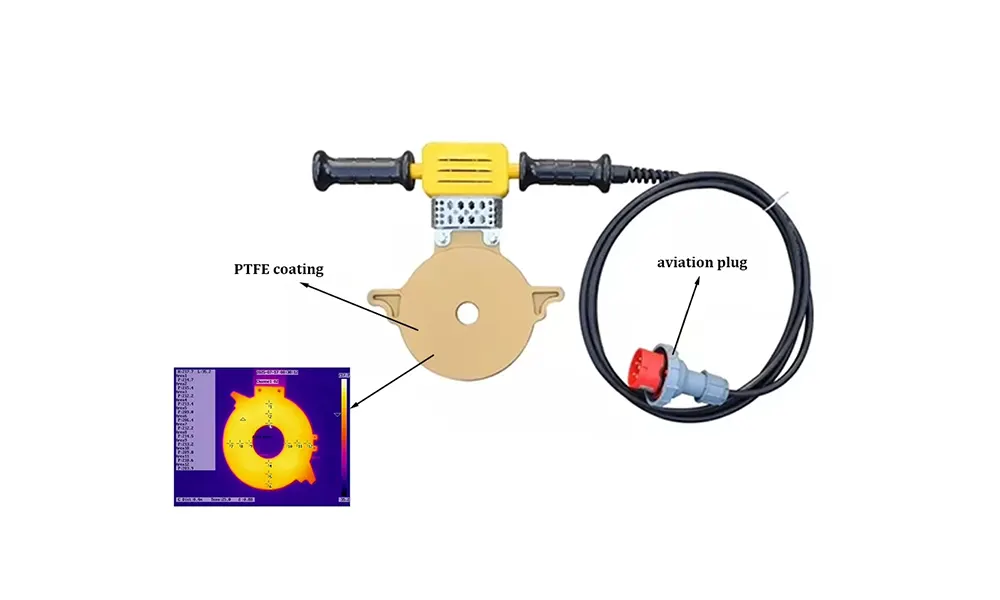
| Non-stick Coated Heater Plate | Prevents molten PE residue from contaminating the joint; Teflon coating is standard. |
| Digital Thermostat Control | Maintains surface temperature within ±5°C to ensure proper material melt state. |
| Rigid Machine Frame | Steel construction resists deflection during high-pressure fusion cycles, preventing angular misalignment. |
| Integral Trimmer | Hardened steel blades ensure perfectly square pipe ends with no chatter marks. |
Comparing Product Specifications
Making an informed choice often requires a direct side-by-side comparison of capabilities. Below is a snapshot of how different categories stack up across critical performance metrics, ranging from compact field units to large-scale factory solutions.
| Model Category | Typical Diameter Range | Power Source | Best Application |
|---|---|---|---|
| JQST Manual | 63 mm – 315 mm | Manual Lever | House connections, small rural lines |
| JQH800 Hydraulic | 450 mm – 800 mm | Hydraulic Power Pack | Main distribution lines, mining slurries |
| JQA500 Automatic | 315 mm – 500 mm | Electric/Hydraulic | Gas transmission, nuclear cooling water |
Safety and Compliance Standards
Adherence to international standards is a legal requirement in most jurisdictions and serves as a benchmark for machine quality. Regardless of your location, verifying compliance shields your project from liability and ensures operator safety.
- Operator Protection: The machine must include emergency stop buttons, thermal shielding around the heater plate, and non-slip clamping levers.
- Traceability: For gas applications, the equipment must facilitate PE fusion traceability coding as defined by modern global standards. Many engineering firms now mandate real-time data logging.
- Calibration Certificates: The heating plate accuracy and pressure transducer readings should come with factory calibration traceable to international standards.
Portability and On-Site Practicality
Real-world productivity is defined by how easily the gear can be moved through the trench line. If your project involves rolling hills or dense urban installations, give priority to compact geometries.
Chassis designs with integrated lifting eyes and short overall lengths reduce the need for large excavators. For instance, a manual manual butt fusion machine with a removable trimmer stand allows a two-man crew to maneuver easily in a narrow trench box. For hydraulic frames, detachable wheel kits significantly enhance on-site mobility.
Service, Spare Parts, and Manufacturer Reputation
The reliability of your PE pipe welding equipment selection extends beyond the initial purchase. A machine is a long-term asset that requires maintenance. You should evaluate the manufacturer’s spare parts network and responsiveness.
Suppliers like JQ-Fusion, with a dedicated focus on HDPE welding solutions, support their fleets with readily available trimmers, heater plates, and hydraulic seals. This minimizes Mean Time To Repair (MTTR) and keeps construction schedules on track. When vetting a vendor, ask for a detailed spare parts catalog and inquire about average lead times for critical components.
Data Logging and Quality Assurance
The shift toward “digital construction” makes weld data recording a vital selection criterion. A standard manual machine logs nothing, leaving quality assurance to operator honesty. In contrast, modern automated rigs store joint-specific data.
When selecting a machine for regulated work, ensure it can export PDF or CSV logs that detail soak time, fusion pressure, and ambient temperature. This documentation is crucial for achieving ASTM F2620 heat fusion sign-off and is often a prerequisite for bid success.
Cost of Ownership vs. Initial Price
Budget constraints are real, but the cheapest machine often costs more in the long run. A high-quality hydraulic machine with dual clamping preserves pipe roundness, reducing the risk of expensive inspection failures and re-cuts. Consider these financial aspects:
- Energy Efficiency: Precision digital controls in automatic machines consume less idling power than analog heaters.
- Durability of Consumables: High-carbon steel trimmers stay sharp longer, reducing replacement frequency on abrasive materials.
- Warranty Coverage: A comprehensive warranty on the hydraulic pump and frame structure protects against manufacturing defects.
Final Decision Checklist
To summarize your evaluation process, use the following quick checklist before signing the order:
- Verify Technical Fit: Confirm the machine’s diameter and SDR range matches your pipeline specification.
- Inspect the Clamping System: Ensure the jaws provide 360-degree support without deforming the pipe.
- Test the Heater: The plate must maintain stable, uniform temperature and have a protective storage stand.
- Review Data Capabilities: If future projects require traceability, skip non-data machines now.
- Consult the Experts: Discuss your specific application with a manufacturer who offers tailored configurations for complex projects.
Selecting the right butt fusion or electrofusion equipment is an investment in project integrity. By prioritizing mechanical precision, digital control, and robust safety features, contractors and utilities can achieve consistent, standard-compliant joints that last for decades.