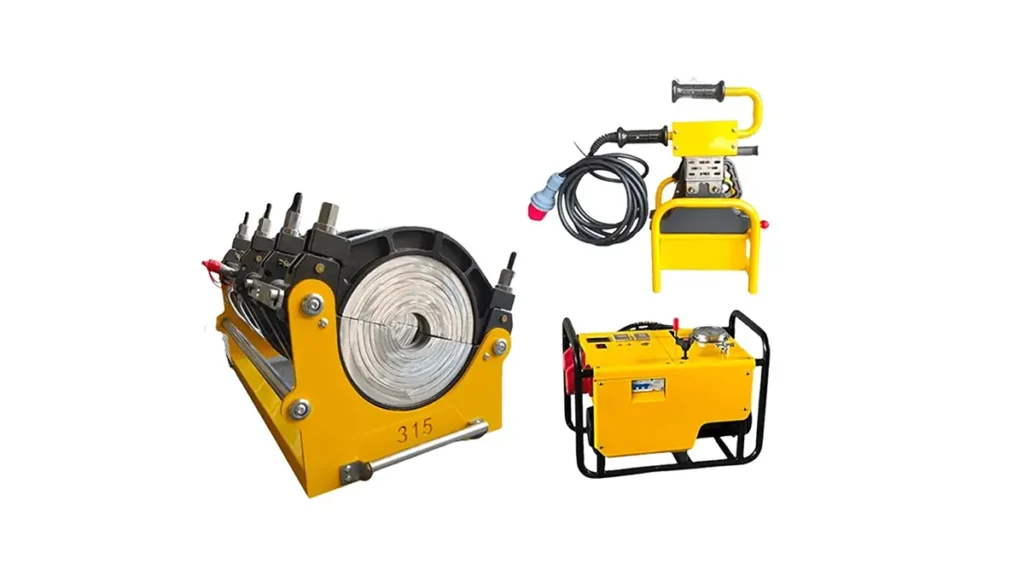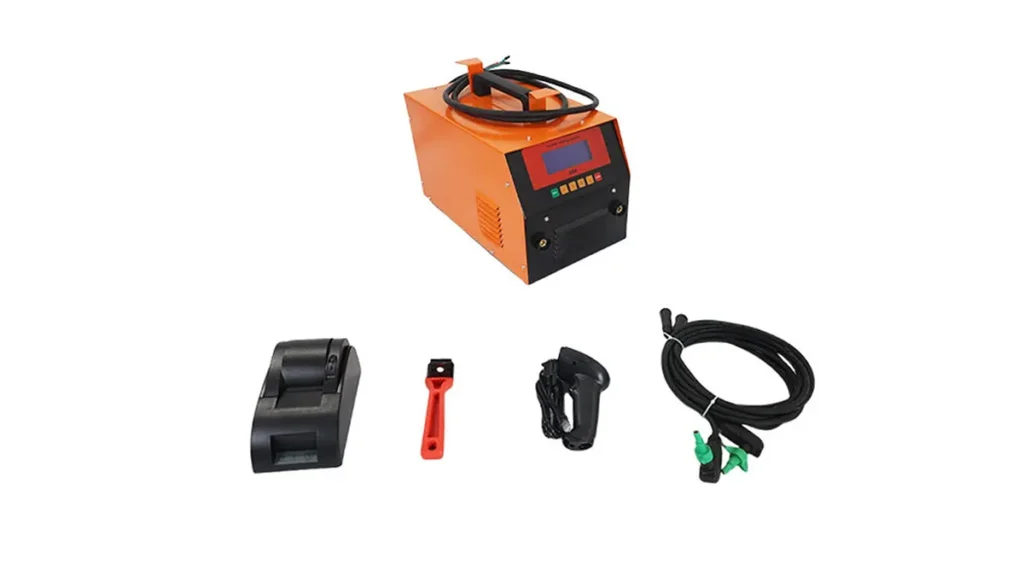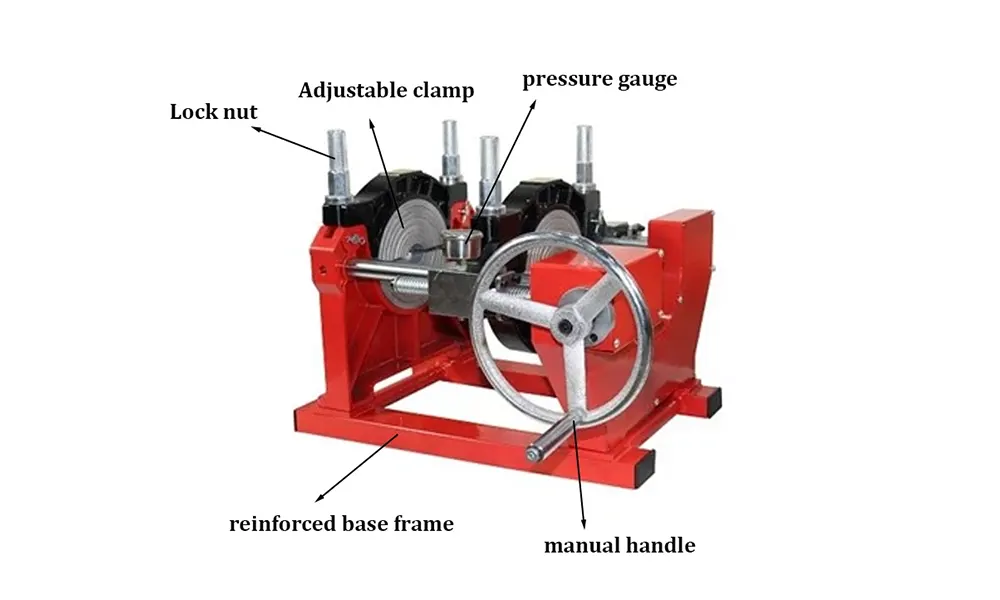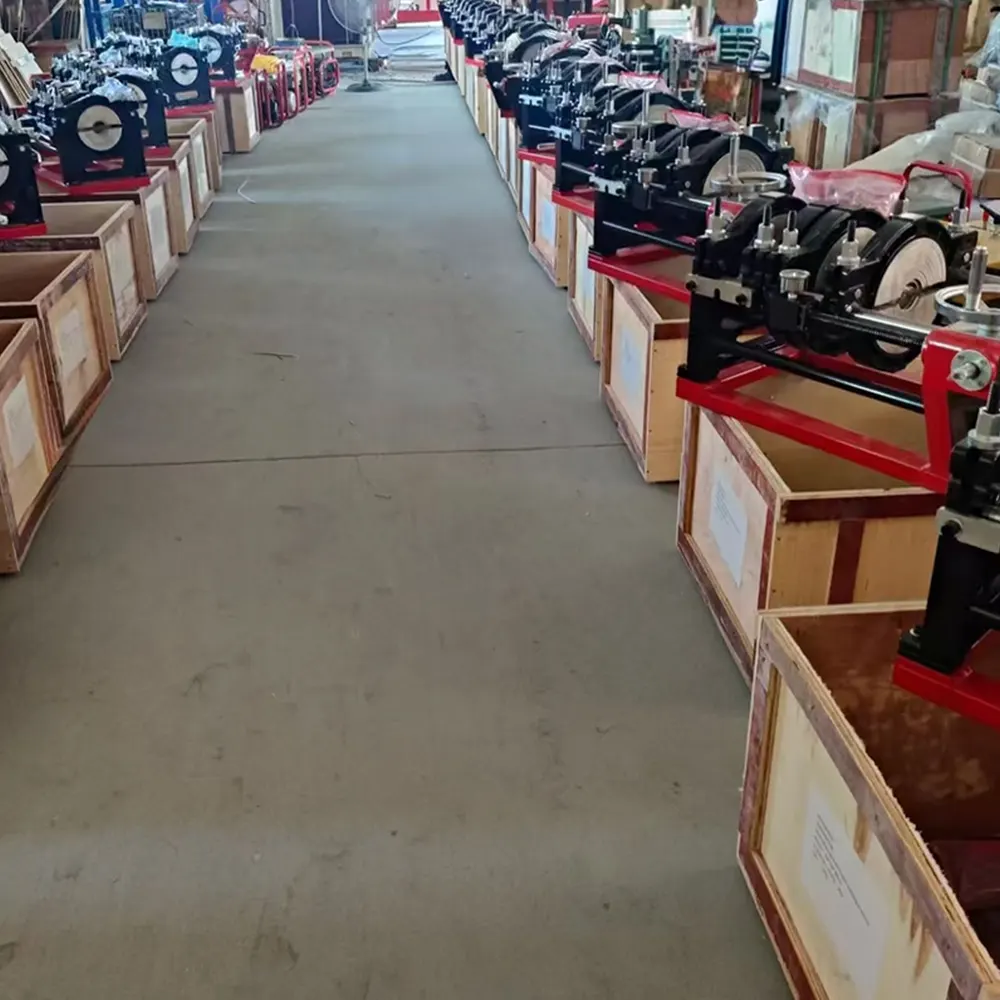
The integrity and longevity of modern pipeline systems depend heavily on the quality of field joints. Among the various joining technologies, the automatic pipe welding machine welding process stands out as the most reliable method for creating homogenous, leak-proof connections in high-density polyethylene (HDPE) and other thermoplastic pipes. Unlike manual methods that rely heavily on operator judgment, automatic systems utilize precision sensors and hydraulic controls to execute each phase of the weld with micron-level accuracy, ensuring compliance with strict international standards.
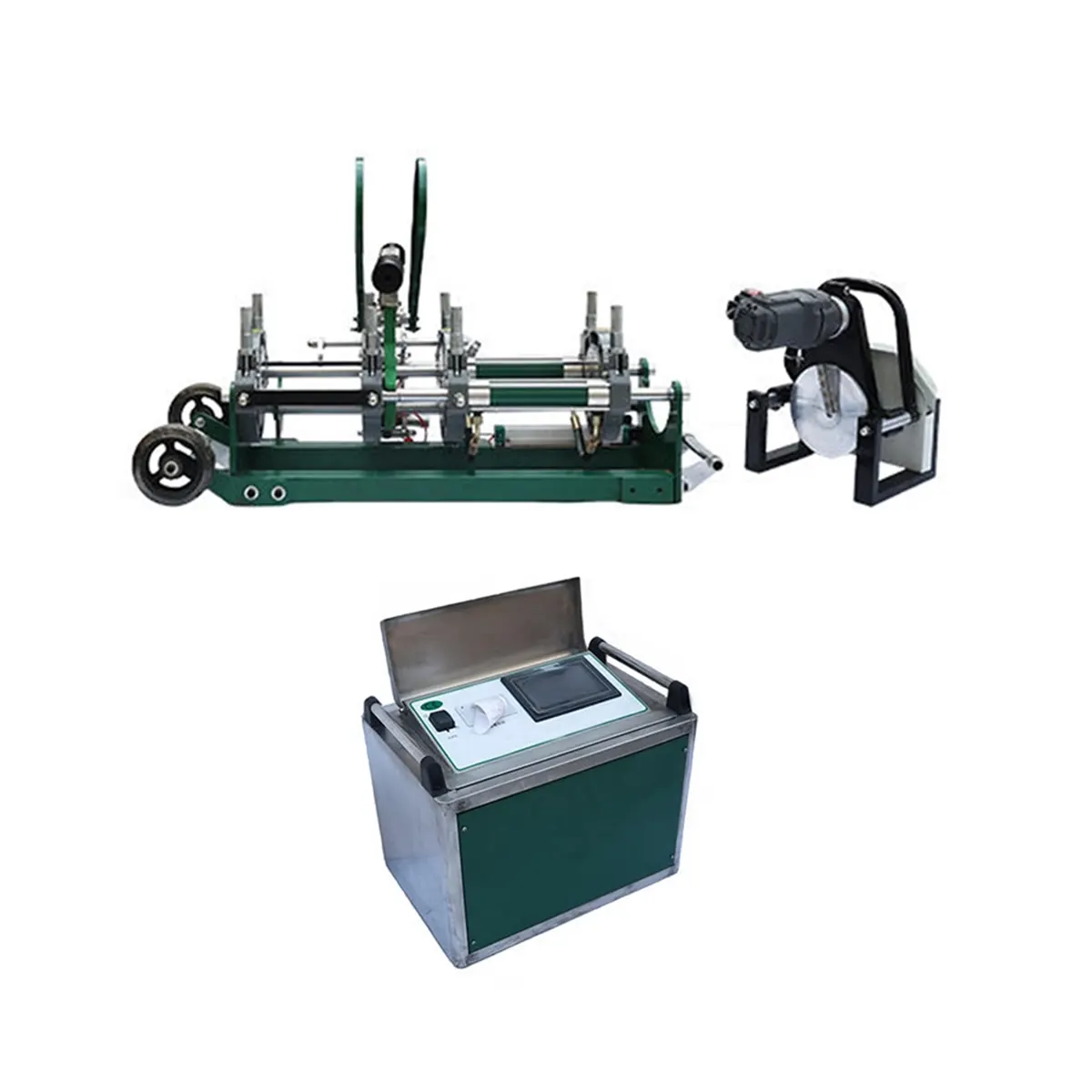
Core Stages of the Automatic Pipe Welding Machine Welding Process
To properly execute an automatic butt fusion welding operation, the machine must pass through a meticulously controlled thermal cycle. The process is governed by parameters defined in ISO 21307 butt fusion procedures, which dictate the necessary temperatures, pressures, and timing. The stages are broken down as follows:
- Clamping & Alignment: The machine’s clamps secure the pipe ends, utilizing a concentric clamping system to eliminate ovality and ensure a perfect radial match between the two segments.
- Facing: A rotating planer block trims the pipe ends simultaneously. This critical step creates clean, parallel surfaces that are essential for proper heat transfer during the subsequent stage.
- Heating & Melt Bead Formation: A non-stick heating plate, maintained at a precise temperature per PE butt fusion equipment standard, is inserted between the pipe ends. The pipes are pressed against the plate under controlled pressure to build up a uniform melt bead.
- Plate Removal & Fusion: The heating plate is swiftly withdrawn, and the molten ends are brought together at a specific forging pressure. This pressure remains constant as the material cools, allowing molecular entanglement to form a joint that is often stronger than the pipe itself.
- Cooling under Pressure: The joint remains clamped under pressure during the cooling cycle. The automated system monitors this phase, preventing premature release that could cause weld brittleness.
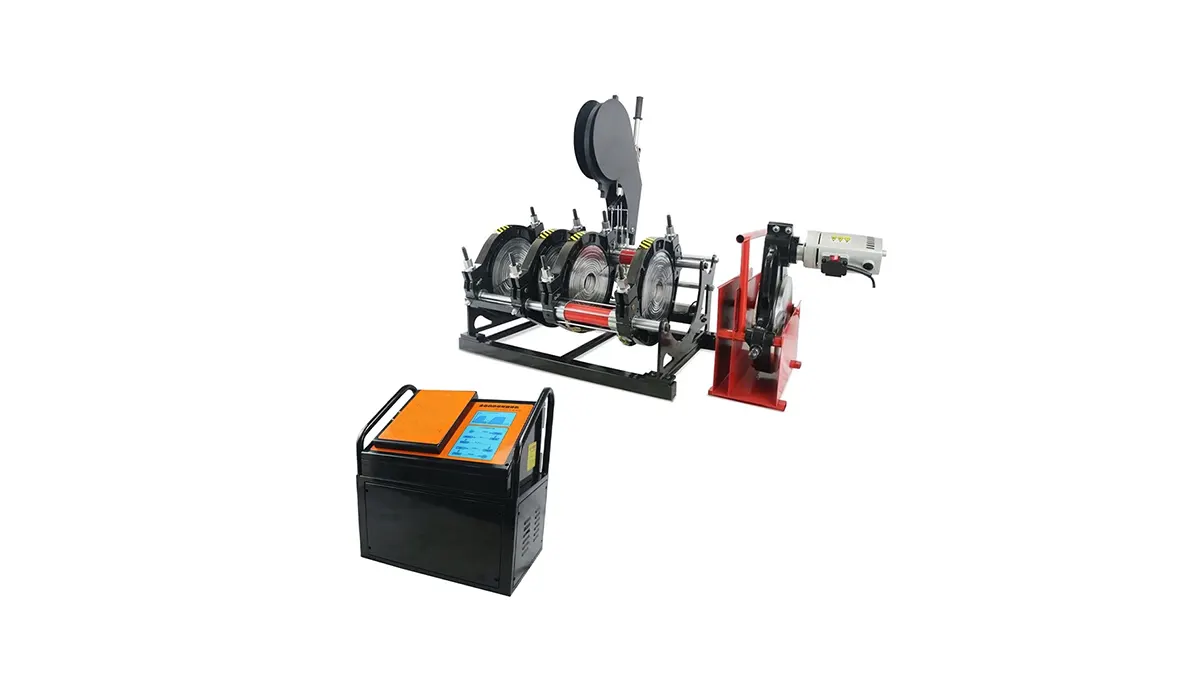
Comparative Advantages of CNC Controlled Welding
Transitioning from manual hydraulic rigs to a fully automatic pipe welding machine transforms field productivity. The embedded logic controller effectively removes the risk of human error during the parameter transfer stage.
| Key Feature | Operational Benefit | Result |
|---|---|---|
| Automatic Parameter Recognition | Barcode scanning or manual input of pipe material instantly recalls the correct pressure and time profiles. | Eliminates incorrect weld protocol application for varying SDR ratings. |
| Data Logging & Traceability | Onboard memory stores a time-stamped record of drag pressure, soak time, and cooling rate for every joint. | Full compliance with PE fusion traceability requirements and project QA/QC reporting. |
| Hydraulic Precision Control | Servo-driven hydraulic units automatically compensate for ambient environmental factors, such as cold ground temperatures affecting cooling speed. | Consistent homogenized joint strength regardless of operator fatigue or weather shifts. |
Calibration of the Automatic Welding Process
Achieving the correct melt viscosity requires strict adherence to dynamic pressure compensation. Before commencing the heating cycle, the system automatically measures the drag resistance of the pipe carriage.
- Gauge Pressure Calculation: The required manometer reading is determined by adding the theoretical interfacial fusion pressure to the measured drag pressure. Automatic machines use a load cell to adjust this in real time.
- Bead Size Validation: The formation of a double melt bead is visually observed, but the machine’s linear transducer also validates that the physical displacement matches the theoretical loss of length, providing a secondary digital confirmation of the weld quality.
Critical Industrial Applications
The automatic pipe welding machine welding process has become non-negotiable in sectors where zero-leakage safety records are paramount. It is not merely a construction tool; it is a risk-mitigation strategy. The ability to deploy these machines in difficult terrain ensures a single continuous pipeline network without mechanical leak points.
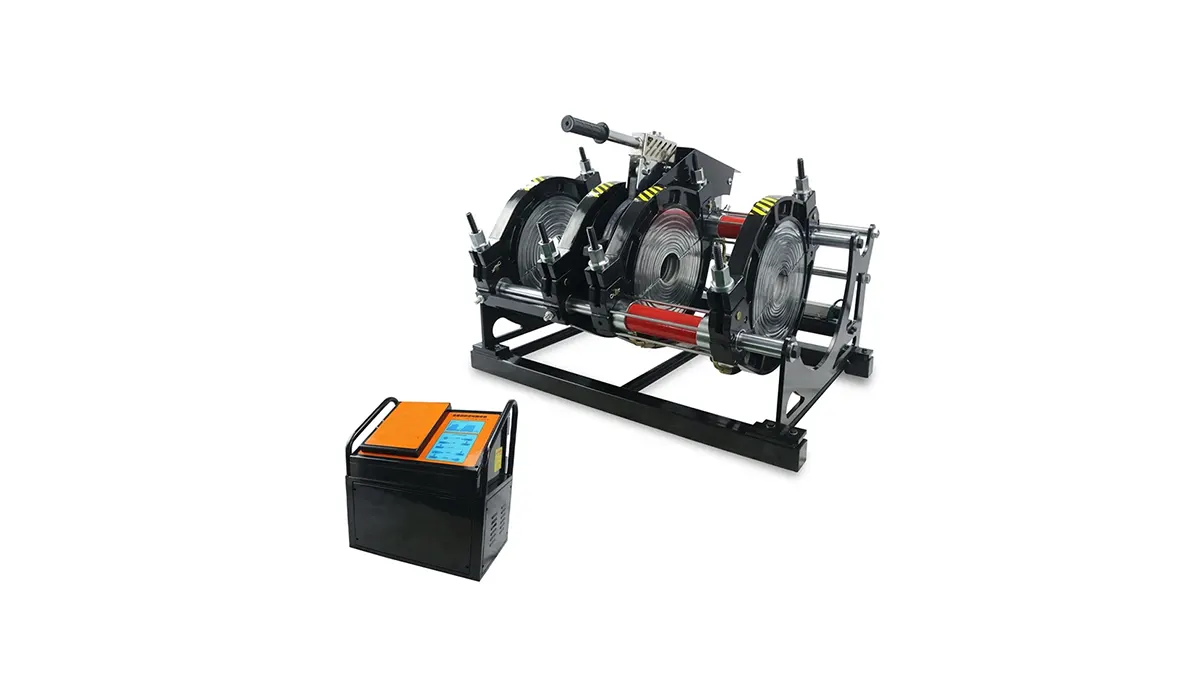
- Pressurized Water Mains: For high-pressure potable water transmission, the automated process ensures a smooth internal bead profile, minimizing flow turbulence and bacterial growth zones.
- Natural Gas Distribution: Gas utilities require detailed proof of joint integrity. The data logging feature of automated equipment provides a permanent “birth certificate” for each coupling, proving adherence to safety regulations.
- Mining Slurry Transport: Abrasive slurry pipelines benefit from the perfect internal concentricity achieved by automated clamping, which prevents step defects that would otherwise accelerate interior erosion.
- Industrial Effluent Lines: The chemical resistance of HDPE combined with the molecular consistency of an automatic fusion weld yields a maintenance-free system for harsh chemical waste streams.
The capability to repeatedly output 4,000 to 5,000 Newtons of precise linear force makes the automatic solution ideal for heavy-wall large-diameter segments. The mechanical efficiency of the system guarantees that the specified interfacial pressure, typically around 0.15 N/mm² for PE100 materials, is perfectly uniform across the entire annular cross-section of the pipe end.
Physical Traceability and Data Management
One distinct differentiator of the modern automatic pipe welding machine welding process is the integration of digital traceability. According to the framework outlined in PE fusion operator requirements, maintaining a connection between the joint and the welding circumstances is crucial for infrastructure longevity.
- Environmental Compensation: Sensors embedded in the console adjust the cool-down dwell time based on ambient temperature. On a cold morning, the automatic system extends the pressure hold to prevent thermal shock embrittlement.
- Smartphone Interface: Many advanced systems now feature wireless report generation. Geotagged welding logs can be instantly uploaded to a cloud server for remote engineering oversight, significantly tightening the project’s inspection workflow.
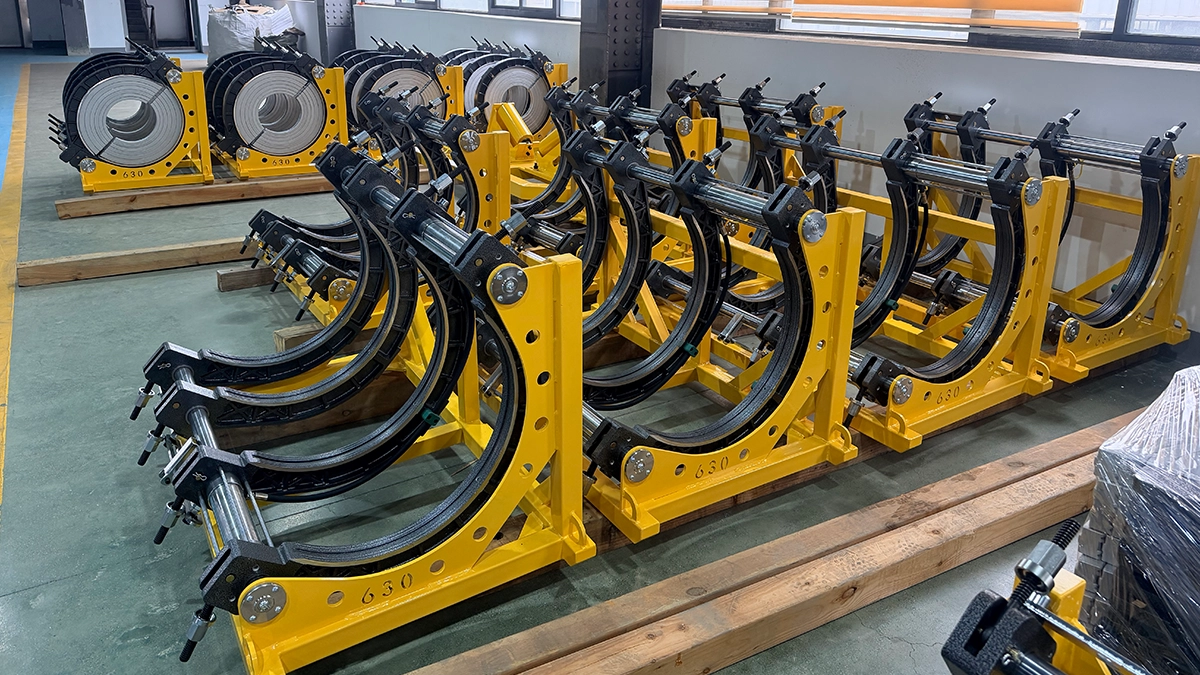
For contractors seeking to deploy this technology, JQ-Fusion is a professional manufacturer specializing in HDPE pipe welding machines, providing reliable butt fusion solutions for global infrastructure projects. Their range of CNC automatic butt fusion welding machines is designed to unlock the full potential of this advanced joining technology.
Execution Methodology for High-Quality Automatic Welds
While the machine automates the technical execution, the site preparation remains the foundation of success. The removal of oxidized surface layers is critical; the facing planer must produce continuous full-face ribbons from both pipe ends without chatter marks. Furthermore, the heating plate surface must be cleaned of any residual polymer particulate between each cycle to prevent carbonization spots, which act as stress-risers in the fusion zone.
The transition time between heating plate removal and pipe joining is enforced by the automated safety interlocks. A rapid open-close cycle is executed by the hydraulic manifold, suppressing the formation of a cold-skin on the melt surface. This precision timing guarantees that the molecular diffusion occurs at the peak of the thermoplastic temperature window, establishing a bond that withstands decades of internal pressure stress.