Understanding Your Project Requirements Before Selecting PE Pipe Fusion Equipment
Selecting the right fusion equipment starts with a clear understanding of your specific project demands. Every pipeline installation presents unique challenges, from soil conditions to operating pressures. The first step in PE pipe fusion equipment selection is to define the pipe diameter range, wall thickness, and the material grade you will be working with. Are you installing a municipal water main or a gas distribution network? The ISO 4427 PE water pipes standard and gas-specific certifications will heavily influence your machine choice. A clear scope prevents you from investing in a machine that lacks the clamping force for larger diameters or offers unnecessary automation for small-scale repairs. Knowing the required ISO 21307 butt fusion procedures ensures your joints meet long-term performance integrity standards right from the planning phase.
Key Factors in PE Pipe Fusion Equipment Selection
Once your project scope is defined, weighing the technical specifications of the available machines becomes critical. The market offers a wide range of manual, hydraulic, and automatic models, each corresponding to different output levels and job site conditions. Your choice must balance production speed, precision, and operator skill. Before making a capital investment, ensure the equipment aligns with internationally recognized PE butt fusion equipment standard certifications. This guarantees the machine’s heating plate uniformity, trimming performance, and pressure regulation are up to code. For critical applications, always refer to the ASTM F2620 heat fusion guidelines to validate the machine’s ability to hold pressure profiles during the cooling cycle.
Manual vs. Hydraulic vs. CNC Automatic Fusion Machines
The level of automation is the most significant differentiator in PE pipe fusion equipment selection:
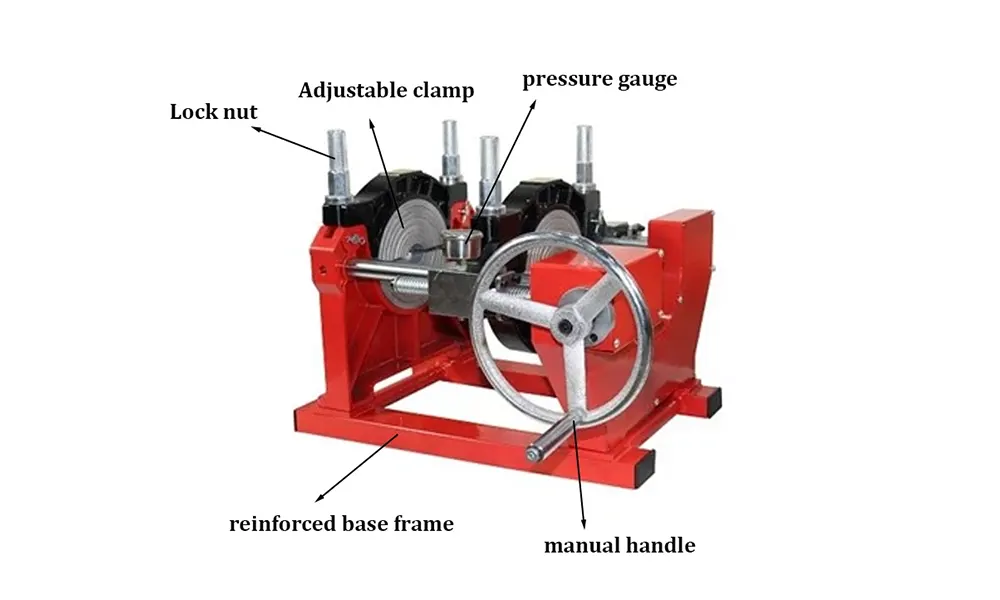
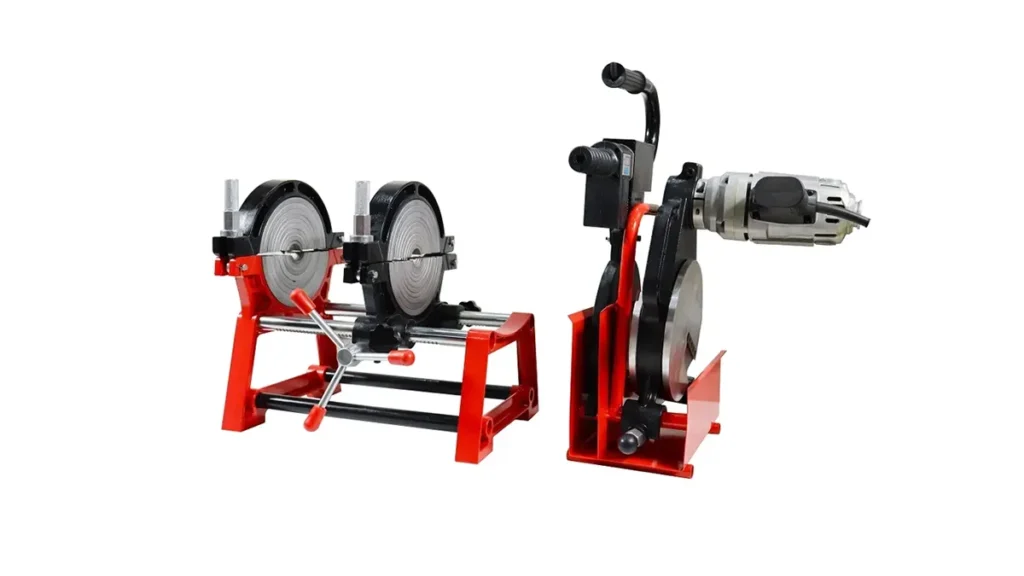
- Manual Butt Fusion Machines: Ideal for small diameters (typically below 250mm) and tight repair jobs. They require significant operator skill to maintain alignment but offer portability and low cost.
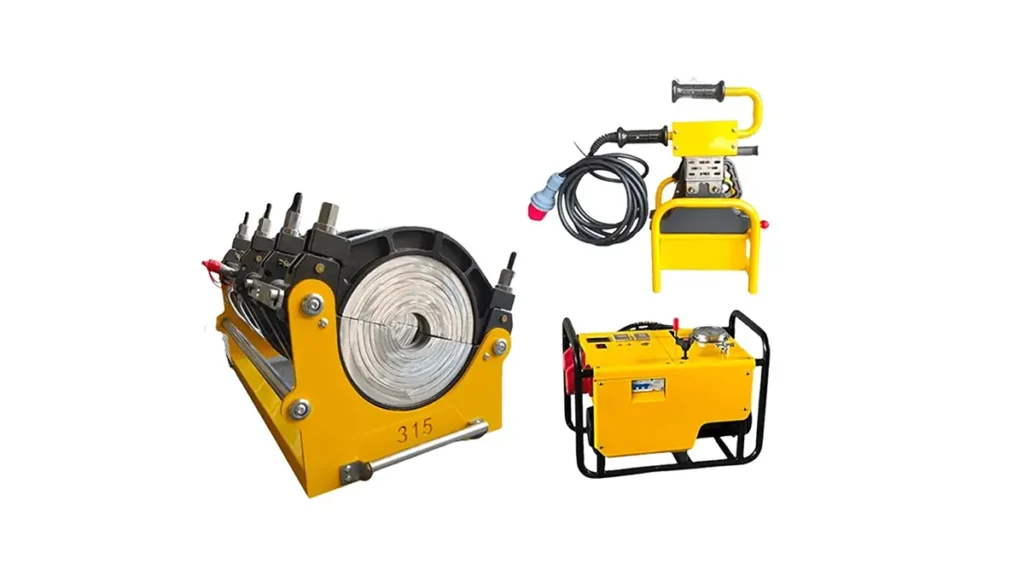
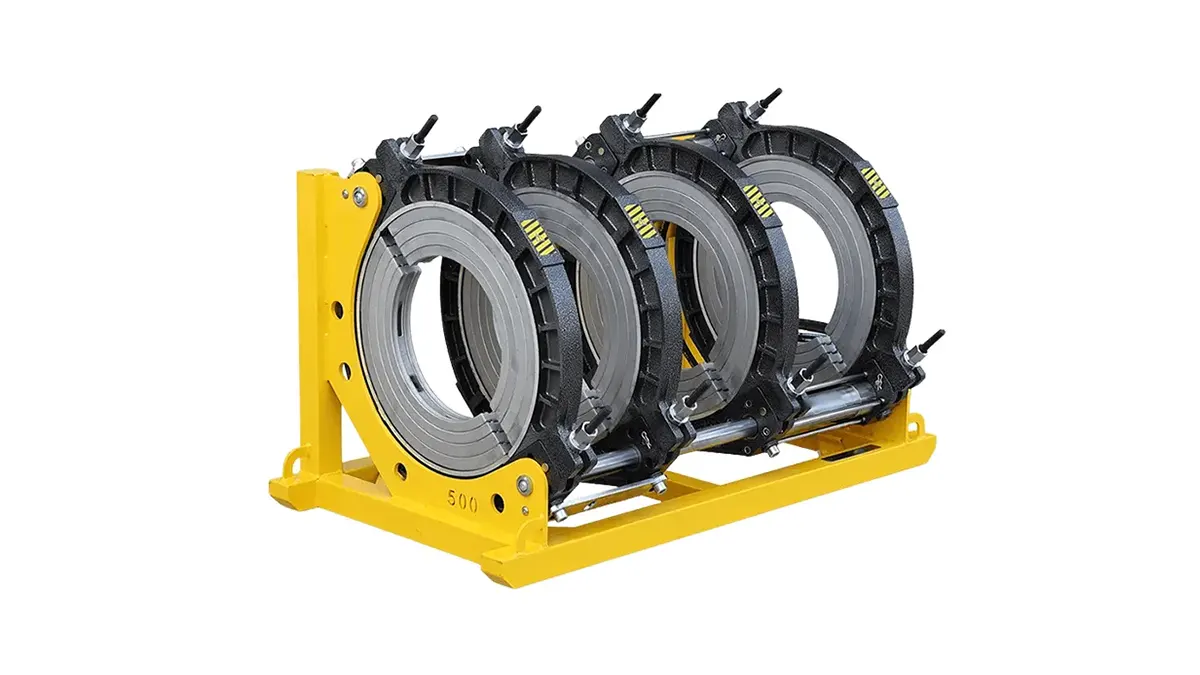
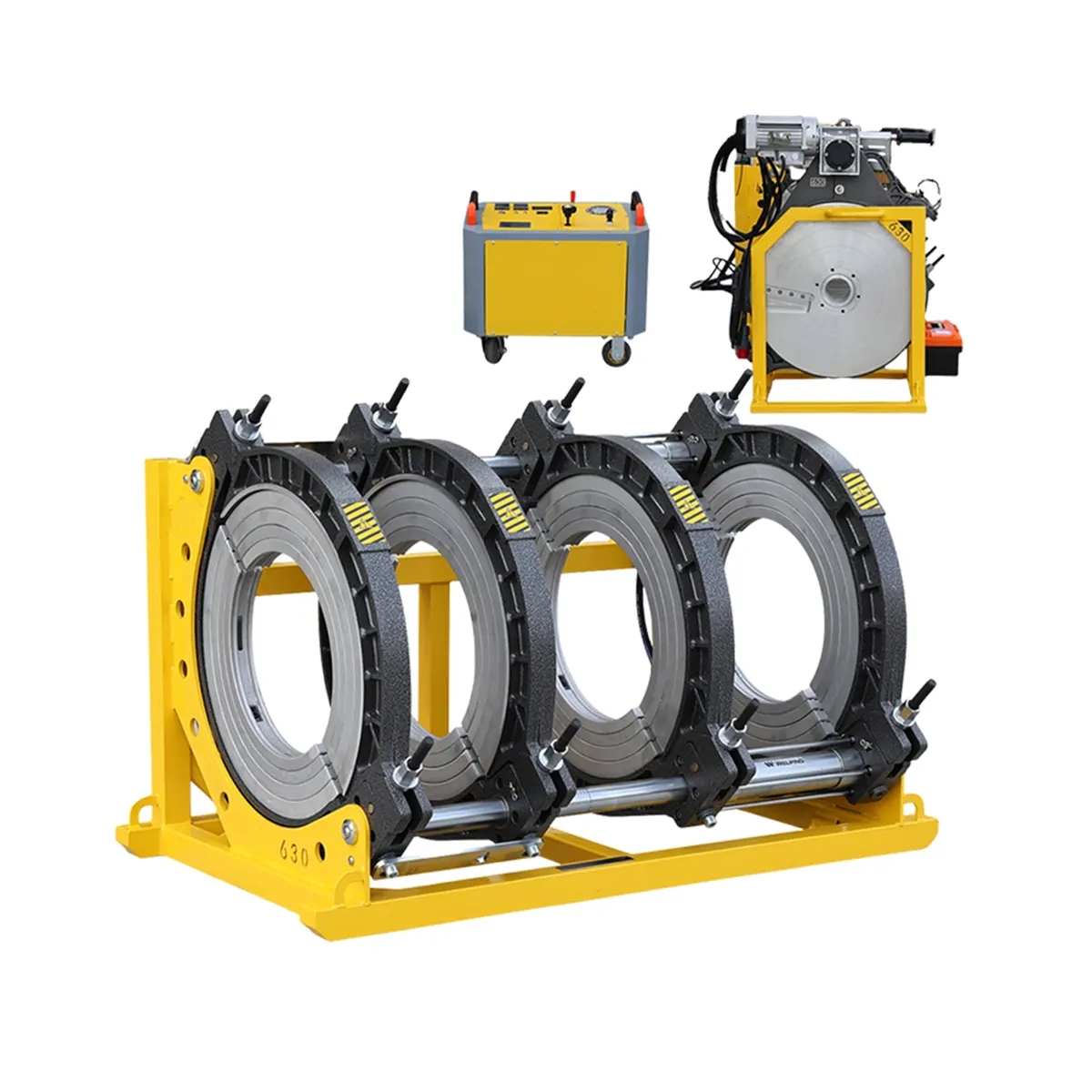
- Hydraulic Butt Fusion Machines: The workhorse of medium to large-diameter projects. These units use hydraulic pressure to move the carriage, drastically reducing manual labor and ensuring a more consistent PPI butt fusion procedure cycle.
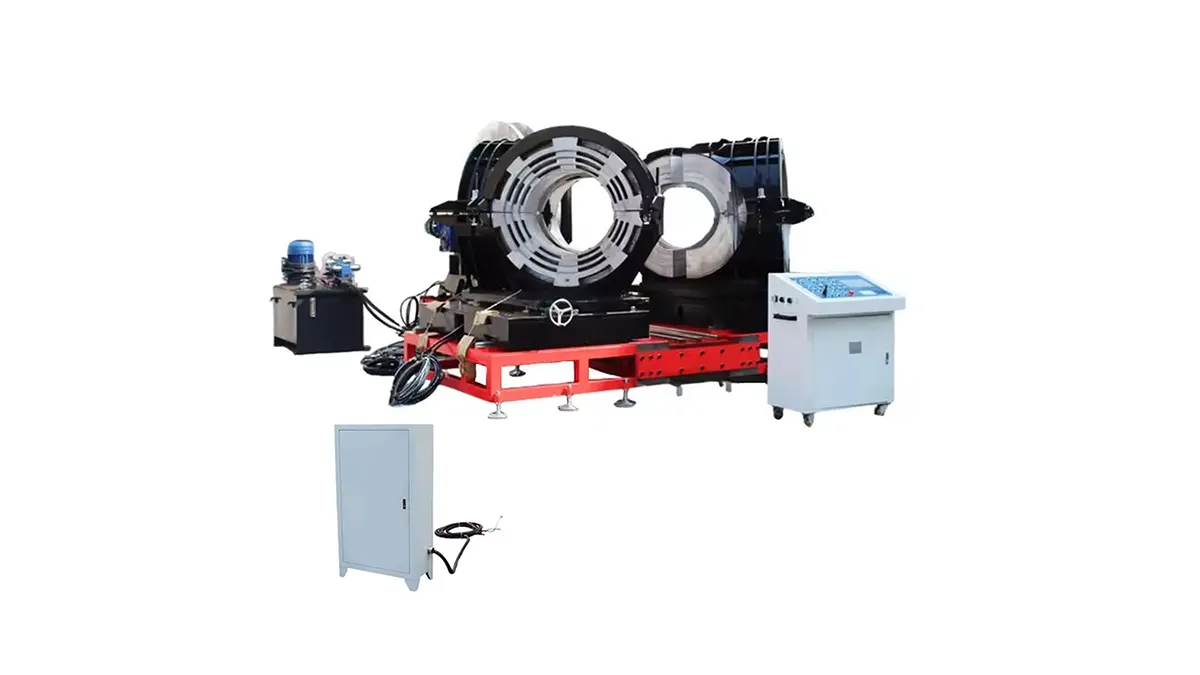
- CNC Automatic Butt Fusion Machines: These machines remove human error by digitizing the welding protocol. They record every parameter, essential for traceability in nuclear or high-pressure gas transmission.
Matching Machine Capacity to Pipe Diameter and SDR
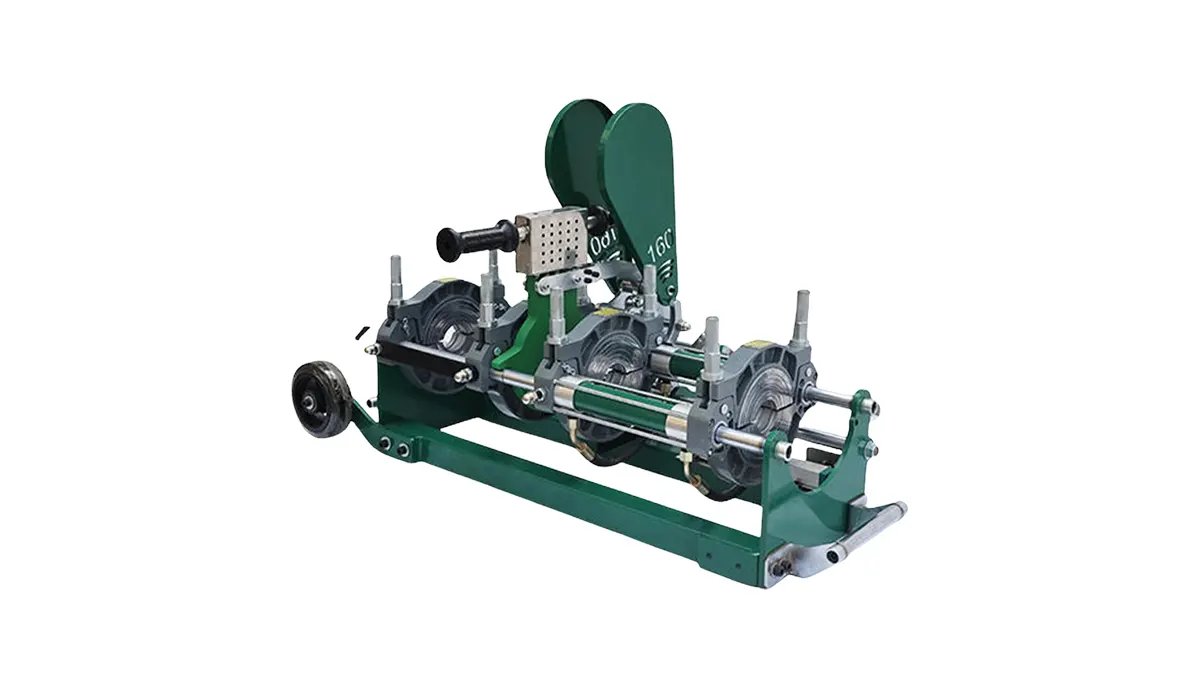
A common pitfall in procurement is underestimating the clamping force required for high SDR (thick-walled) pipes. When conducting PE pipe fusion equipment selection, you must cross-reference the machine’s maximum clamping force with the pipe’s diameter. A hydraulic machine rated for 630mm may clamp a thin-wall drainage pipe easily, but it could fail to maintain alignment on a high-pressure SDR 9 water pipe. Always check the machine’s ability to overcome frictional drag during the heating soak phase. Ignoring this leads to ovality and cold spots in the weld bead. For custom configurations or special segment bends, reviewing the trimming tool’s RPM and the heater plate’s surface temperature deviation is non-negotiable.
Power Supply and Job Site Environment
The availability of stable three-phase power dictates whether you can use an in-gear hydraulic station or a star-delta starter. Remote sites often require generator gearboxes sized for the inrush current of the heating plate. Dusty environments demand sealed hydraulic rams, while arctic conditions require heater plates with fast recovery times. Your environmental constraints directly impact the durability of the equipment. Selecting a machine with a robust chassis and stainless steel guide rods, rather than basic aluminum, ensures linear movement even under site contamination, preserving the integrity of the fusion interface.
Essential Components: Trimmers, Heaters, and Control Systems
A machine is only as precise as its components. When finalizing your PE pipe fusion equipment selection, inspect the three core elements independently:
| Component | Critical Feature | Inspection Metric |
|---|---|---|
| Trimmer | Bi-directional knife edges | Chip thickness uniformity |
| Heater Plate | Non-stick PTFE coating | Surface ∆T ≤ ±5°C |
| Control System | Digital data logging | Pressure transducer accuracy |
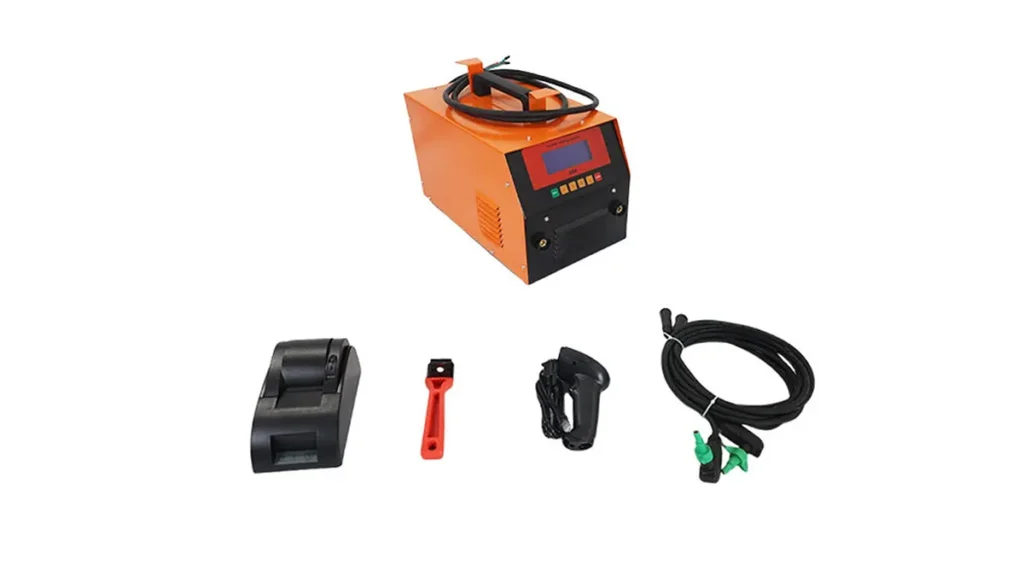
Hydraulic pressure must be maintained dead-on during the cooling cycle without drifting. The control system should log cycle data for quality assurance. If the machine cannot export a fusion report correlating time, temperature, and pressure, it falls short of modern traceability requirements for competitive tenders.
Operator Training, Safety, and Logistics
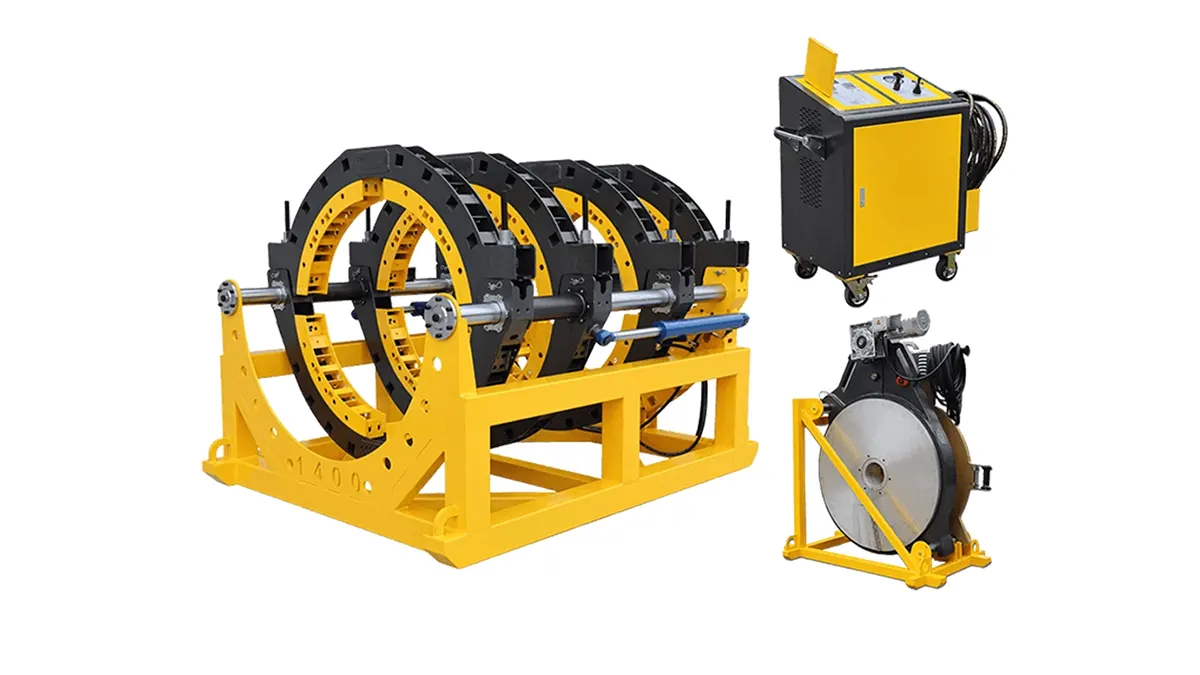
The most advanced machine fails if the crew cannot operate it safely. Evaluate the ergonomic placement of emergency stops and the logical layout of the hydraulic levers or touchscreen. Machines with intuitive controls reduce the learning curve and minimize catastrophic operator errors. Additionally, consider logistics. Can the machine be broken down for transport? For projects in rugged terrain, the machine’s lifting points and modular frame design are vital for safety. A heavy, monolithic frame might be sturdy, but it could pose a safety risk during craning. Investing in certified training for the operators ensures that the theoretical capabilities of the machine translate into flawless field welds.
Through a rigorous approach to specifications and component quality, you guarantee years of reliable operation. For infrastructure contractors seeking robust and customizable solutions, JQ-Fusion provides a comprehensive range of manual, hydraulic, and CNC automatic butt fusion welding machines designed to meet diverse project requirements with precision and durability.