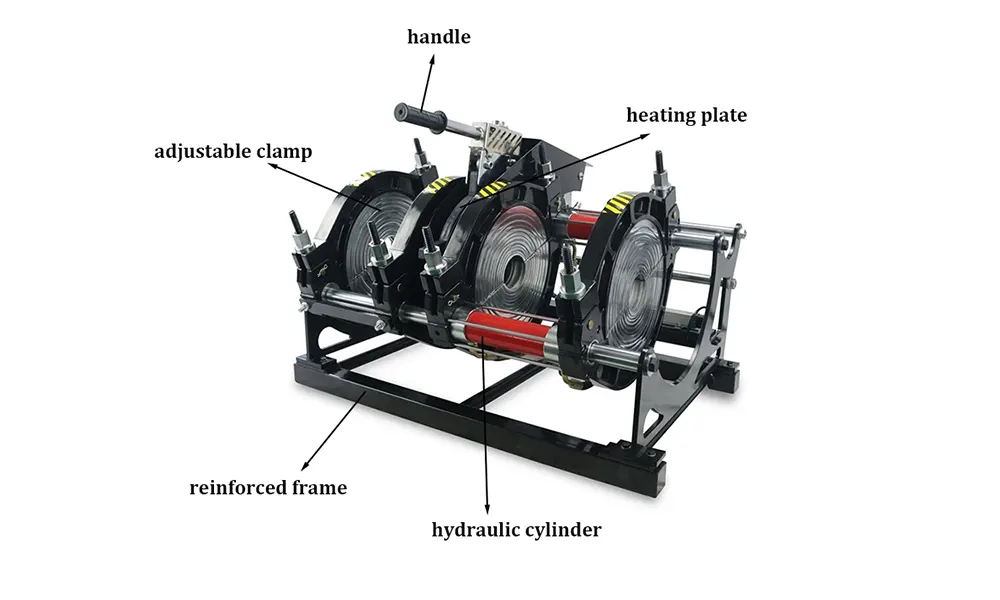
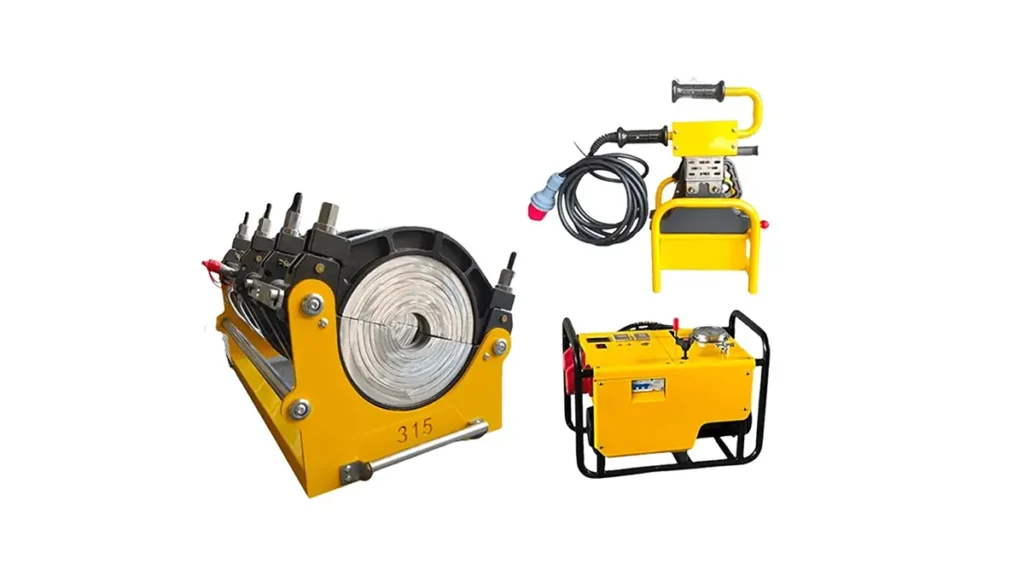
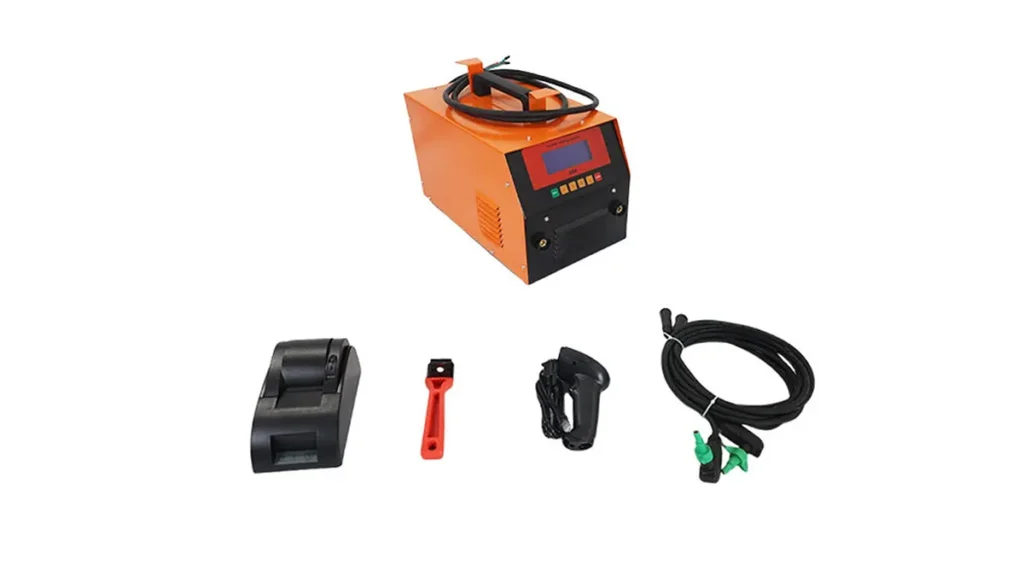
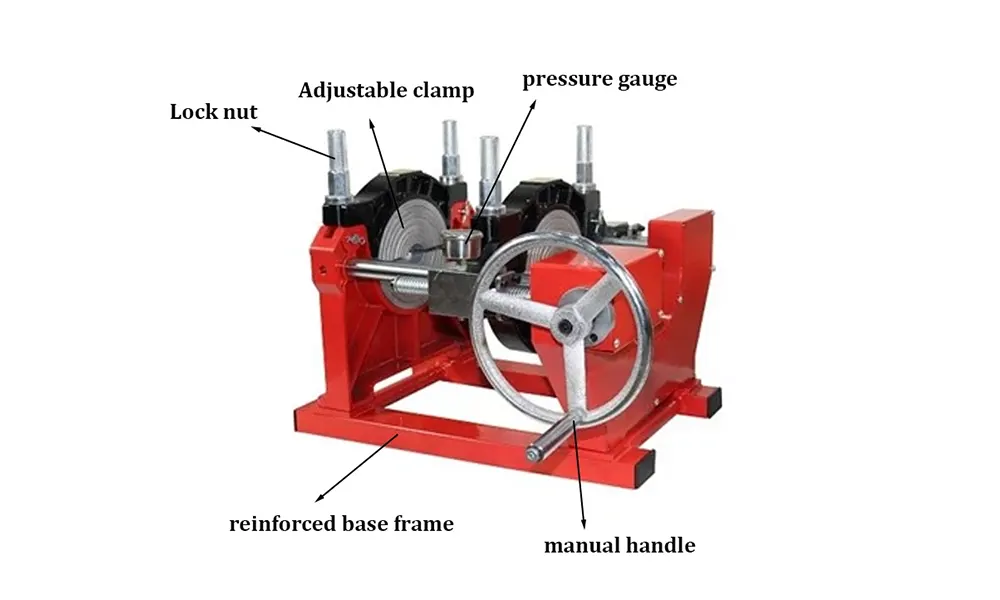
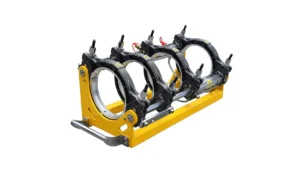
The demand for high-integrity pipeline networks has never been greater. Whether in municipal water supply, natural gas distribution, or industrial slurry transport, the quality of the joint determines the lifespan of the system. An automatic pipe welding machine has revolutionized how contractors and utility companies approach polyethylene (HDPE) pipe fusion. By eliminating guesswork and manual variability, these systems ensure every joint meets stringent international standards.
Why Automation Outperforms Manual Welding
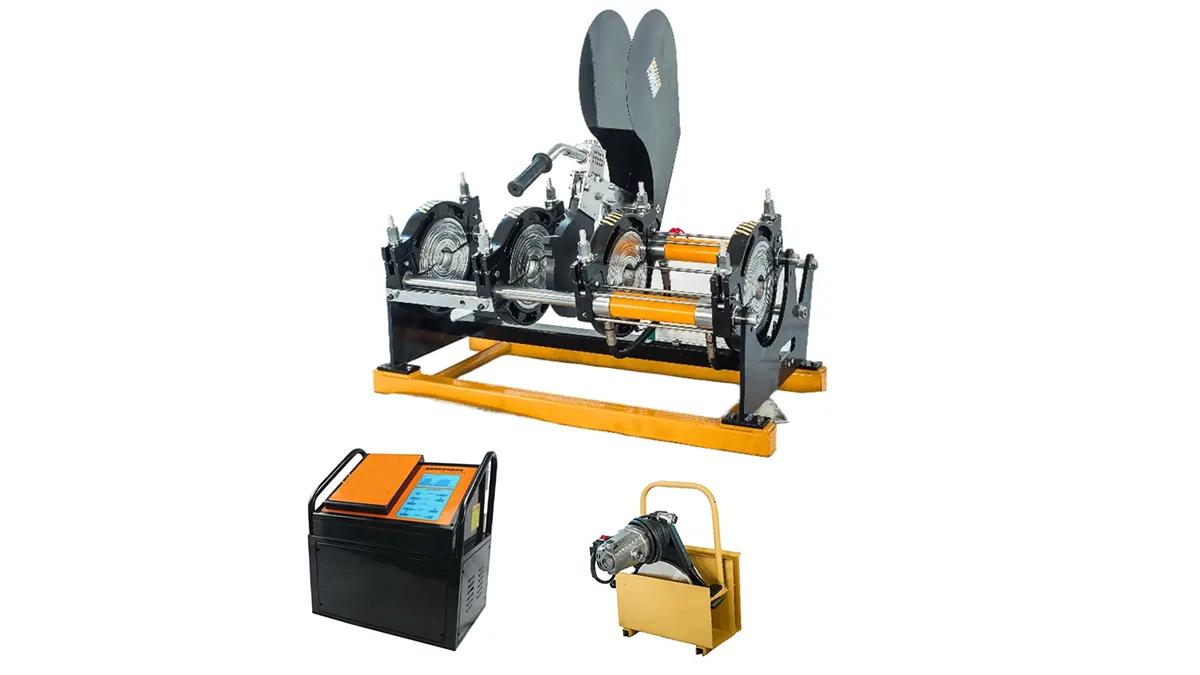
Traditional manual butt fusion relies heavily on operator skill. Fatigue, inconsistent pressure application, and environmental factors can lead to weak joints. Automatic systems remove these risks. The automatic pipe welding machine advantages lie not just in speed, but in the precision of its digital control unit. It actively monitors and adjusts heating time, temperature, and hydraulic pressure in real-time according to ISO 21307 butt fusion procedures. This ensures a homogeneous melt bead every single cycle, providing peace of mind for critical infrastructure projects.
Core Advantages of CNC Automatic Pipe Welding Machines
- Unmatched Weld Consistency: The machine automatically follows the precise welding protocol, drastically reducing the risk of cold welds or overheating. Once parameters are entered, the process is fully automatic.
- Data Logging & Traceability: Modern automatic machines generate a PDF or digital report for every joint. This provides irrefutable proof of compliance with ASTM F2620 heat fusion requirements, which is essential for quality assurance auditors.
- Reduced Operator Fatigue: In large-diameter pipe projects (above 315mm), manual handling of the hydraulic system and facing tool is strenuous. Automation streamlines this, allowing a single skilled technician to oversee the operation efficiently.
- Environmental Adaptability: Automatic systems compensate for ambient temperature fluctuations, ensuring the heating plate maintains optimal surface temperature regardless of job site conditions.
Key Applications Across Industries
Where are these robust machines deployed? Their versatility covers a wide spectrum of fluid and gas transport.
Water Supply & Irrigation
From rural water distribution to large-scale desalination plants, automatic welding guarantees zero-leakage networks, preventing precious water resource loss. These systems are perfectly matched to ISO 4427 PE water pipes.
Natural Gas Distribution
Safety is paramount in gas distribution. Automatic CNC machines are the preferred tool for gas utilities because they exclude human error during the joining of PE gas pipes, aligning with strict federal safety mandates.
Mining & Industrial Slurry
Mining operations benefit from the high-strength joints produced automatically, which can withstand the abrasive wear of slurry and tailings transport without failing under high pressure.
Comparing Automatic Butt Fusion Machine Models
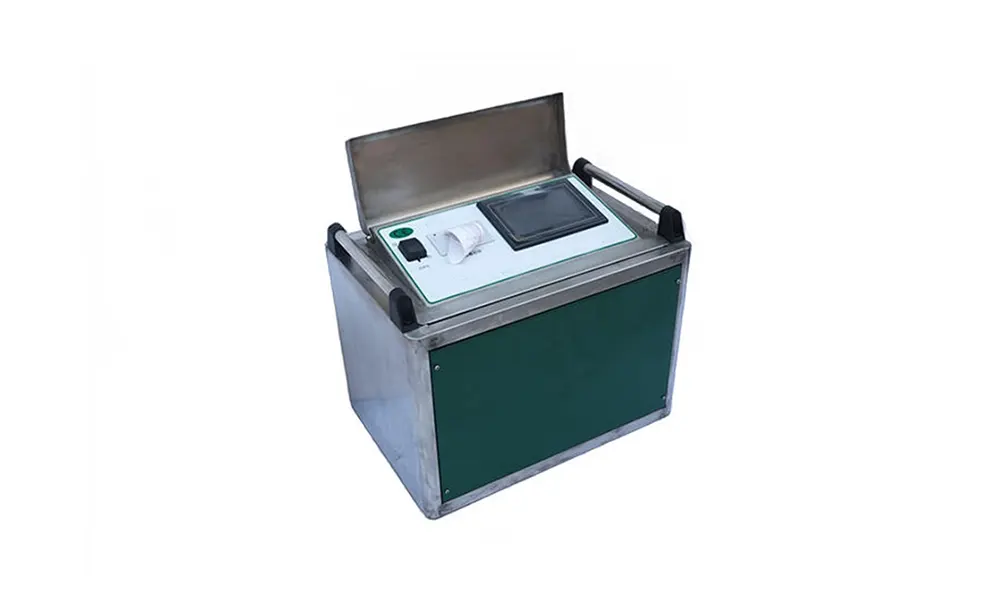
Selecting the right machine depends on your pipe diameter range. The table below highlights the capacity of standard CNC automatic butt fusion welding machines.
| Model Series | Typical Pipe Range (mm) | Control Type | Best For |
|---|---|---|---|
| JQA160 – JQA250 | 63mm – 250mm | Fully Automatic CNC | Small diameter gas/water laterals |
| JQA315 – JQA500 | 160mm – 500mm | Fully Automatic CNC | Medium pressure mains |
| JQA630 | 315mm – 630mm | Fully Automatic CNC | Large industrial & mining pipes |
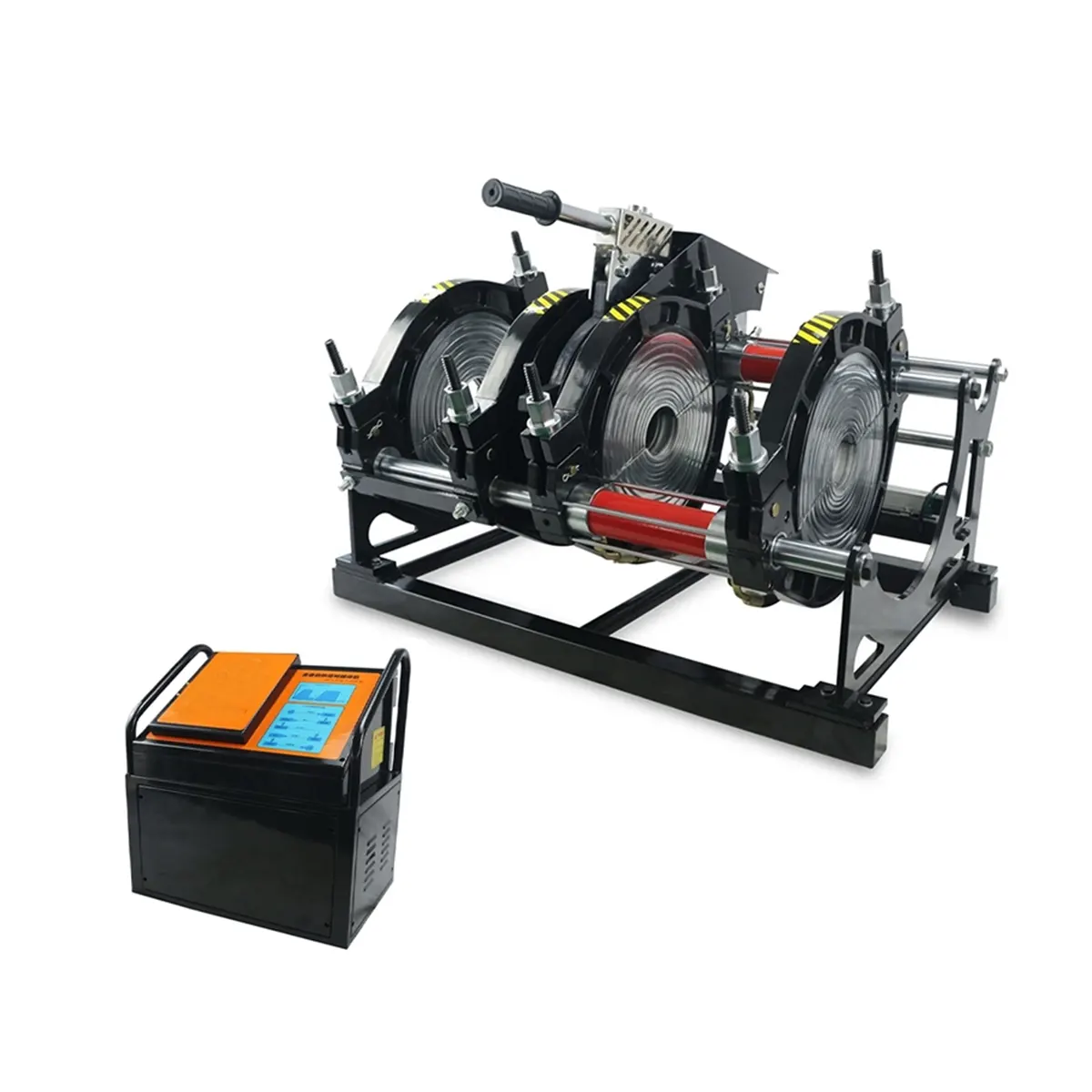
For projects exceeding 630mm, a hydraulic automatic pipe welding machine with a separate power pack is recommended. These heavy-duty workhorses, such as the JQH series, handle extreme wall thicknesses with ease, ensuring fast cycle times even on the largest HDPE pipe welding machines.
Essential Buying Guide for Professionals
Before investing in an automatic butt fusion welder, project managers and procurement officers should evaluate the following criteria to ensure a successful return on investment.
1. Data Management Capabilities
Does the machine allow for USB export of weld logs? For public infrastructure, the ability to print or digitally store joint reports is no longer a luxury; it is a contractual obligation. Ensure the system firmware is intuitive and updatable.
2. Clamping Rigidity & Alignment
High axial alignment force is critical. Look for machines with rigid steel frames and non-deformable clamp inserts. Poor alignment causes ovality and uneven bead rollback. Automatic systems must detect misalignment and alert the operator before the heating cycle begins.
3. Heating Plate Uniformity
The heart of the machine is the heater. A high-quality automatic welder maintains a temperature variance of less than ±5°C across the entire plate surface. Non-stick coatings like PTFE must be durable enough to withstand daily site use without chipping.
4. After-Sales Support & Distributor Network
A welding machine is a long-term asset. Partner with a manufacturer that offers comprehensive technical support, spare parts availability, and operator training. JQ-Fusion, for instance, supports global distributors with rapid response services to minimize project downtime. Verify that the distributor can provide ongoing calibration and service validations.
5. Compliance with International Standards
Your chosen equipment must be designed to execute welds compliant with recognized procedures. Verify that the machine’s logic controller aligns with ISO 12176-1 and regional gas codes. This ensures third-party inspectors will sign off on the work without hesitation.
Maximizing ROI with the Right Equipment
Transitioning from manual to automatic pipe welding machines is a strategic move toward risk mitigation. While the initial capital expenditure is higher than for manual equipment, the reduction in joint failure rates, re-excavation costs, and project delays provides a substantial long-term saving. Contractors using CNC technology consistently deliver projects on schedule while maintaining an impeccable safety record. For any stakeholder in critical pipeline construction, the choice is increasingly clear: automation is not just the future; it is the current standard for reliability and excellence in HDPE fusion.