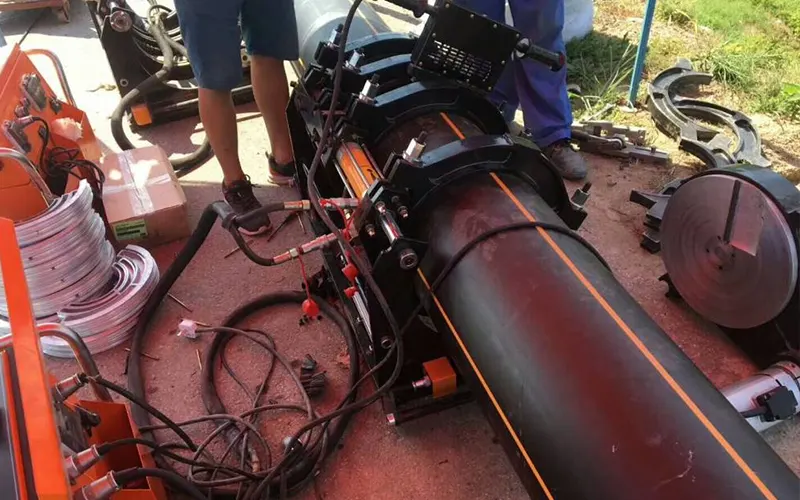
In modern pipeline construction, the demand for precision, efficiency, and data-driven quality control has never been higher. Whether you’re managing municipal water supply networks, gas distribution systems, or large-scale mining operations, investing in a smart butt fusion welding machine can dramatically improve your project outcomes. These advanced machines combine robust mechanical engineering with intelligent control systems to deliver consistent, high-strength welds across a wide range of HDPE pipe diameters.
What Sets a Smart Butt Fusion Welding Machine Apart?
Traditional butt fusion welding relies heavily on operator skill and manual parameter adjustments. A smart butt fusion welding machine, by contrast, automates critical welding stages — from heating plate temperature regulation to fusion pressure application and cooling time monitoring. Real-time data logging, intuitive touchscreen interfaces, and pre-programmed welding protocols ensure that every joint meets stringent industry standards with minimal human error.
Core Features of Advanced Butt Fusion Welding Equipment
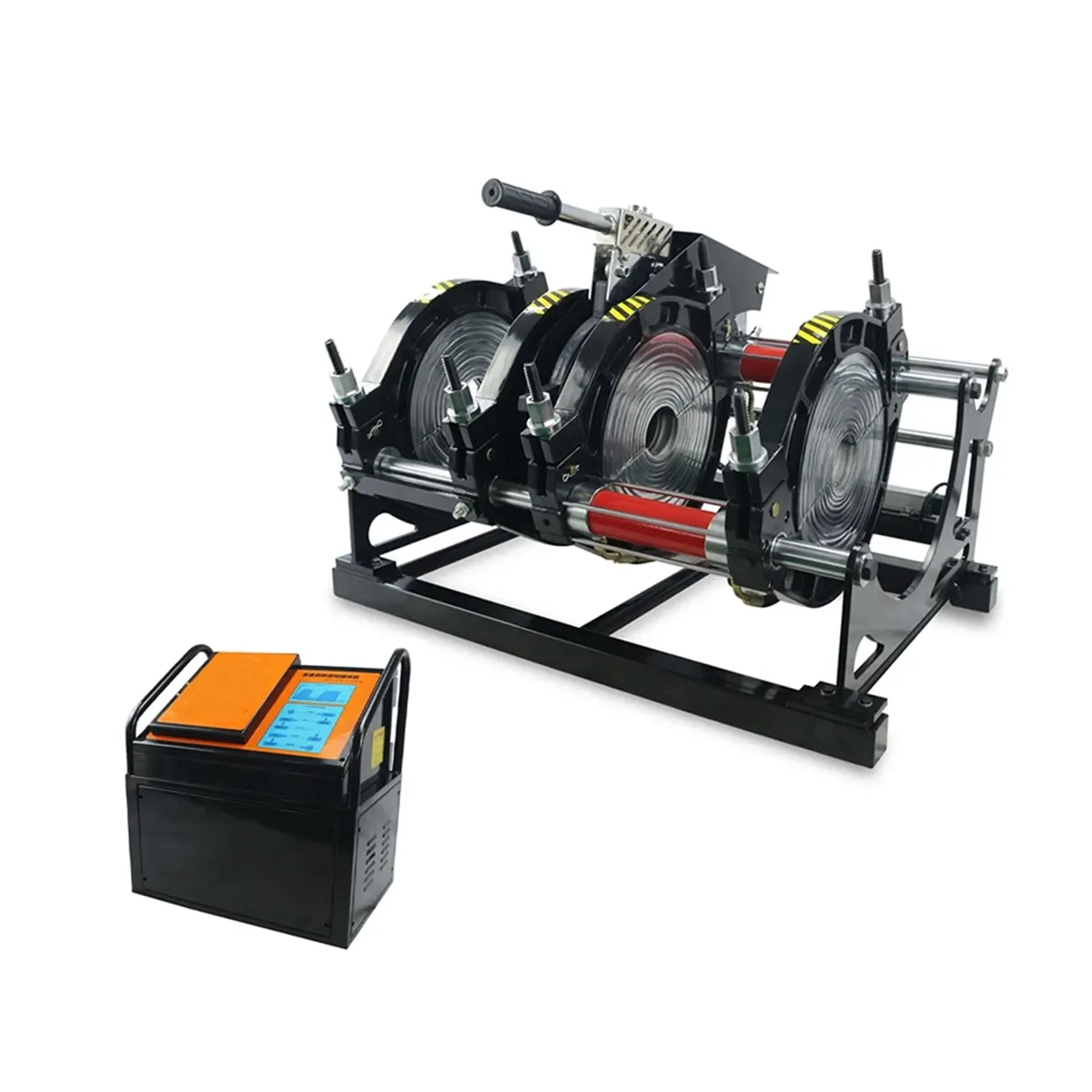
- Intelligent Temperature Control: Digital PID controllers maintain precise heating plate temperatures, eliminating the risk of over- or under-heating during the fusion cycle.
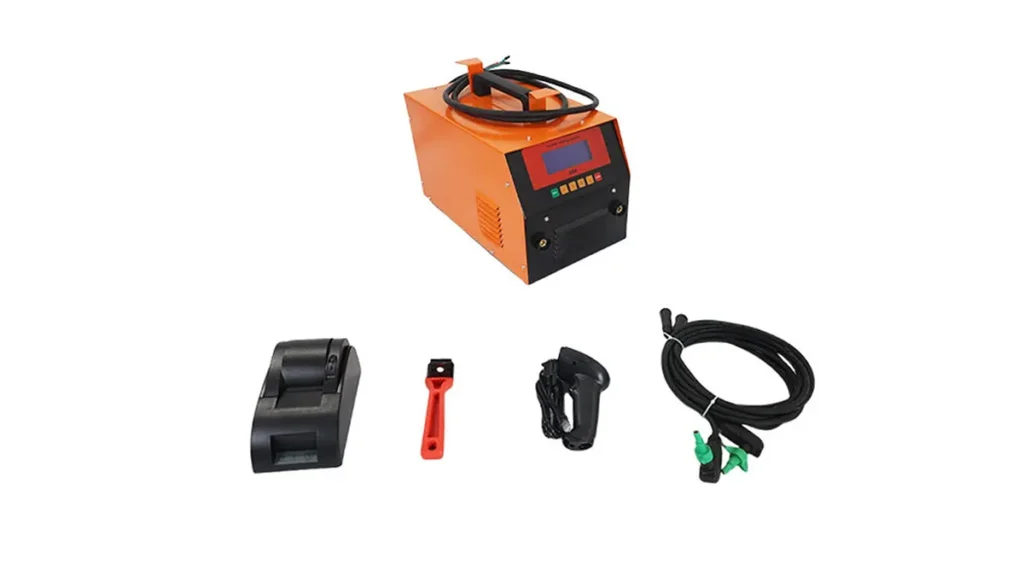
- Automated Data Logging: Built-in memory stores weld parameters such as date, time, pressure, temperature, and operator ID for full traceability — essential for ISO-compliant projects.
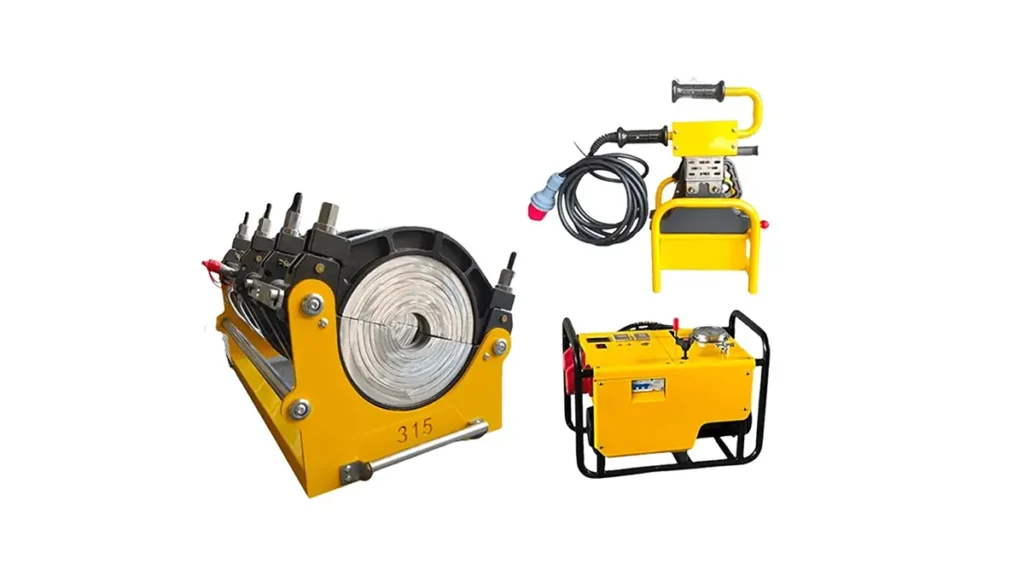
- Hydraulic Precision Systems: On hydraulic butt fusion welding machine models, servo-controlled pumps deliver exact clamping and fusion pressure, adapting seamlessly to varying pipe wall thicknesses.
- Rigid Aluminum Clamp Frames: Lightweight yet durable aluminum alloy clamps ensure perfect pipe alignment and reduce operator fatigue during setup.
- User-Friendly Touchscreen Interface: Multilingual displays guide operators through step-by-step welding sequences, making advanced fusion accessible even to less experienced teams.
- Safety Interlocks: Automatic shutdown features protect both the machine and the operator in the event of abnormal conditions.
Key Benefits for Your Pipeline Projects
Switching to a smart butt fusion welding machine brings measurable improvements across productivity, quality assurance, and long-term cost efficiency:
- Consistent Weld Quality: Automated parameter control eliminates variability between joints, reducing the risk of leaks and costly repairs.
- Faster Project Timelines: Pre-set welding protocols and rapid heating cycles shorten each fusion cycle, allowing crews to complete more joints per shift.
- Full Documentation for Audits: Digital records simplify compliance with ISO 21307 butt fusion procedures and customer specifications.
- Reduced Operator Dependency: Even with varying skill levels across your workforce, the machine delivers repeatable, high-quality results.
- Lower Total Cost of Ownership: Durable construction, readily available spare parts, and reduced rework translate to significant long-term savings.
Comparing Smart Butt Fusion Machine Types
Understanding the differences between machine categories helps you select the right equipment for your specific applications. The table below outlines the three primary types of smart butt fusion welding equipment:
| Machine Type | Automation Level | Best For | Key Advantage |
|---|---|---|---|
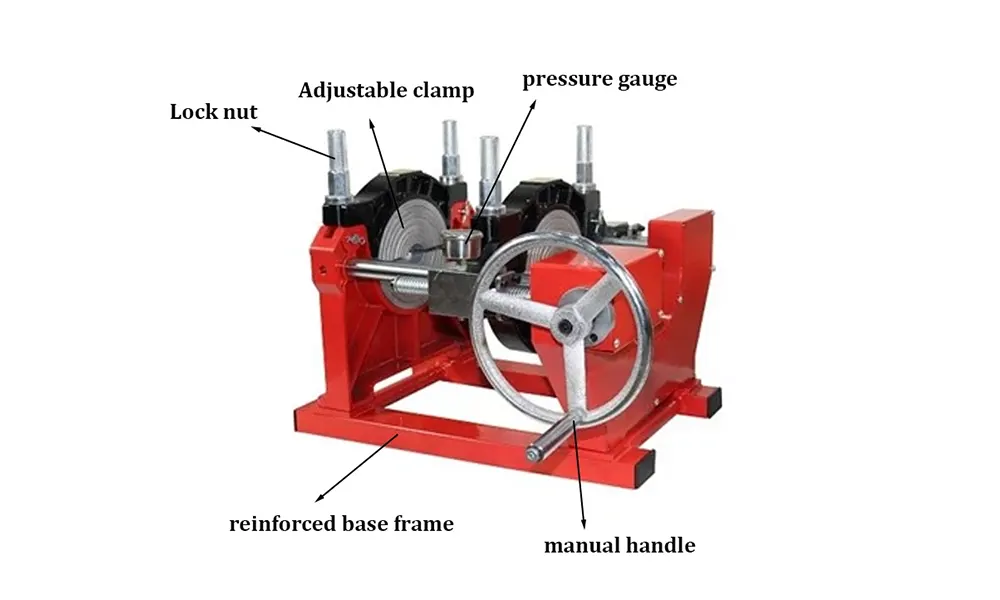
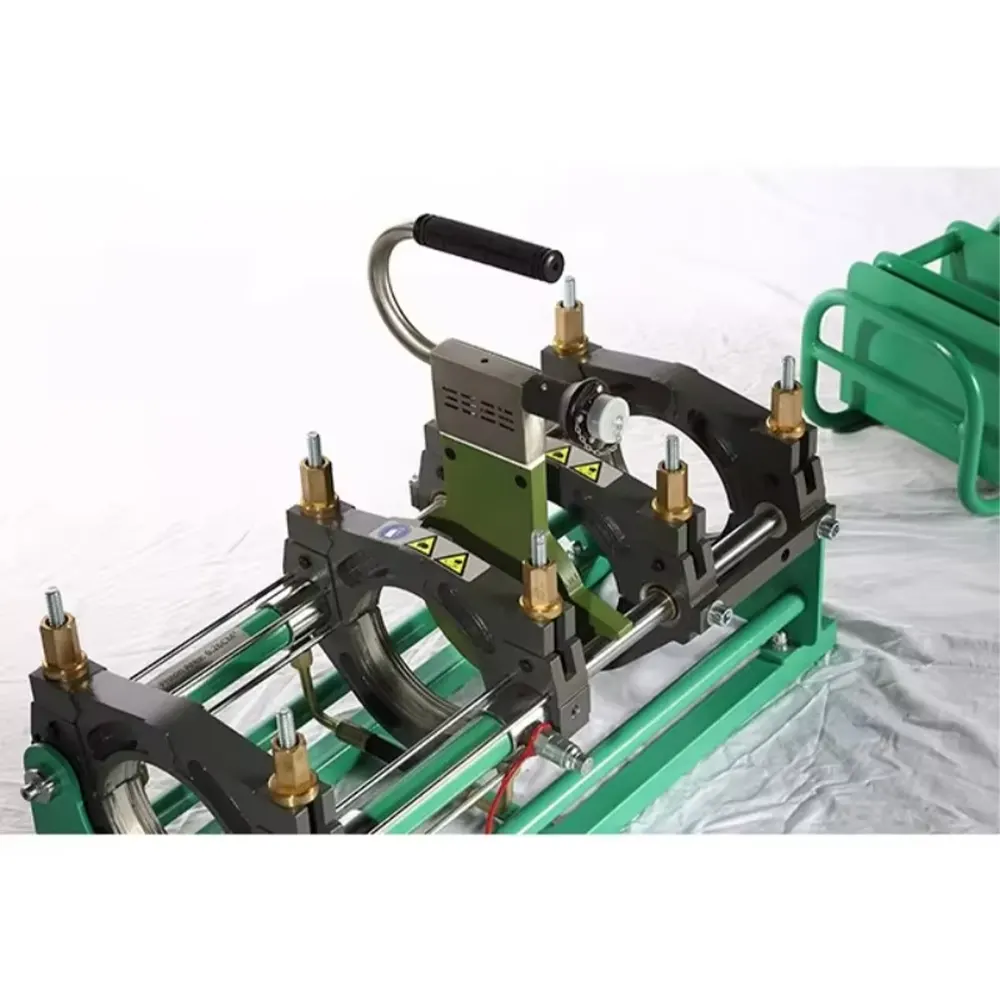
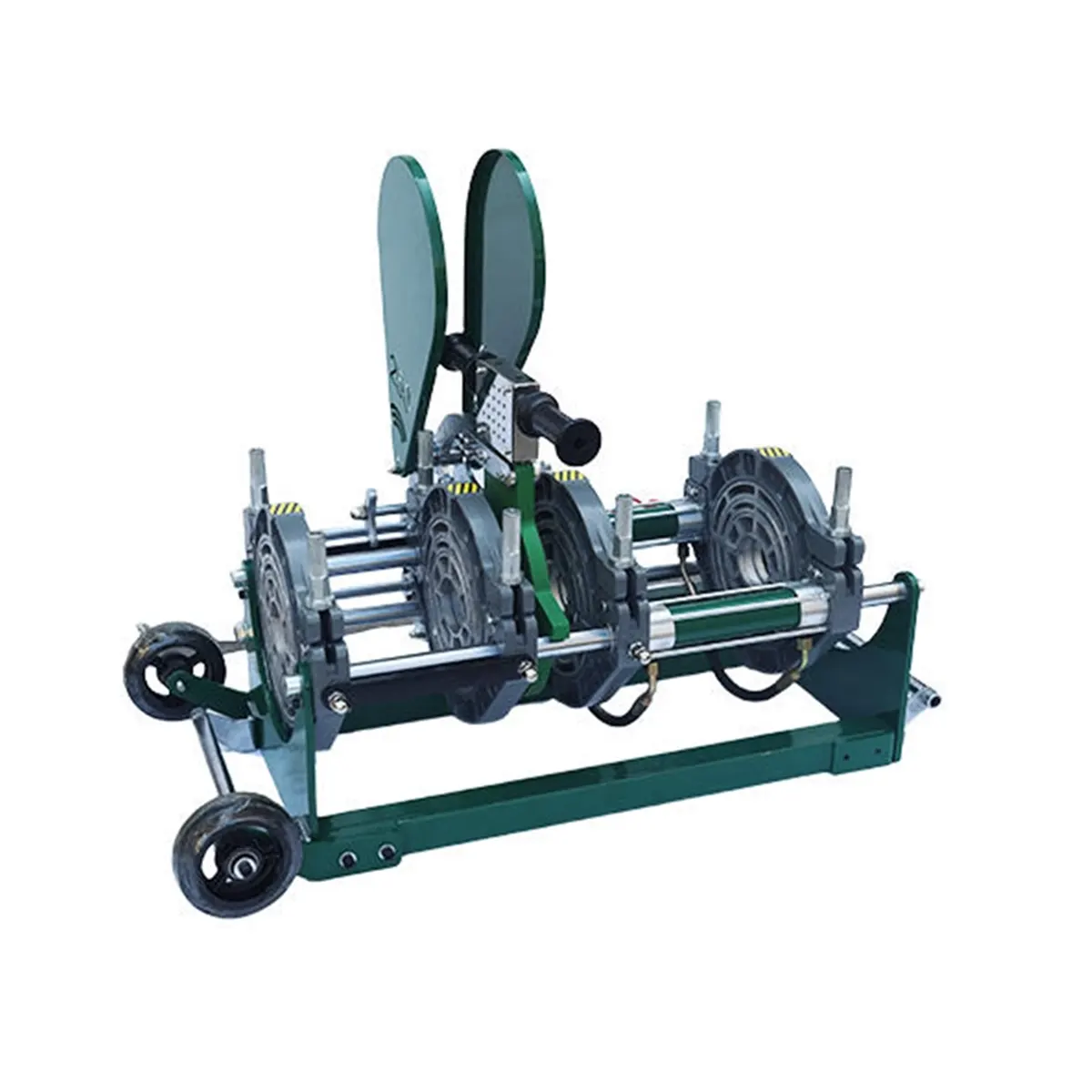
| Manual Butt Fusion | Basic mechanical operation | Small diameter pipes (20mm–160mm) | Low cost, portable |
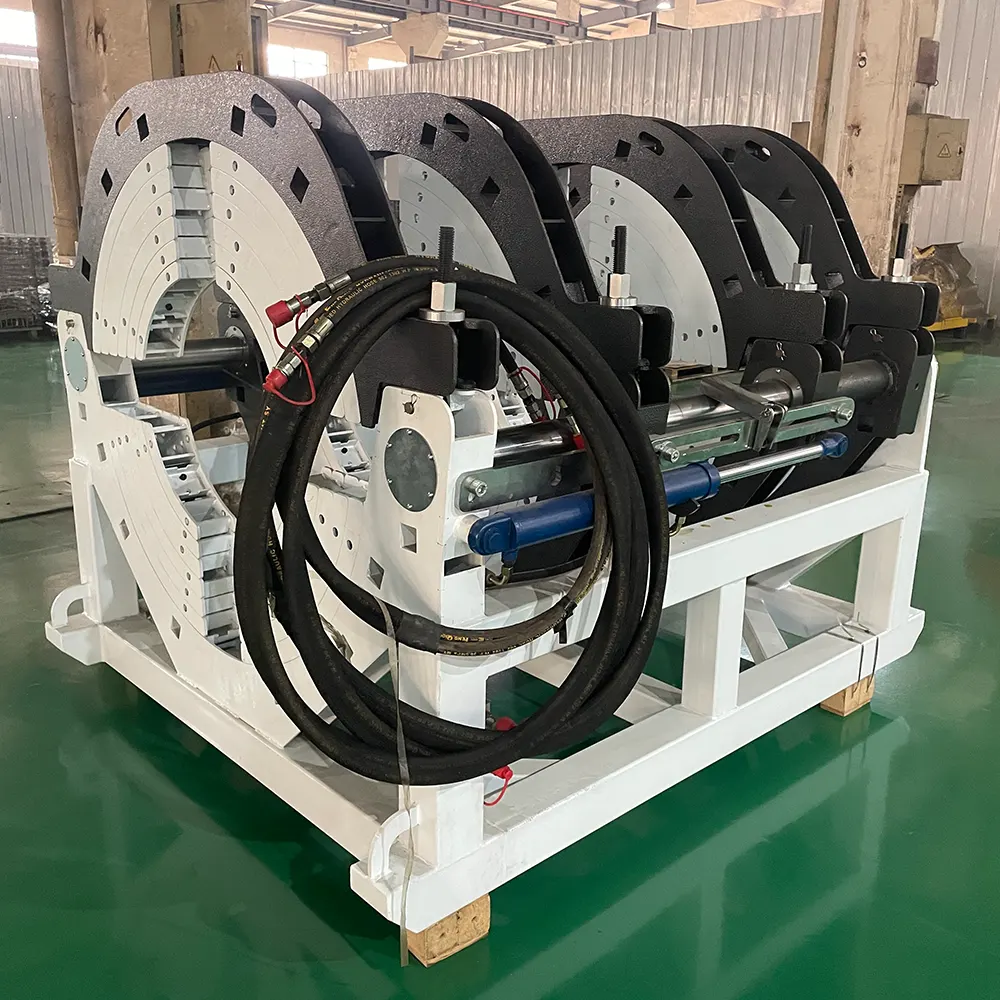
| Hydraulic Butt Fusion | Semi-automated with hydraulic power | Medium to large diameter pipes (160mm–2250mm) | High clamping force, versatile |
| CNC Automatic Butt Fusion | Fully automated with data logging | Critical infrastructure, large-scale projects (160mm–630mm+) | Maximum precision and traceability |
For projects requiring the highest level of automation and data integrity, CNC automatic butt fusion machines represent the top tier of smart welding technology. These systems handle the entire fusion cycle automatically, including bead-up assessment, heating, alignment, and cooling — all while recording complete weld histories.
Buying Guide: How to Select the Right Smart Butt Fusion Welding Machine
Choosing the ideal machine requires careful evaluation of your operational needs and project specifications. Consider the following factors before making a purchase:
1. Pipe Diameter Range
Determine the minimum and maximum pipe sizes you regularly work with. A manual butt fusion welder typically handles diameters up to 160mm, while hydraulic and CNC models extend capabilities to 630mm, 1200mm, or even 2250mm for large infrastructure projects.
2. Project Complexity and Standards
If your work involves government contracts, gas distribution, or projects requiring third-party audits, prioritize machines with comprehensive data logging and compliance with recognized standards such as those from ISO and ASTM.
3. Operating Environment
Consider whether the machine will be used in a workshop or in the field. Portability, weather resistance, and power source availability all influence the best choice. Many smart machines now feature ruggedized frames and weather-sealed electronics for demanding outdoor conditions.
4. After-Sales Support and Spare Parts
Reliable technical support and fast parts availability minimize downtime. Look for manufacturers with established distribution networks and responsive service teams who can provide training and troubleshooting assistance when needed.
Industry Standards and Quality Assurance
Smart butt fusion welding machines are designed to meet or exceed international standards governing HDPE pipe joining. Key references include ISO 21307 for butt fusion procedures, ASTM F2620 for heat fusion joining practices, and various regional certifications that ensure equipment reliability. When evaluating machines, verify that the manufacturer provides documentation confirming compliance with these benchmarks — this protects your investment and ensures acceptance by project inspectors.
The Value of Partnering with an Experienced Manufacturer
Selecting the right equipment supplier is just as important as choosing the machine itself. JQ-Fusion specializes in HDPE pipe welding machines, offering a comprehensive range of manual, hydraulic, and CNC automatic butt fusion welding equipment that covers pipe sizes from small diameters up to 2250mm. With rigorous quality control, customizable OEM/ODM options, and global after-sales support, the right manufacturing partner helps you maintain project schedules and welding integrity across every job site.
Frequently Asked Questions
What pipe materials can a smart butt fusion welding machine handle?
These machines are primarily designed for HDPE (High-Density Polyethylene) pipes, but many models also accommodate PP (Polypropylene) and other thermoplastic materials with appropriate parameter adjustments. Always confirm material compatibility with the manufacturer before welding non-standard materials.
How does data logging improve project outcomes?
Data logging creates a permanent, tamper-proof record of every weld performed. This documentation supports quality audits, helps identify training needs, and provides legal protection in the event of a dispute. For gas and water infrastructure projects, digital traceability is increasingly becoming a contractual requirement.
Can one machine cover all pipe sizes on my project?
Most contractors maintain a fleet of machines sized for different diameter ranges. A single smart butt fusion welding machine typically covers a defined range — for example, 160mm to 630mm or 315mm to 1200mm. Matching machine capacity to your most common pipe sizes optimizes both performance and cost efficiency.
Investing in the right smart butt fusion welding machine transforms how you approach pipeline construction — delivering faster cycle times, verifiable weld quality, and confidence that every joint will perform reliably for decades. By carefully evaluating your project requirements and partnering with a knowledgeable equipment supplier, you position your operations for success in an increasingly competitive industry.