
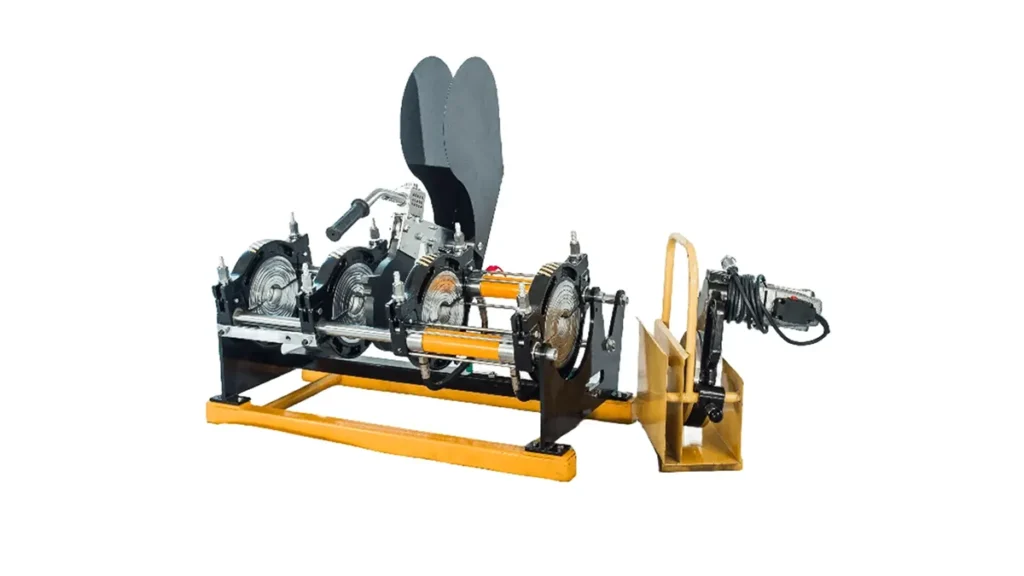
Choosing the right HDPE welding equipment supplier in Brazil means balancing technical performance, local service, and cost-efficiency. Whether you’re working on municipal water systems in São Paulo, irrigation networks in the Central-West, or remote pipeline projects in the Amazon, the supplier you pick will affect welding quality, project timelines, and long-term maintenance. This guide highlights practical criteria and local considerations to help procurement managers, contractors, and engineers make an informed decision.
Understand Your Project Requirements
Start by defining the pipe diameters, material grade, joint types, and daily production targets. In Brazil, common HDPE applications include potable water distribution, gas distribution, mining tailings pipelines, and agricultural irrigation—each with unique site demands. Projects in remote northern states often face logistics and spare-part challenges, while coastal and tropical regions require equipment that tolerates humidity and heat.
Key Supplier Evaluation Criteria
Compare suppliers across technical capability, quality assurance, local support, and commercial terms. Below is a compact comparison to guide vendor shortlisting.
| Criterion | Why it Matters | Questions to Ask |
|---|---|---|
| Machine Range & Compatibility | Ensures the supplier covers your pipe sizes and welding methods (manual/hydraulic/automatic). | Can you supply machines for Ø63–Ø2250mm? Any custom options? |
| Quality & Certification | Certifications and testing reduce rework and guarantee weld strength under local standards. | What quality systems and test reports do you provide? ISO/CE/traceability? |
| After-Sales Support | Local language support, spare parts, and training minimize downtime on Brazilian sites. | Do you offer Portuguese technical support, spare part kits, and on-site training? |
| Delivery & Logistics | Import duties, shipping time, and customs clearance can affect schedule and cost. | Estimated lead time to Brazil, INCOTERMS, and support with customs documentation? |
| Total Cost of Ownership | Consider maintenance, consumables, and expected lifespan, not just purchase price. | What are consumable costs and recommended maintenance intervals? |
Certifications, Testing & Material Traceability
Ask for factory test reports, welding procedure validations, and manufacturing quality certificates (e.g., ISO 9001). For projects subject to local regulation or tender requirements, proof of third-party testing and material traceability is often essential. Suppliers who document weld records and provide digital logging for automatic machines deliver stronger audit trails.
After-Sales Service: The Brazilian Reality
In Brazil, strong after-sales service is a differentiator. Preference is often given to suppliers who can provide Portuguese-speaking technicians, timely spare parts availability, and training for operators. For remote projects (e.g., Amazon basin or interior regions), confirm the supplier’s experience with field service logistics and whether they support long-term maintenance contracts.
How to Compare Machine Types
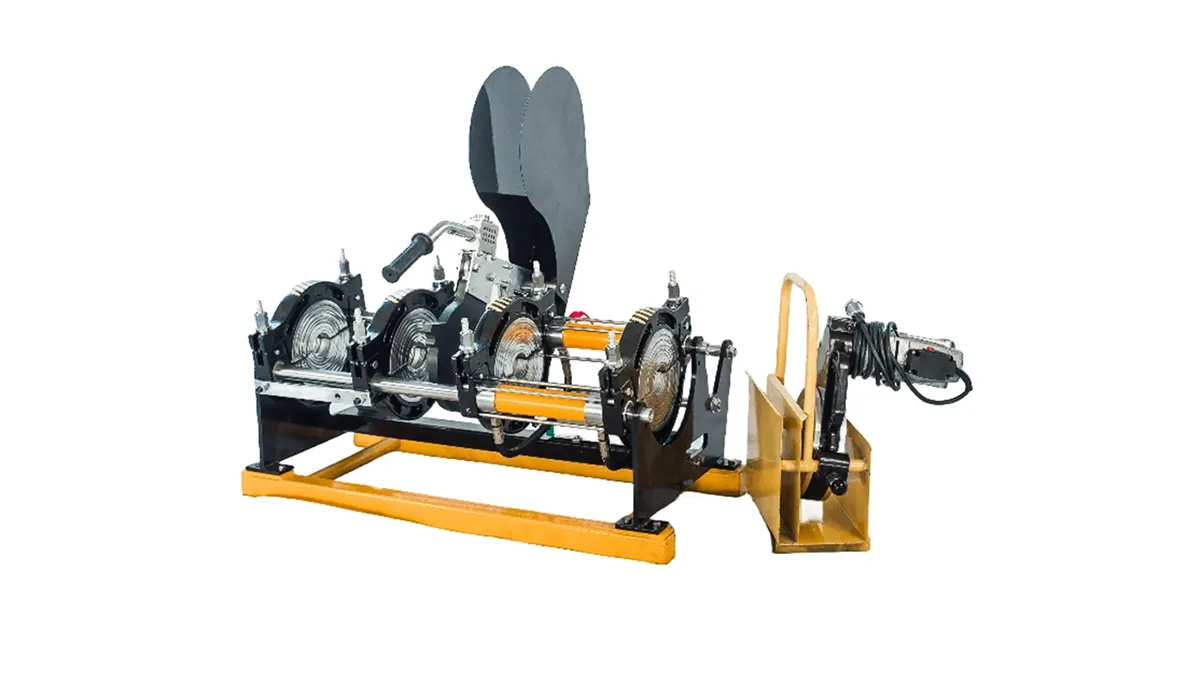
Manual machines are economical for small sites and occasional work—ideal for local contractors handling repairs or small networks.
Hydraulic machines offer higher force and stability for mid-to-large diameters and are widely used by utility contractors across Brazil.
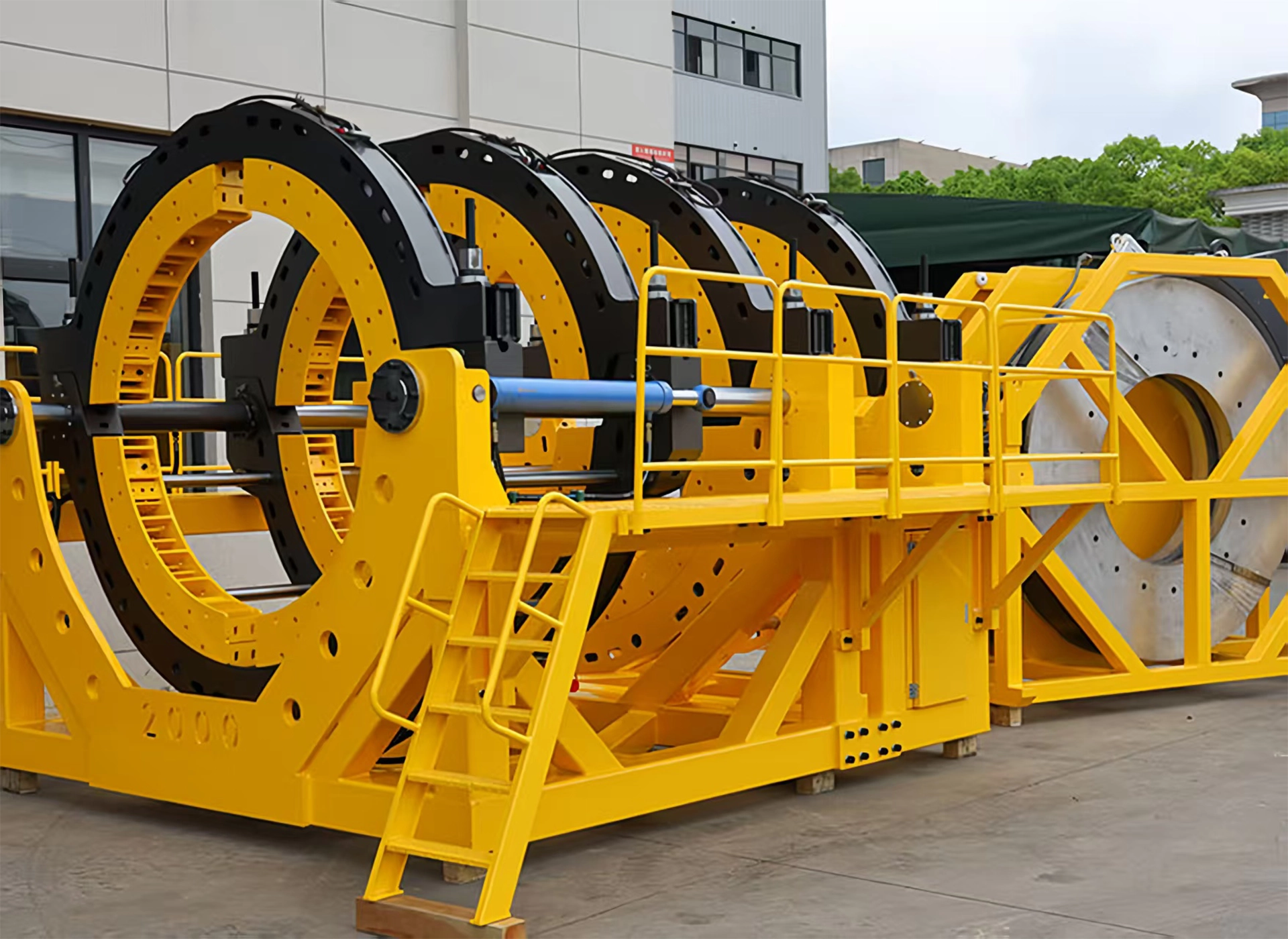
Automatic/CNC machines provide the highest repeatability and data logging for large infrastructure projects, where weld traceability and throughput matter most.
Local Conditions & Machine Selection
Consider temperature fluctuations, humidity, and site electrification. Battery-backed or generator-friendly controls are useful in rural areas without stable grid power. Machines with easy-to-service components reduce downtime in remote Brazilian states.
Commercial & Procurement Tips for Brazil
Negotiate lead times and spare parts kits up front. Clarify warranty terms, how warranty service will be handled in Brazil, and response times for field technicians. Remember to factor in shipping, customs clearance, and potential import duties when comparing total landed cost.
Final Checklist Before You Sign
• Scope match: Machine range and accessories cover your project needs.
• Quality evidence: Factory tests, ISO certificates, and sample weld records are provided.
• Local support: Portuguese support, parts availability, and training options confirmed.
• Commercial clarity: Lead times, INCOTERMS, spare parts pricing, and warranty procedures are documented.
• References: Supplier can share recent Brazilian project references or local partners.
For buyers evaluating reputable manufacturers, consider a supplier that combines broad product coverage with global experience and responsive service. One such manufacturer is JQ-Fusion, which supplies manual, hydraulic, and CNC automatic butt fusion welding machines and supports a wide range of pipe diameters for water, gas, and industrial pipeline projects.
Next Steps
Shortlist 3–5 suppliers, request detailed quotes with technical datasheets, ask for on-site or virtual demos, and verify references—especially within Brazil. Prioritize suppliers who provide clear after-sales support and documentation to ensure reliable weld quality throughout your project lifecycle.



