
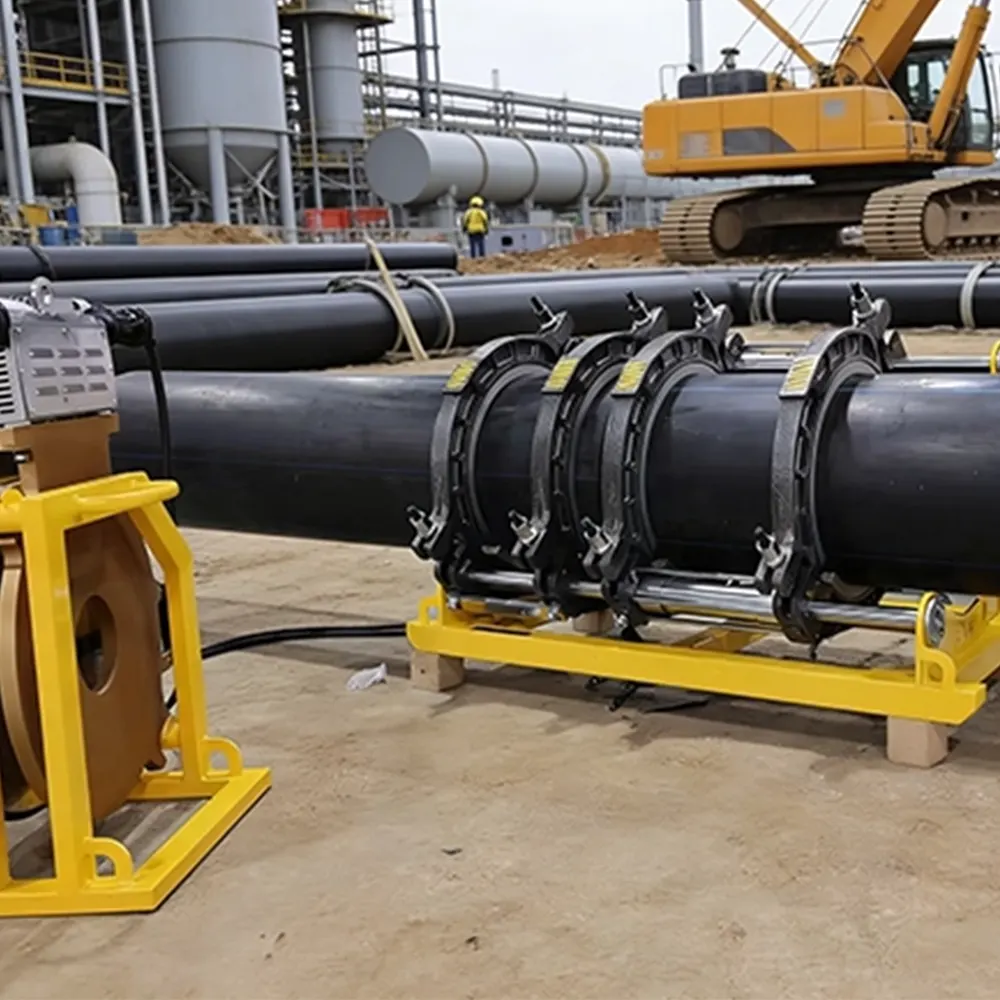
Selecting the best electrofusion welding machine is a critical decision for any pipeline project, impacting efficiency, joint integrity, and long-term system reliability. While electrofusion is a specific method for joining polyethylene pipes using integrated heating coils, the broader category of plastic pipe welding—including butt fusion—often requires contractors to evaluate their entire equipment portfolio. The right machine is not just about the brand name; it’s about matching technical specifications, project demands, and long-term support to ensure seamless operations.
Core Factors in Choosing Your Welding Machine
Before diving into specific models, it’s essential to establish your project’s non-negotiable requirements. These parameters will immediately narrow down your choices and guide you toward a suitable machine.
Pipe Diameter Range: The machine must accommodate the smallest and largest pipe sizes in your current and foreseeable projects. Electrofusion machines are typically rated for specific diameter ranges.
Power Source & Voltage: Consider the available power on-site (e.g., 110V, 220V, 380V, or generator use). Compatibility is crucial for operational flexibility.
Automation Level: From basic manual units to fully automated CNC machines that control pressure, temperature, and time. Higher automation reduces human error but increases initial investment.
Portability & Weight: For field operations in remote or confined spaces, a compact, lightweight design is invaluable. Factory-based projects might prioritize stationary, heavy-duty units.
Evaluating Machine Quality and Performance
Once you’ve defined your basic needs, assess the machine’s build quality and performance guarantees. This is where manufacturer reputation becomes paramount.
A high-quality machine ensures consistent heating, accurate pressure application, and perfect alignment. Look for features like digital temperature control with precise thermostats, robust hydraulic or mechanical clamping systems that prevent pipe slippage, and intuitive control panels that log welding parameters for quality assurance. The consistency of the weld bead is a direct indicator of machine performance. For comprehensive fusion solutions, many professionals also evaluate a reliable butt fusion machine to handle different joining requirements within the same project.
Key Performance Indicators:
✔ Temperature Accuracy: Must maintain ±2°C or better for proper material fusion.
✔ Pressure Consistency: Hydraulic systems should be leak-free and provide stable, repeatable force.
✔ Alignment Precision: Misalignment is a primary cause of weld failure; clamps and faces must be machined to perfection.
✔ Data Logging: Essential for traceability, especially in regulated industries like gas and water.
The Importance of Manufacturer Support and Customization
The machine’s hardware is only part of the equation. The manufacturer’s support ecosystem can make or break your project’s success.
Choose a supplier with a proven track record of technical support, readily available spare parts, and comprehensive operator training. The ability to provide OEM/ODM customization is a significant advantage, allowing you to tailor machines for unique project specs, branding, or voltage requirements. A manufacturer with strong global logistics ensures you get parts or replacement units quickly, minimizing costly project downtime. Companies like JQ-Fusion, with decades of specialization, often build this level of support into their customer partnerships.
Application-Specific Considerations
Your industry and application dictate specific needs. A machine perfect for municipal water lines might not be ideal for a high-pressure industrial mining project.
Water Supply & Drainage: Focus on corrosion-resistant components and machines suitable for a wide range of pipe grades (PE80, PE100).
Gas Distribution: Requires the highest safety standards, impeccable data logging, and often machines certified for use in this critical sector.
Mining & Industrial: Demands extreme durability, reliability in harsh environments, and the ability to handle large diameters and thick walls.
Telecommunications (Conduit): Often involves smaller diameters and high-volume joins, where speed and setup efficiency are key.
Understanding these nuances helps in selecting a machine that not only works but thrives in your specific operational environment. Exploring the full product range of a specialist manufacturer can provide insights into which machine type—whether electrofusion, butt fusion machine, or a multi-angle welder—is optimal for each segment of your work.
Total Cost of Ownership vs. Initial Price
The cheapest machine can become the most expensive due to failures, repairs, and poor weld quality. Analyze the Total Cost of Ownership (TCO).
Initial Investment: Purchase price of the machine and standard accessories.
Operational Costs: Energy consumption, routine maintenance kits, and replacement heating plates or tooling.
Downtime Costs: The most critical factor. Machine failure during a project leads to labor idling and missed deadlines. Reliability is an investment.
Training & Support Costs: Factor in the availability and cost of operator training and technical support.
A machine from an established manufacturer with strict quality control might have a higher upfront cost but delivers a far lower TCO through years of reliable, trouble-free service.
Frequently Asked Questions (FAQs)
What is the main difference between electrofusion and butt fusion welding?
Electrofusion uses fittings with embedded heating coils that are energized to melt and fuse the pipe and fitting together. Butt fusion involves heating the plain ends of two pipe sections on a hot plate and then pressing them together. Butt fusion is generally used for straight pipe joins, while electrofusion is ideal for fittings, repairs, and confined spaces.
Can one machine weld all different sizes of pipes?
Most machines are designed for a specific range of diameters. You would need different clamping inserts or tooling kits to cover a very wide range (e.g., from 50mm to 800mm). Some manufacturers offer modular systems that can be adapted, but it’s crucial to confirm the machine’s capability for your entire required range.
How important are manufacturer certifications like SGS?
Extremely important. Certifications from bodies like SGS verify that the machine is manufactured to international safety and quality standards (e.g., ISO, EN). This is often a mandatory requirement for tenders on public utility projects and provides assurance of the machine’s performance and safety.
What kind of after-sales support should I expect?
You should expect access to detailed operation manuals, instructional videos, readily available spare parts, and responsive technical support (via phone, email, or remote assistance). The best suppliers offer comprehensive training programs for your operators.
Is customization really available for welding machines?
Yes, reputable manufacturers with strong engineering teams often provide OEM/ODM services. This can include custom voltage settings, branding, specialized configurations for unique fittings, or even machine color. This is particularly valuable for large contractors or distributors looking to standardize their fleet.



