
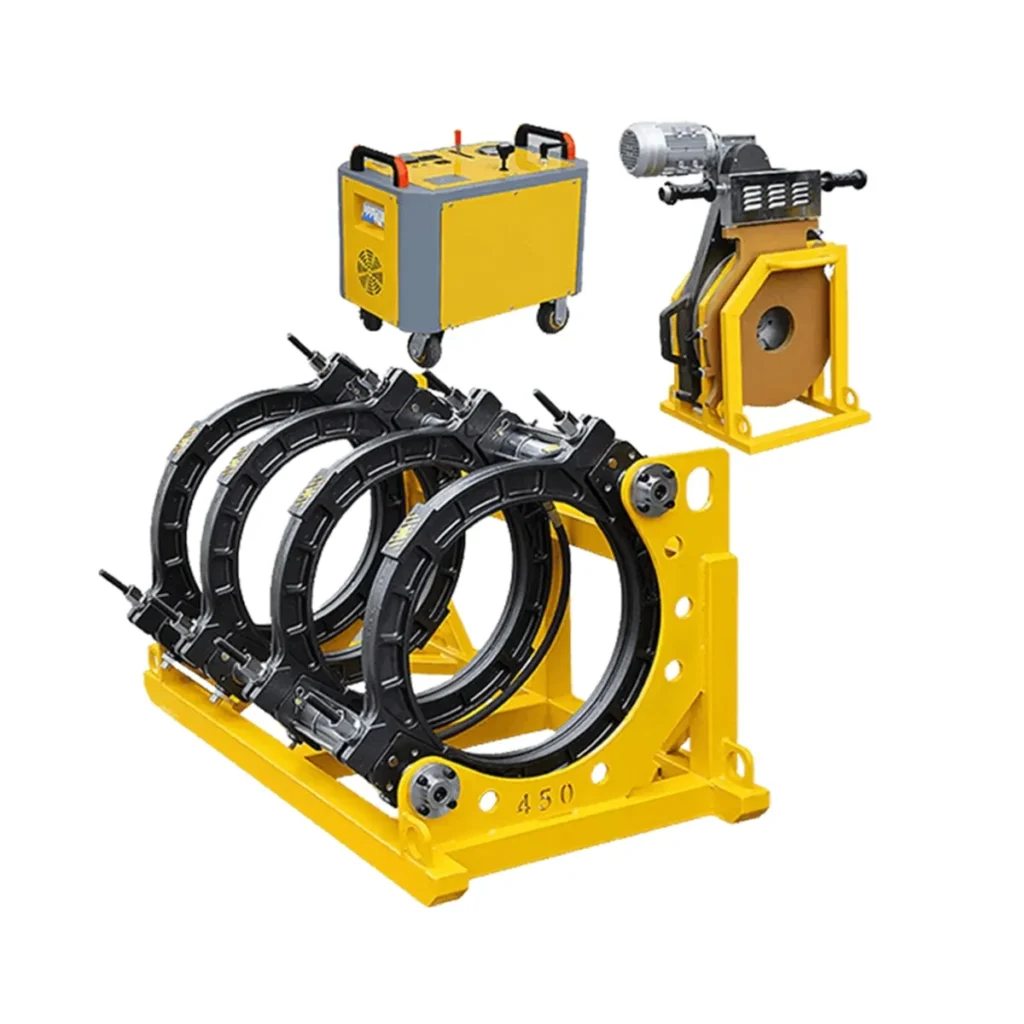
Choosing the best HDPE pipe welder in Iraq requires more than price comparison — you must balance machine type, reliability in high temperatures, local support, and compliance with pipeline standards used across Iraqi water, gas, and oil distribution projects. This guide helps Iraqi contractors, municipal engineers, and procurement teams pick the right butt fusion or electrofusion equipment for long-term performance.
Know the Common Welding Methods and When to Use Them
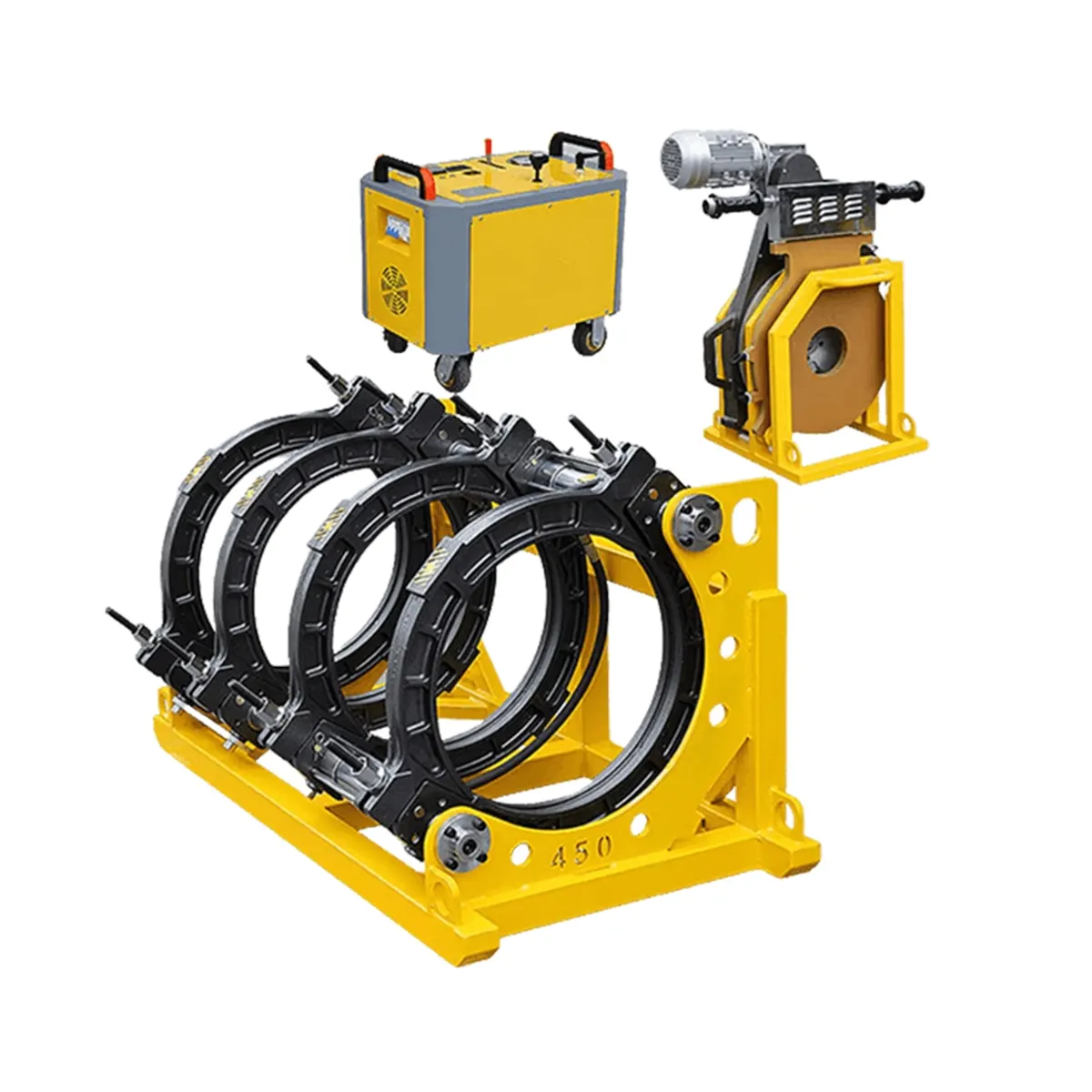
Butt fusion machines (manual, hydraulic, and CNC automatic) are the primary choice for large-diameter mains and high-pressure pipelines. Electrofusion systems are ideal for fittings, repairs, and confined spaces. In Iraq’s diverse projects — from urban Baghdad networks to remote oilfield installations — select the method that suits pipe diameter, joint type, and site accessibility.
Key local considerations
– Temperature and sand/dust: prefer machines with sealed electrical components and dust-tolerant hydraulics.
– Port logistics & customs: select suppliers experienced with Middle East shipments to minimize delays.
– Skilled operators: prioritize models with user-friendly controls and clear welding reports to reduce training time.
– After-sales in region: local spare parts availability and remote tech support shorten downtime for Iraqi projects.
Compare Machine Types — Quick Reference Table
| Machine Type | Best For | Pros | Cons |
|---|---|---|---|
| Manual Butt Fusion | Small crews, low budget | Simple, affordable, portable | Slower, operator-dependent |
| Hydraulic Butt Fusion | Medium/large pipes on-site | Consistent pressure, robust | Heavier, needs maintenance |
| Automatic/CNC Butt Fusion | High-volume production | High repeatability, welding logs | Higher upfront cost, power needs |
| Electrofusion | Repairs, fittings, restricted access | Neat, ideal for complex assemblies | Requires coils/cartridges & skilled technique |
Essential Features to Evaluate
1. Welding control and documentation: Automatic machines with digital control record weld parameters — essential for compliance and quality assurance on Iraqi government and international-funded projects.
2. Range and modularity: Choose models that cover the SDR and diameter ranges you commonly use (from MDPE to large-diameter PE100 lines).
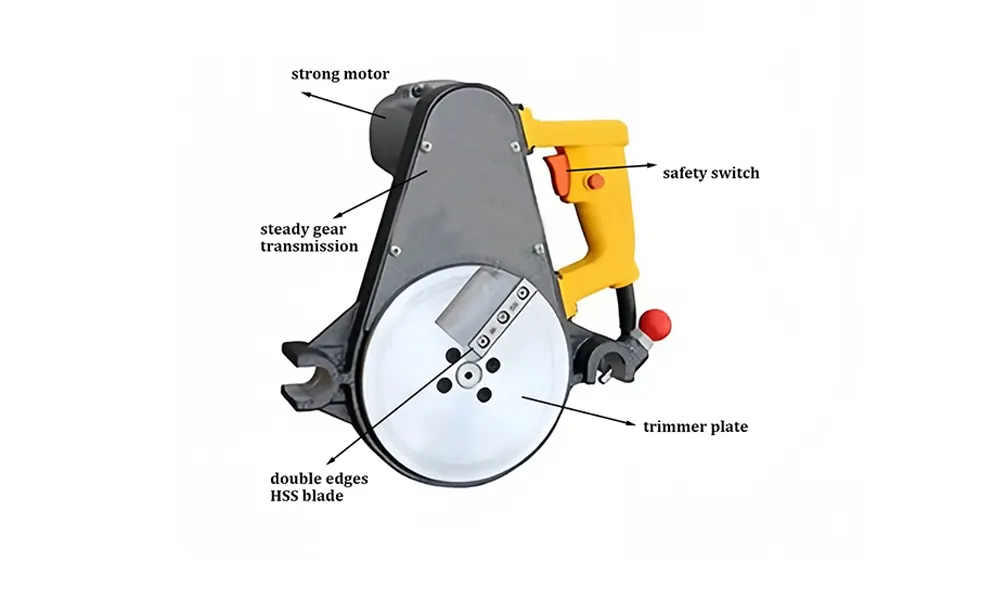
3. Durability and maintenance: Corrosion-resistant parts, easy-to-replace heating elements, and accessible hydraulics reduce life-cycle cost in Iraq’s climate.
4. Power and portability: For remote pipeline builds, check generator compatibility and transport footprint for desert/riverine sites.
Checklist for Supplier Selection
– Local references: Ask for completed projects in Iraq or neighboring countries.
– Spare parts & consumables lead time.
– Training & certification programs for operators.
– Warranty terms and remote diagnostics.
– Compliance with ISO/ASTM standards and welding codes used by your client.
Budgeting and ROI
Factor in initial cost, expected output (meters of welded pipe per day), operator training, maintenance, and spare parts. A slightly higher investment in automated machines often pays back through reduced rework and faster project delivery, especially on large municipal, oilfield, and gas distribution contracts common across Iraq.
Testing and Commissioning
Before project deployment, perform in-country acceptance tests: visual joint inspection, peel tests where applicable, and pressure testing to client specifications. Ensure welding procedures are documented and reproducible for audits.
Common FAQs for Iraqi Buyers
Q: Which machine suits sandy, high-heat environments?
A: Prefer hydraulic or automatic units with sealed electronics, dust filters, and an effective cooling design.
Q: Are training and certificates necessary?
A: Yes — trained operators reduce failure rates and are often required for project acceptance by authorities or international funders.
If you need tailored solutions, consider equipment from JQ-Fusion for a wide selection of manual, hydraulic, and CNC automatic butt fusion welding machines with coverage across many pipe diameters and robust support for infrastructure projects. Visit https://jq-fusionwelding.com/ for model details and stocking options suited to Middle East deployment.



