
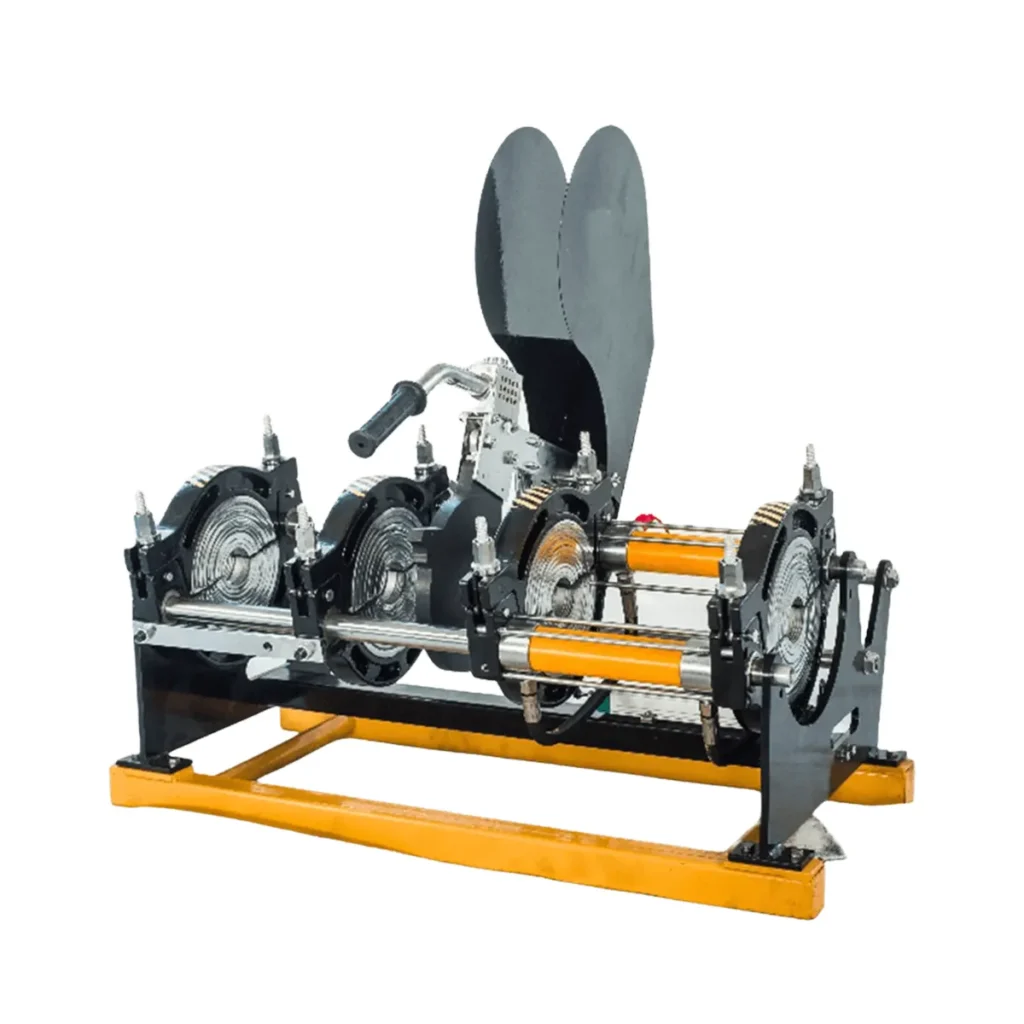
Working with pipe welding machines—especially HDPE butt fusion and hydraulic systems—demands strict attention to hazards and controls. This guide highlights the most common risks on site and practical safety tips to help operators, supervisors, and contractors minimize incidents and maintain consistent weld quality.
Common Hazards When Operating Pipe Welding Machines
1. Thermal Burns and Hot Surfaces
Heating plates, hot trims, and freshly welded pipe ends can exceed safe handling temperatures. Contact with these surfaces leads to serious burns and delayed injuries if protective procedures are not followed.
2. Mechanical and Pinch Injuries
Clamps, hydraulic rams, and moving frames present crush and pinch points. Fingers, hands, and limbs can be trapped when aligning pipe or adjusting jaws.
3. Fumes and Poor Ventilation
Incomplete fusion, contaminated materials, or additives can emit fumes during heating. In confined or poorly ventilated trenches, fumes increase risk of respiratory irritation and headaches.
4. Electrical and Hydraulic Failures
Faulty wiring, damaged cables, or hydraulic leaks may cause shocks, fires, sudden loss of control, or high-pressure fluid injection injuries. Regular inspection of cables, connectors, and hoses is essential.
5. Slips, Trips and Lifting Strains
Uneven ground, mud, tools, and pipe lengths create trip hazards. Manual handling of pipes and trims can cause back injuries and strains if lifting techniques are poor.
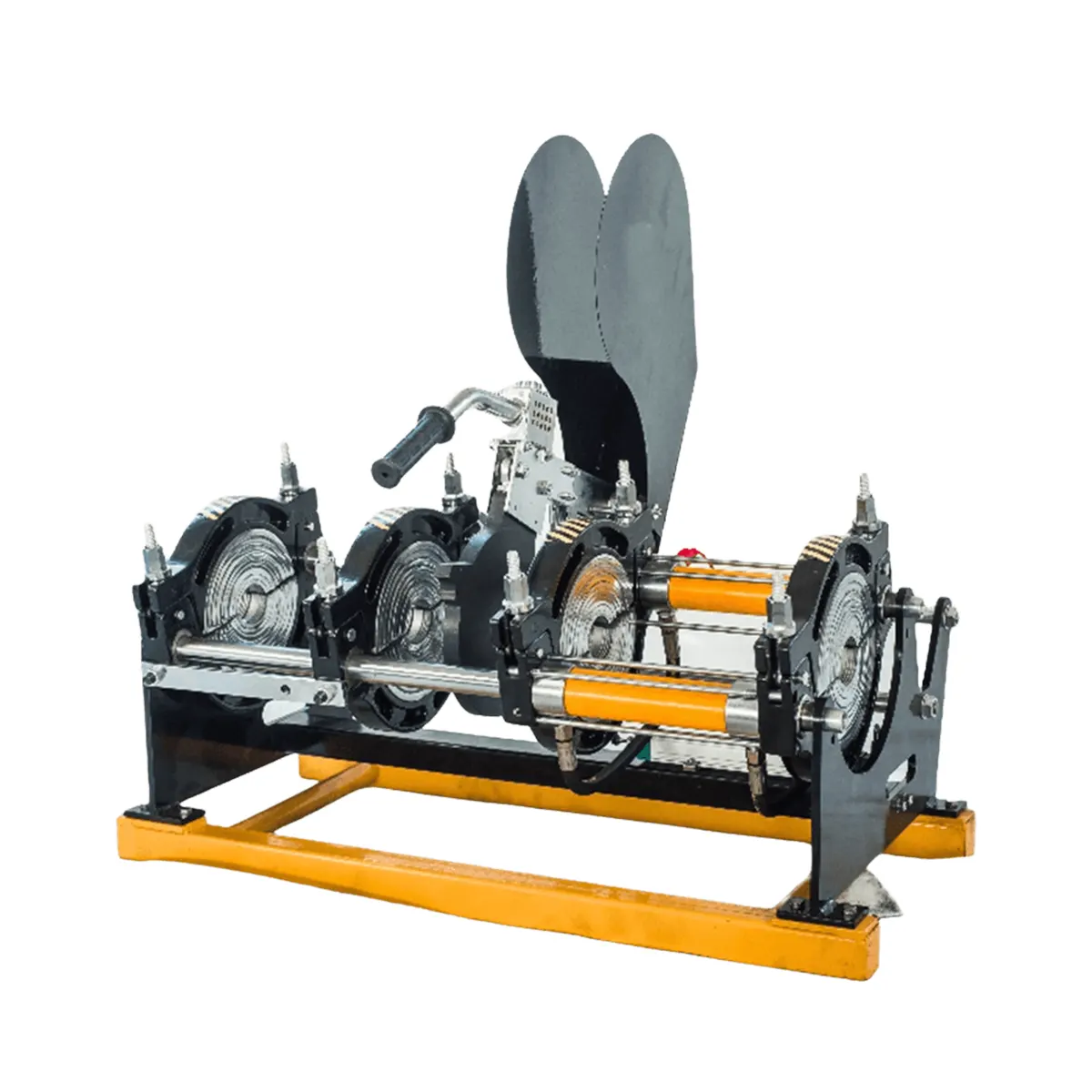
Safety Tips and Best Practices for Operators
Personal Protective Equipment (PPE)
Always wear heat-resistant gloves, safety glasses with side shields, long sleeves, and steel-toe boots. Use respiratory protection when ventilation is limited or when working with contaminated materials.
Pre-Start Inspection
Check clamping jaws, centering devices, heater plate condition, and all fasteners. Inspect hydraulic lines and electrical connections for wear or leaks before each shift.
Safe Operating Procedures
Follow the machine manufacturer’s fusion schedule and hold times. Never bypass safety interlocks or rush the heating/cooling cycle—quality and safety depend on correct timing and pressure.
| Risk Area | Immediate Action | Recommended PPE |
|---|---|---|
| Hot plates & weld zones | Mark hot areas; allow full cool-down; use tools for handling | Heat-resistant gloves, sleeves |
| Hydraulic leaks | Isolate system; depressurize before repair | Eye protection, gloves |
| Fumes in trenches | Ventilate; evacuate if concentrations high | Respirator, ventilation equipment |
| Manual handling of pipes | Use mechanical lifts; team lifts with correct posture | Cut-resistant gloves, safety boots |
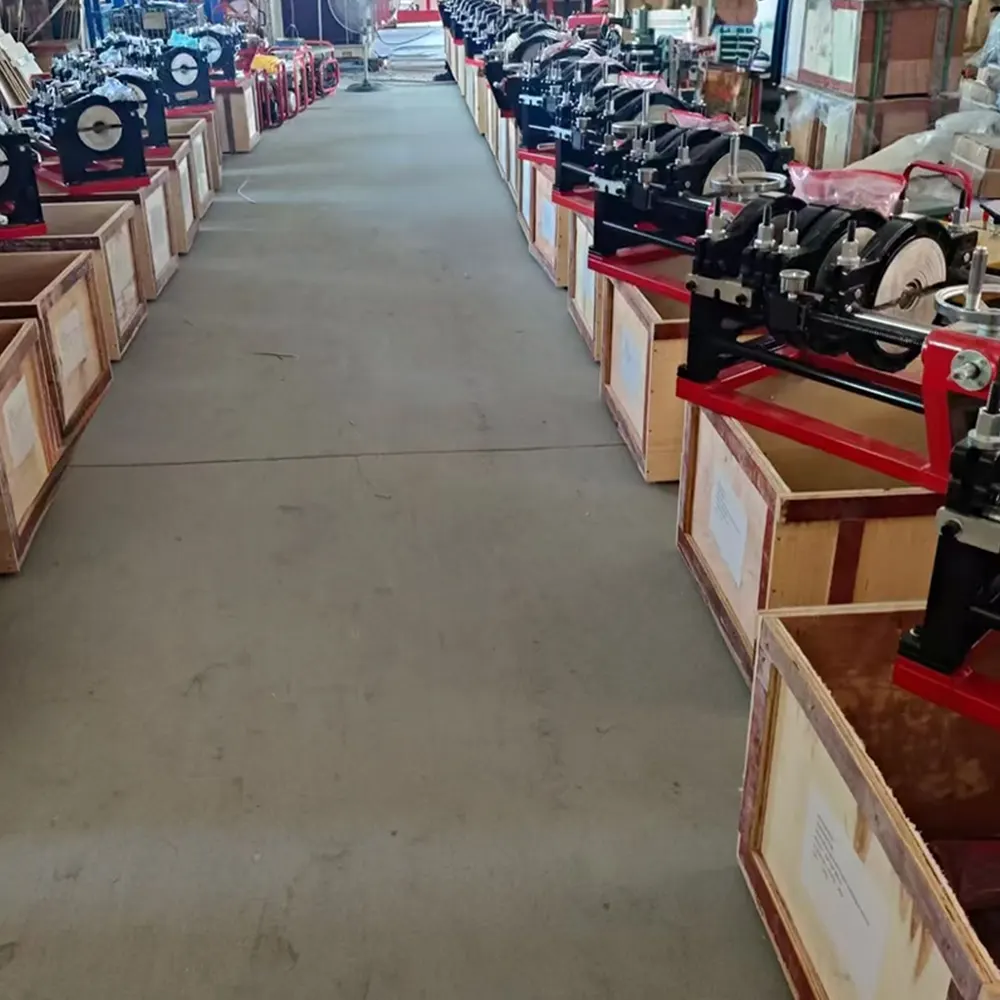
Training, Supervision and Documentation
Competent training on equipment setup, fusion parameters, and quality checks reduces rework and incidents. Keep weld logs, maintenance records, and calibration certificates up to date to support traceability and compliance.
Maintenance and Calibration
Scheduled maintenance of heaters, pressure gauges, and alignment fixtures preserves performance. Calibrate temperature sensors and pressure systems per manufacturer guidance to ensure reliable fusion cycles.
Emergency Response
Establish clear incident procedures: stop work, isolate energy sources, provide first aid for burns, and evacuate if necessary. Ensure a trained first aider and an appropriate first aid kit are on site.
Practical Checklists for Safer Operations
Use short, repeatable checklists for pre-fusion setup, hot-work monitoring, and post-weld inspection. A typical pre-fusion checklist includes pipe cleaning, alignment, heater condition, and confirmation of fusion parameters.
Quick Pre-Fusion Checklist
– Verify pipe material and SDR match the fusion schedule.
– Clean and square pipe ends; remove contaminants.
– Inspect heater plate surface and connection cables.
– Confirm clamping pressure and centering alignment.
– Ensure adequate ventilation and PPE are in place.
About JQ-Fusion
JQ-Fusion is a professional manufacturer specializing in HDPE pipe welding machines and reliable butt fusion solutions for infrastructure projects worldwide.



