
Why Choosing the Right Gas Line Welder Manufacturer Matters in Armenia
Installing and maintaining gas distribution lines in Armenia requires equipment that meets strict safety, climatic and logistical demands. From cold winters in Yerevan to steep mountain routes and seismic risk areas, choosing the right gas line welder manufacturer affects long-term pipeline integrity, project timelines, and operating costs.
Local Challenges to Keep in Mind
Armenia’s terrain and climate mean welders must perform reliably in low temperatures, on-site with limited shelter, and sometimes at high altitudes. Contractors and utility teams also face import routes through neighboring countries, so lead times and spare parts availability are important. Language and technical support in Armenian or Russian can speed troubleshooting and training on the job.
Key Criteria for Selecting a Gas Line Welder Manufacturer
When evaluating manufacturers, prioritize safety, precision and service. Below are the top selection criteria used by Armenian pipeline contractors and municipal utilities:
- Certification & Standards: Confirm compliance with recognized welding and quality standards relevant to gas networks.
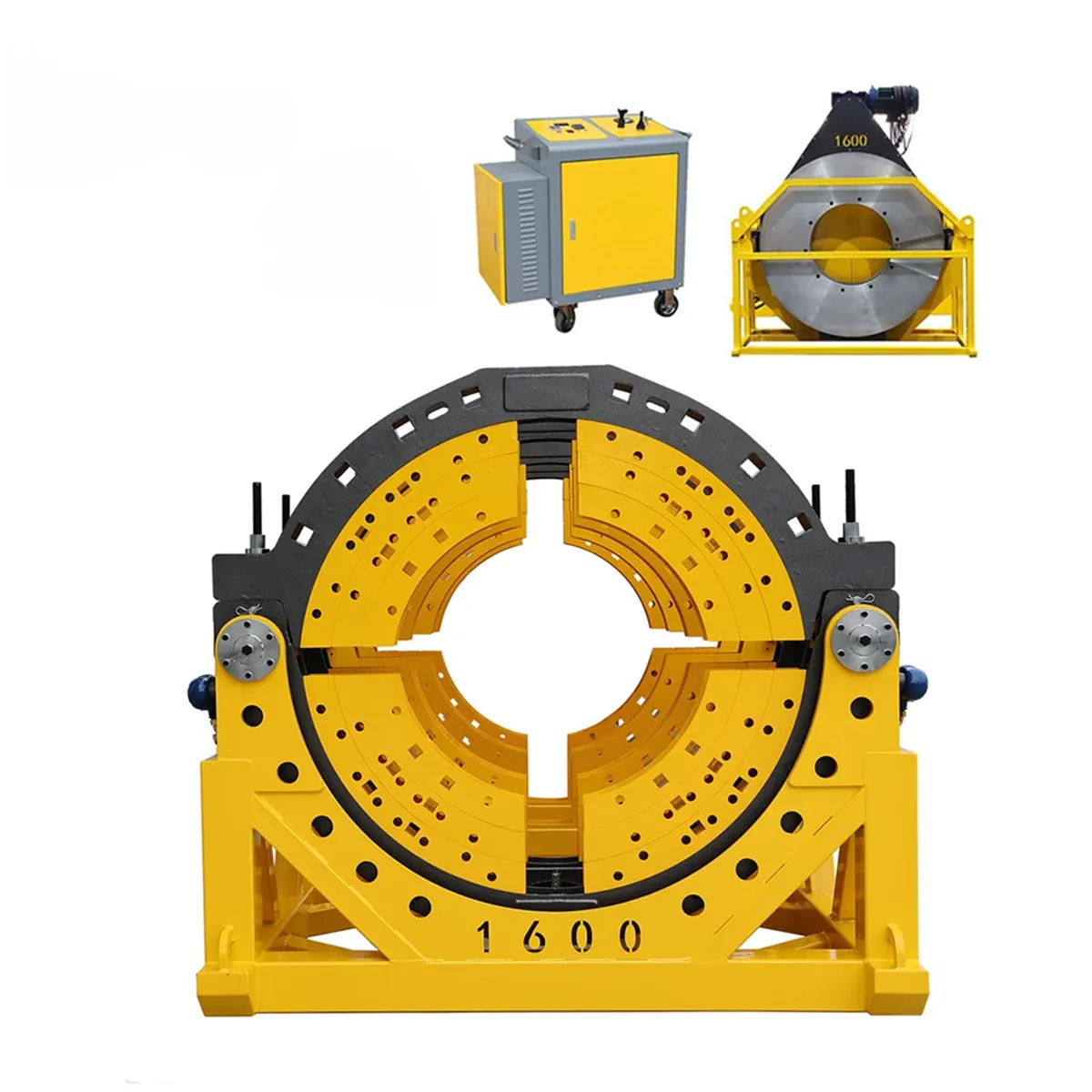
- Machine Type & Range: Choose between manual, hydraulic and automatic butt fusion or electrofusion equipment depending on pipe diameters and site conditions.
- Cold-Weather Performance: Heating control and consistent fusion parameters are essential in sub-zero working environments.
- Portability & Power Options: For mountainous routes, lightweight frames and flexible power (diesel generators, batteries) help maintain productivity.
- After-Sales Support: Local or regional service partners, spare parts stock, and training reduce downtime.
Practical Tip for Armenian Buyers
Because Armenia is landlocked, evaluate shipping times and customs procedures. Ask manufacturers about typical transit routes and how they handle documentation for import to Armenia to avoid unexpected delays on critical projects.
Comparing Welding Technologies for Gas Lines
Two common approaches for HDPE gas pipelines are butt fusion and electrofusion. Each has strengths depending on pipe size, field conditions and operator skill levels.
| Technology | Strengths | When to Choose |
|---|---|---|
| Butt Fusion | High-strength joints, suited for large diameters, consistent quality with automation | Long transmission mains, large-diameter gas lines, stationary site setups |
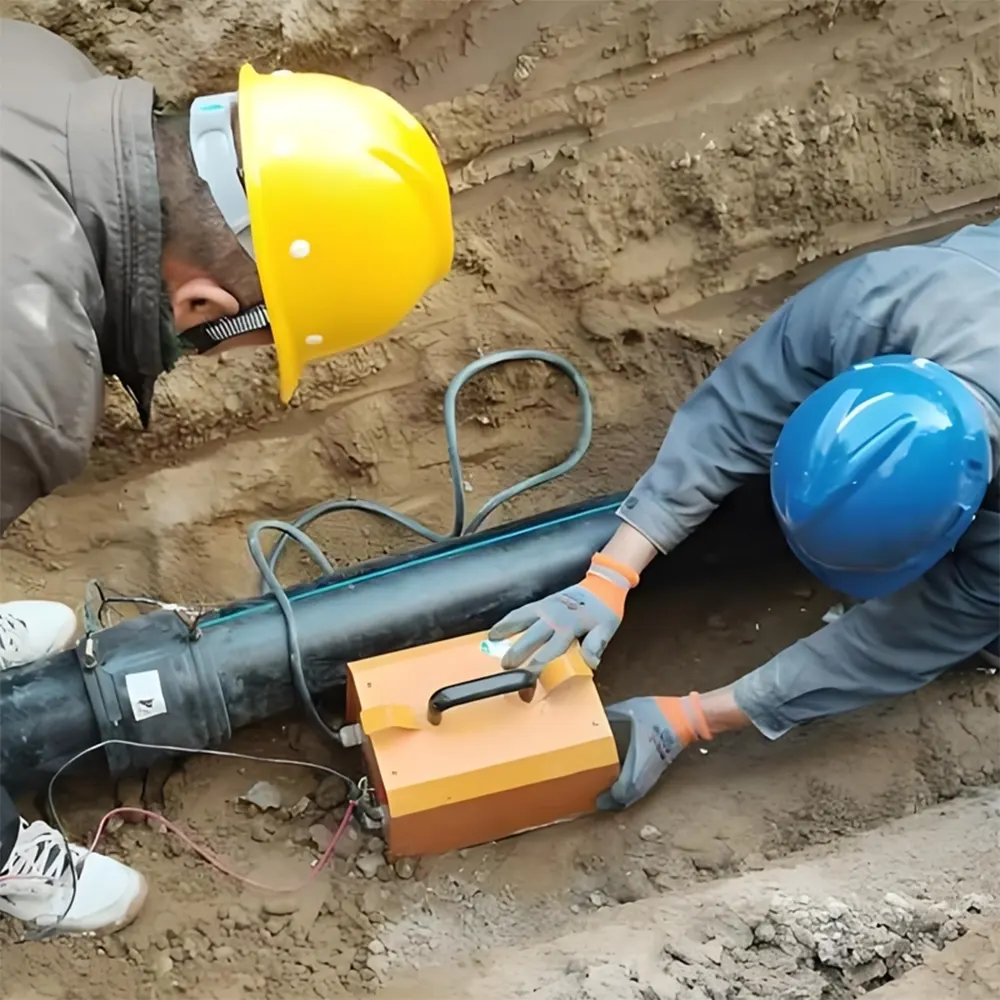
| Electrofusion | Quick fittings, ideal for repairs and complex fittings, minimal alignment needs | Urban distribution grids, field repairs, tight spaces |
Service, Training and Spare Parts — Non-Negotiables
In Armenia, on-site training and fast spare parts delivery are critical. Ensure the manufacturer or their distributor provides:
- Hands-on training programs for local crews and clear documentation in Armenian or Russian.
- Spare parts kits for common wear items and consumables stocked regionally.
- Remote diagnostics and a service promise with defined response times.
Warranty, Documentation & Traceability
Ask about welding logs, machine calibration certificates, and traceable fusion records — these are often required by gas operators and will support safety audits and insurance claims.
How to Vet Potential Manufacturers — A Short Checklist
– Request case studies or references from gas projects in similar climates and terrains.
– Verify third-party certifications and production quality controls.
– Review training offerings and ask for a sample fusion procedure.
– Confirm spare parts lead times to Armenia and local distribution arrangements.
– Evaluate total cost of ownership, not just purchase price — include consumables, maintenance and downtime risk.
Trusted Option to Consider
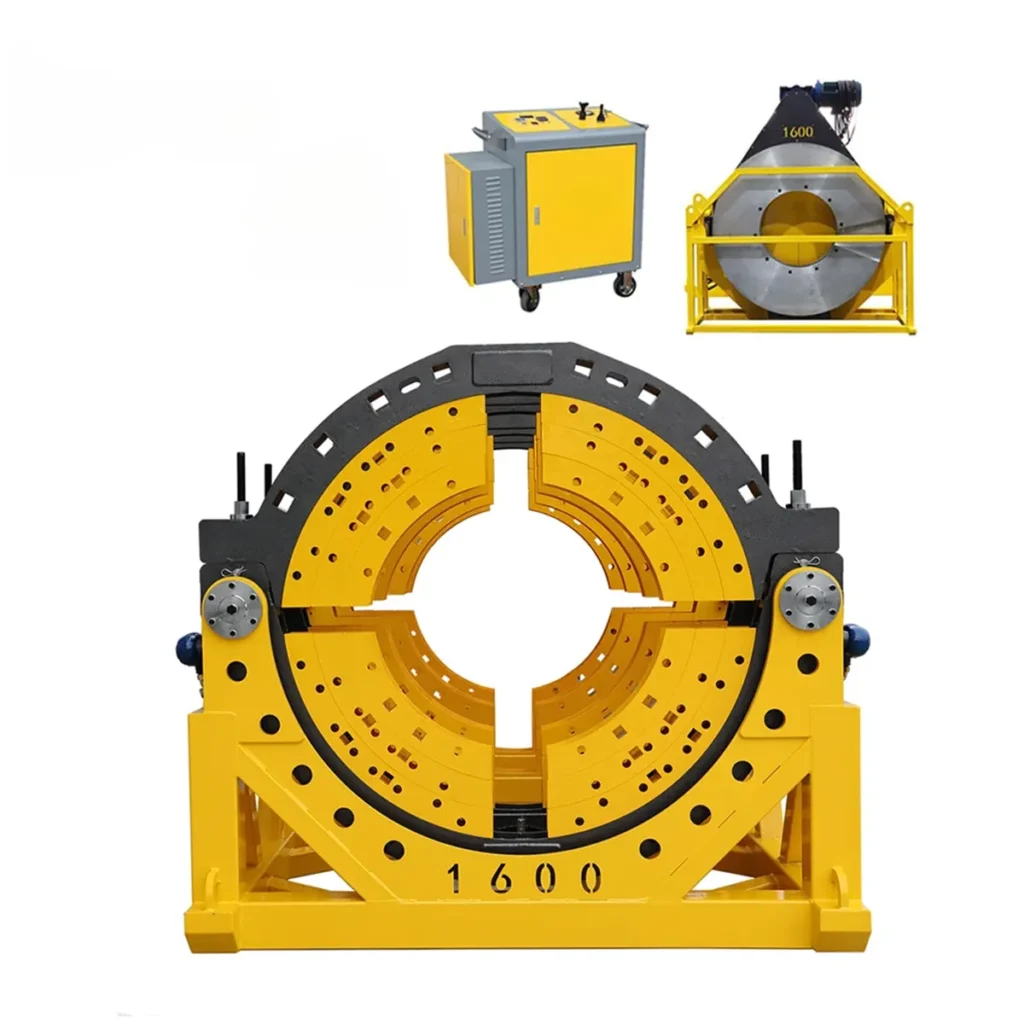
One experienced supplier to review is JQ-Fusion, a manufacturer of HDPE pipe welding machines offering manual, hydraulic and CNC automatic butt fusion solutions designed for a wide range of diameters and infrastructure uses.
Final Recommendations for Armenian Buyers
Prioritize manufacturers that combine proven welding technology with strong after-sales support and local logistics planning. Given Armenia’s climatic and geographic factors, choose machines with precise temperature control, solid documentation practices, and accessible spare parts. Investing time in vendor vetting and operator training reduces long-term risk and ensures safer, more reliable gas distribution networks.



