
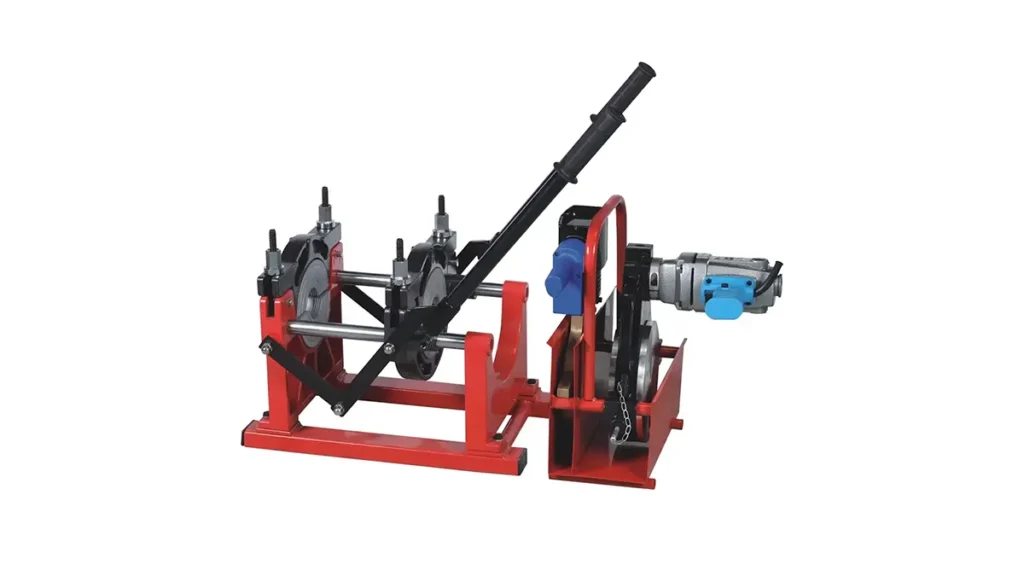
Choosing the right polyethylene welding machine can make or break an HDPE piping project. From small service lines to large-diameter mains, selecting a model that matches pipe size, site conditions, and production targets saves time, cuts rework, and ensures reliable joints. This guide walks you through practical criteria, machine types, and a concise model comparison to help you pick the ideal machine for your next project.
Assess Your Project Needs
Start with pipe diameter and material: determine maximum and minimum OD, SDR class, and whether pipes are PE80 or PE100. Larger diameters typically require hydraulic or CNC automatic butt fusion units, while small-to-medium lines can often be handled by manual or compact hydraulic machines.
Production vs. Portability
If you need continuous high-output work (pipeline contractors, municipal mains), prioritize automatic or semi-automatic machines with cycle timers and data logging. For service teams and remote sites, portability, simple setup, and low power requirements are more important.
Site Conditions & Power
Consider access, terrain, and available power. Battery-operated or low-voltage hydraulic units suit remote construction, while shop or plant installations can use heavy-duty hydraulic or CNC machines with industrial power.
Polyethylene Welding Machine Types
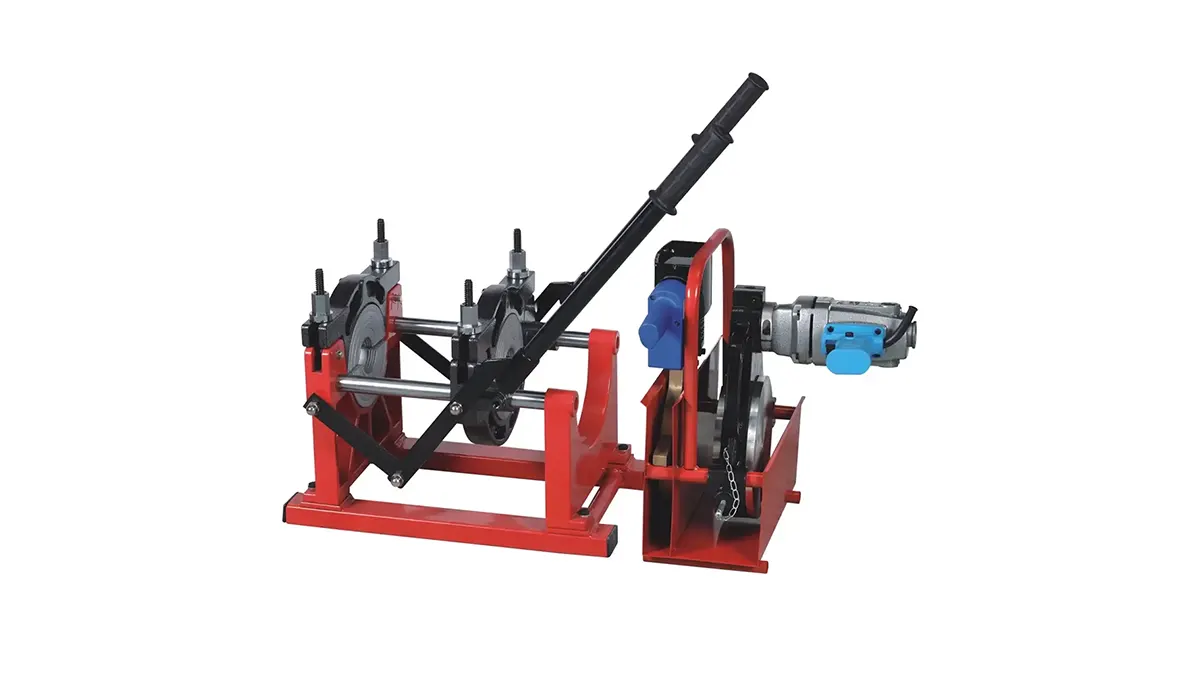
Manual Butt Fusion
Simple, cost-effective units for low-volume welding of smaller diameters. Ideal for repair crews and small contractors. Requires experienced operators to ensure consistent bead formation and joint quality.
Hydraulic Butt Fusion
Offers higher clamping force and stability for medium to large pipes. Hydraulic frames reduce operator fatigue and improve axial alignment for repeatable weld quality under varied site conditions.
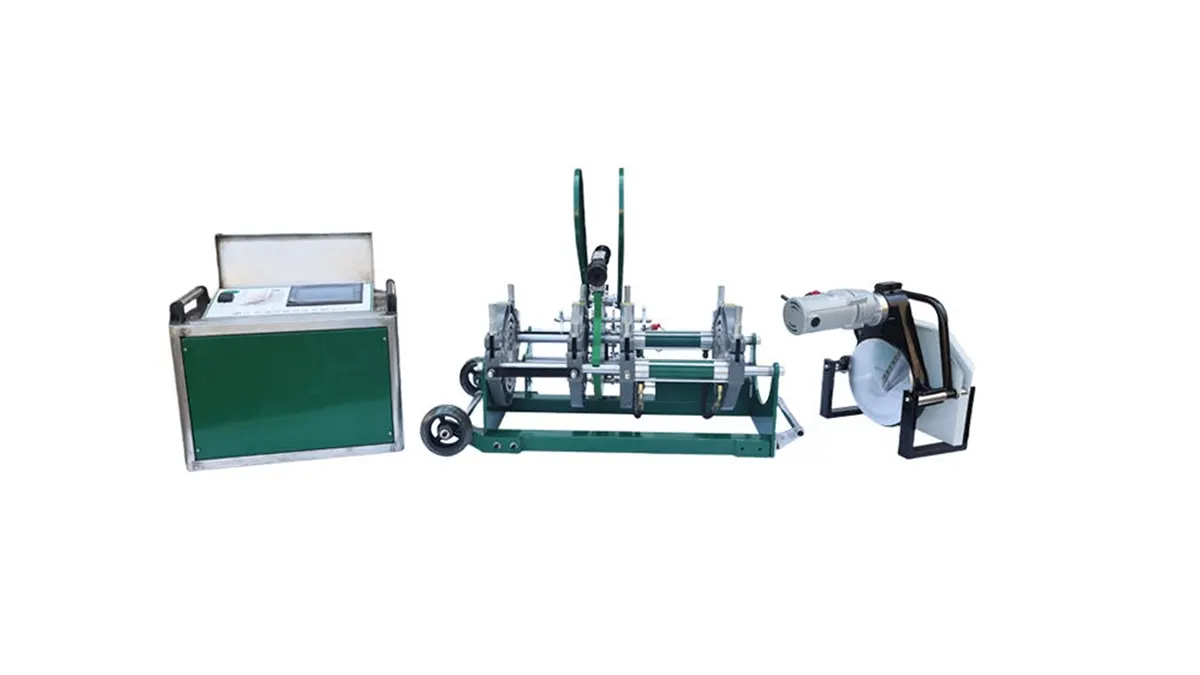
Automatic / CNC Butt Fusion
Best for high-volume projects and large diameters. Built-in controllers manage heating, pressure, and cooling cycles, produce weld reports, and minimize human error—critical for utility-scale infrastructure.
Electrofusion Machines
Used for fittings and repair couplers. Control units range from portable handheld testers to bench models with programmable profiles for consistent fusion of electrofusion fittings.
Quick Model Comparison
| Model Type | Typical Pipe Range | Automation Level | Best For |
|---|---|---|---|
| Manual (e.g., JQSY/JQST) | 20mm – 315mm | Low | Repairs, small crews |
| Hydraulic (JQH series) | 63mm – 2250mm+ | Medium | Mains, medium pipelines |
| Automatic / CNC (JQA series) | 63mm – 2000mm+ | High | Large projects, high throughput |
| Electrofusion (JQEA/JQEB) | Couplers & fittings | Variable | Service connections, fittings |
Key Specifications to Compare
Clamping & Alignment
Look for precise alignment systems and rigid clamp jaws to prevent misalignment during heating. Good clamp stability reduces cold welds and rejects.
Heating Plate Quality
High-quality PTFE-coated heaters and even temperature control ensure uniform melt layers. Replaceable plates and quick-change features speed up maintenance.
Control & Traceability
Digital controllers with weld logging and password-protected profiles support QA/QC and are required for regulated utility projects. Traceable reports minimize disputes and warranty claims.
Power & Hydraulics
Check power compatibility, hydraulic pressure ratings, and whether the unit includes a portable powerpack. Higher-pressure systems are necessary for very large diameters and thick walls.
Practical Tips for Buyers
– Match the machine to the busiest expected pipe size rather than the occasional outlier to avoid overspending.
– Factor training and consumables into the total cost of ownership—operator skill influences weld quality as much as the machine.
– Request sample weld logs and ask about spare part availability and lead times for replacement parts.
Maintenance & Support
Routine calibration of heating plates, inspection of hydraulic seals, and controller firmware updates keep machines in top condition. Ask suppliers about remote diagnostics, on-site service, and training packages.
Budgeting Considerations
Balance upfront cost against uptime and weld consistency. For recurring large projects, an automatic machine often pays back through reduced labor and fewer reworks. For intermittent work, a robust manual or hydraulic unit may be more economical.
Final Checklist Before Purchase
Confirm pipe range, automation level, power compatibility, portability needs, QA features, spare parts availability, and warranty terms. For tailored recommendations and configuration options, contact JQ-Fusion.



