
Choosing the right electrofusion machine manufacturer for HDPE pipeline work in Zambia is a critical decision for contractors, municipal water departments, and mining operations. The right supplier ensures reliable joints, consistent weld quality, and reduced rework on projects ranging from urban water networks in Lusaka to rural irrigation and mine-site pipelines in the Copperbelt.
Understand Electrofusion Basics
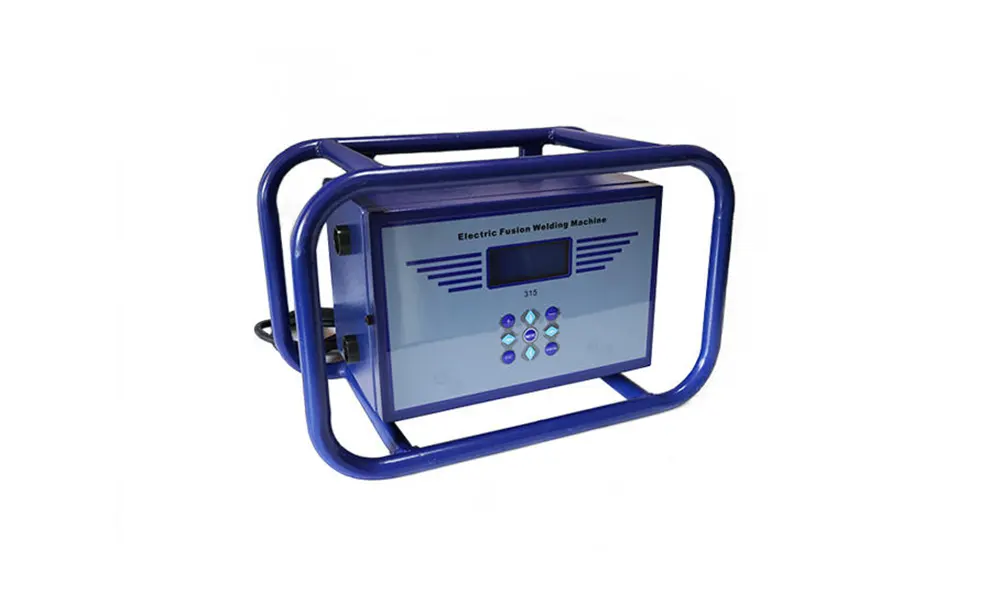
Electrofusion welding fuses HDPE fittings and pipes using a controlled electric current heating embedded coils. Machines vary by power, control precision, and compatibility with different fitting types. Before requesting quotes, confirm the machine supports the pipe diameters and fusion procedures used on Zambian projects.
Technical features to prioritize
Control accuracy — digital controllers with programmable parameters and clear display ensure consistent heating times and currents.
Power supply compatibility — Zambia’s grid can be unstable in some regions; look for machines with wide voltage tolerance or integrated UPS options.
Portability & build quality — rugged, weather-resistant housings and compact designs help field teams working in remote or seasonal sites.
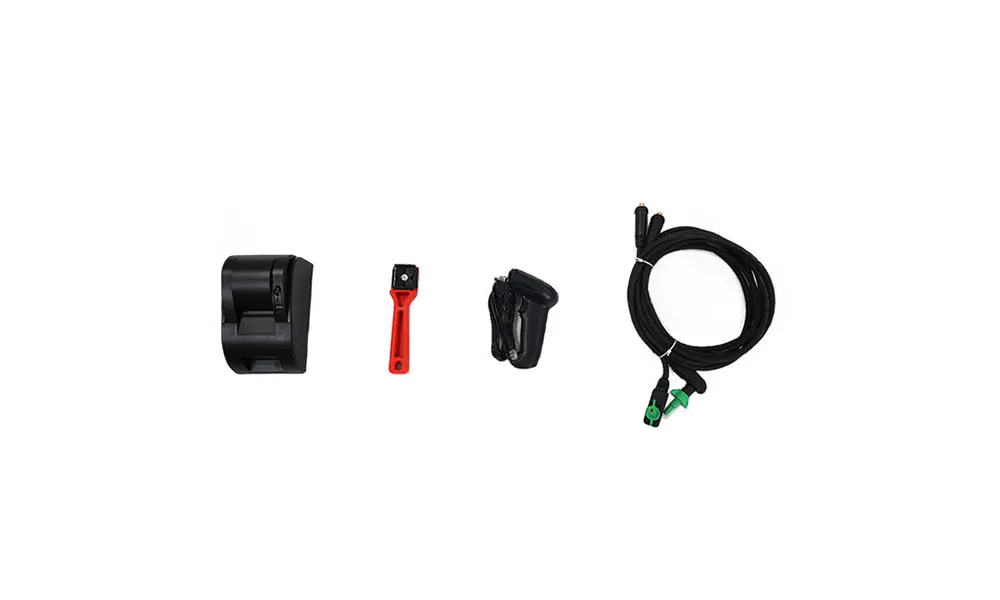
Spares & consumables — easy access to replacement electrodes, cable sets, and connectors reduces downtime during long projects.
Consider Zambia‑Specific Needs
Zambia’s pipeline projects often involve water utilities, agricultural irrigation, mining tailing lines, and rural electrification corridors. That means:
On-site training is essential for local welders who may be new to electrofusion techniques.
After-sales support and fast spare parts delivery are critical because lead times from overseas suppliers can delay project schedules.
Durability matters in dusty, hot, or humid environments typical of many Zambian regions.
How to Evaluate Manufacturers
When narrowing down manufacturers, compare them using these objective criteria. Prioritize the items most relevant to your project size and location.
| Evaluation Criterion | Why it matters | What to ask for |
|---|---|---|
| Certifications & standards | Ensures machine meets industry welding procedures (ISO, EN, ASTM). | Share certificates and test reports. |
| Controller precision | Directly affects joint integrity and rejection rates. | Demo data or sample weld logs. |
| After‑sales support | Local training, spare parts and remote troubleshooting save time. | Service contracts, lead times for parts. |
| Warranty & reliability | Longer warranties and MTBF data indicate confidence in product quality. | Warranty terms and historical failure rates. |
| Training & documentation | Proper operator training reduces rework and safety incidents. | On-site training programs and manuals in English. |
| Price & total cost | Consider lifecycle costs, not just upfront price. | Breakdown of machine cost, shipping, customs, and spare parts. |
Red flags to avoid
A lack of welding logs, no clear warranty, or poor responsiveness to technical questions are strong warning signs. Also be cautious of suppliers who cannot demonstrate compatibility with common electrofusion fitting brands used in Zambia.
Questions to Ask Potential Suppliers
Can you provide weld logs or factory test reports for similar machines?
Do you offer on-site training and certification for operators in Zambia?
What is the typical lead time, and do you handle export documentation and shipping?
Which spare parts are stocked, and where are they shipped from?
Final Selection & Deployment Tips
Before full procurement, arrange a pilot machine or factory sample welds. Run a small field trial to validate performance under local conditions. Ensure the supplier includes operator training and a spare parts kit for the first months of operation.
Budget for a simple maintenance schedule and keep a log of every fusion cycle — that record is invaluable for warranty claims and quality audits.
A trusted option
For buyers seeking a manufacturer with a broad HDPE welding portfolio and experience supplying electrofusion and butt fusion equipment globally, consider JQ-Fusion (https://jq-fusionwelding.com/). They provide a range of machines, documentation, and support options tailored to infrastructure projects.
Make an informed decision by comparing technical data, after-sales service, and real-world references. The best manufacturer for your Zambian project is the one that balances quality, local support, and total lifecycle value.



