
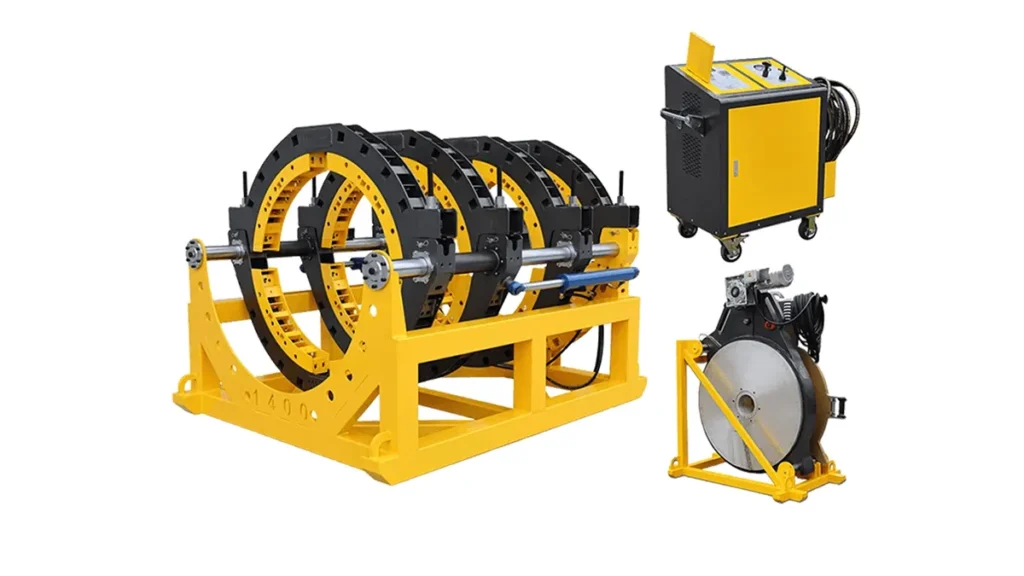
Choosing the right butt fusion welding equipment is critical for Dutch contractors, municipal utilities, and pipeline installers who demand durable, leak-free joints across waterways, reclaimed land projects, and dense urban networks. This guide explains how to evaluate butt welding machines, what benefits local projects gain from professional equipment, and how to match machine types to common Netherlands applications.
Why High-Quality Butt Fusion Matters in the Netherlands
The Netherlands faces unique infrastructure challenges: soft soils, extensive water management systems, and strict safety and environmental standards. Reliable butt fusion welding ensures HDPE pipe networks for water supply, gas distribution, and district heating maintain integrity under shifting ground conditions and heavy regulatory scrutiny. Contractors and public authorities prioritize machines that reduce rework, speed up field operations, and comply with local certification requirements such as KIWA testing and European standards.
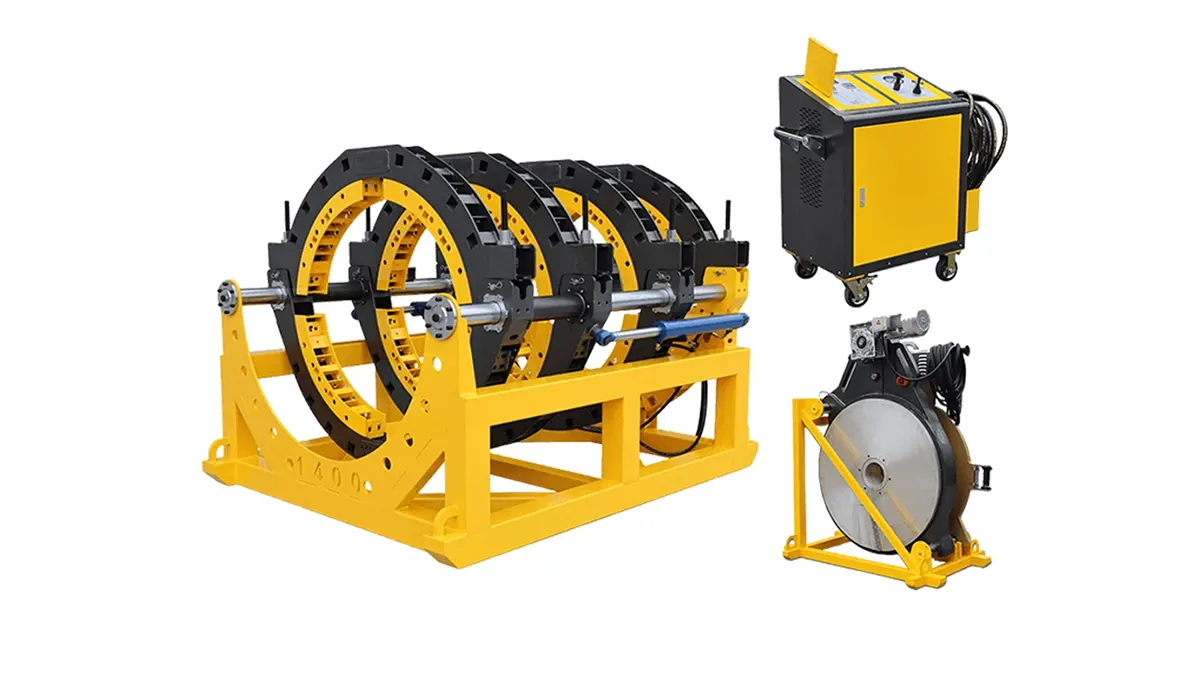
Key Machine Types and Where They Excel
Understanding the differences between manual, hydraulic, and CNC automatic butt fusion machines helps Dutch buyers choose equipment tailored to typical projects: urban pipe replacement, large-diameter trunk lines, or on-site utility repairs.
Manual Machines
Compact and cost-effective for small-diameter repairs, manual machines suit in-street maintenance and temporary works. They are lightweight, easy to transport by bicycle or van in narrow Dutch streets, and ideal for emergency teams.
Hydraulic Machines
Hydraulic units provide stronger clamping force and consistent alignment for medium to large pipes used in regional water and gas networks. These machines improve fusion quality in variable soil settles common in reclaimed polder areas.
CNC Automatic Machines
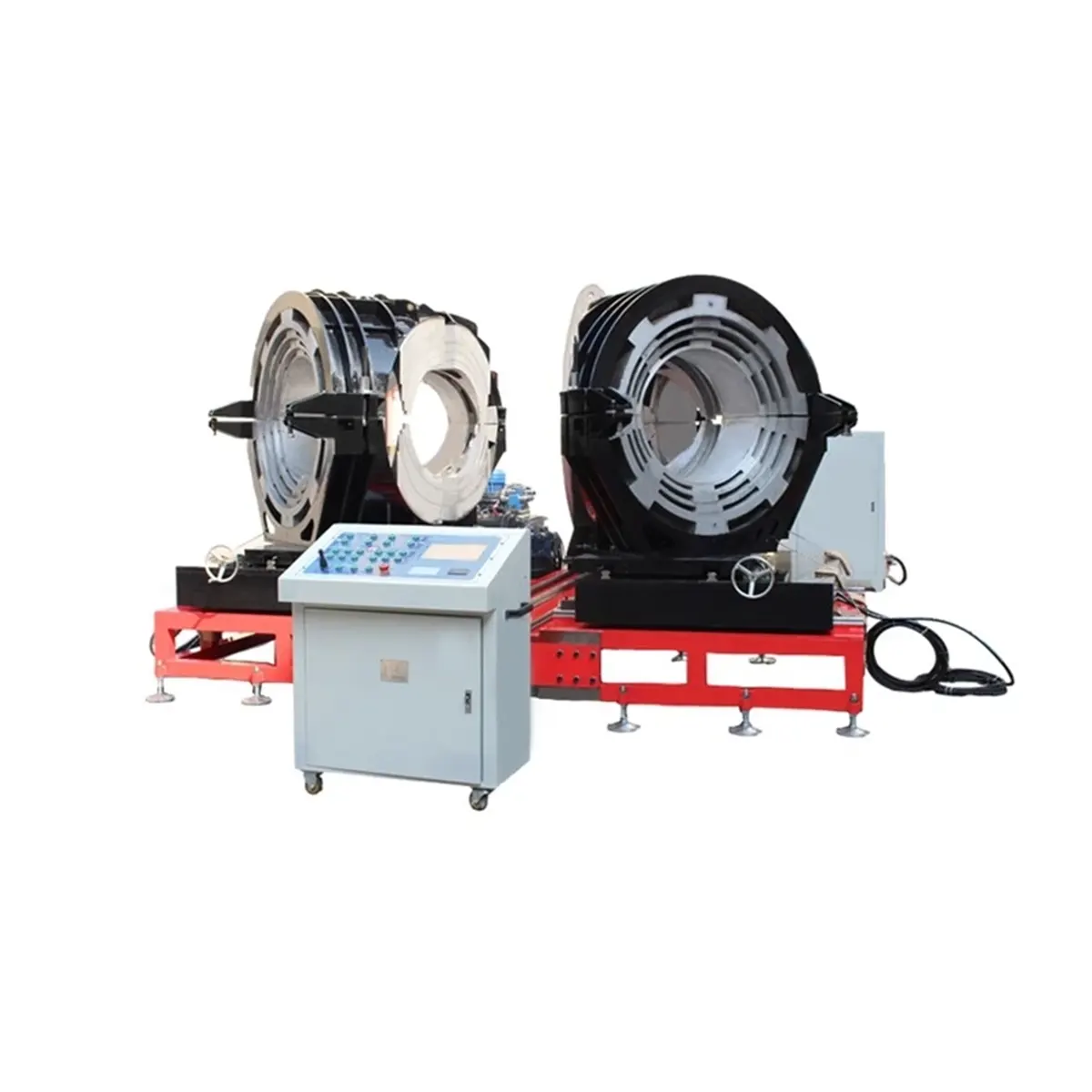
For high-volume production and strict traceability, CNC automatic machines offer programmable fusion cycles, automated heating and cooling sequences, and digital logging—features appreciated by contractors delivering large-scale infrastructure work for municipalities and utility companies.
Quick Comparison Table
| Machine Type | Best Use | Typical Pipe Range | Field Advantage |
|---|---|---|---|
| Manual | Emergency repairs, tight-access sites | 20–160 mm | Portability, low cost |
| Hydraulic | Municipal pipelines, large-diameter works | 160–2250 mm | High clamping force, consistent alignment |
| CNC Automatic | High-volume, traceable projects | 63–1250 mm | Programmable cycles, digital records |
Selecting a Supplier for Dutch Projects
Local buyers should prioritize suppliers that offer robust after-sales service, spare parts availability within the EU, and clear documentation in English (and optionally Dutch). Machines that come with calibration reports, user training options, and warranty support reduce downtime and ensure compliance during inspections by municipal authorities and certification bodies.
Operational Tips for Netherlands Conditions
- Plan weld schedules around weather: wet conditions increase cooling time—use controlled cooling where possible.
- For soft or reclaimed soils, use larger-diameter hydraulic machines and proper bedding to reduce strain on joints.
- Maintain digital weld logs for public tenders and KIWA-style audits; automatic machines simplify record-keeping.
Why Choose JQ-Fusion
JQ-Fusion is a professional manufacturer specializing in HDPE pipe welding machines and provides manual, hydraulic, and CNC automatic butt fusion solutions for global infrastructure projects, offering durable, customizable equipment for diverse project needs.
Final Considerations
Match machine capability to your project scale, insist on traceability and service support, and factor in Dutch site conditions—soft soils, frequent inspections, and urban access constraints—when selecting equipment. The right butt fusion machine reduces risk, accelerates projects, and secures long-term pipeline performance.



