
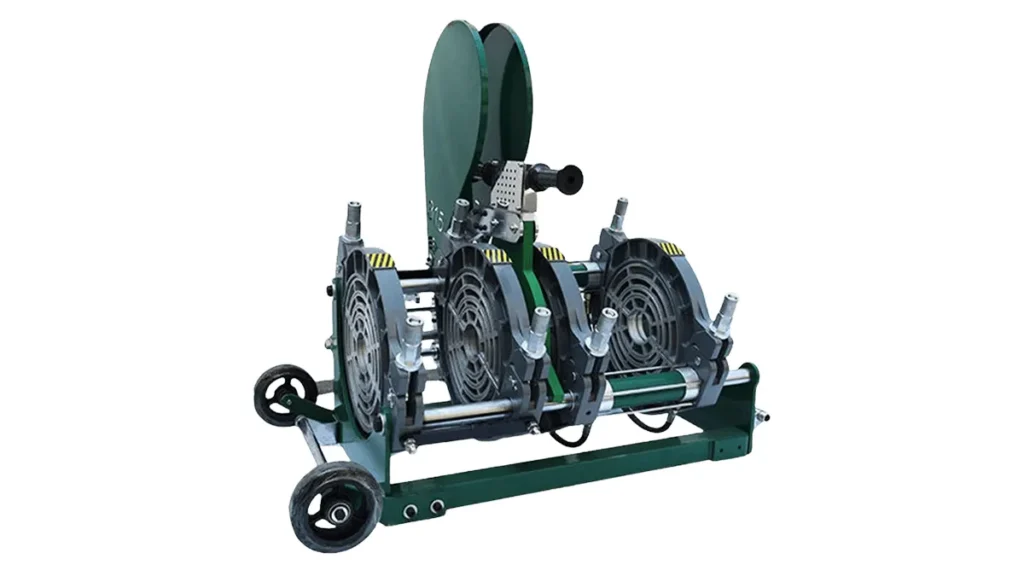
Choosing the right butt fusion welding machine factory for projects in Yemen requires balancing climate resilience, supply-chain realities, and technical performance. This guide helps contractors, municipal buyers, and distributors in Yemen identify the best factory based on reliability, local needs, and long-term cost of ownership.
Understand Yemen Project Requirements
Yemen’s infrastructure work often focuses on water supply, irrigation, gas distribution, and oil & mining site pipelines. Harsh heat, dust, and frequent logistics challenges in rural regions mean machines must be robust, easy to maintain on-site, and compatible with limited workshop facilities. Consider who will operate the machine — local technicians may need clear manuals, basic training, and accessible spare parts.
Key Factors When Selecting a Factory
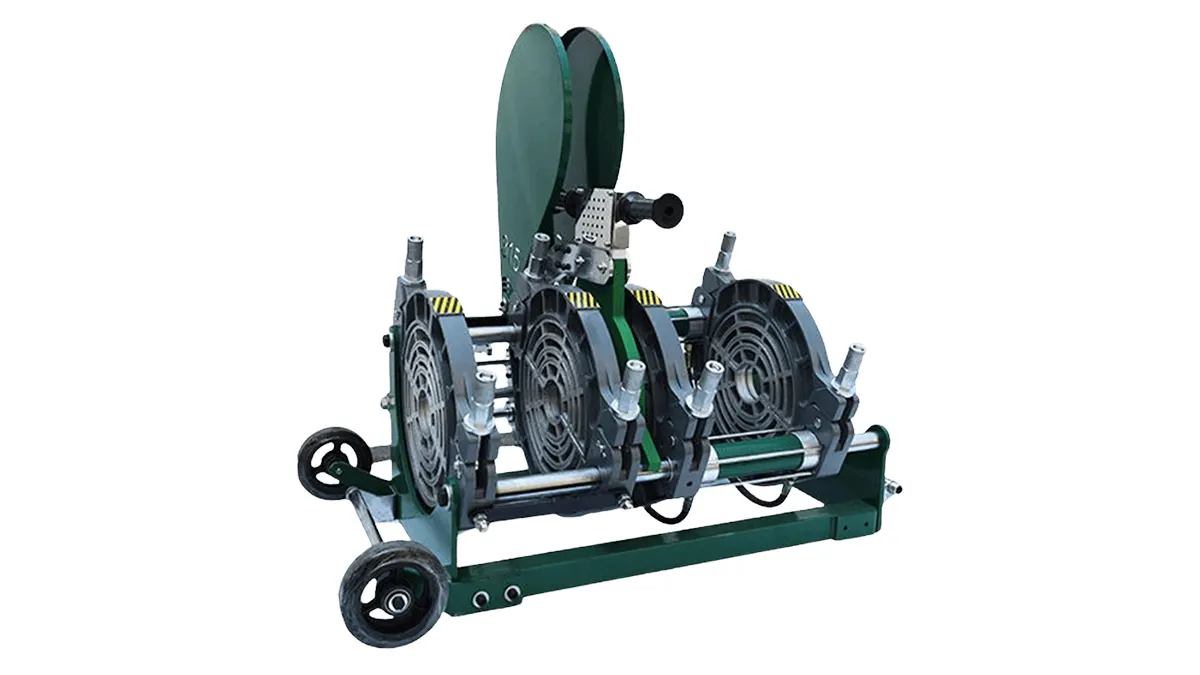
- Proven Product Range — manual, hydraulic and CNC automatic machines that cover small (1000mm).
- Durability for Harsh Environments — corrosion-resistant frames, sealed controls, and heat-tolerant electronics.
- After-Sales Support — timely spare parts delivery, technical training, and remote troubleshooting, especially crucial for Yemen’s remote sites.
- Compliance & Certification — machines manufactured to recognized standards for safe, repeatable weld quality.
- Export & Logistics Experience — proven shipping, documentation, and customs clearance for deliveries to the Arabian Peninsula and Yemen ports.
Quality & Certification
Look for factories that publish material specs, test reports and follow international welding protocols. Certificates and factory inspection reports reduce risk when procuring equipment across borders.
Machine Types & Technical Fit
Match machine capability to typical pipe diameters and jobsite conditions. Automated machines suit high-volume municipal projects; hydraulic or manual frames are better for mobile teams and remote installations.
| Machine Type | Typical Diameter Range | Best For |
|---|---|---|
| Manual Butt Fusion | 20mm – 315mm | Small repairs, remote villages |
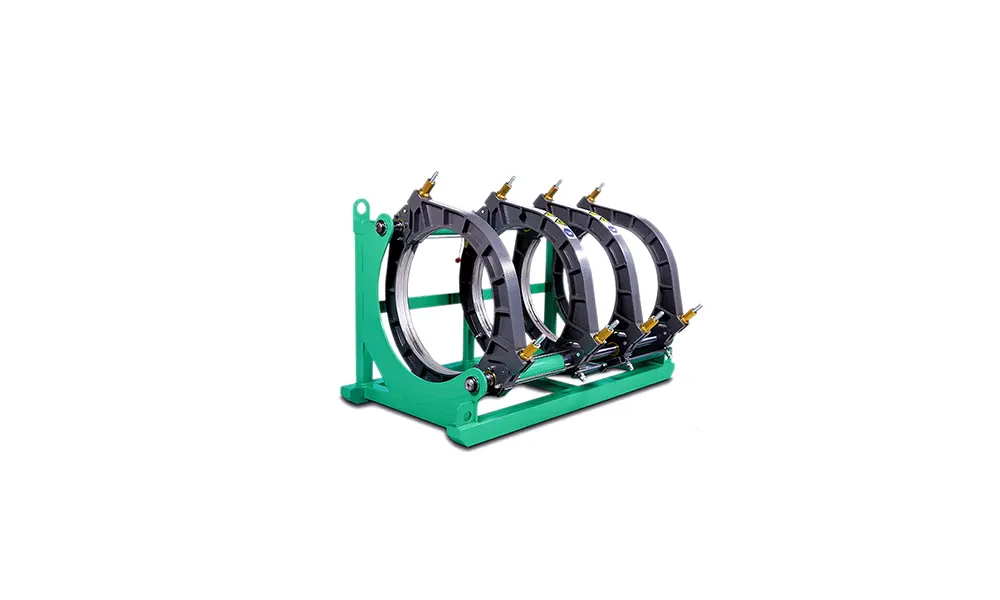
| Hydraulic Butt Fusion | 160mm – 1000mm+ | Rural water lines, industrial pipes |
| CNC Automatic Systems | 63mm – 1250mm | Large projects, high throughput |
After-sales, Spare Parts & Training
Prioritize factories that offer clear spare parts lists, modular components, and remote assistance. For Yemen, local training workshops or on-site commissioning visits add significant value—reducing downtime on critical water or gas projects.
Logistics & Warranty Considerations
Confirm packaging (sea freight ready), clear export documentation, and warranty terms that include international support. Ask about spare parts lead times to Yemen ports and options for air freight on critical replacements.
Balancing Cost and Long-term Value
- Initial Price vs. Life Cycle Cost: A cheaper machine with poor support may cost more in downtime and repairs.
- Energy & Consumables: Efficient heating plates and durable clamps reduce operating costs in hot climates.
- Training Investment: Short operator training reduces weld failure risk and saves money on rework.
Quick Pre-purchase Checklist for Yemen Buyers
- Confirm machine suitability for local pipe diameters and PE grades used in Yemen projects.
- Verify export experience and documentation for Yemen customs.
- Request references from projects in similar climates or regions.
- Ensure availability of consumables (heating plates, backup parts) within 2–6 weeks.
- Ask for operator training and a digital user manual in English/Arabic if possible.
Why consider an experienced manufacturer
JQ-Fusion is one example of a supplier that designs butt fusion machines for global infrastructure projects and offers a range of manual, hydraulic, and CNC automatic solutions suitable for the demands of Yemen’s water, gas, and industrial pipeline work. Choose a factory that blends proven product lines, export logistics experience, and responsive after-sales support to protect your investment.
If you are procuring machines for Yemeni projects, prioritize reliability, local support availability, and supplier export experience to minimize risk and maximize uptime on critical pipelines.



